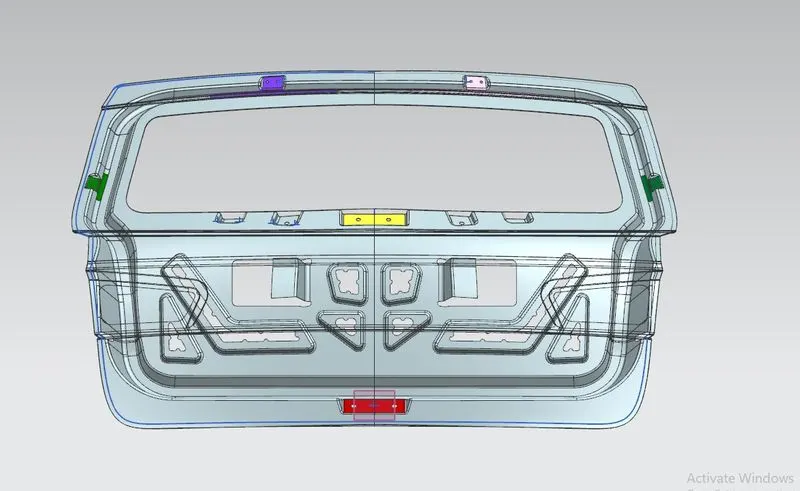
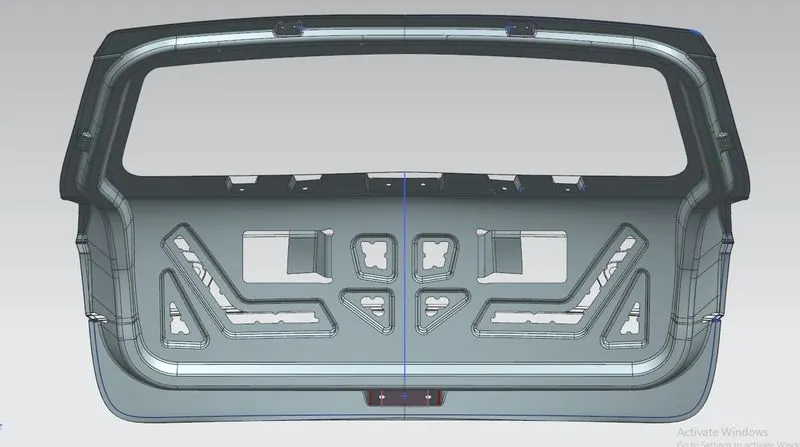
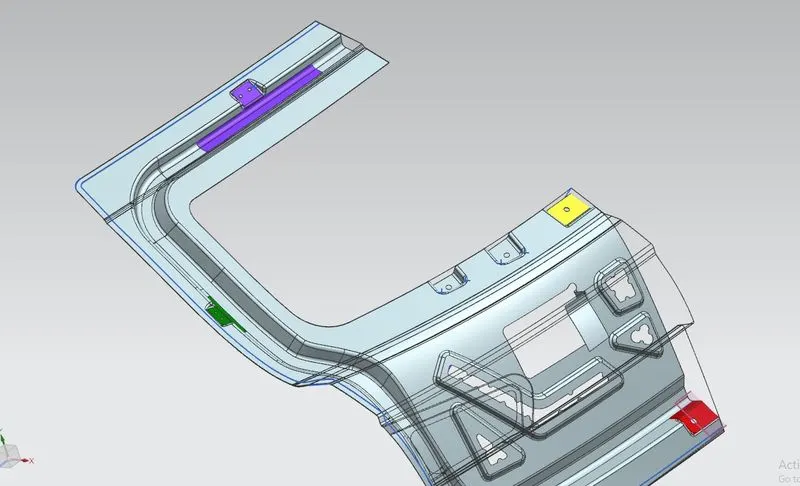
Design of backdoor
AIM:
Use the provided styling surface to come up with a back door design, use appropriate design methodologies and provide the necessary reinforcements and embosses.
What is sheet metal fabrication?
Sheet metal manufacturing (or sheet metal fabrication/sheet metal prototyping) is a set of manufacturing processes used to cut, deform, and assemble flat sheets of metal. These sheets — of materials like aluminum, steel, and other metals — are made into standard gauges, and manufacturers can choose a suitable material and gauge based on the requirements of the end product.
In most cases, several different processes are used to turn a standard sheet of metal into an end product. Cutting processes include punching, laser cutting, water jet cutting, and plasma cutting; deformation processes include bending, stamping, and spinning; assembly processes include welding. Deploying a sequence of these processes can turn a featureless sheet of metal into a usable part like a piece of shelving.
Sheet metal is a suitable process for simple, large, or thin-walled parts such as panels, brackets, shelving, enclosures, doors, appliances, and kitchen and office equipment.
BACK DOOR:
a back door is BIW component found in all automotive car genaral used for opening and closing of the luggage that is usally used for storing items inside a car.
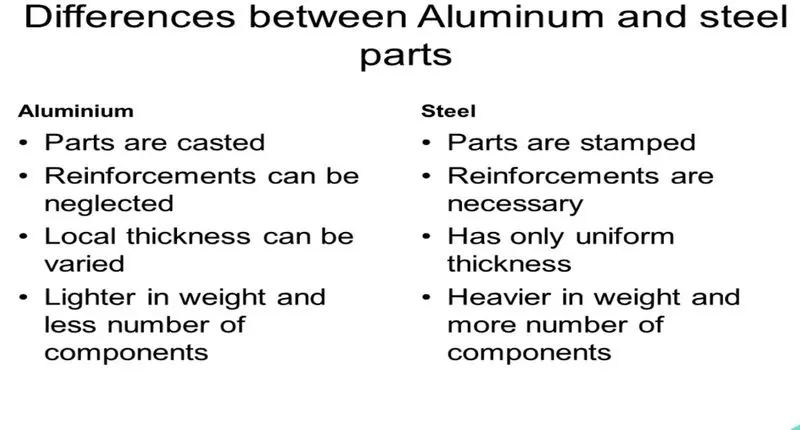
In principle, back door have to fulfil similar requirements and are subject to the same design guidelines as bonnets. However, aluminium sheets are used much less for back door than for bonnets. The main reason is that the “value” of weight saved in the rear of the car is significantly lower than in the front because of the aim for a 50:50 axle load distribution. In many cases, automobile engineers are even shifting mass (e.g. batteries) towards the back in order to achieve a more balanced axle weight distribution.
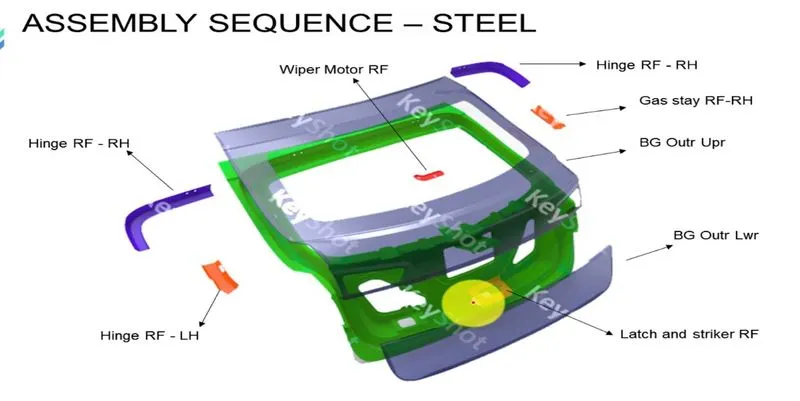
Part of Tail Gate
- Outer Panel
- Outer Panel Lower
- Inner Panel
- Hinge Reiforcements
- Latch and Stricker Reinfocement
- Wiper Motor Reinforcement
- Gas Stay Reinforcement
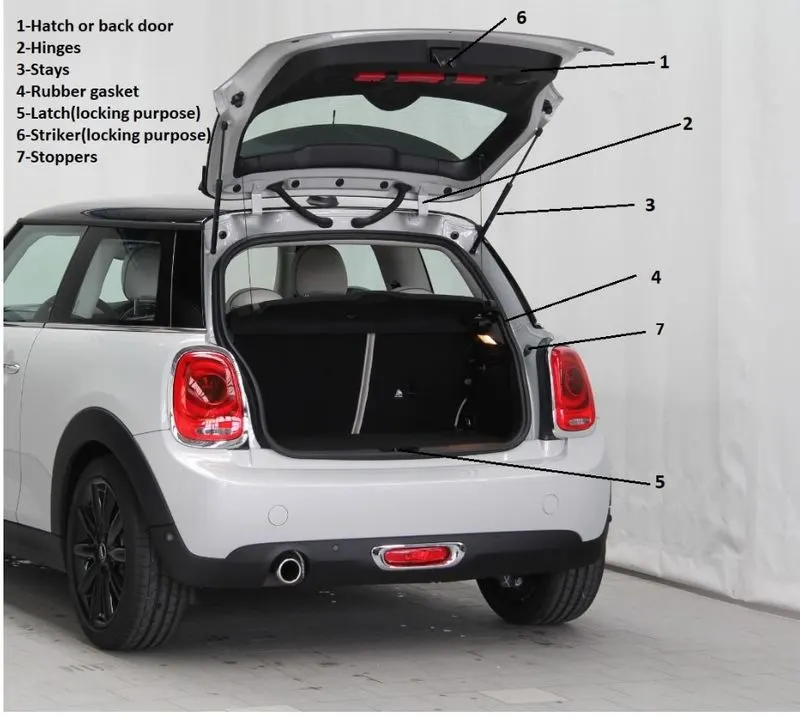
Types of Back Door
- Top Mounted
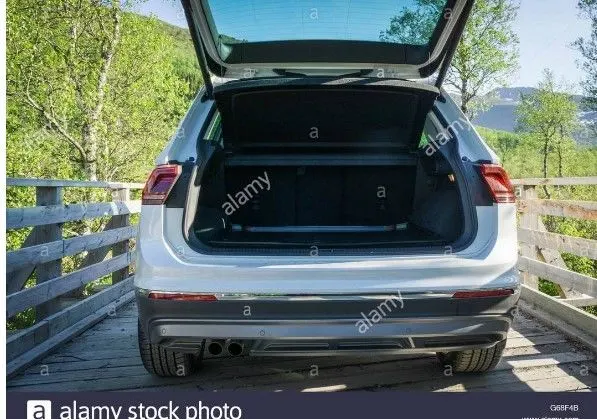
- Side Mounted
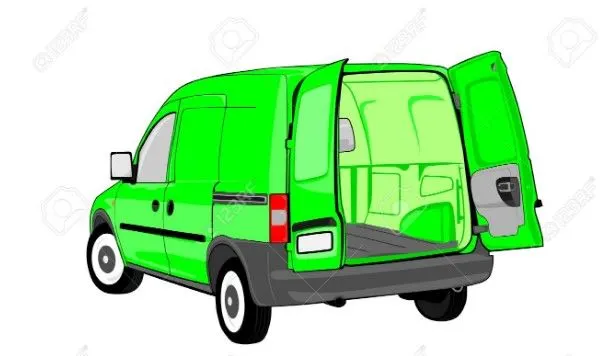
- Bottom Mounted
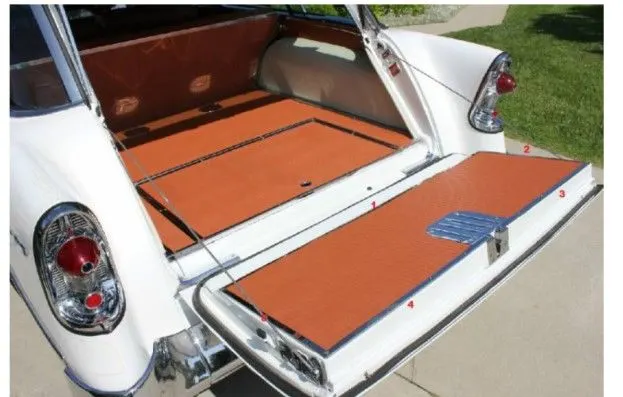
Back Door Material Selection
.Design Considerrations in Back Door
- Visbility Criteria
- Force Dissipation
- Latch and Stricker Positions
- Hinge Postion
- Gas Stay Position
- Material Selection
- Hemming and Relief
DESIGN OF REINFORCEMENTS
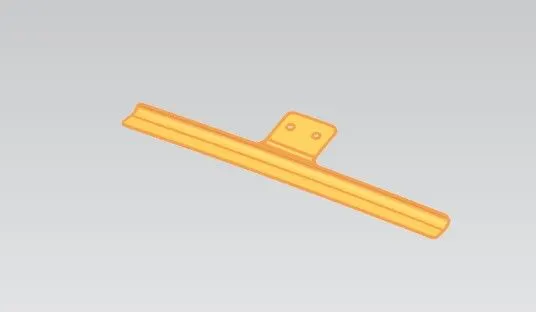
Reinforcements baiscally strength or increases the mechanical properties of the material.the hinge reinforcement are povided so as to increases the strength during blolting.
The Diffrent types of reinforcements
- Hinge reinforcement -hinge suppot the weight of the whole backdoor. The hinge is connected to the rear roof of the car.
- Gas Stay reinforcement
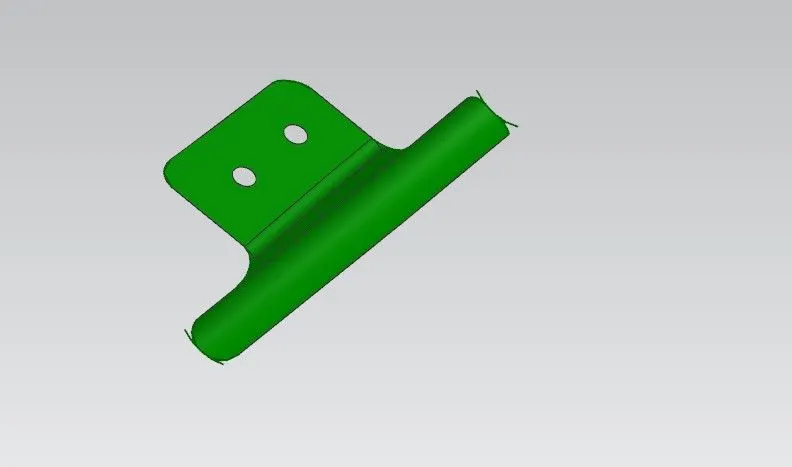
gas stay is used to lift the backdoor automatically. there are two types osf gas stay one is semi automated and another ane is fully automated in semi automatically types the back door need little force to to lift after that it lift the backdoor automated , in fully automated , it has power spindle which lift tha backdoor automatically.
- Wper motor reinforcement
wiper is used to wipeout the rain water falls on the backdoor window . it is actuated by the motor which is mounted on the inner panel.due to the vibration and heat created by the motor .the inner panel where the motor is mounted get deform and the part attached to the motor starts to vibrate which leads to poor NVS. so we have to provide the reinforcement where the wiper motor is placed .
- Latch and Stricker reinforcement
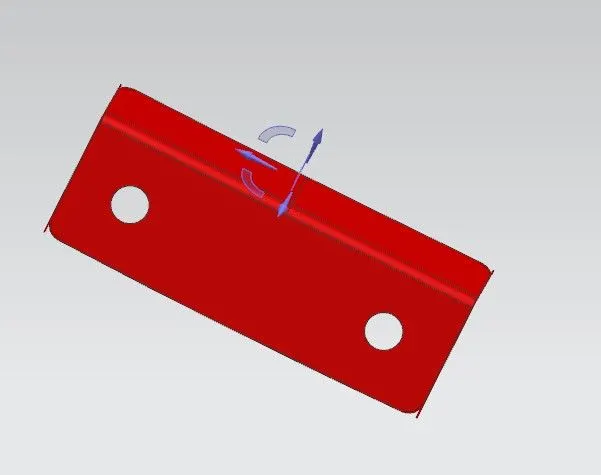
At bottom of the panel
generrally key operated ar automatic remotly contrallable mechanism is used to keep the door open or closed
DESIGN OF HEMMING
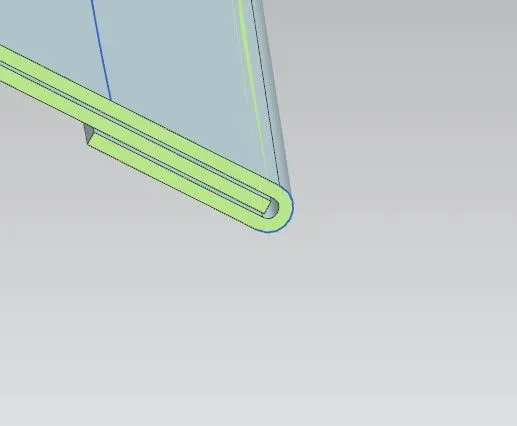
hemming is sheet natel forming processin which sheets are joined by bending it usually to 180 dgree.
Hemming is a forming operation in which the edges of the sheet are folded or folded over another part in order to achieve a tight fit
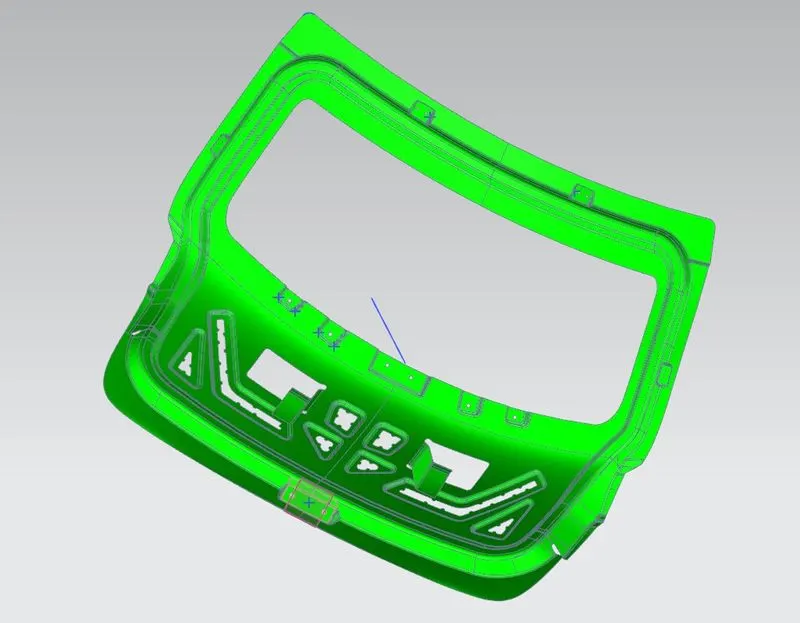
DRAFT ANALYSIS
Draft angles are very important in thermoforming product design. If the product is formed onto a female or negative mold, it shrinks away from the mold sidewalls. As a result, true female or negative products can be thermoformed with vertical walls having zero draft angles. If the product is formed onto a male or positive mold, it shrinks onto the mold sidewalls. A draft angle of 1–5 degree is recommended for all male or positive products. The more the plastic thermally shrinks, the greater the draft angle must be. On textured male molds, the draft angle should be increased about 1 degree for every 5 μm of texture depth.
Many products have both negative and positive elements. During cooling, the positive elements act to pull the plastic toward them and away from the negative elements. This can change the final dimensions of the product. Draft angles must be carefully chosen to minimize this effect.
the draft angle for aliminium casted panel is 2 to3 degrees is enough but if is steel than angle is more than 7 degrees.
Tooling Direction
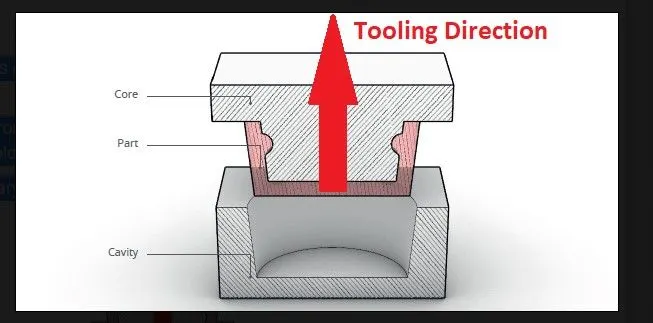
- In Molding machine arrangement is given to open the mold along a direction which is known as Tooling Direction.
- In other words. The mold is built from two separate halves (Core and Cavity) and tooling direction basically define the direction of mold pulls apart.
- Tooling direction is known as primary direction
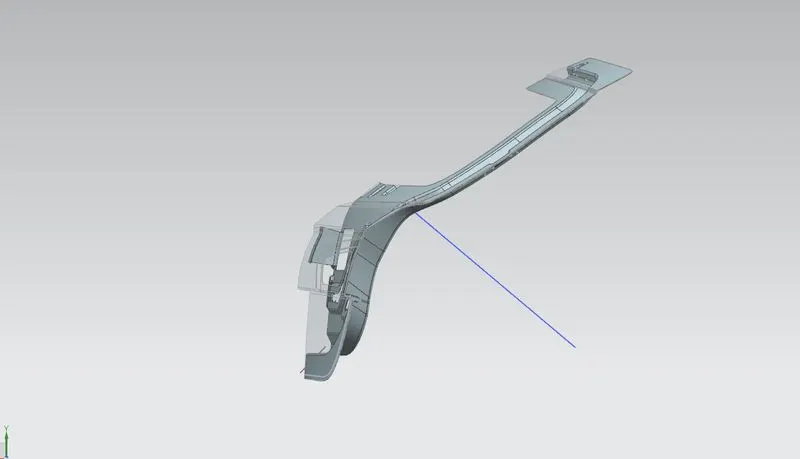
- Latch and Stricker Positions
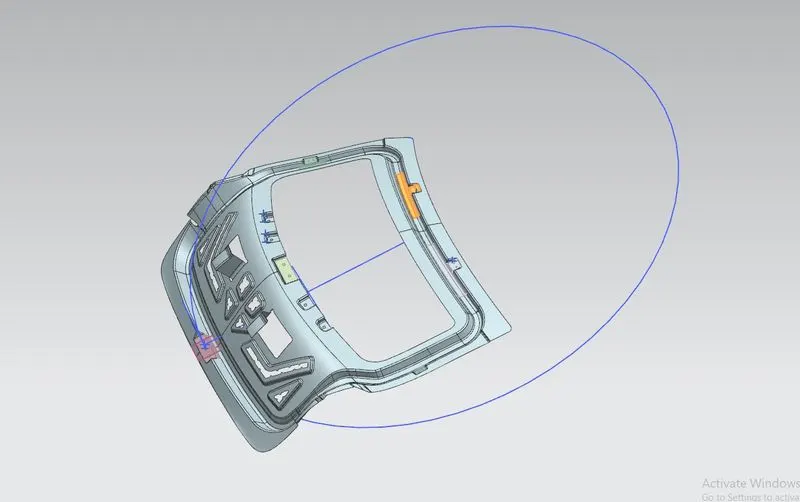
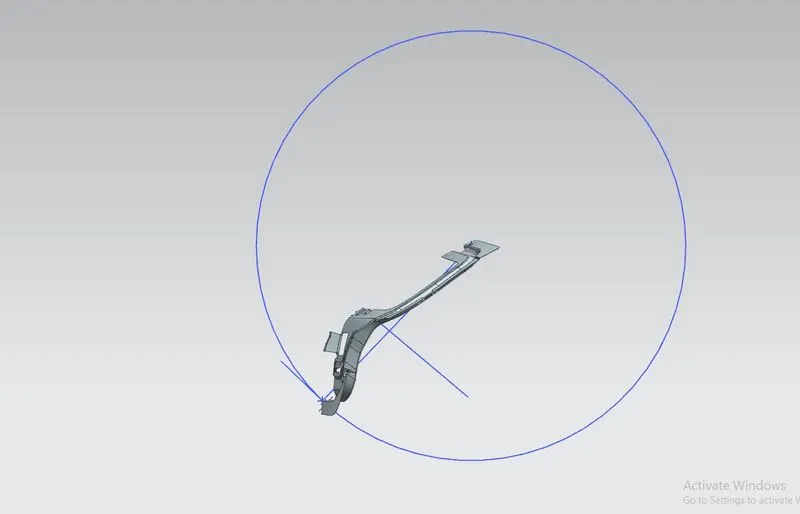
- Outer Panel Upper
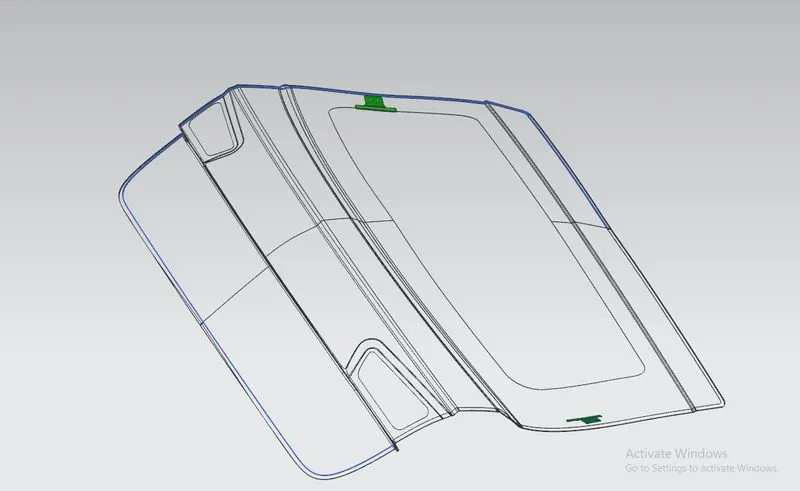
- Outer Panel Lower
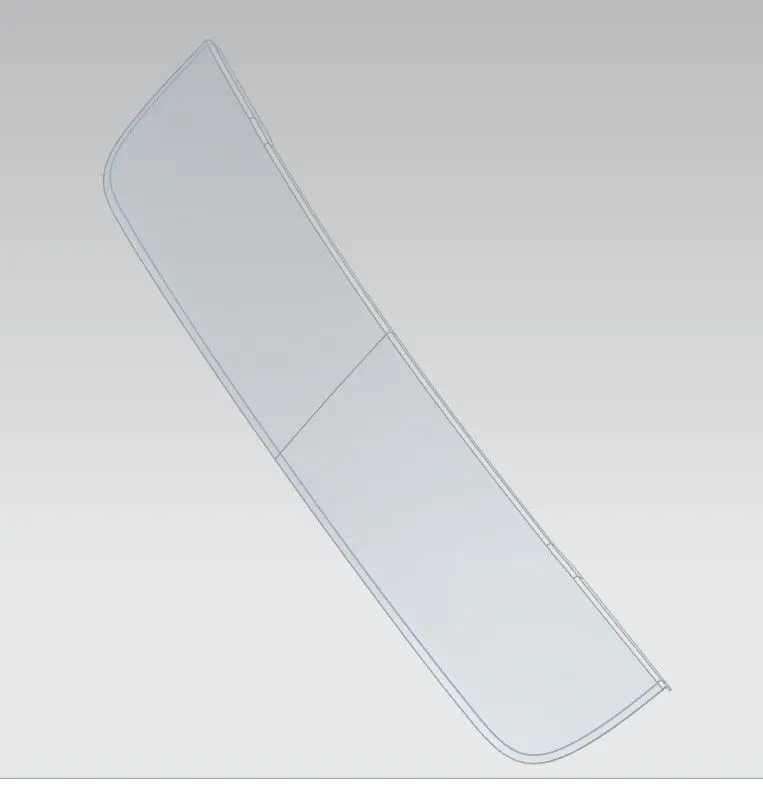
- Inner Panel
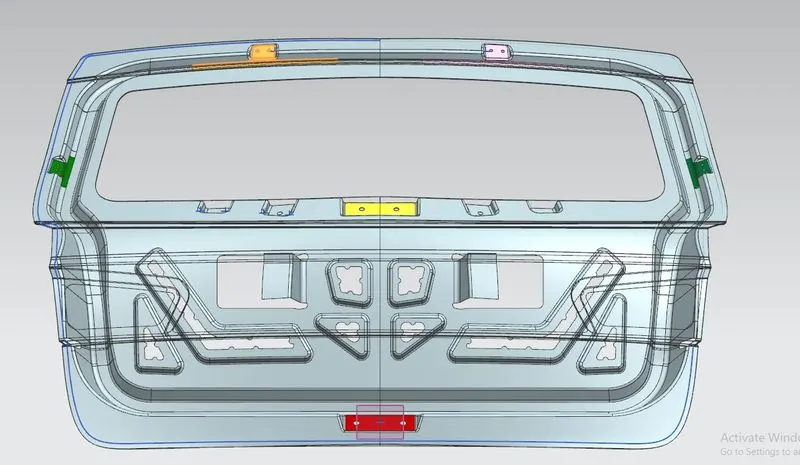
Assembly of back door