Design of backdoor
DESIGN OF BACKDOOR

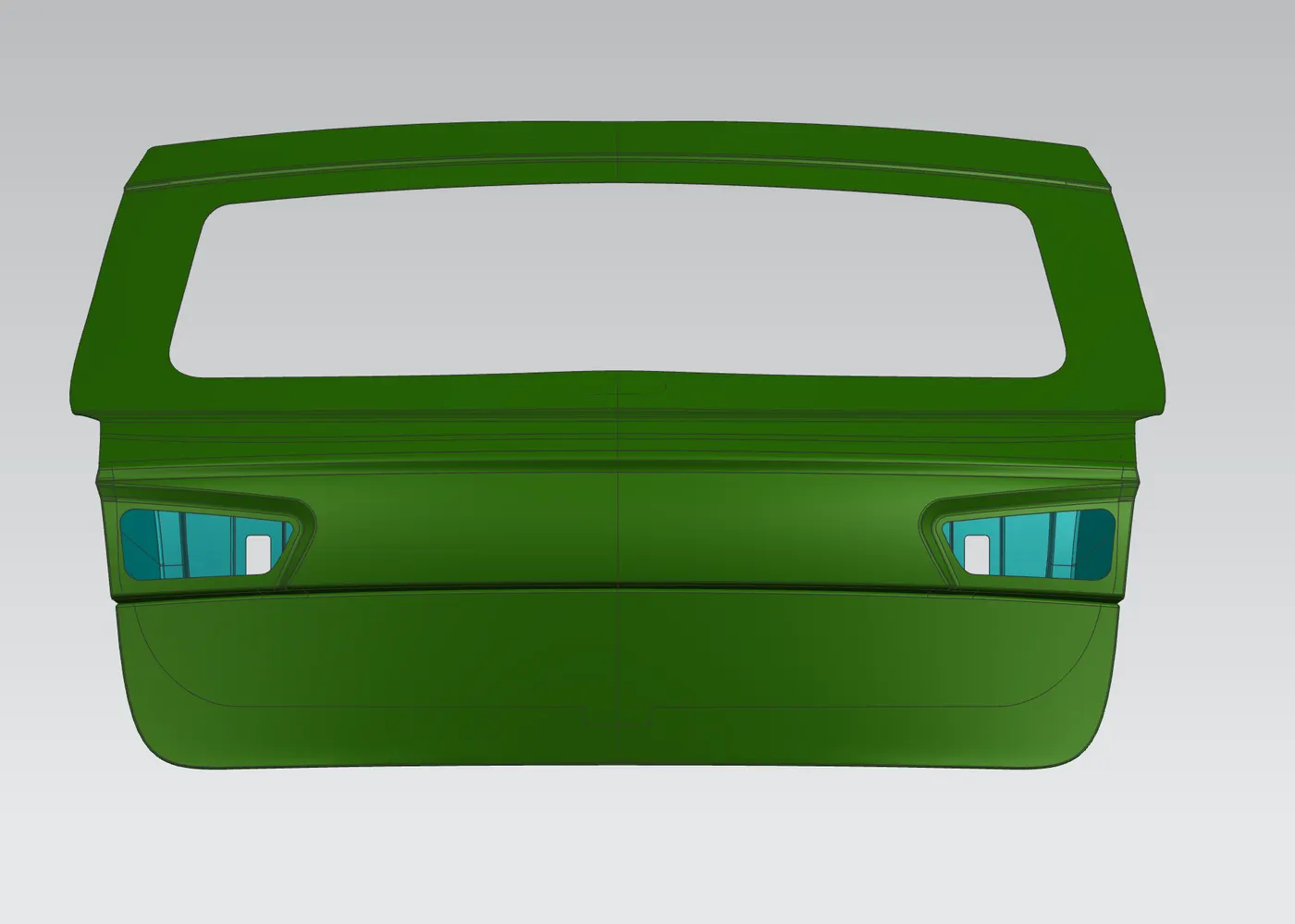
The Term "Tail Gate" Or "Back Door" Simply Describes The Opening And Closing Rear Door Of The Vehicle. It Shielding The Car's Back End. It Grants Entry To A Cargo Area. One Of The Main Features Of Hatchbacks, Estate/Station Wagons, And Liftbacks Is A Tailgate That Hinges At The Roof. A Cargo Area's Door Or Opening Could Hinge From The Top, Side, Or Bottom.
Usually, This Procedure Is Carried Out Manually In Autos. To Open And Close The Tailgate Using The Vehicle Key, One Must Descend From The Vehicle.These Days, Automakers Provide Advanced Features Like An Automated Tailgate. The Car's Automated Tailgate Will Operate Electronically To Open And Close The Tailgate.
BACK DOOR OUTER PANEL
The Upper And Lower Back Door Outer Panels Are Made As Two Distinct Pieces In This Design. This Outer Panel's Design Was Informed By Visibility Standards, And Appropriate Corner Reliefs Were Included To Facilitate Hemming Operations.The Outside Panel Has A Thickness Of 0.75 Mm.
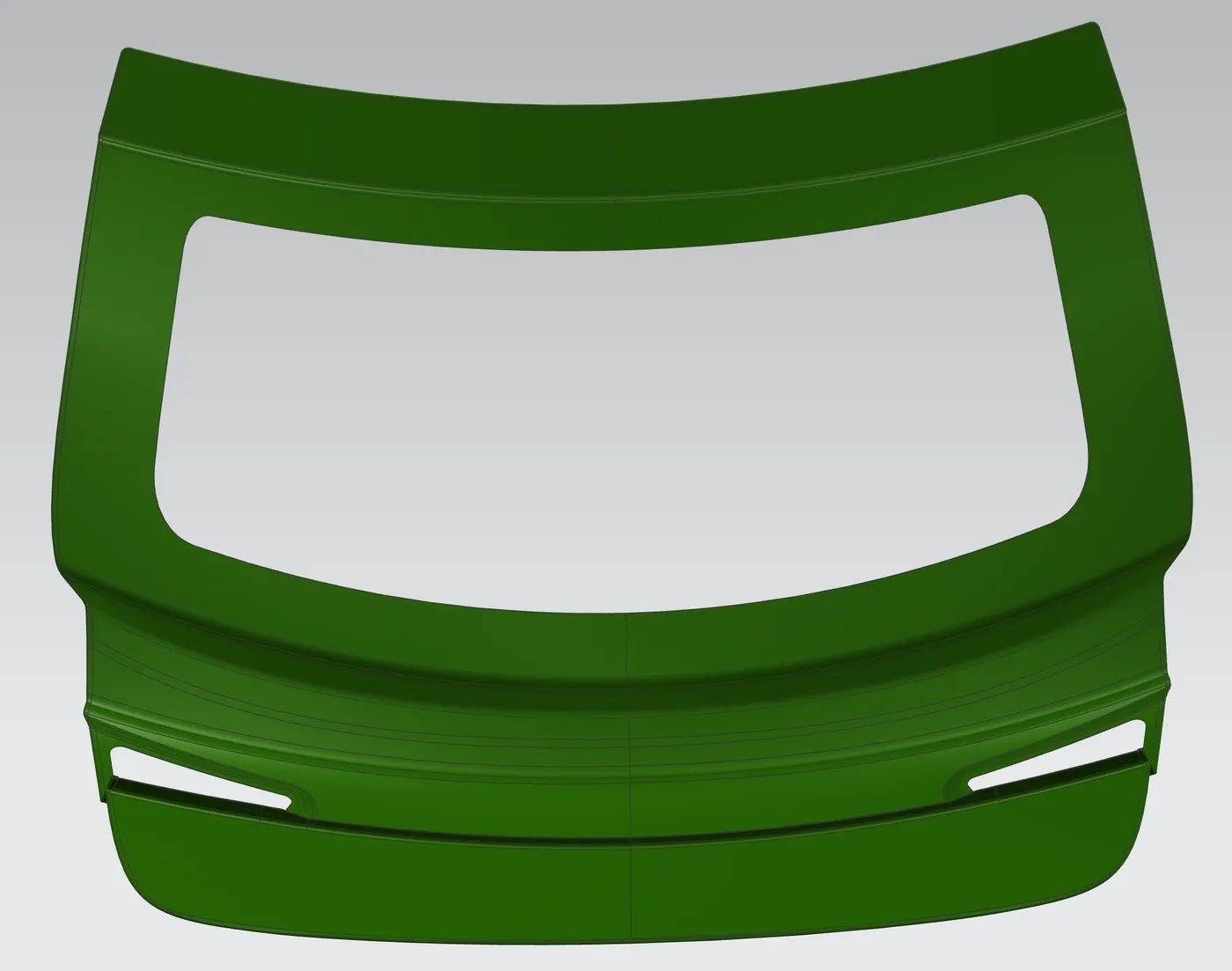
The Outside Panel Of The Rear Door Must Be Carefully Designed For Both Safety And Aesthetic Reasons. It Must Be Sufficiently Protected In The Case Of A Collision And Blend In Smoothly With The Overall Design Of The Vehicle.
The Panel's Size, Form, Curvature, And Alignment With Other Body Panels Of The Vehicle Are All Taken Into Account. Aerodynamics Are Ensured, Wind Noise Is Decreased, And Fuel Efficiency Is Increased With Proper Design.
BACK DOOR INNER PANEL
In Order To Ensure Correct Structural Integrity And Alignment With The Vehicle's Body, The Back Door Inner Panel's Design Is Essential. To Strengthen The Vehicle's Overall Safety, It Must Blend In Perfectly With Other Parts, Including The Exterior Panel.
The Panel's Dimensions, Form, And Points Of Connection To Other Interior Elements Like The Window Mechanism, Door Frame, And Locking System Are All Taken Into Account.
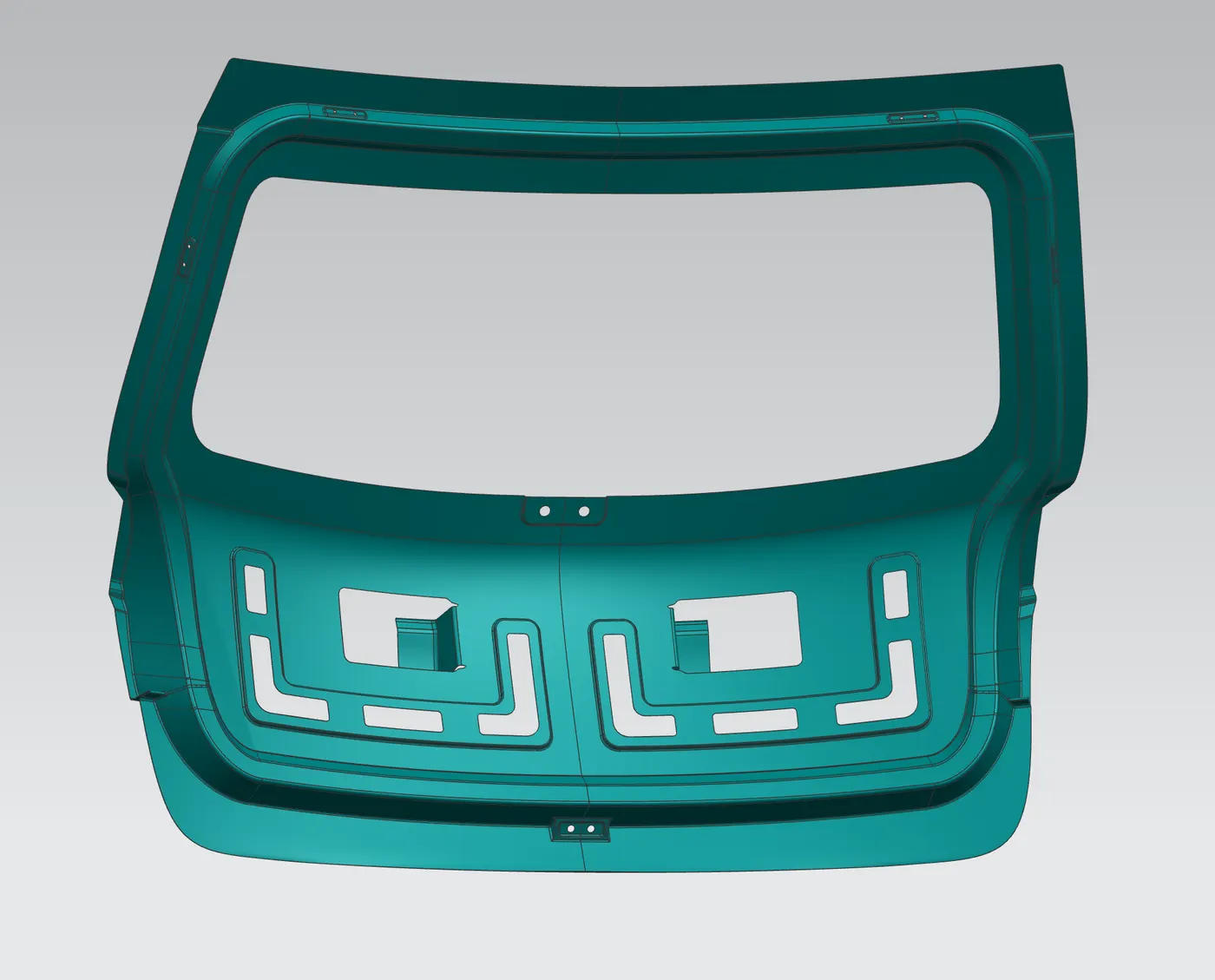
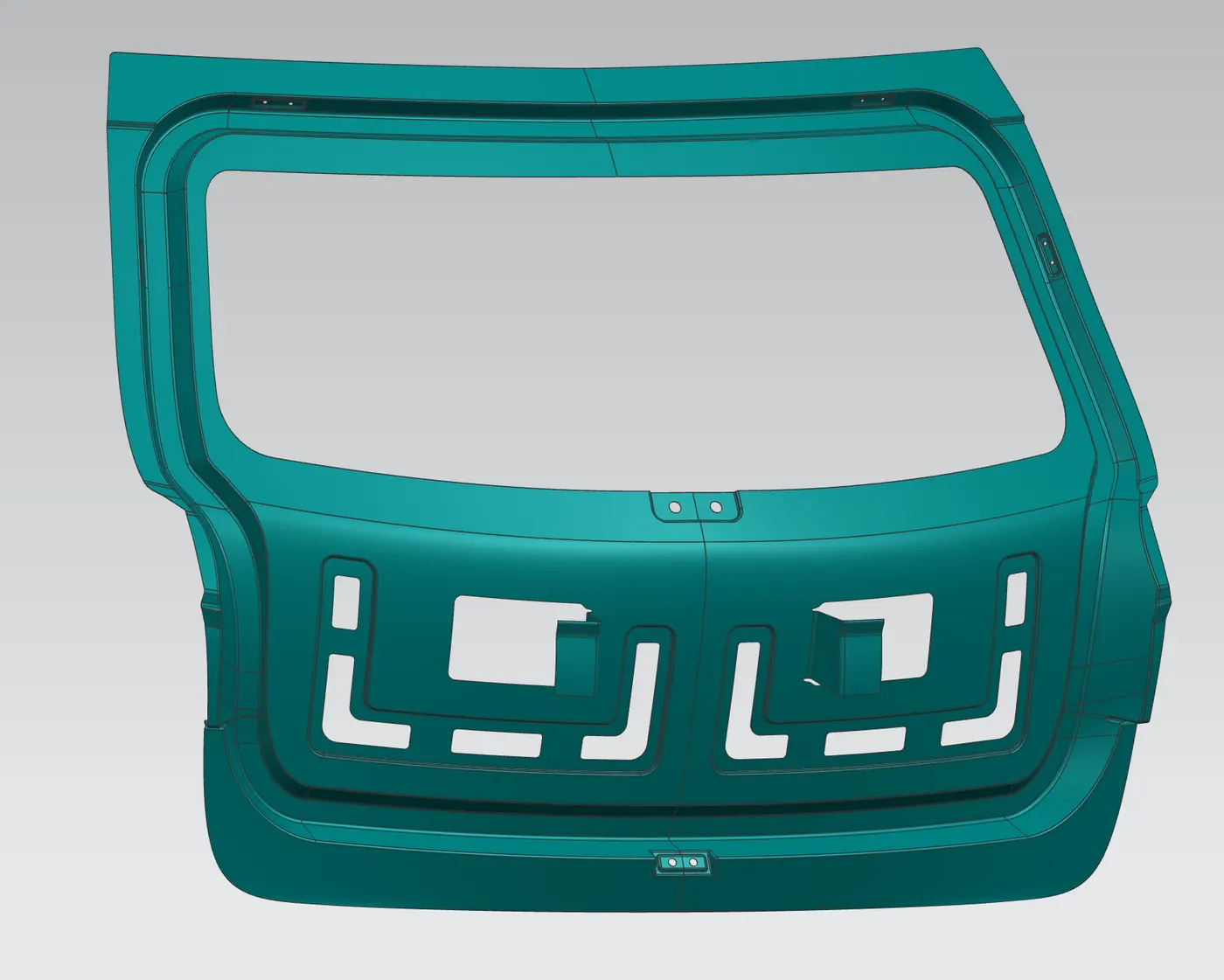
The Design Of The Rear Door Outer Panel Took Visibility Criteria, Hinge, Gas Stay, Wiper Motor Position, And Strengthening Into Consideration.A Trouble-Free Manufacturing Process Is Achieved By Creating An Appropriate Tooling Direction.Based On This Tooling Direction, Stamping Processes Were Created In This Design. This Design Has Embosses For The Purpose Of Dissipating Force. Appropriate Clearance Is Provided In Problematic Regions In This Design.The Thickness Of The Inner Panel Is 0.75 Mm.
FORCE DISSIPATION
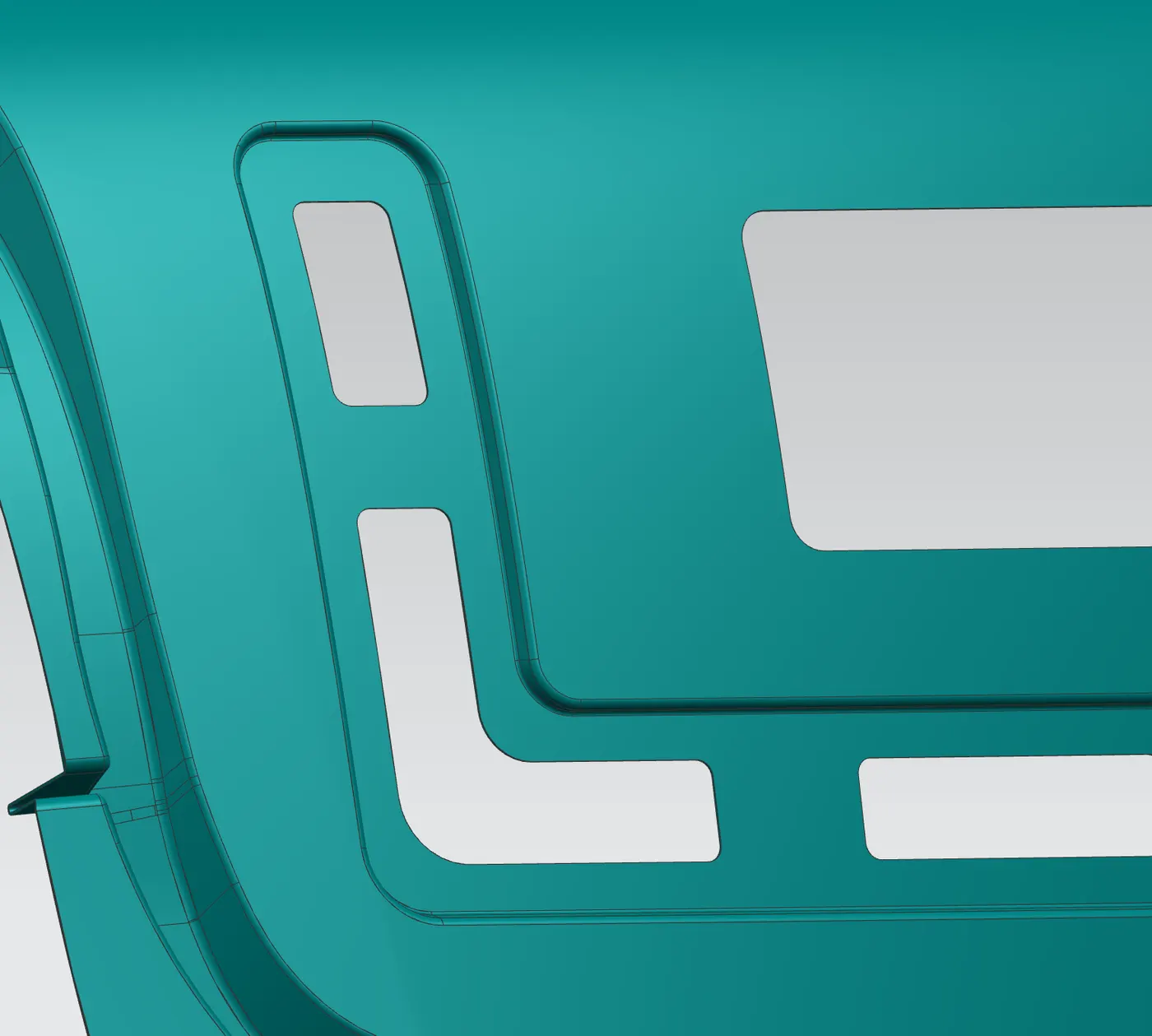

The Force Dissipation Criteria Was Taken Into Consideration When Designing This Inner Panel. The Embosses Are Designed So That, In The Case Of A Collision, Force Will Disperse To The Sides Of The Rear Door, Preventing Reaching Into The Passenger Cabin. Embosses Are Present In The Rear Door To Disperse Force And Increase The Metal's Strength.
MASTIC AREA

Mastics Sealants Are Used To Connect The Inner And Exterior Panels Together. It Improves NVH And Strengthens The Rear Door. Thus, Precise Approval Was Granted For The Mastic Sealant.
Mastic Functions As A Dampening Material That Reduces Noise And Vibrations.
It Reduces Wind And Road Noise, Which Makes The Inside Atmosphere More Comfortable And Quieter.
By Adding Structural Support, Mastic Lowers The Possibility Of Flex And Distortion At The Rear Door.
HINGE REINFORCEMENT

There Are Hinges On The Top Side Of The Door In This Design. To Increase Strength, Hinge Mounting Places Have The Proper Reinforcing.
The Back Door May Rotate Smoothly When It Opens And Closes Due To The Hinge's Contact Point.
To Guarantee Appropriate Alignment And Movement, Precision Engineering Is Essential.
Typically, Hinges Are Made Of Sturdy Materials Like Steel Or Aluminum That Are Selected For Their Endurance, Strength, And Resistance To Corrosion.
Composite Materials Are Sometimes Used In Modern Cars To Reduce Weight And Increase Fuel Economy.
GAS STAY REINFORCEMENT

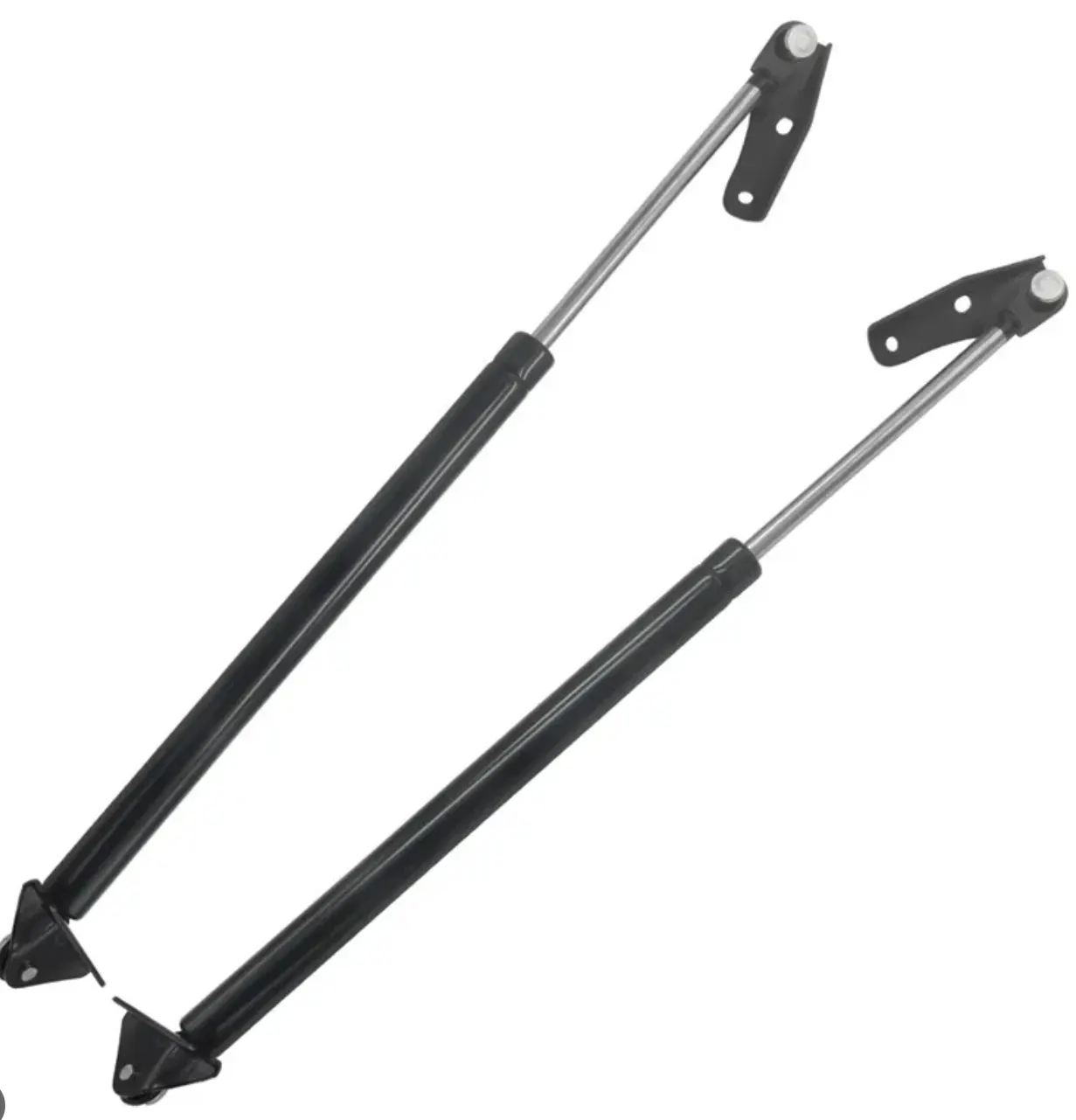
Gas Stay Provide A Smooth And Regulated Motion That Helps With The Controlled Opening And Closing Of Car Rear Doors.
They Lessen The User's Exertion When Opening And Shutting The Bulky Rear Door.
The Weight Of The Rear Door Is Supported By Gas Stay, Which Facilitate Better Movement And Avoid Abrupt Drops.
Without The Need For Physical Assistance, Gas Struts Maintain The Rear Door Open, Allowing Easy Access To The Passenger Or Cargo Compartment.
Because They Keep The Rear Door From Suddenly Shutting And Perhaps Injuring Or Damaging Other People Or Property, Gas Stay Improve Overall Vehicle Safety.
Reinforcement Is Given For Increased Strength. On The Inner Panel, Spot Welding Is Used.
WIPER MOTOR REINFORCEMENT
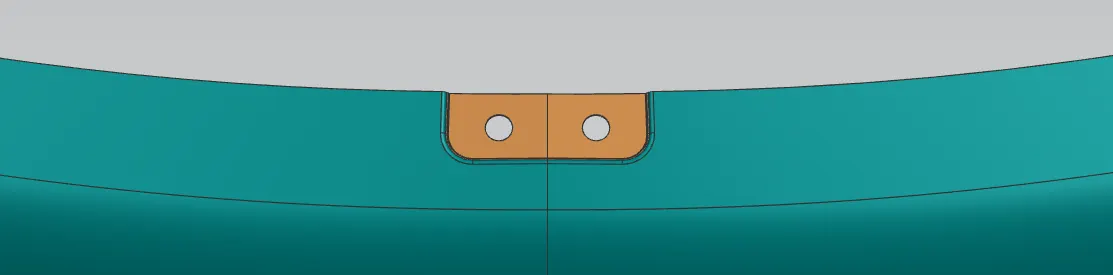
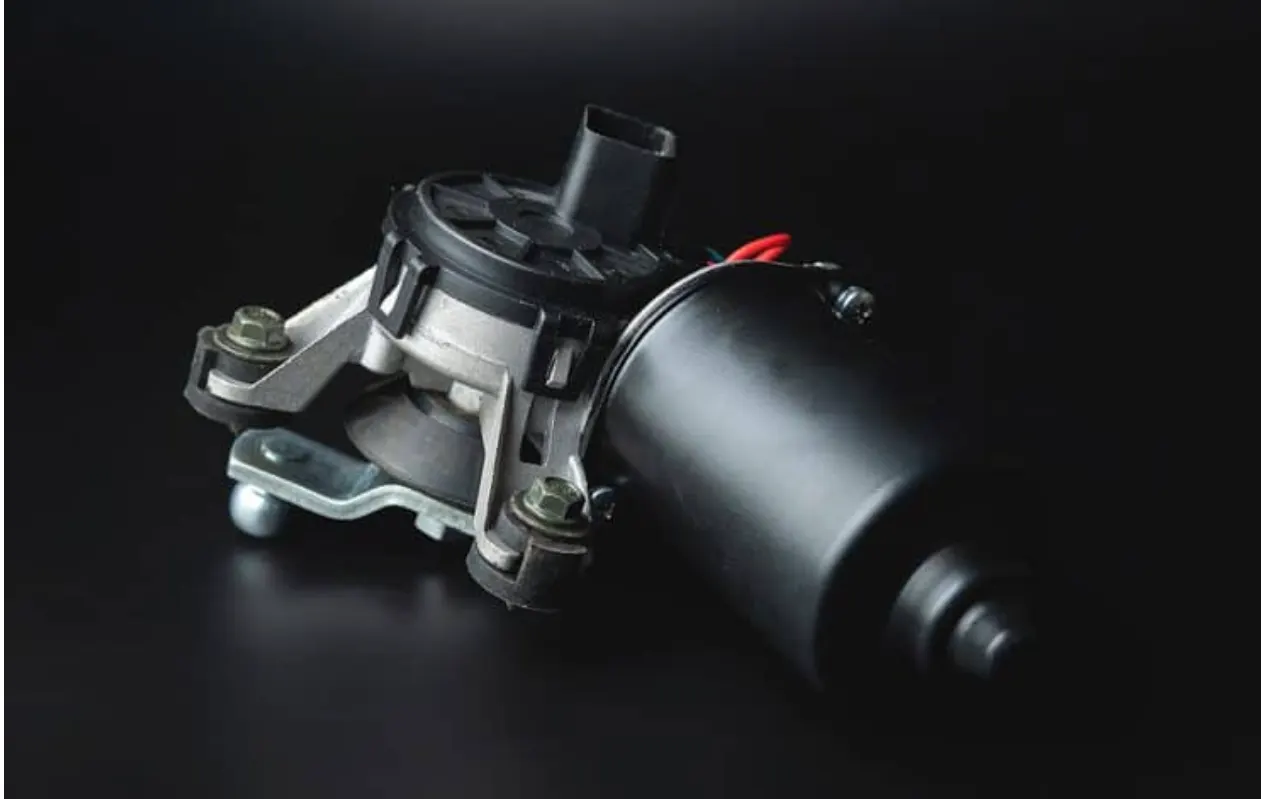
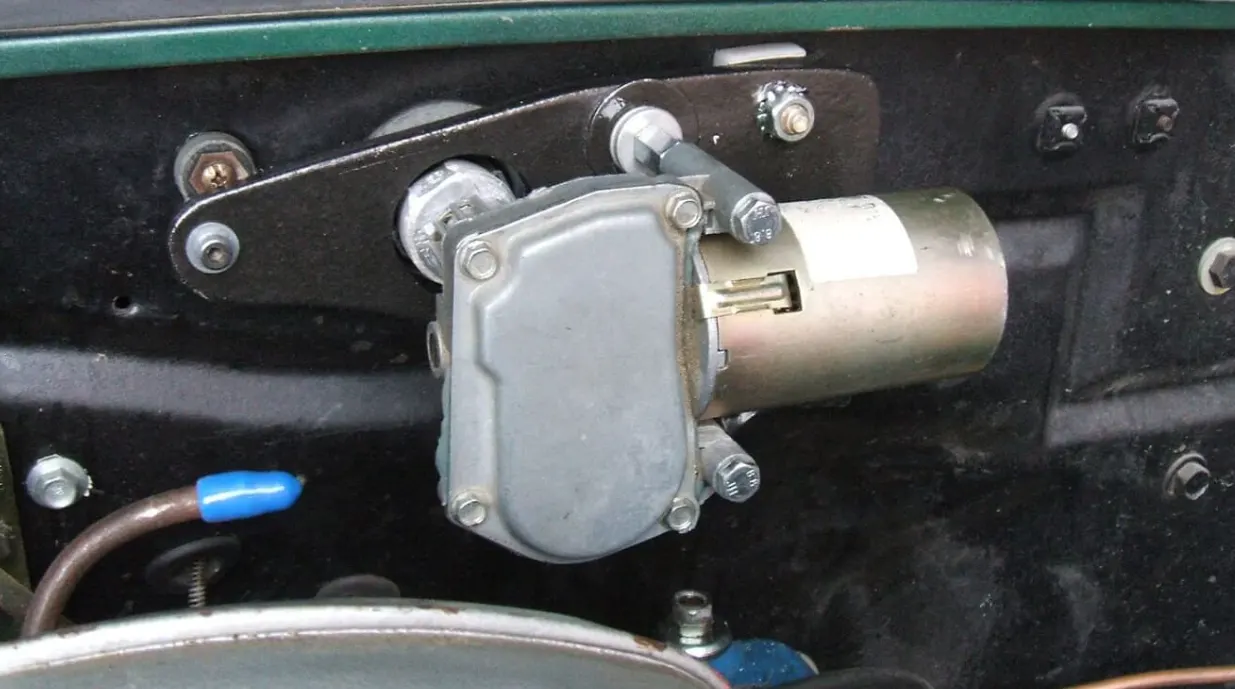
For The Reason For Windshield Wipers To Operate Effectively And Dependably In Automobile Systems, Wiper Motors Are Necessary Components. These Motors Are Essential To Provide Drivers With Good Sight In A Variety Of Weather Scenarios. The Purpose Of This Paper Is To Present An Overview Of Wiper Motors, Covering Their Varieties, Uses, And Functionality.
The Wiper Motors Are In Charge Of Propelling The Wiper Blades Over The Windshield In A Back-And-Forth Motion. The Major Purpose Is To Keep The Driver's Line Of Sight Clear By Clearing Away Rain, Snow, Dirt, And Other Debris. An Electric Motor, Usually Managed By A Switch Inside The Car, Powers The Wiper Motors.
LATCH AND STRIKER REINFORCEMENT
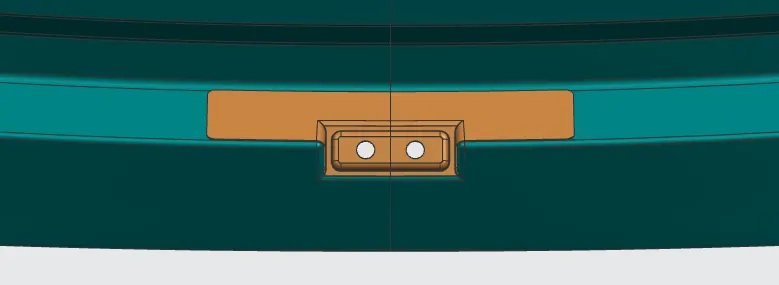
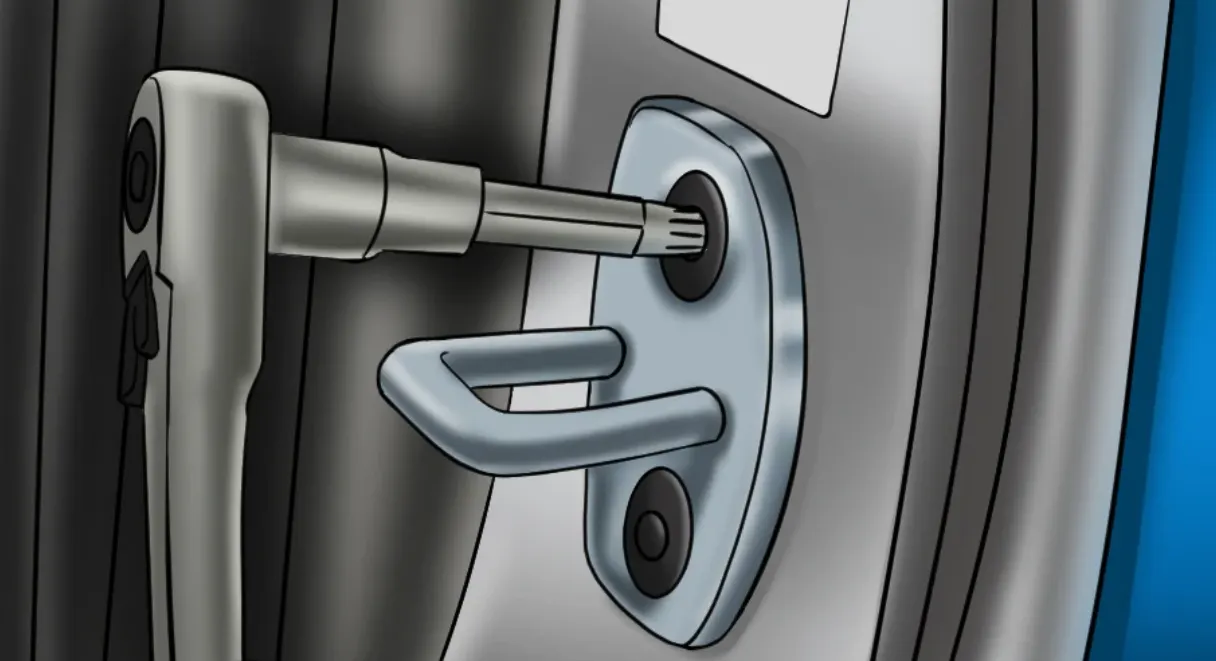
The Latch, Which Holds The Door Closed, Is Normally Located On The Inside Side Of The Rear Door Of An Automobile.
It Is Made Out Of A Spring-Loaded Device That Locks Onto The Striker To Stop The Door From Accidentally Opening.
The Latch Clicks Into Place With The Striker When The Rear Door Is Closed.
When The Latch Mechanism Contracts, The Striker Can Enter And Lock Firmly Into Position.
The User Pulls On An Exterior Or Interior Door Handle To Open The Back Door.
By Doing This, The Latch Is Released, Enabling The Door To Open And The Striker To Disengage.
HEMMING
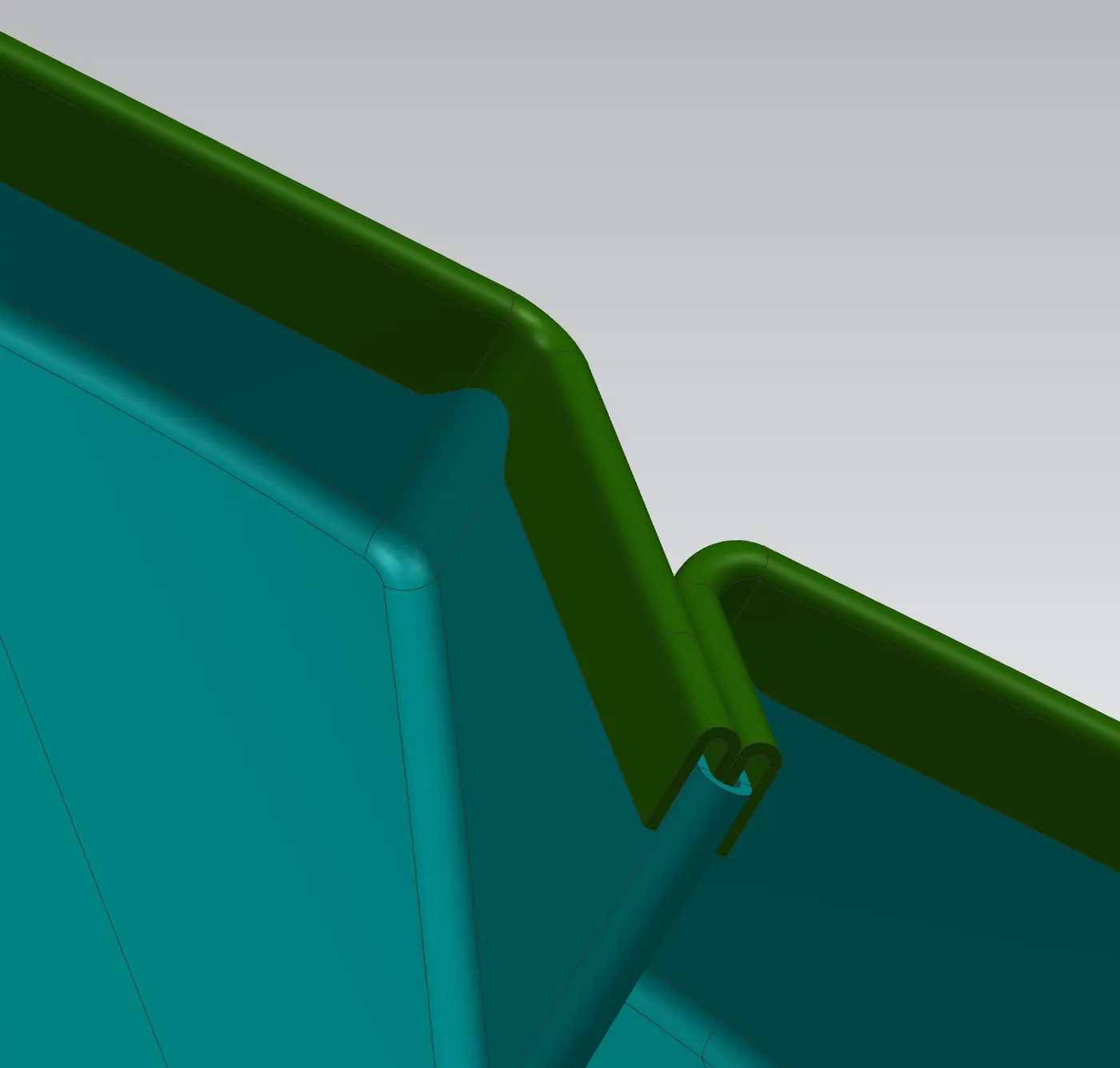
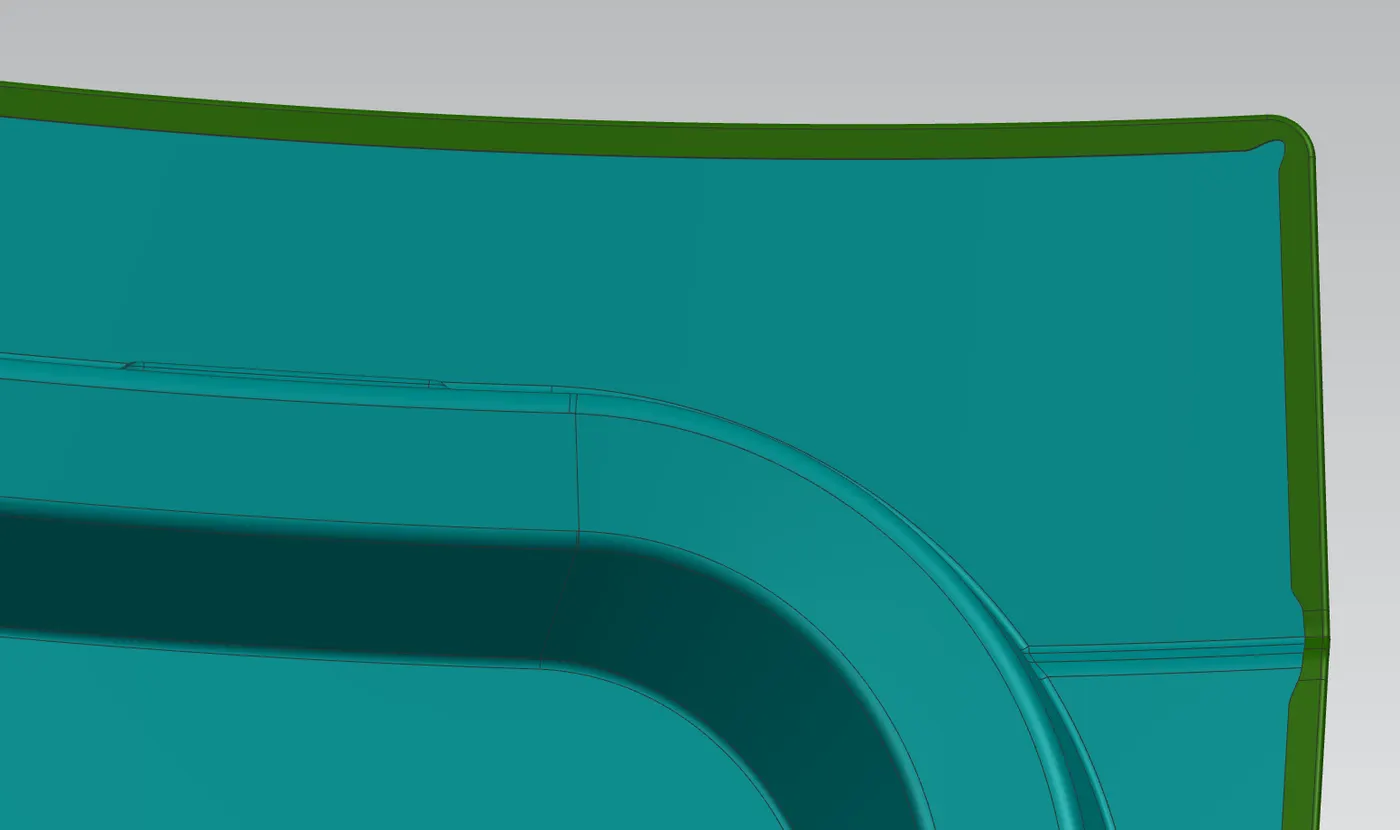
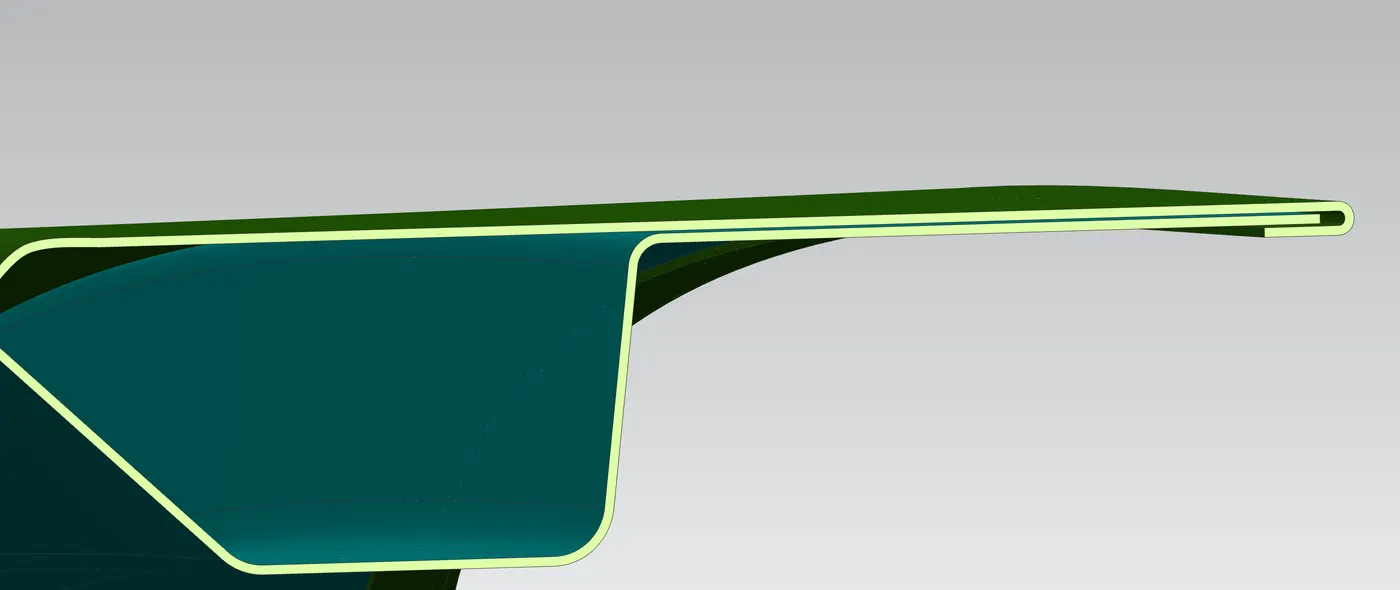
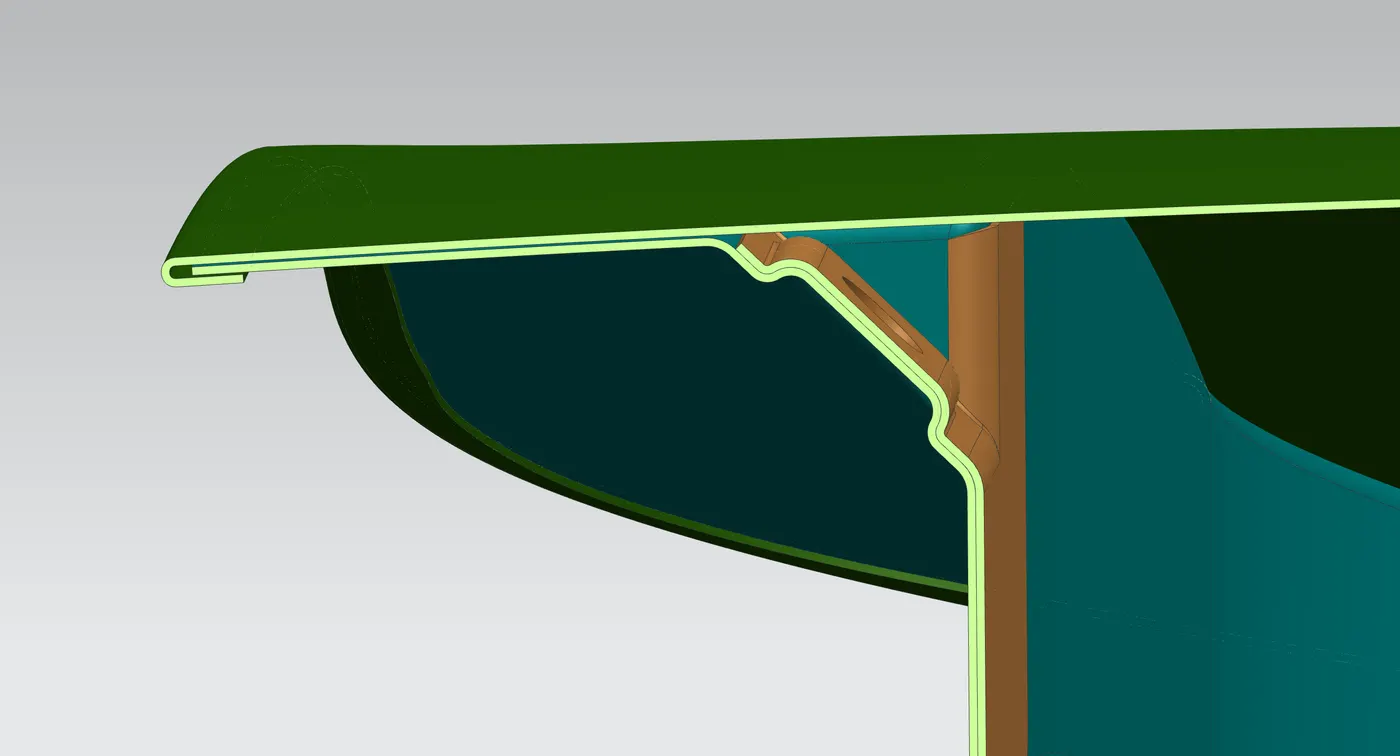
In The Metal Forming Process Known As Hemming, The Edges Of Metal Panels Are Folded And Bent To Make A Seamless, Strengthened Junction. Hemming Is Mostly Used In Automobile Rear Doors To Connect The Outer And Inner Panels, Improving Structural Stability And Giving The Door A Polished Look.
To Form A Neat, Strengthened Edge, The Outer Panel Of The Car Rear Door Is Often Folded Over The Inner Panel.
This Procedure Enhances The Door's Overall Strength And Rigidity In Addition To Its Appearance.
DRAFT ANALYSIS
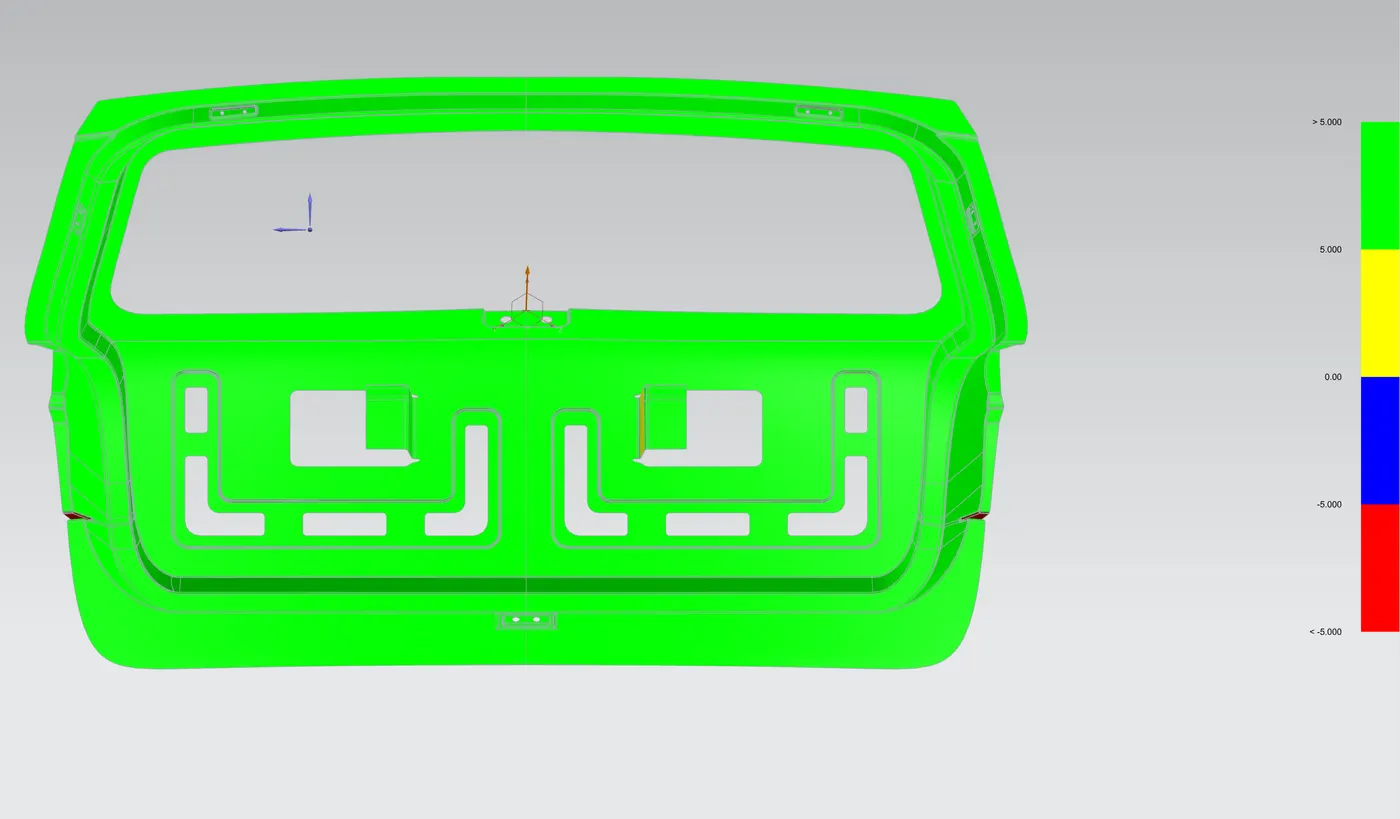
Examining The Taper Or Slope That Is Applied To A Surface During The Design Or Manufacturing Process Is Called Draft Analysis. Draft Analysis Is Essential For Guaranteeing The Effectiveness Of The Manufacturing Process And The Operation Of The Finished Product When It Comes To Automobile Rear Doors.
When Creating Molds For Automotive Rear Door Fabrication, Draft Angles Are Quite Important. Sufficient Draft Angles Make It Easier To Remove The Completed Product From The Mold, Which Lowers The Possibility Of Flaws And Damage Happening When It's Being Extracted.
The Ability Of Manufacturing Various Components, Such As The Outer And Inner Panels Of Car Back Doors, Using The Selected Production Processes Is Ensured By Analyzing Their Draft Angles.