Design of backdoor
Back Door:
The back door of a car refers to the rear door or doors that provide access to the passenger compartment or cargo area. In most passenger cars, there are two back doors, one on the driver's side and one on the passenger's side. These doors typically swing open from the rear and are hinged at the back, allowing passengers to enter or exit the vehicle from the rear seating area.
The back doors may also have windows that can be rolled down or powered to open and close. In some car models, especially larger vehicles like SUVs or minivans, there may be additional back doors, such as a rear hatch or tailgate, that provide access to the cargo area. These types of back doors are typically hinged at the top or bottom and can be opened vertically or horizontally.
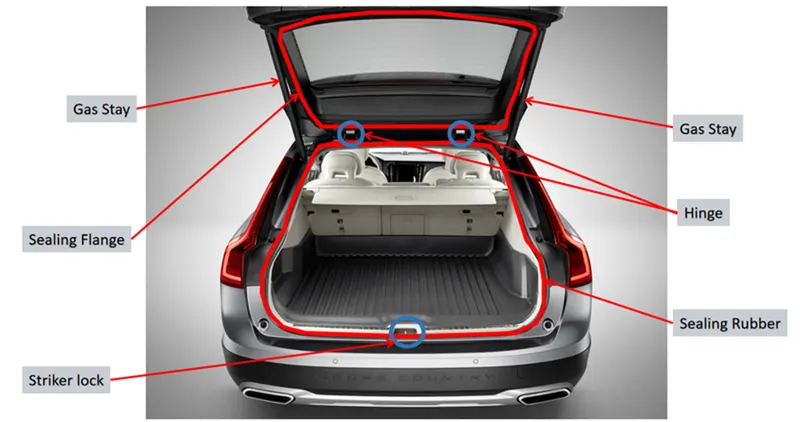
Types of Back doors,
1.Conventional Doors:
These are the most common type of back doors found in cars. They are hinged at the back and swing open horizontally. Conventional doors can be found on both the driver's side and passenger's side of the vehicle.
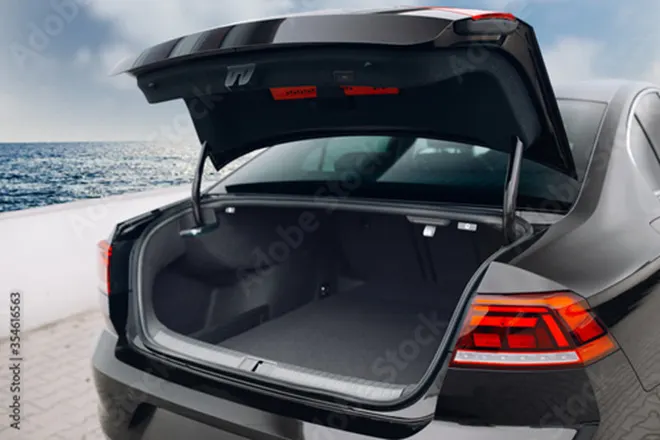
2.Rear-hinged door:
It is also known as "coach doors," or suicide doors open in the opposite direction compared to conventional doors. They are hinged at the rear and swing open from the back of the vehicle. Historically, suicide doors were more common, but they are now seen less frequently due to safety concerns. Some modern luxury cars, however, still feature suicide doors for stylistic or nostalgic purposes.
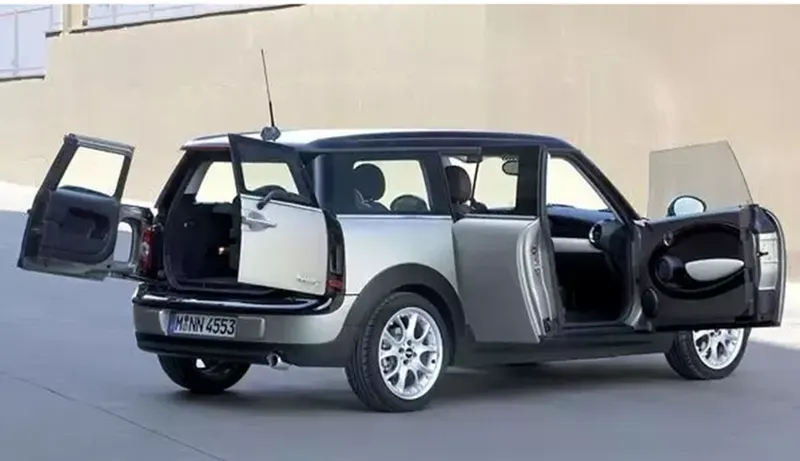
3. Hatchback Doors:
Hatchback cars have a single back door that combines the rear window and the trunk or cargo area opening. The hatchback door is hinged at the top or bottom and opens upward, providing access to both the rear seating and cargo area. This type of door is popular in smaller cars and compact hatchbacks.
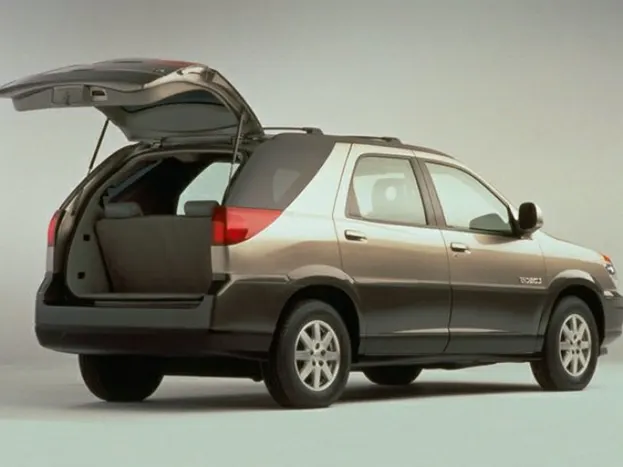
4. Bottom-mounted doors:
A bottom-mounted car tailgate, also known as a drop-down tailgate, is a type of rear door commonly found in pickup trucks and some SUVs. It is hinged at the bottom and swings downward to provide access to the cargo area.The bottom-mounted tailgate typically consists of a single piece that folds down from the rear of the vehicle. When closed, it forms the rear end of the cargo area, enclosing and securing the items inside.
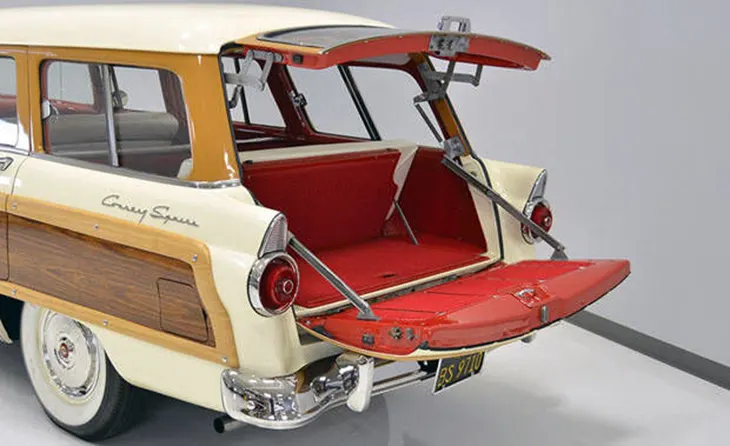
Components in back door,
- Outer panel
- Inner panel
- Hinges
- Latch, striker and handle
- Window class and
- Weatherstripping
- Wiring and Electrical Components
- Safety Features
Checking of designed part manufacturing feasibility,
Draft,
Draft is an angle provided to the plastic part, which is used to eject or removes the material from the mold easily without any damages. Draft is a taper applied to the faces of the part that prevent them from being parallel to the motion of the mold opening.
Draft analysis,
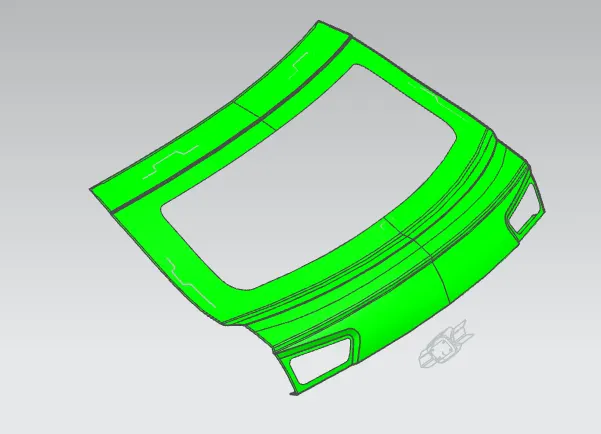
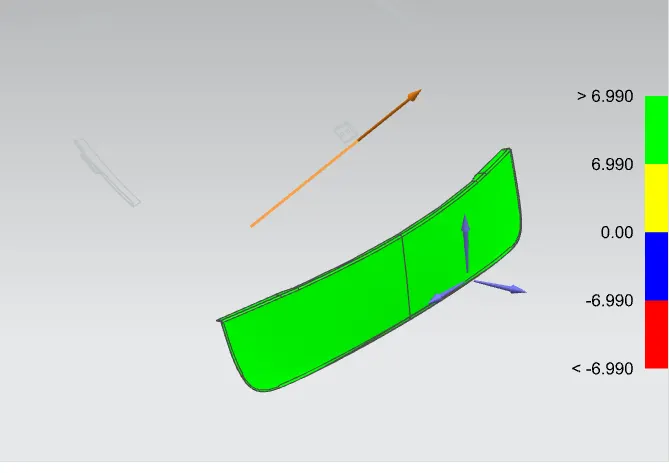
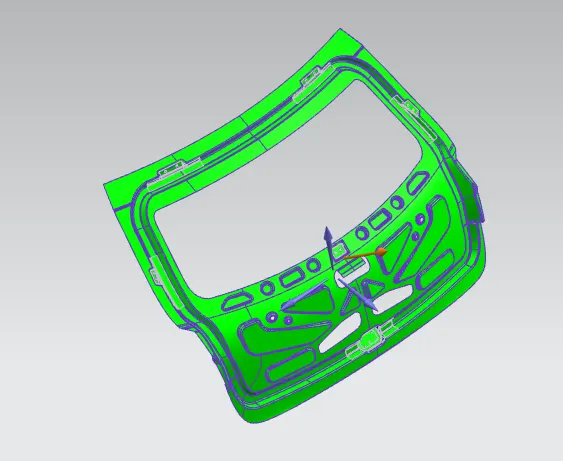
Draft analysis, which is used to find out the proper tooling axis of a plastic component. it is a technique used to analyze whether our part model created in CAD is manufacturable based on the draft condition applied.
Back_door_outer_upper_panel_draft_analysis_6.99 deg.
Back_door_outer_lower_panel_draft_analysis_6.99 deg.
Back_door_inner_panel_draft_analysis_6.99 deg.
Manufacturing steps;
Design and Engineering:
The process begins with the design and engineering of the car back door. This involves creating detailed drawings, specifications, and computer-aided design models that define the shape, dimensions, and features of the door.
Material Selection:
The choice of materials for the back door depends on factors such as strength, weight, cost, and design requirements. Common materials used include steel, aluminum, and various composites. The selected material is then procured and prepared for production.
Stamping & Forming:
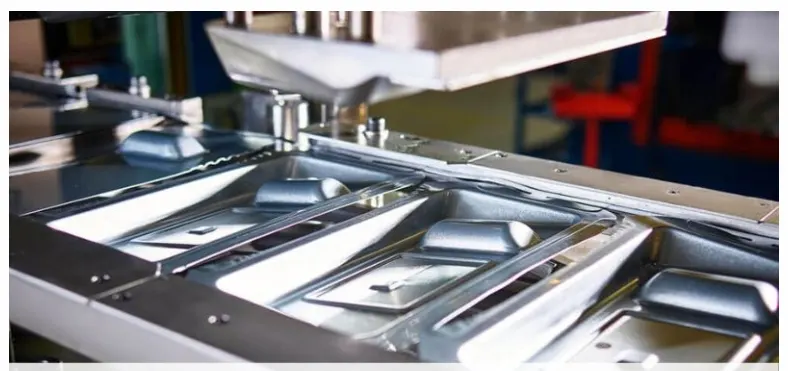
The metal sheets or panels are subjected to stamping and forming processes to give them the desired shape. Specialized machines and tools, such as hydraulic presses, are used to bend, stretch, and mold the metal sheets into the appropriate form for the back door.
Various components of the back door, such as hinges, latches, handles, glass, and weather stripping, are assembled. This process often involves welding, riveting, adhesive bonding, or other joining techniques to securely attach the components to the door structure.
Major Steps, what i followed to design the back door,
1. Given outer panel skin repairing can be done by, deleting some region of surfaces and filling with studio surface tool.
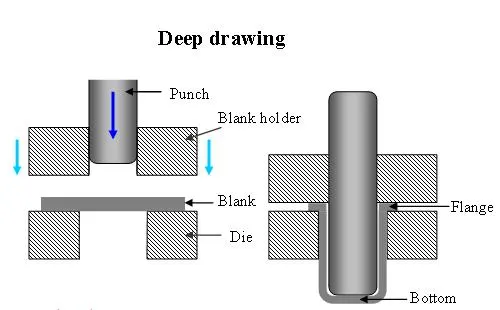
2. Appropriate offseting the outer panel the sealing flange has generated. the flange can be produced by deep drawing process.
Deep drawing is a sheet metal forming process in which a sheet metal blank is radially drawn into a forming die by the mechanical action of a punch. It is thus a shape transformation process with material retention. The process is considered "deep" drawing when the depth of the drawn part exceeds its diameter.
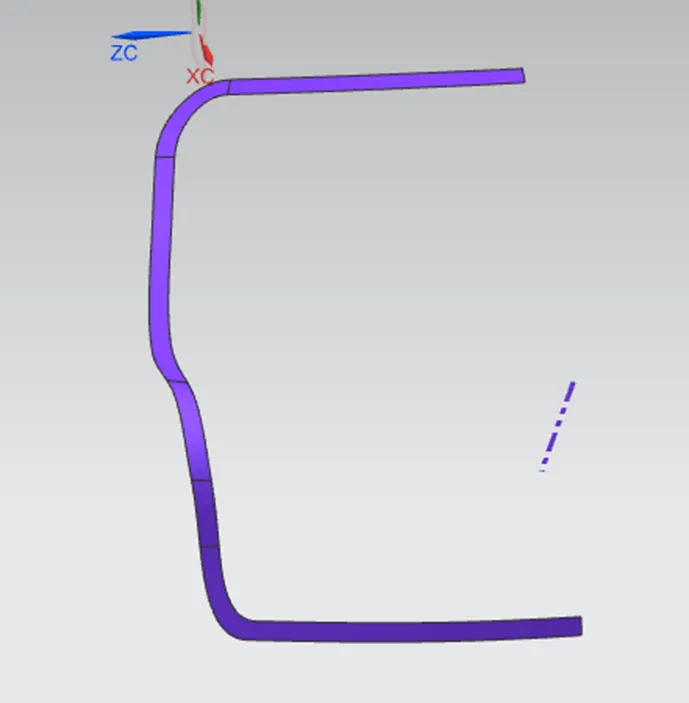
3. Creating the connecting flange,
The Law extension tool used against the sealing flange the conneting flange were generated,
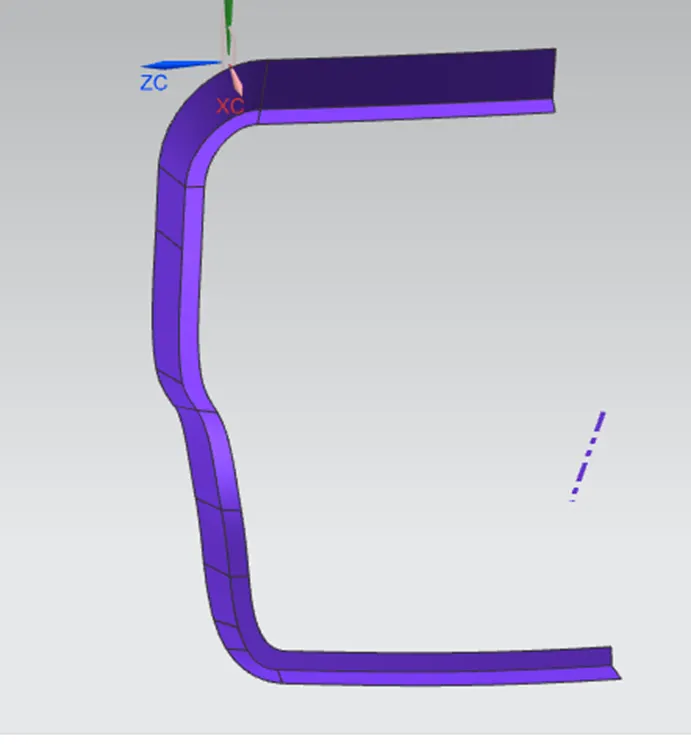
Trim and extended surface,
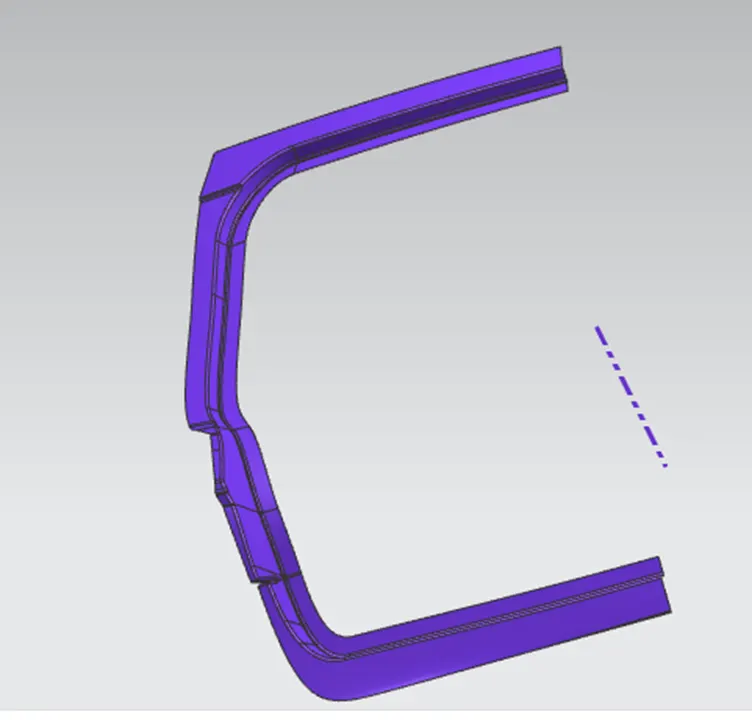
4. Winshield area and its down portion,
The studio surface tool used to produce very fine smooth surface (without patches) by giving the appropriate guide curves. And gives a fine mirror geometry results.
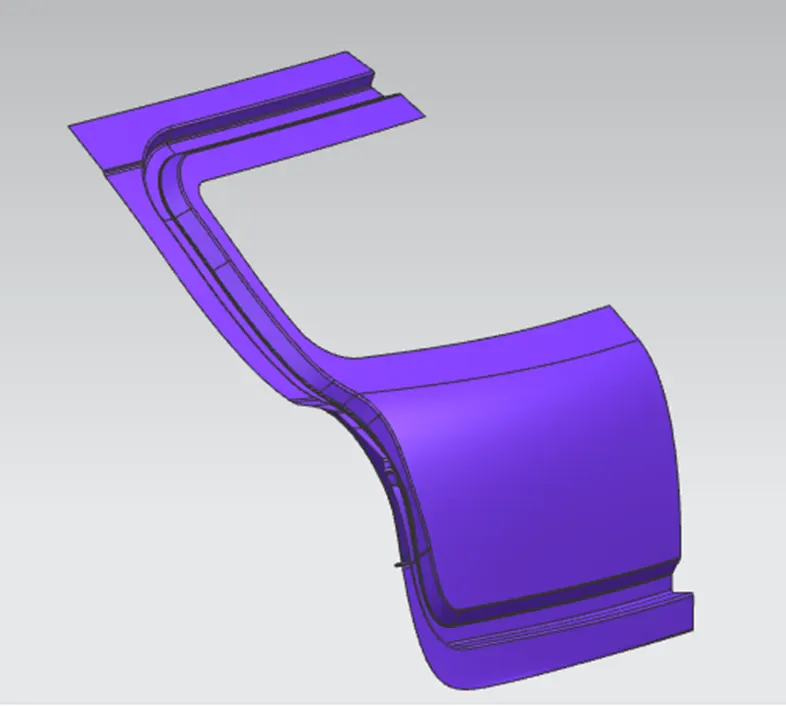
5. Embosses and cutouts,
Embosses are provided some 2 to 4 mm of depths to enhance the surface strength. Embosses can be produced by stamping process while manufacturing, Stamping is also called pressing involves placing flat sheet metal, in either coil or blank form, into a stamping press. In the press, a tool and die surface form the metal into the desired shape. Punching, blanking, bending, coining, embossing, and flanging are all stamping techniques used to shape the metal.
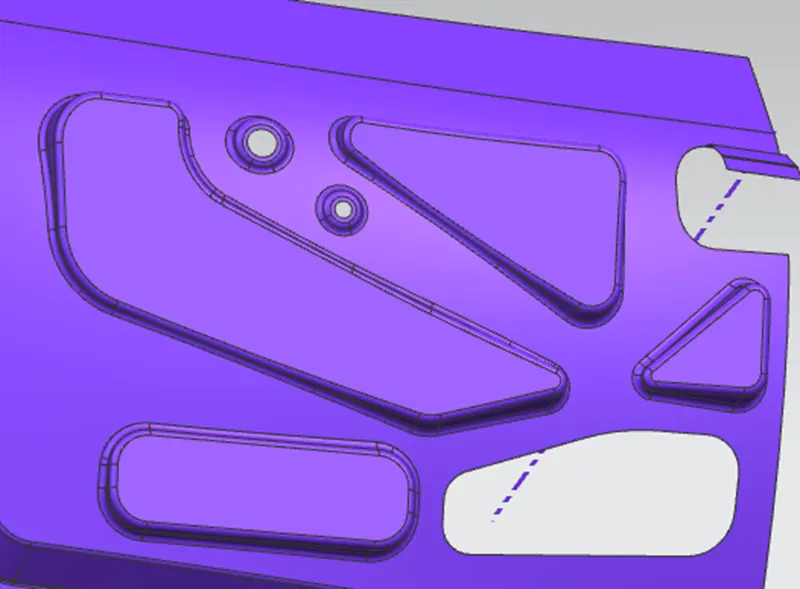
6. Flat mountings,
Back door has its components of hinge, gas stay, striker, wiper motor. These components can be fixed in the inner back door panel and it needs a flat mounting surface for placing.
Gas stay mount,
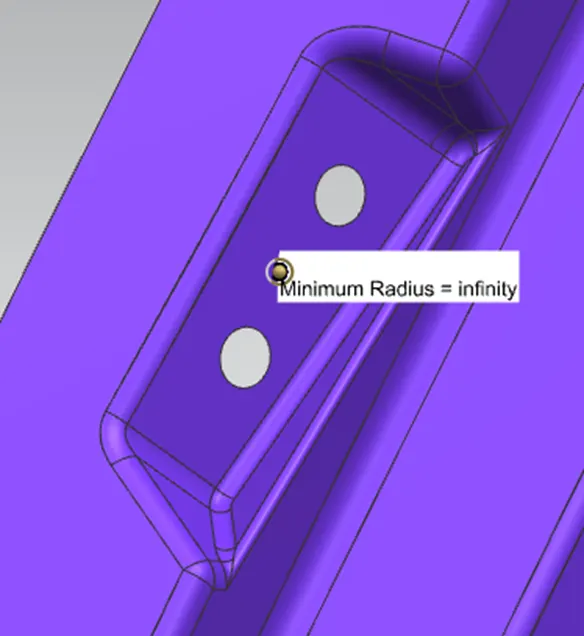
Striker mount,
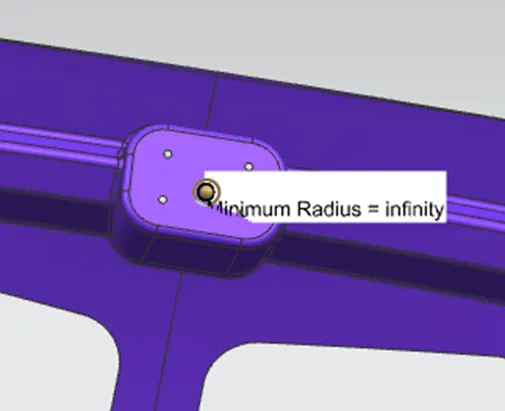
7. Striker mount creation,
Based on trajectory circle and the hinge axis the striker mount has placed
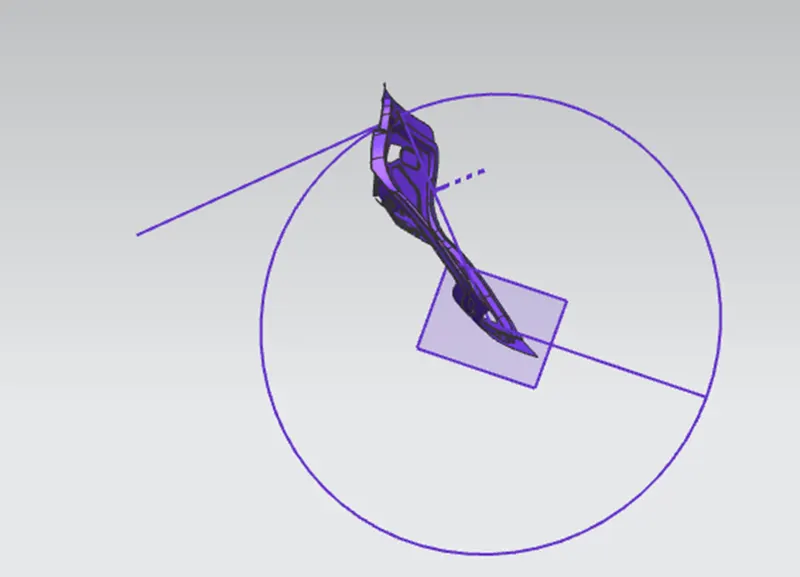
Striker,
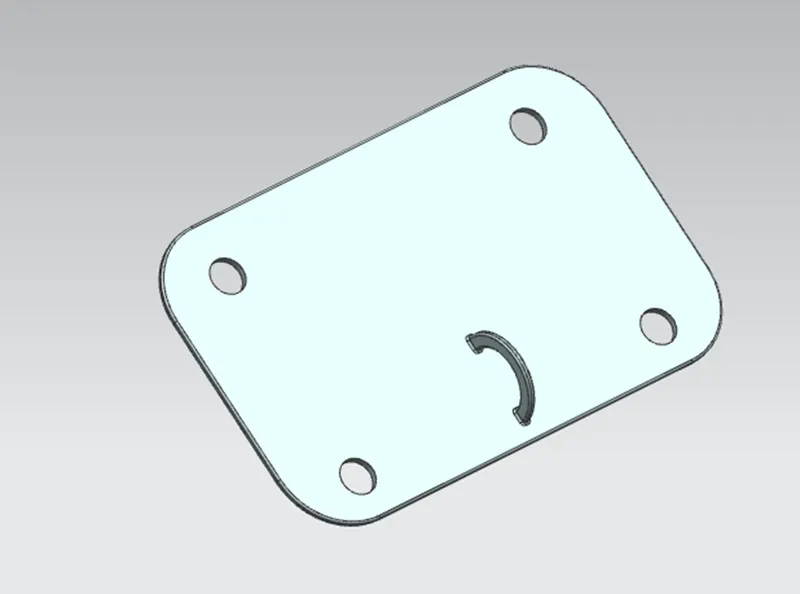
8. Sharp corners are properly removed by using edge blends and somewhere used face blend tool.
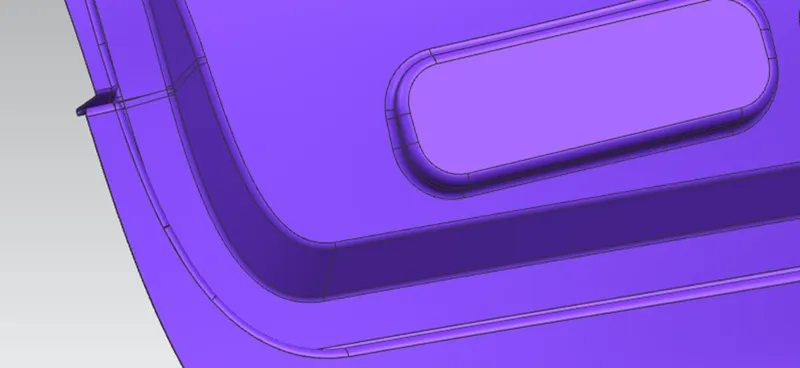
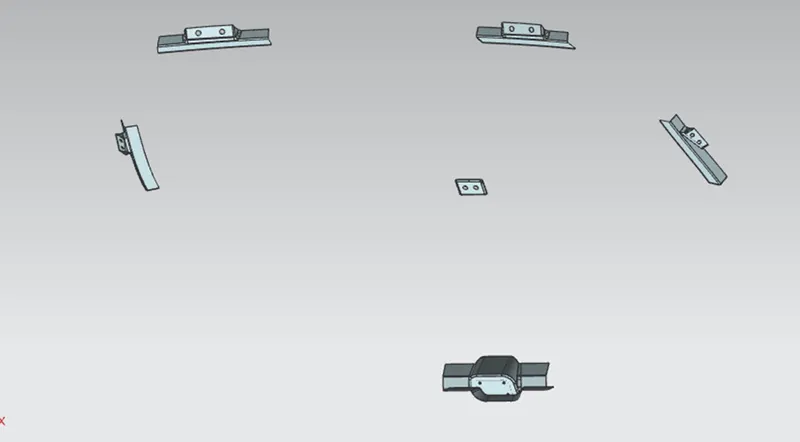
9. Reinforcements,
Actually component mounts placed on the flat face of embosses, which basically increases the surface strength. But due the mounting of the component, the surfaces which around the mountings are losing the strength. hence the reinforcements were introduced there. here i have given 1.5mm thickness for reinforcement.
10. Thicken and others,
Outer upper panel thickness = 0.75mm
Outer Lower panel thickness = 0.75mm
Inner panel thickness = 0.75mm
Mastic area distance from outer upper panel = 5mm
Maintained Spot weld gap distance = 0.2mm
After surface thicken,
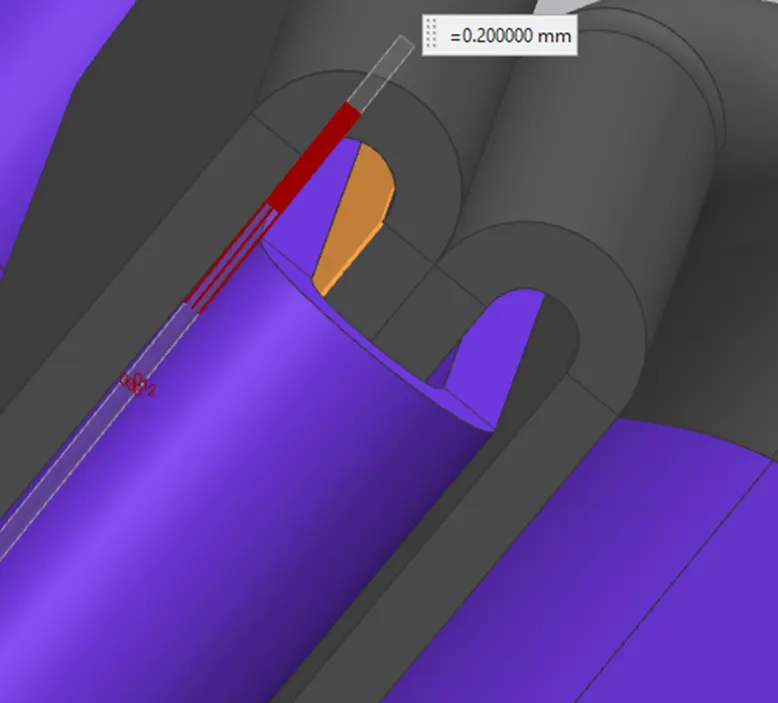
11. Hemming,
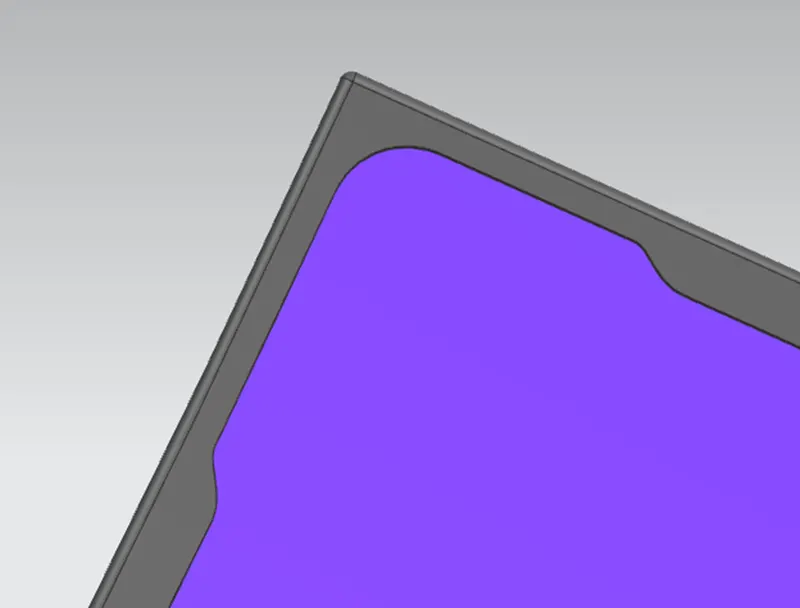
It is the joining process, 6mm of hem flange provided at the back side of inner panel,
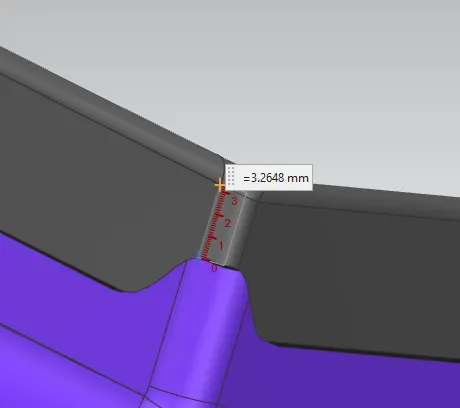
hem reliefs of 3mm surface maintained at the corners.
hem relief,
12. Final output,
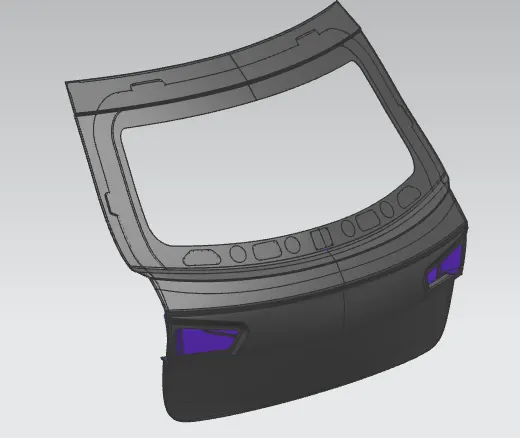
Inner panel with reinforcements,
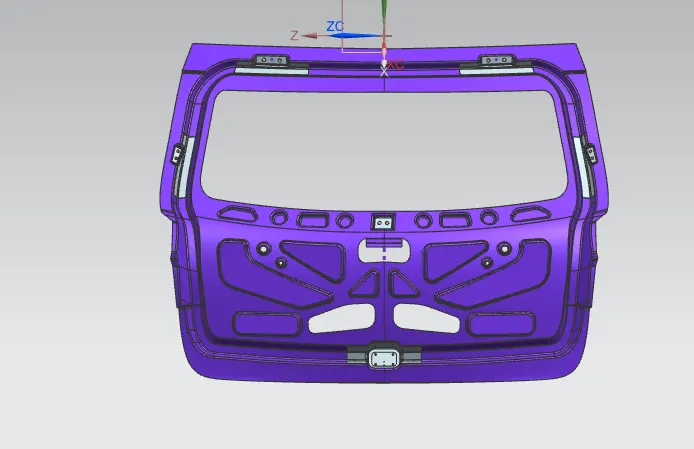
Views,
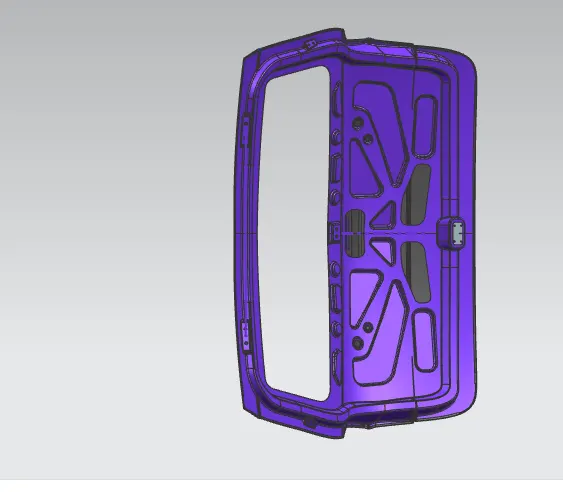
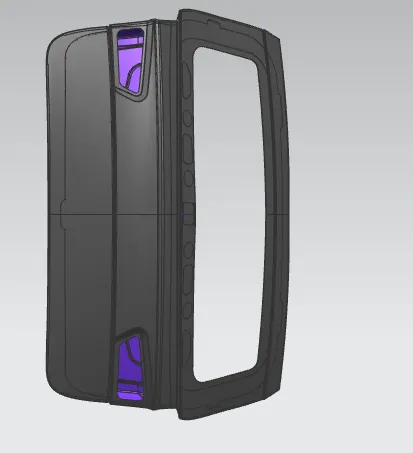
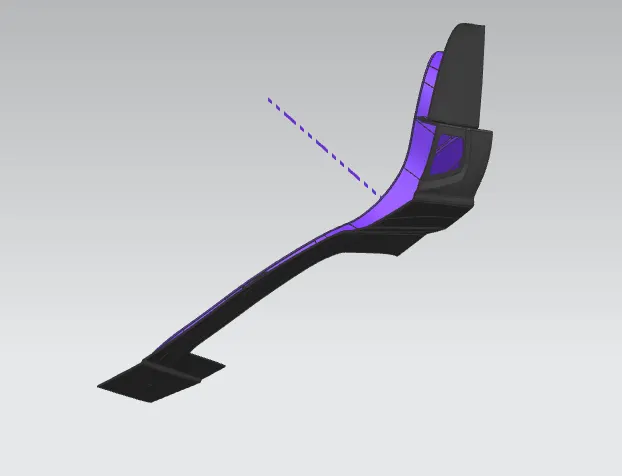
Conclusion,
Thus the back door has designed with the help of provided styling surface and provided necessary reinforcements, embosses and hemming.