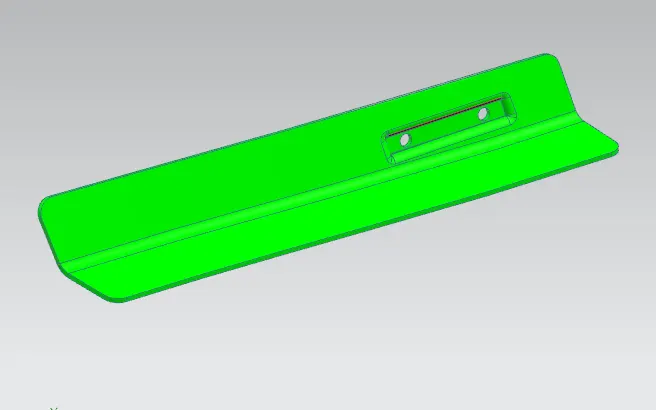
Design of backdoor
CAR BACK DOOR DESIGN
Aim: To design back door of car using given outer class 'A' surface.
What is back door of a car?
a door on a car's backside that provides access to the boot, where passengers can keep their belongings and spare tyres, among other things.
These doors have both manual and electric operation options. The majority of luxury cars have electrically actuated doors.
Types of doors based on working position,
- Top Mounted Door
- Side mounted Door
- Bottom Door
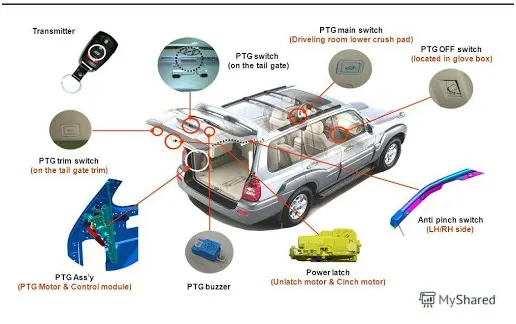
Gas Stay Powered:
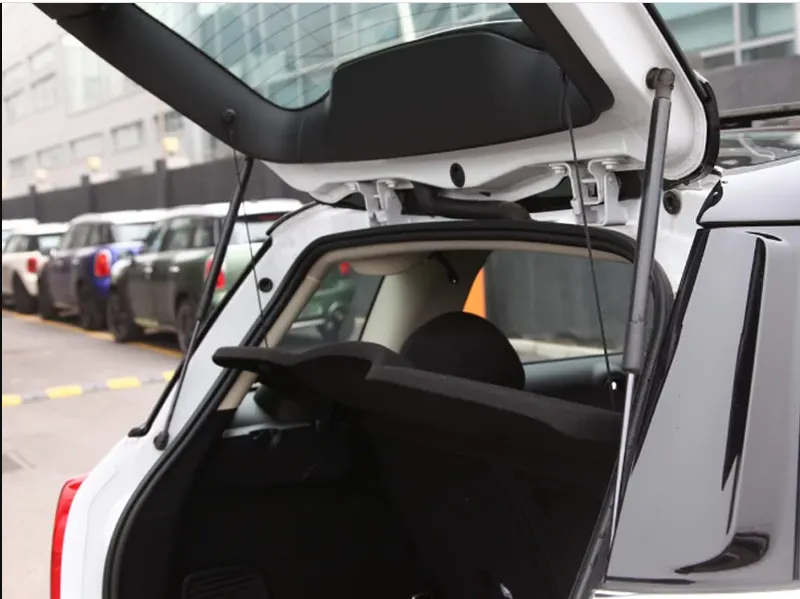
Electric Operated:

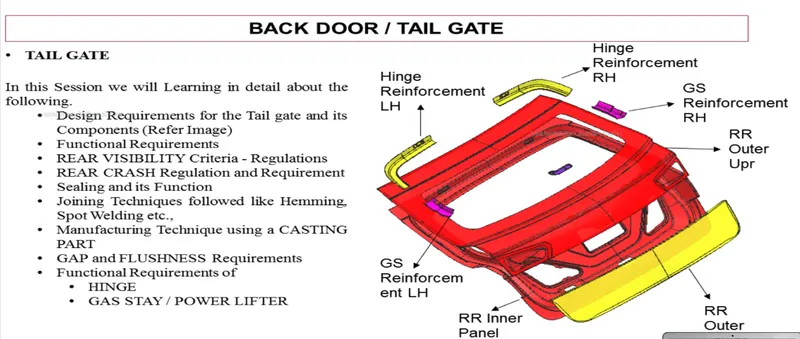
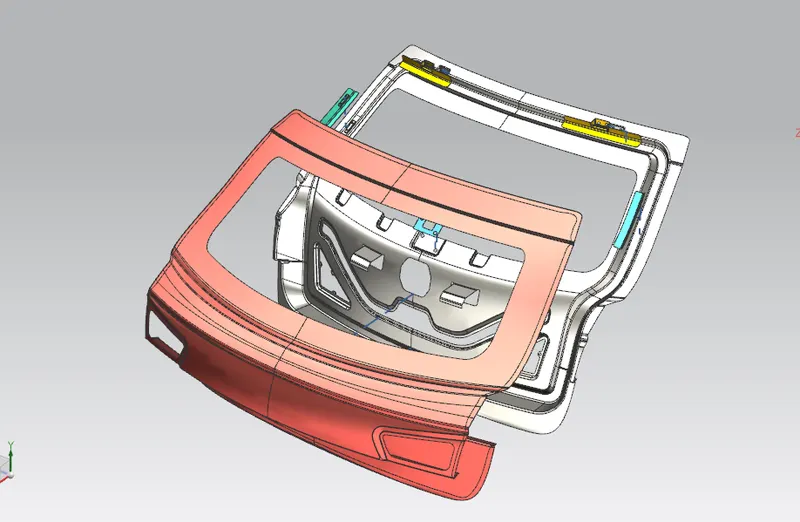
Back Door Assembly:
- Inner panel
- outer panel
- hinge and its reinforcement
- wiper motor reinforcement
- latch & stricker and its reinforcement
Different Sheetmetal processes used for manufacturing the Back Door
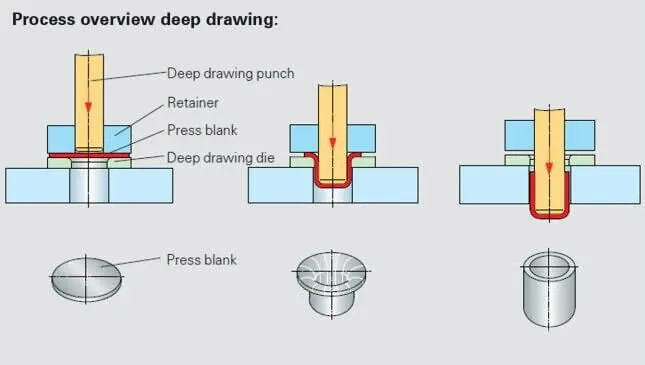
Deep Drawing:
Cups, cans, and other deep drawn goods can be produced with success using the metal deep drawing process. Deep drawings can be divided into two basic types.
- The metal blank is placed on the die and made contact with the punch during the first stage of drawing. When the metal specimen is a flat piece of sheet metal, it is employed in the product's shaping and finishing. The punch starts out by moving downward. Pure radial drawing (drawing towards vertical axes) between the die and the blank metal is applied to the outer rim of the blank. The metal bent, slipped over the die, and was stretched between the die and the punch.
Redrawing: To create a cup shape in the die and punch, the components formed in the initial stage are redrew and given more depth. Redrawing is the name for the second phase of drawing.
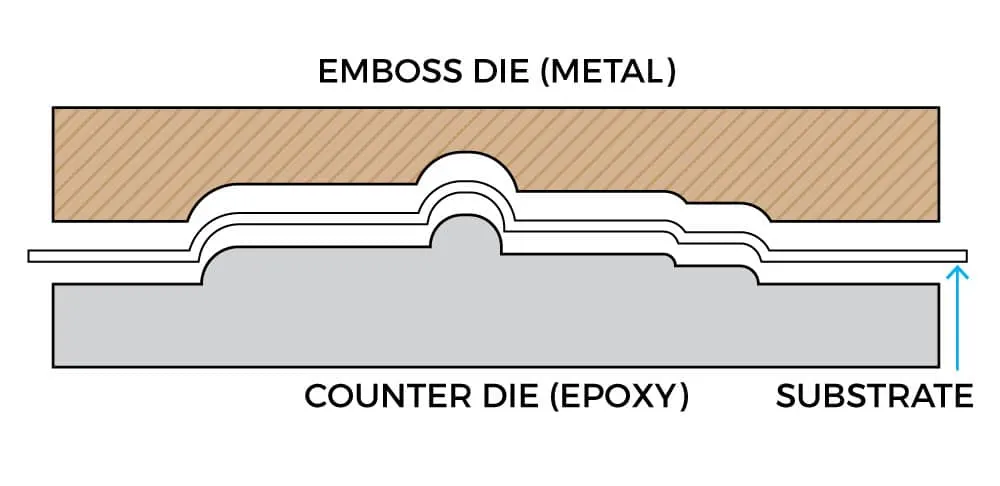
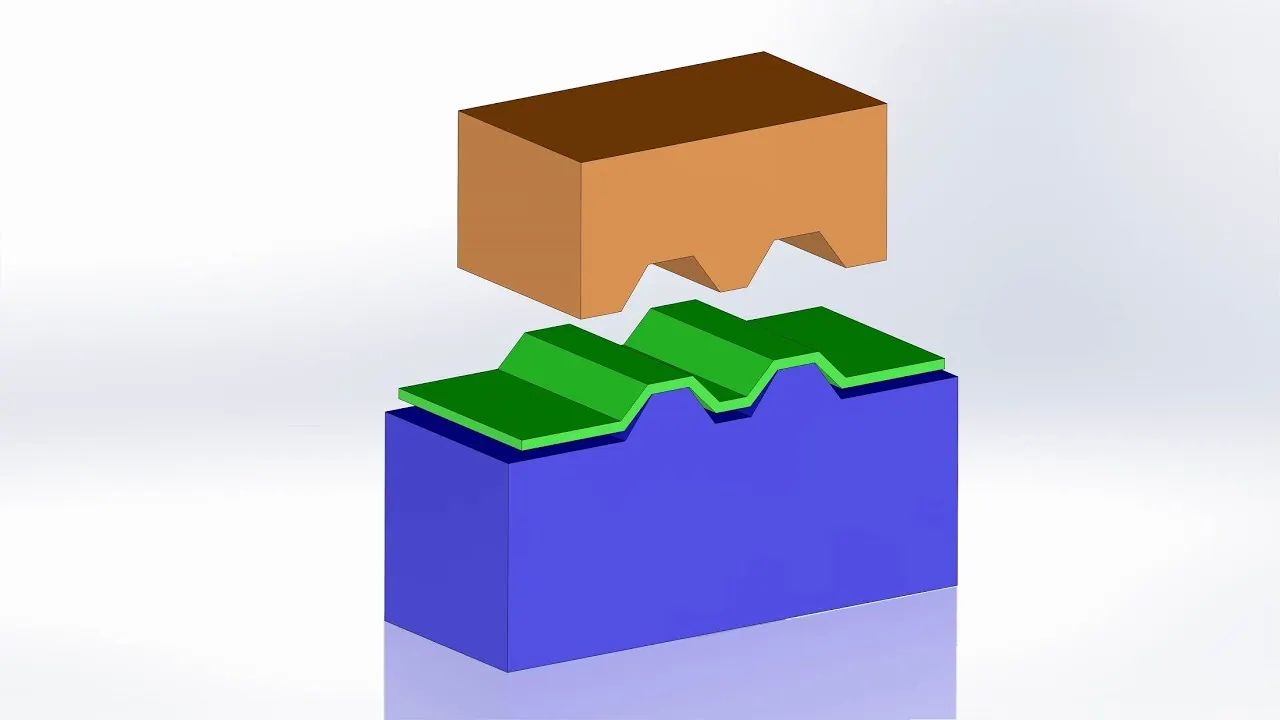
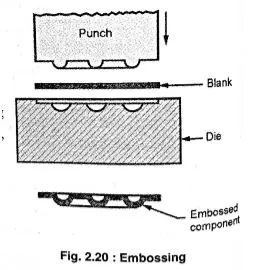
Embossing:
In theory, there is no change in metal thickness or bypassing of sheet or a strip of metal between rolls of the desired pattern when using matched male and female roller dies to create raised or sunken designs or relief in sheet materials.Metal sheet is produced with a pattern or design by drawing it through the male and female roller dies. Different designs can be created on the metal sheet depending on the roller dies used.
Materials commonly used in the metal embossing process include:
- Aluminum alloys
- Steel alloys
- Zinc
- Copper
- Galvanized steel
- Brass
- Cold rolled steel
Hemming:
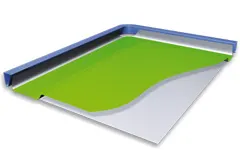
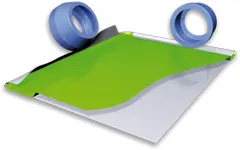
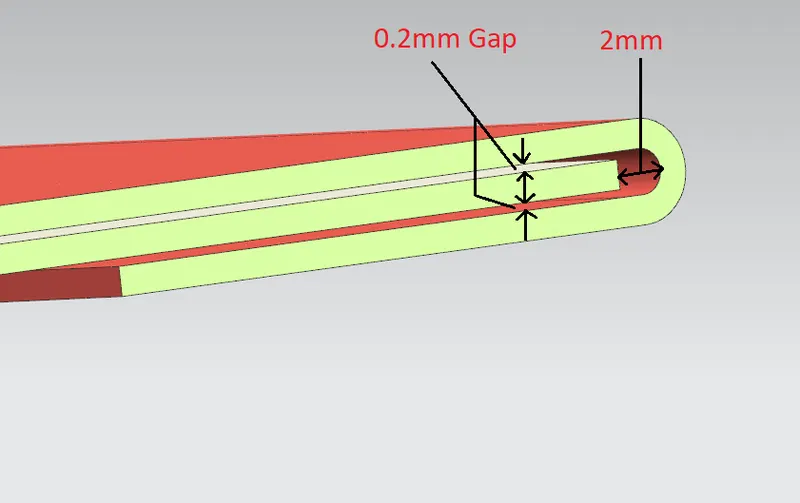
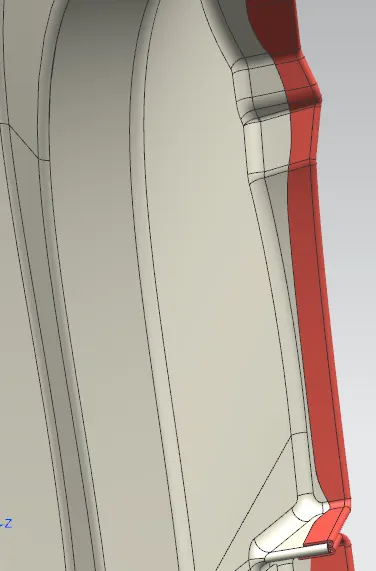
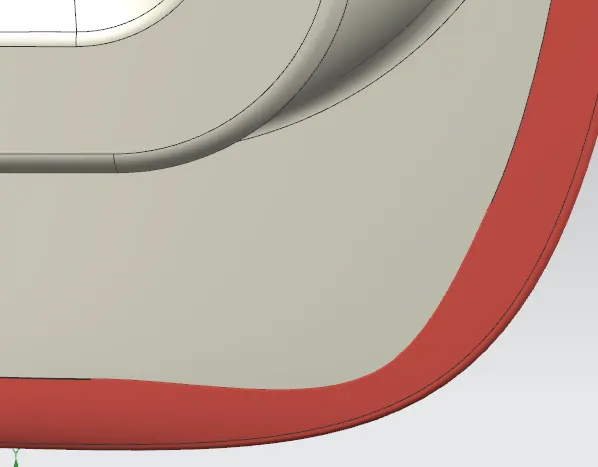
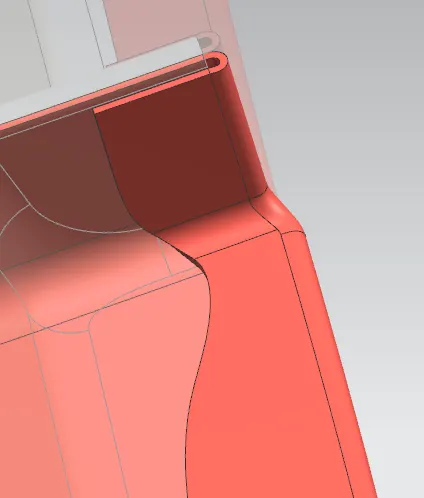
In order to obtain a tight fit, the sheet's edges are folded or folded over another area during the hemming process. Hemming procedures are typically used to join components together, to enhance a part's appearance, and to reinforce part edges.
Hemming is a secondary technique used in the assembly of automotive parts to link two sheet metal sections (the outer and inner) together after deep drawing, trimming, and flanging operations. For this kind of assembly, hoods, doors, trunk lids, and fenders are typical components.
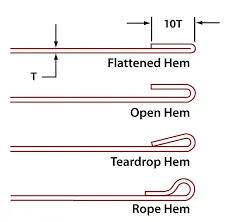
There are various types of hemming operations:
- Conventional die hemming: Hemming with a typical die involves folding the flange over the entire length of the material with a hemming tool.
- Roll hemming: In roll hemming, an industrial robot directs the hemming roller to make the flange.
Open Hem: A Hem has a full round feature and a return flange. In open hem bend angle is equal to 180 degrees.
Tear drop Hem: In tear drop hem the bend angle is greater than 180 degrees.
Closed Hem: Closed hems are hems without any inside radius. If the hem geometry is going to be painted or if SST or aluminium is being used, closed hems are not advised.
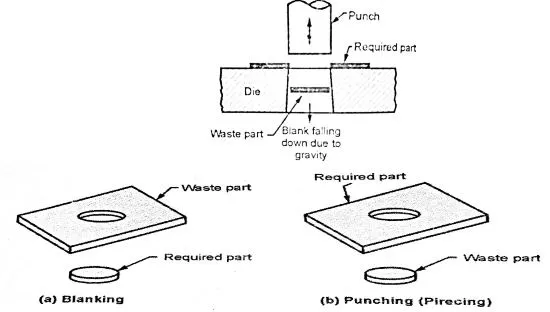
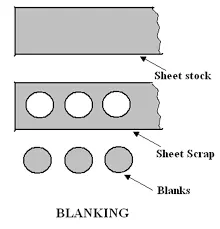
Blanking:
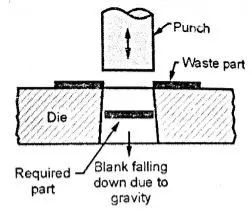
A flat metal sheet is blanked, and the product that is punched out is referred to as a blank.The operation's necessary output is blank, and the metal leftover is regarded as trash.
Punching:
It is comparable to blanking, with the primary distinction being that the hole is the necessary product and the material that is punched out of the hole is regarded as waste.
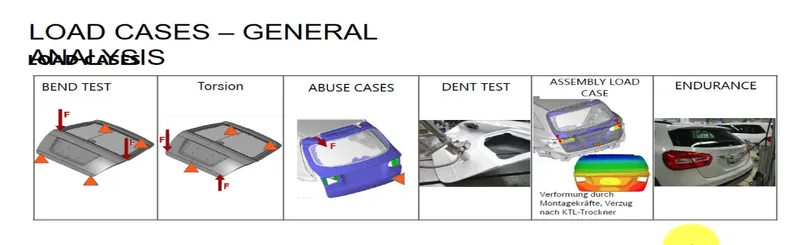
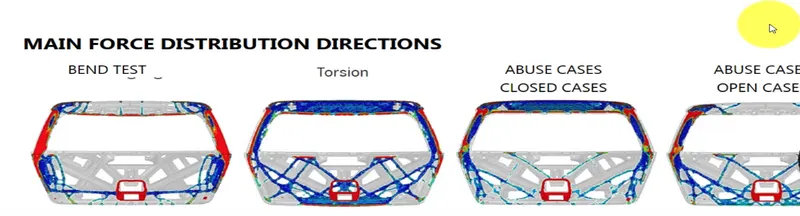
Door Test video link: https://www.youtube.com/watch?v=BcbBpNbziaU
Design of Back door in NX CAD:
Door parts thickness is given below,
- Outer Panel - 0.75 mm
- Inner Panel - 0.75 mm
- Reinforcements - 1.5 mm
Given Data,
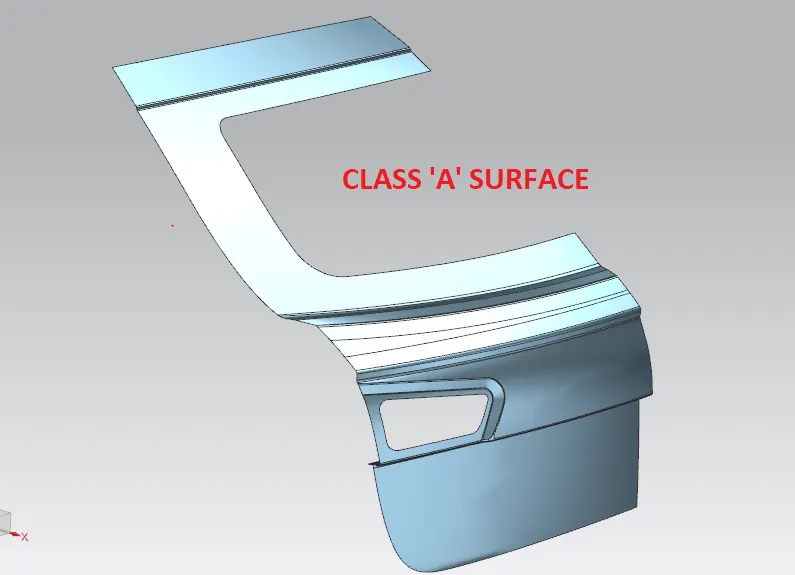
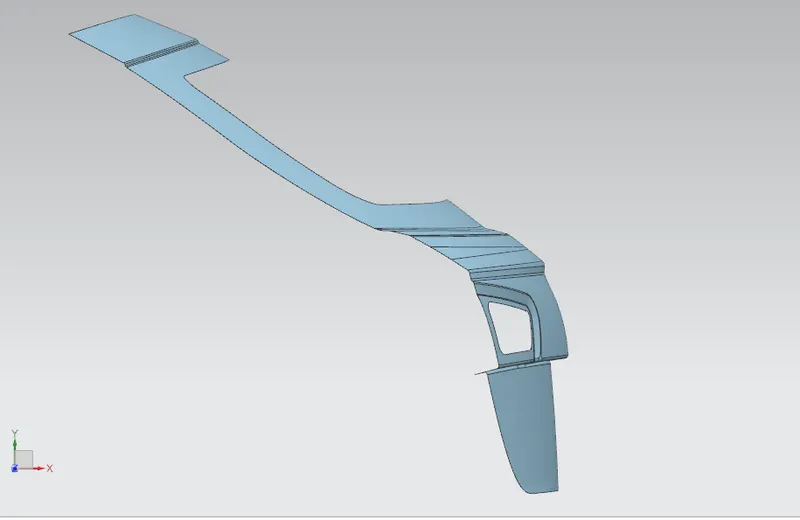
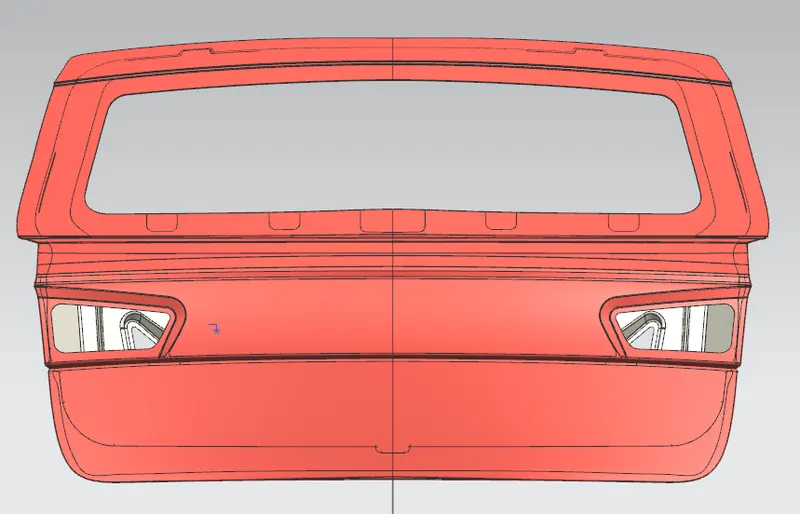
According to how smooth they are, the given surfaces need to be fixed. The door is separated into Door Outer Upper and Door Lower Panel once the surfaces have been repaired.
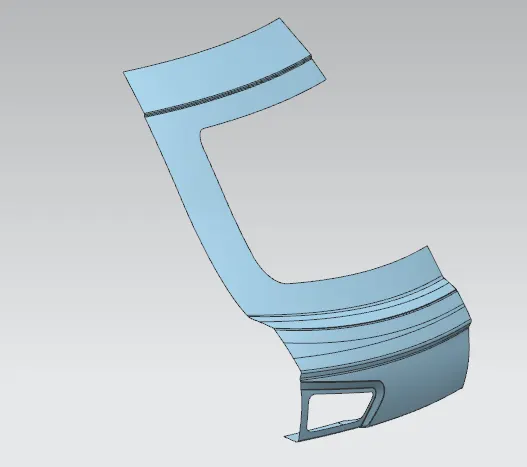
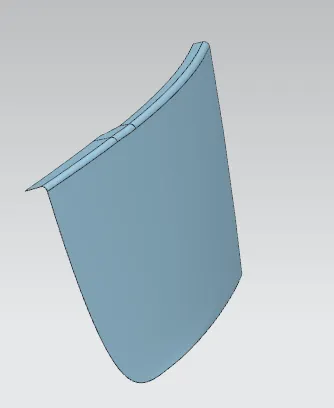
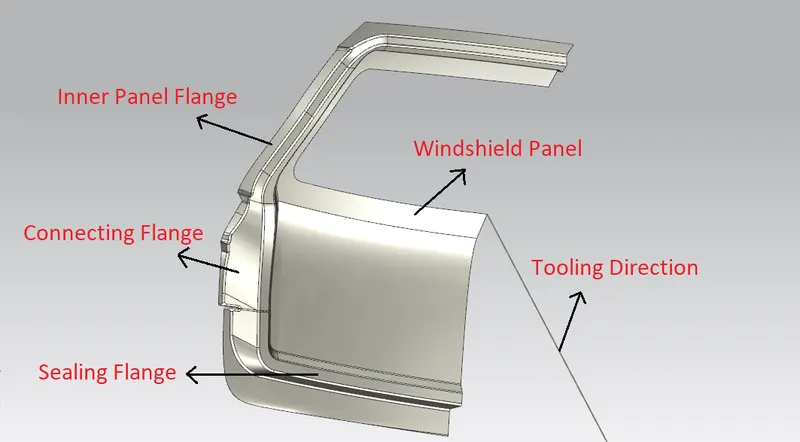
The tooling direction for the deep drawing procedure must first be created. It demonstrates how all processes, such as embossing, are carried out while taking this vector orientation into consideration, which will aid in the part's manufacture.
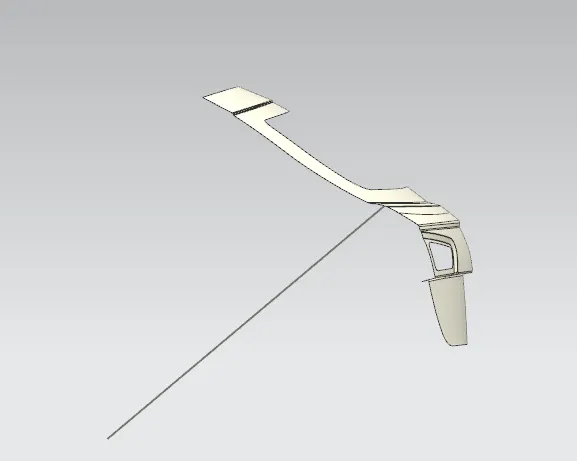
The outer panel must then be offset by a certain amount to create the sealing flange.
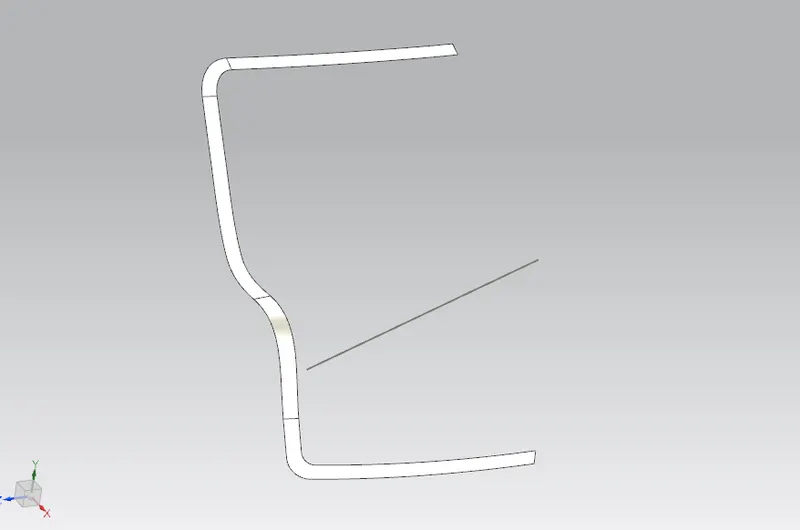
Then, taking into account the sheet thickness and thickening direction, we will offset the outside surface at a distance to create the Back door inner panel flange.
The connecting flange was then made to link the sealing flange to the inner panel.
After that, a windscreen panel is made and attached with a sealing flange in order to mount it.
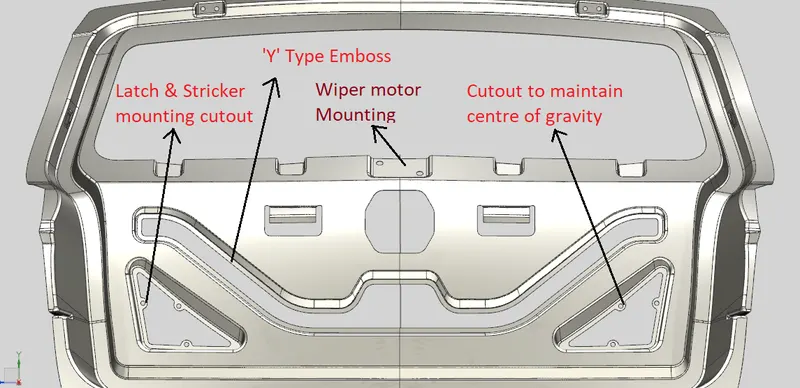
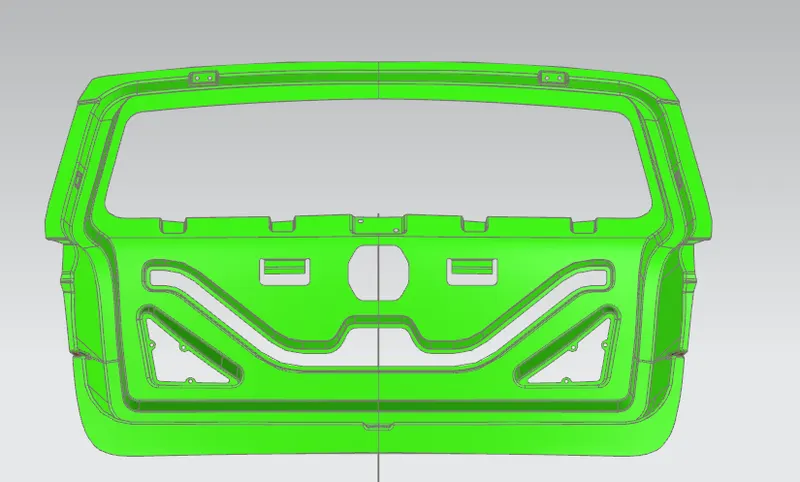
Then, 'Y' type emboss and other cut-outs are made to increase the inner panel's strength and decrease its weight. Additionally, mounting cut-outs for Latch and Stricker are constructed. To keep the Back door's centre of gravity in place, this cut-out is likewise made on the opposite side of the inner panel.
Another Emboss is created for Wiper motor mounting.
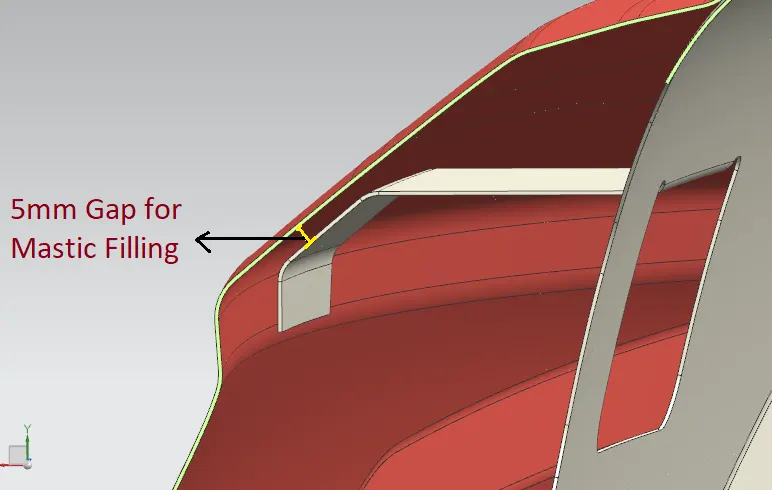
Another flange is created to reduce the vibration of door by joining the inner and outer panel with the help of Mastic sealant.
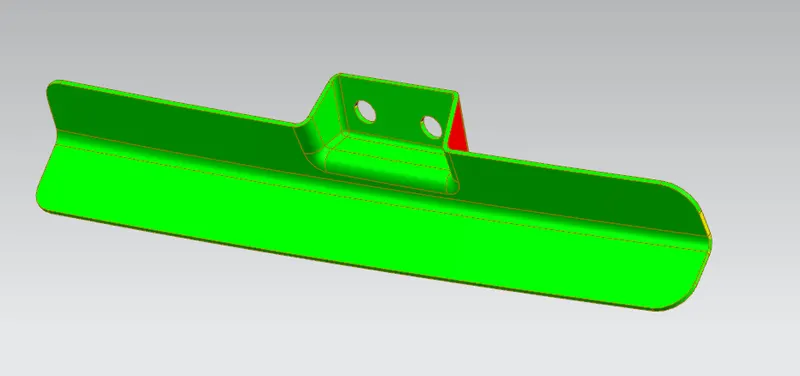
It is now time to put the vehicle's back door together. The door is opened and closed using hinges. We must design the emboss and include the proper reinforcements to withstand the load acting against it in order to boost the local area strength.
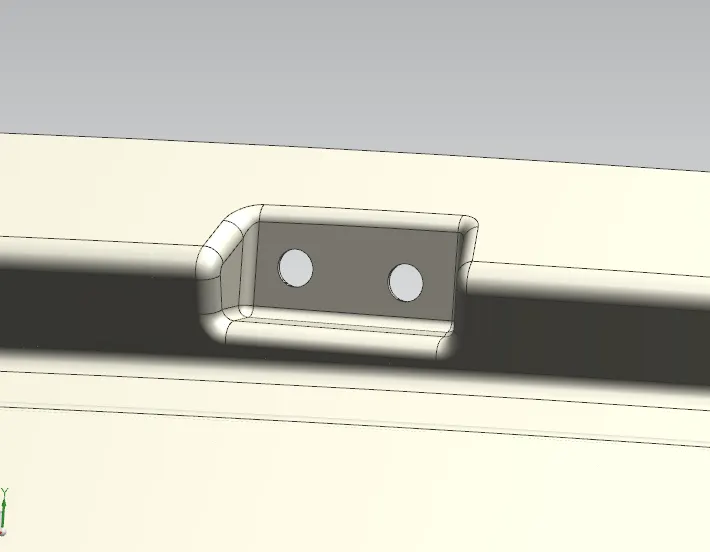
Hinge Reinforcement,
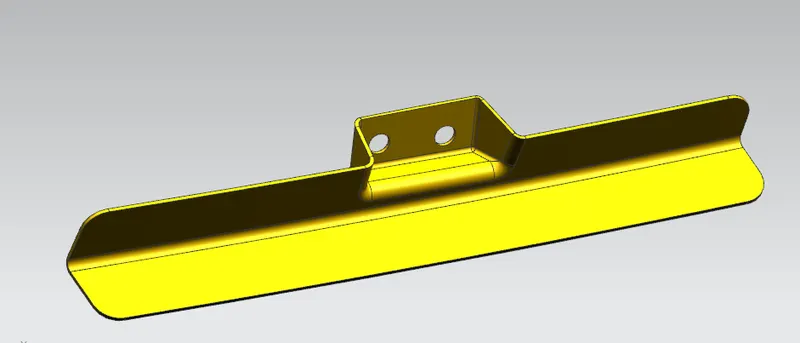
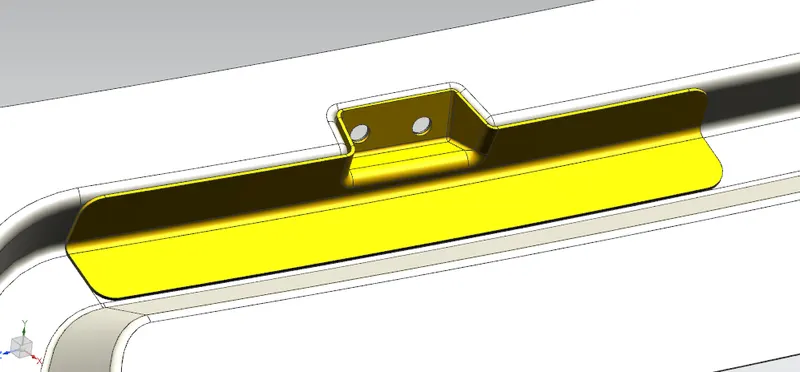
For positioning the Latch & Stricker, we have to create a trajectory passing through a midpoint of line/ axis of two hinge mounting holes,
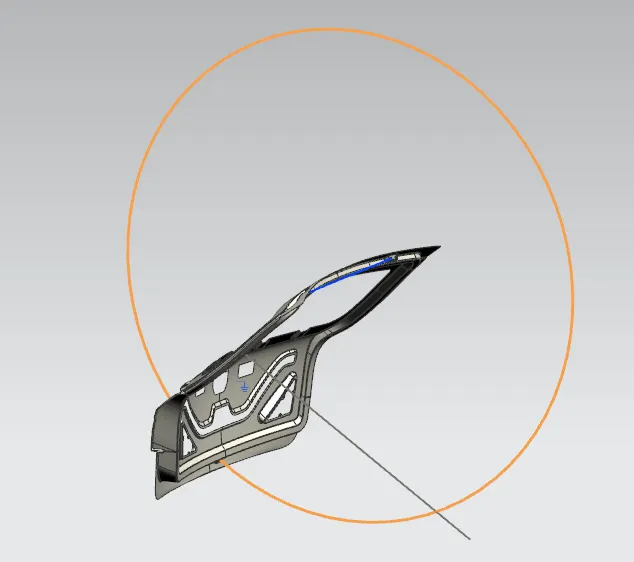
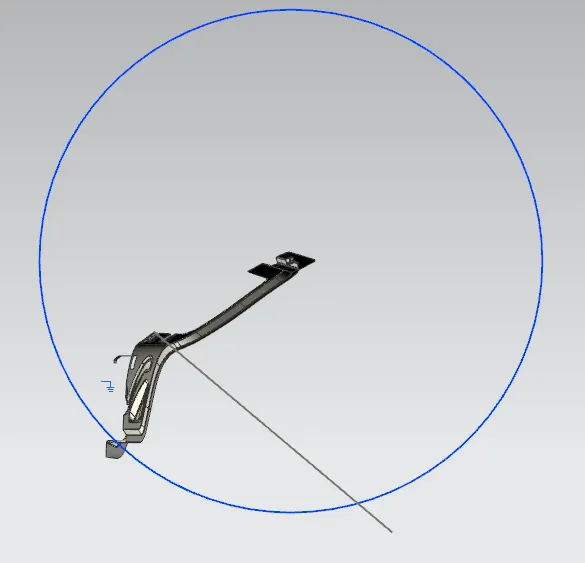
Latch & Stricker Emboss,
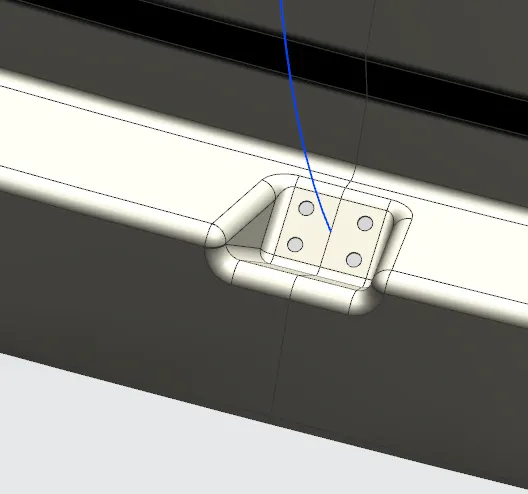
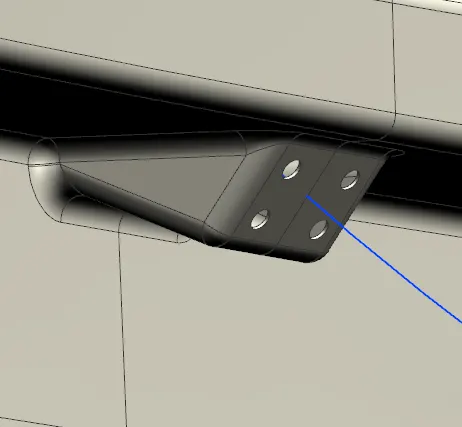
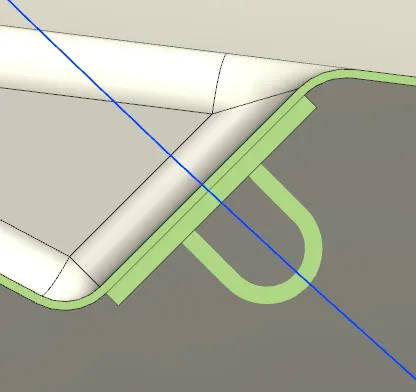
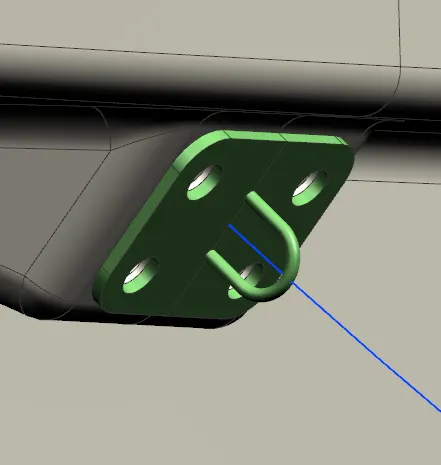
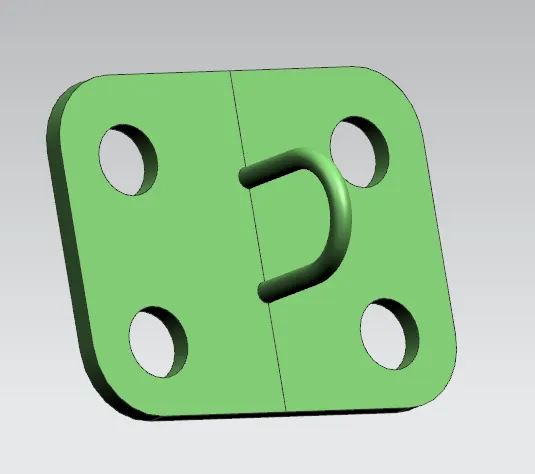
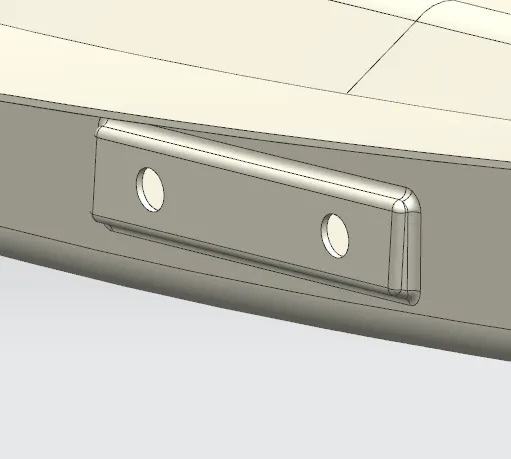
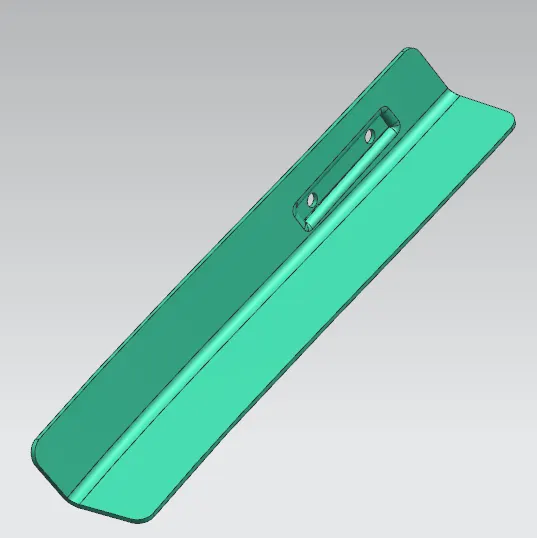
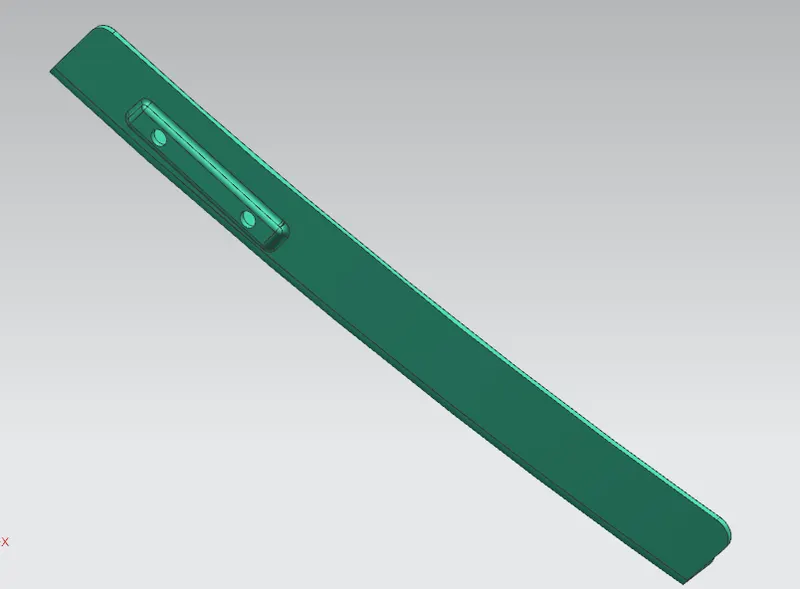
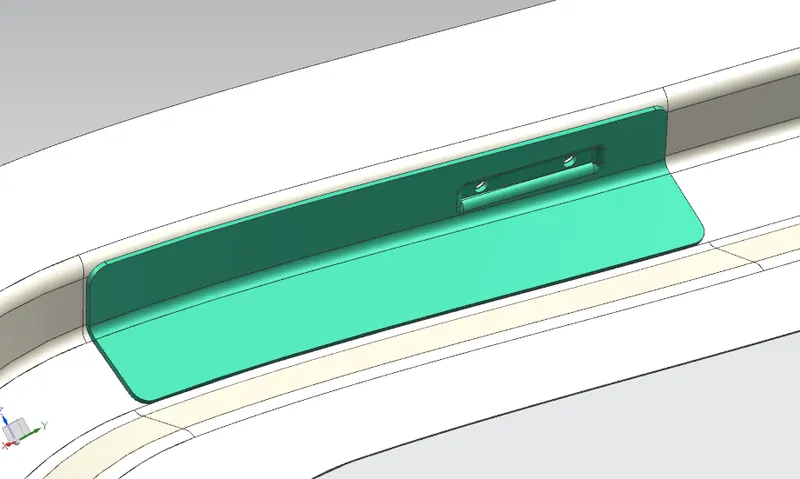
Gas Stay Emboss and Reinforcement,
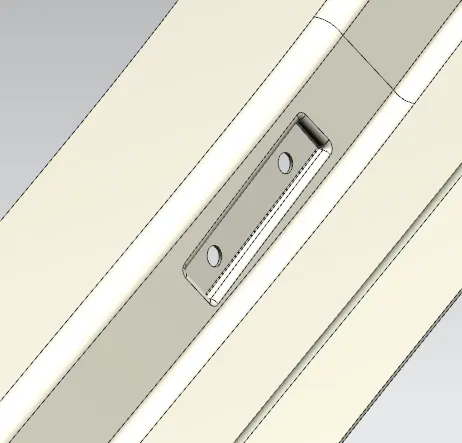
Wiper Motor Reinforcement,
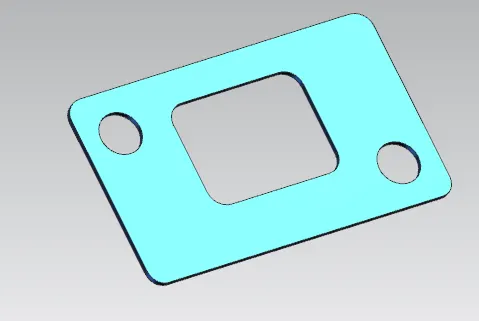
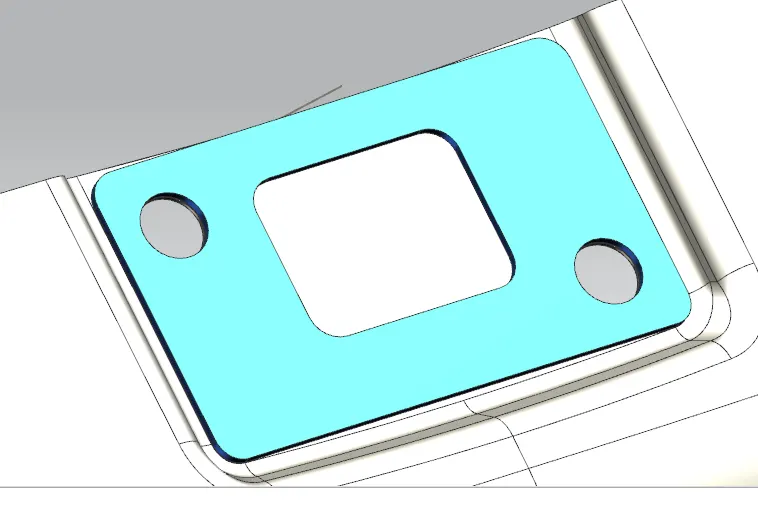
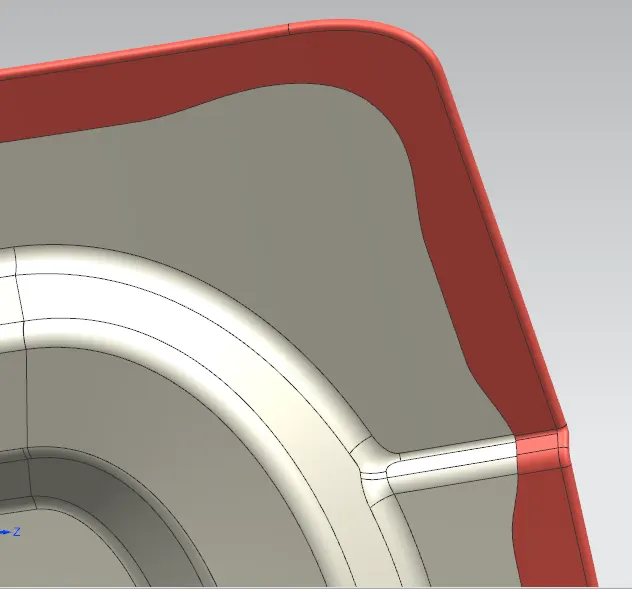
Hemming and Hem Relief,
Assembly:
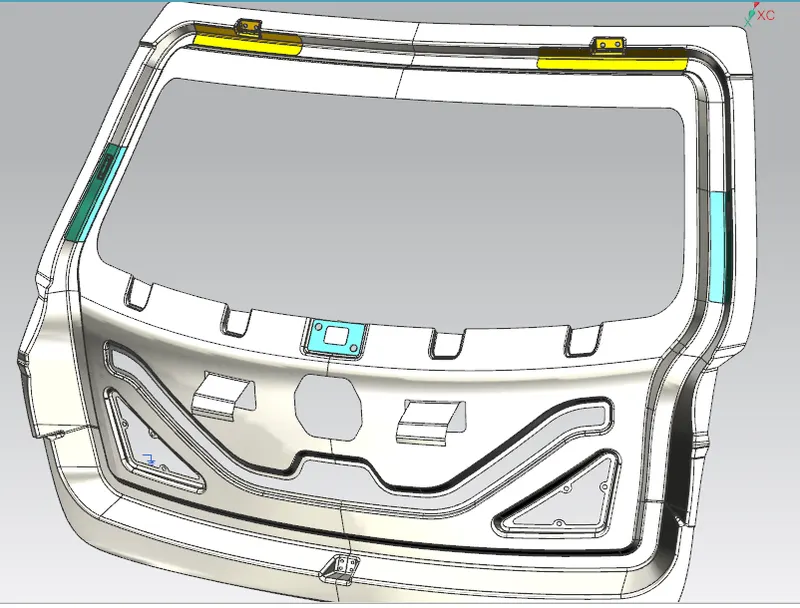
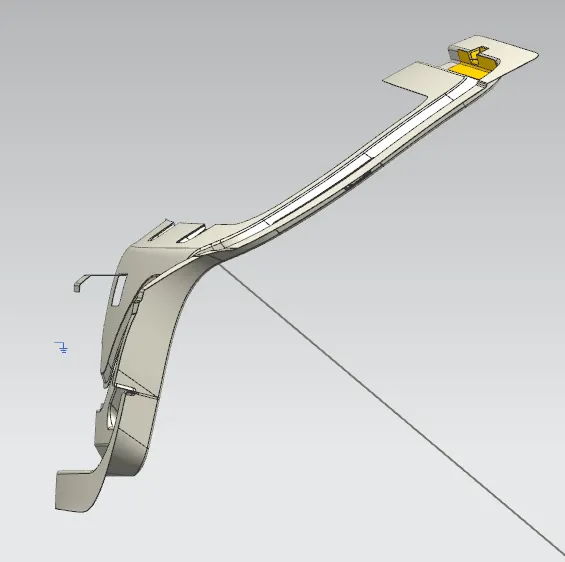
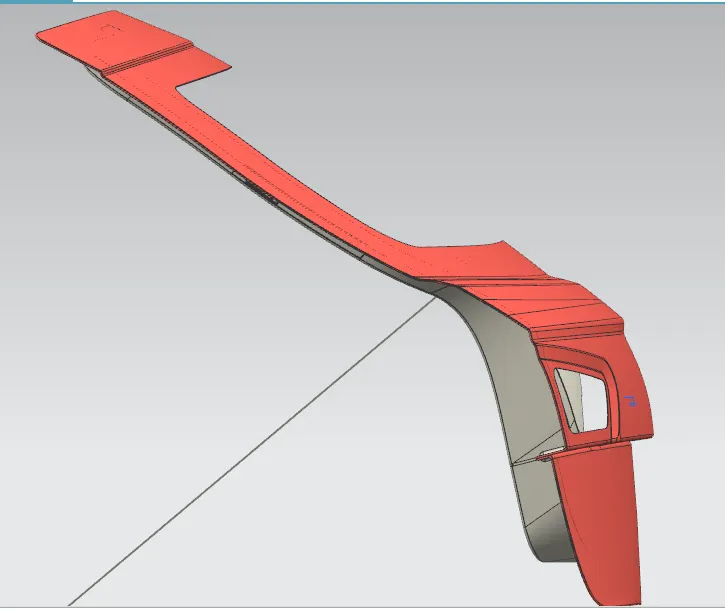
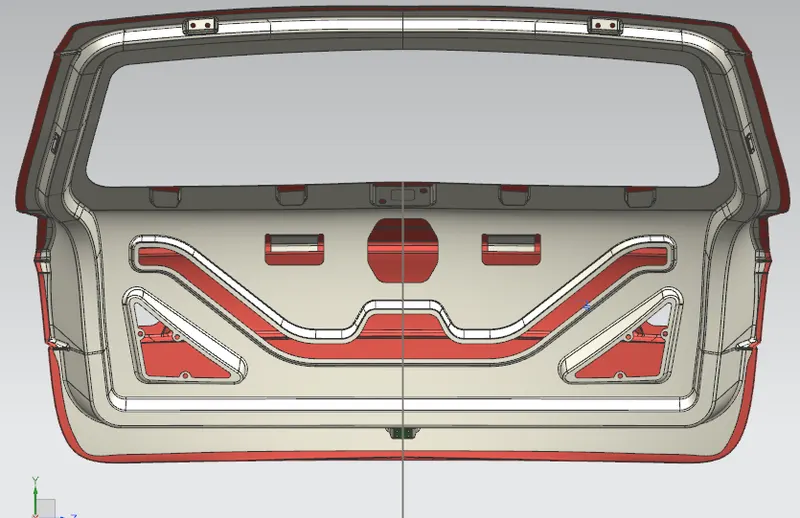
Draft Analysis:
Inner Panel:
Hinge reinforcement:
Gas Stay reinforcement: