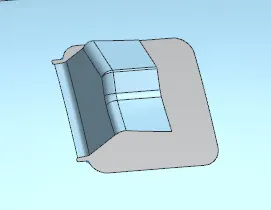
Design of backdoor
AIM:
Use the provided styling surface to come up with a back door design, use appropriate design methodologies, and provide the necessary reinforcements and embosses
What is Back Door
A door is a hinged part which is used for entry and exit of the vehicles. Back doors are one of the type doors of the vehicle which are located next to the passenger seat which provides access to the luggage compartment. In most of the cars, these back doors are operated with the help of gas stay which in turn reduces the effort required to lift open the door. Some luxury cars have powered backdoor which in turn is driven by an electric motor. This kind of system is also called a powered trunk lid system. Hatchback or station wagons are sold as 3 door or 5 door models. In this case, the rear hatch is classified as door this is because it enters the passenger compartment. The naming is mainly used in Europe countries. In case of safety, the back door designed should meet the safety requirement for the rear collision.
Types of BAck door in Car:
The door or opening of a cargo area may be hinged at the top, side & bottom. If the door hinged in the bottom it is called as a Tailgate.
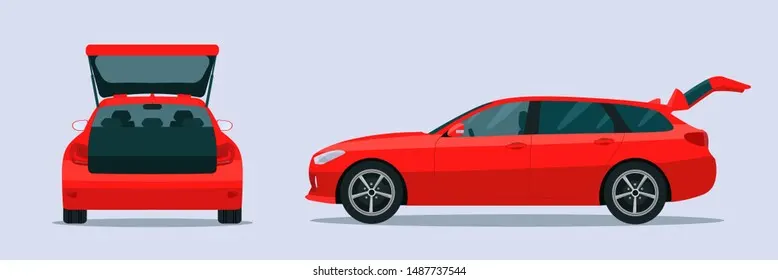
1.Top Mounted:-
This type of back doors is used in a station wagon, pickup truck and some of the sport utility vehicles. Today’s modern cars use top-mounted tailgating systems which are both powered and also gas stay supported.
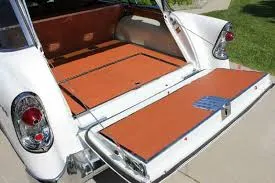
2. Bottom mounted.
This bottom type type backdoor system are used in the car type such as car, pickup truck and some luxuary SUVs. These are the most convenient type of back door in which the bottom split is used as a support or even as a table for the tour going people.
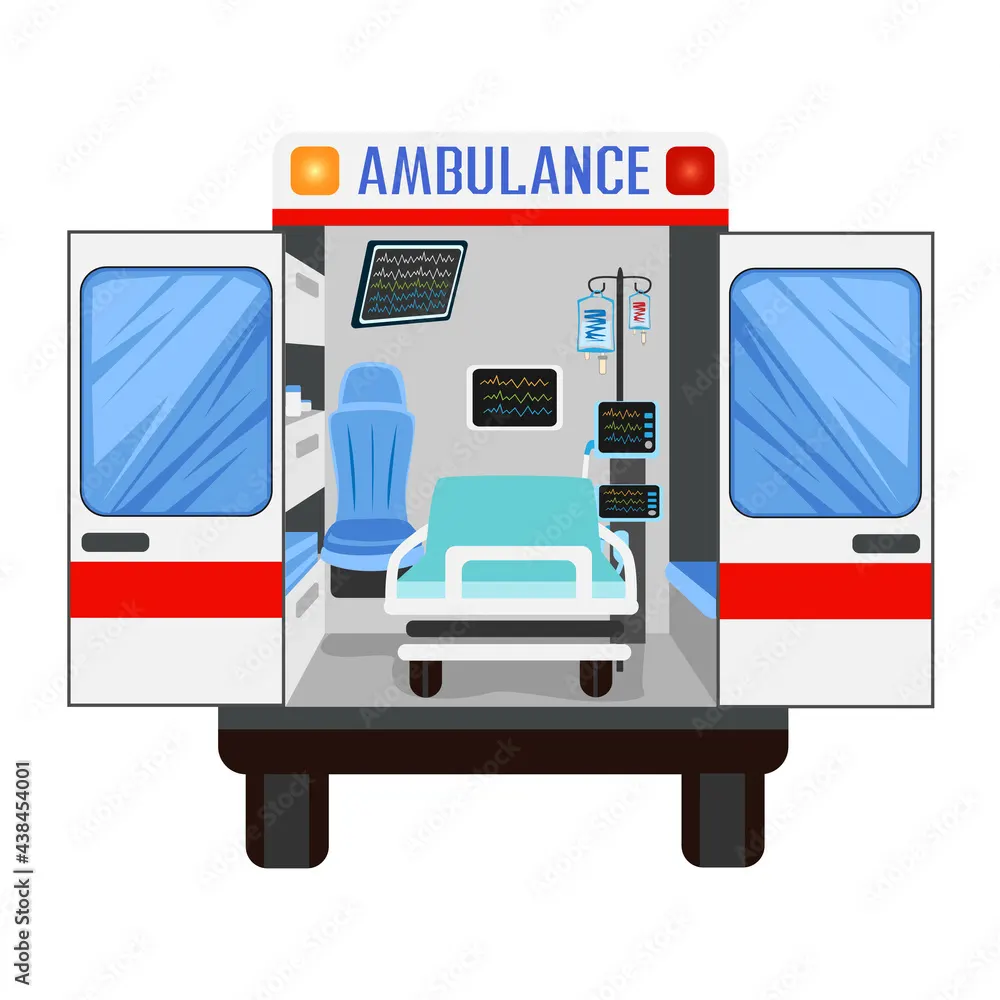
3.Side mounted
As the name signifies side-mounted doors are the one which is used in the van type MPVs, SUVs, pickup truck vehicles and Ambulance
Materials Aluminium advantage over Steel
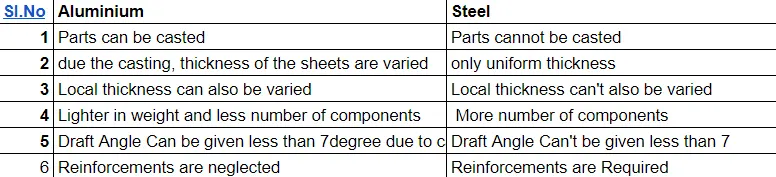
Different Sheetmetal processes used for manufacturing the Back Door
- Deep Drawing: is a Sheet metal forming process in which a sheet metal blank is radially drawn into a forming die by the mechanical action of a punch. It is thus a shape transformation process with material retention. The process is considered "deep" drawing when the depth of the drawn part exceeds its diameter. This is achieved by redrawing the part through a series of dies
- Embossing: Sheet metal embossing is a Stamping process for producing raised or sunken designs or relief in sheet metal. This process can be made by means of matched male and female roller Dies, or by passing sheet or a strip of metal between rolls of the desired pattern. It is often combined with foil stamping to create a shiny, 3D effect
- Hemming: Hemming and seaming are two similar metal working processes in which sheet metal a metal edge is rolled over onto itself. Hemming is the process in which the edge is rolled flush to itself, while a seam joins the edges of two materials.Hems are commonly used to reinforce an edge, hide burrs and rough edges, and improve appearance.Seams are commonly used in the food industry on canned goods, on cars, in metal roofing, and in the automotive industry.
- Blanking
- Punching:Blanking and piercing are shearing processes in which a punch and die are used to produce parts from coil or sheet stock. Blanking produces the outside features of the component, while piercing produces internal holes or shapes. The web is created after multiple components have been produced and is considered scrap material. The "slugs" produced by piercing internal features are also considered scrap. The terms "piercing" and "punching" can be used interchangeably.
Different Sheetmetal joing process:
Spot welding :(or resistance spot welding) is a type of electric resistance weld used to weld various sheet metal products, through a process in which contacting metal surface points are joined by the heat obtained from resistance to electric current.
Mastics: Resign used to join 2 similar or disimilar metal.it also helps in maintaing asethic property of material.
Components in Back door Assembly:
- Outer Upper Panel.
- Outer Lower Panel.
- Inner Panel.
- Gas Stay Reinforcement LH And RH.
- Hinge Reinforcement LH and RH.
- Striker Reinforcement.
- Wiper Reinforcement.
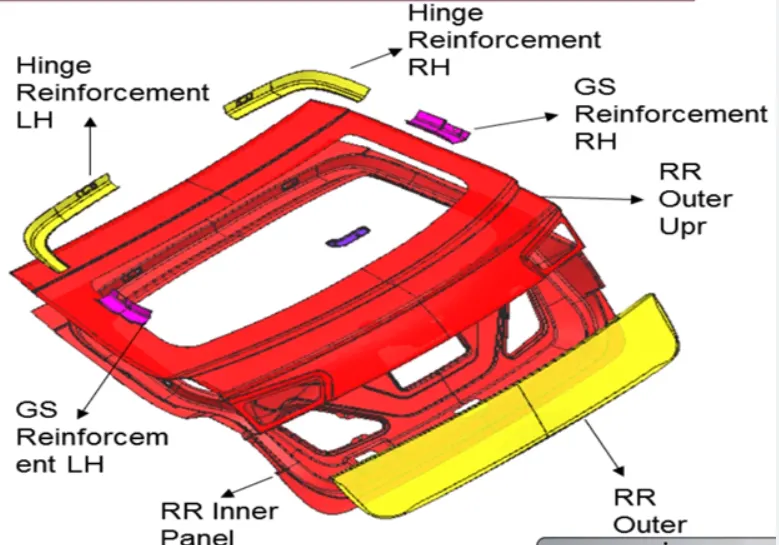
Design of Back door in NX CAD:
Door parts thickness is given below,
- Outer Panel - 0.75 mm
- Inner Panel - 0.75 mm
outer panel assembly:
The Outer panel of the back door is similar to other BIW components where it is the aesthetic part of a vehicle. The coating provided is of multi stage which has the property of scratch resistance, rush prevention and smooth and attractive finishes. The Outer panel also has the provisions for the tail lamp, rear fog lamp and also has the provision for lisence plate mountings. Most of the hatch back cars have the provision for wiper motor.
By spot weld or brazing these two are joined and outer panel is joined with inner panel by mastics and Hemming
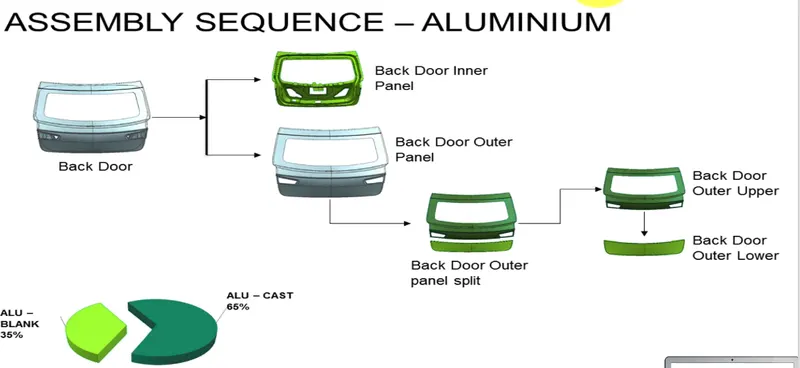
Outer Upper Panel:
Outer Lower Panel.
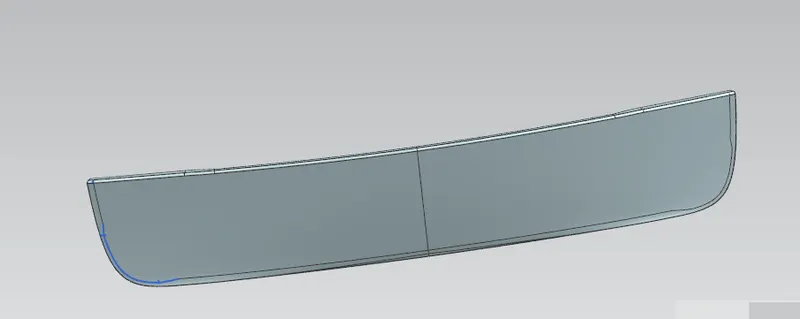
2.Inner Panel:
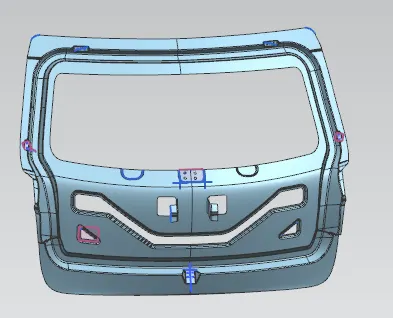
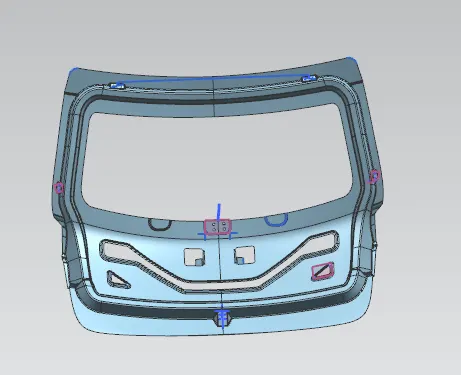
The inner Panel is a component which is used for strengthening the door and it is one of the most important components on which all accessories are mounted like hinges, glass guide channel, mounted trim, latch etc.., The possible method is the integration method. In the integration method, the part is stamped out of a single blank. This reduces the number of tools needed the assembly cost and eliminates any fit ability problem.
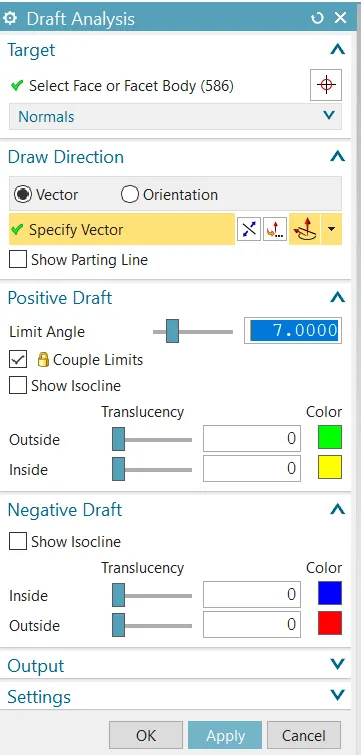
Draft analysis for the inner panel :
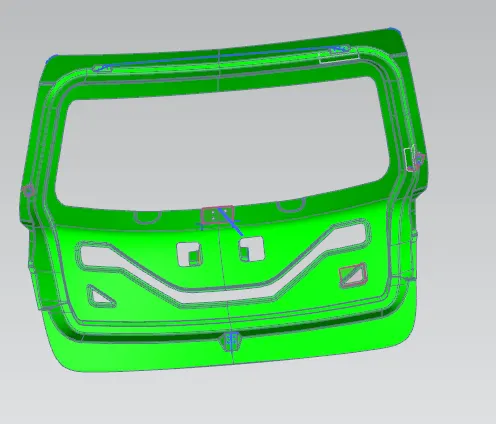
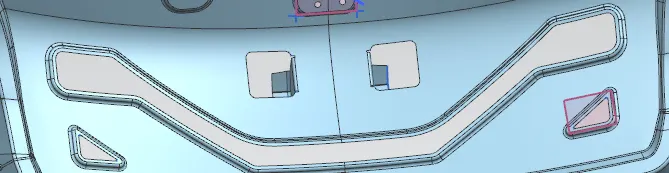
Tooling direction is created to make the draft clear in 1 shot.Positive and 7degree draft is provided to make it ease in manufacturing
why V or Y embosses??
Bend Test:
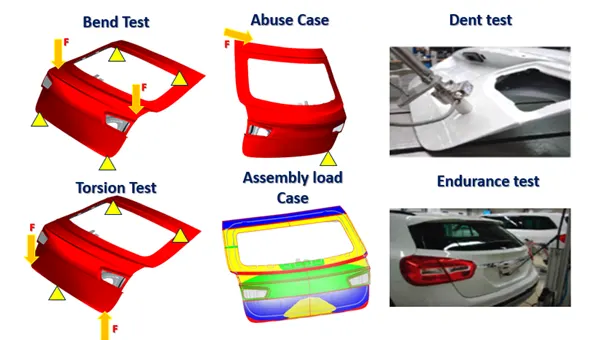
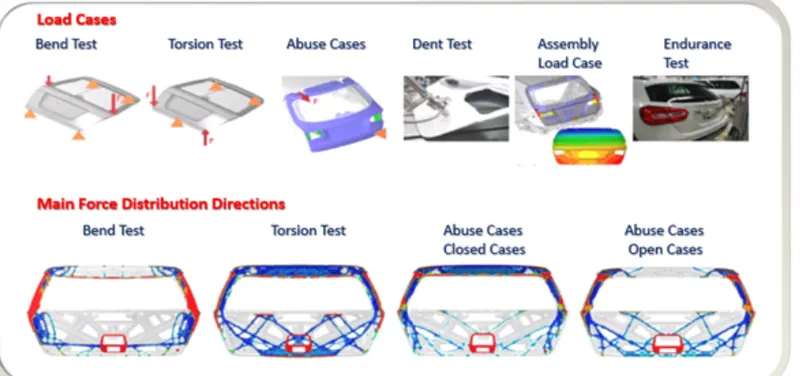
In bending test, we constraint all the four regions and we give force on center. For every door there will be a nominal value at which it should come back to its original position. The upper two are hinge positions and bottom two are corner positions. And in the center of the door we give weight.
Torsion test:
In torsion test, we constraint the hinge positions on upper and latch and striker position in bottom. And on the bottom corners we apply weight on reverse direction. We can assume how it behaves; the thing is we have to see how it comes to its original state.
Abuse Case:
In abuse case, we examine the causes of over slamming or hanging when the door is open. Because some people tent to lie on the door when the door is open.
Dent Test:
It is done to evaluate whether dent is coming back to its original position.
Assembly load Case:
Assembly load case is examined to check the backdoor during assembling the vehicle, how much force is given to the body and whether the door is withstanding or not?.
Endurance test:
It is the workability tests. The backdoor will be opened and closed for a particular number of cycles. And we see how the door behaves at the end of the cycle. If it’s a side door the number of cycles will be more. If it is back door the cycle will be relatively less. Because we don’t open that many times. If we open side doors for 10000 times, we open backdoor only for 2000 times. So, this endurance test will happen with variation in cycles with respect to the commodity. For Hood, we approximately open only 100 times. We open hood only if there is a problem.
So, these are all the load cases which is tested and when tested we get a result of inner panel and how does it behave which has patten in V or Y shape so providing V or Y shape to emboss will increase the strength.
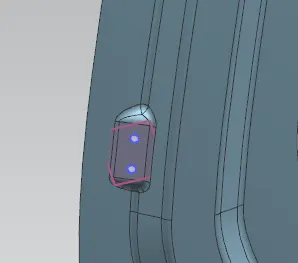
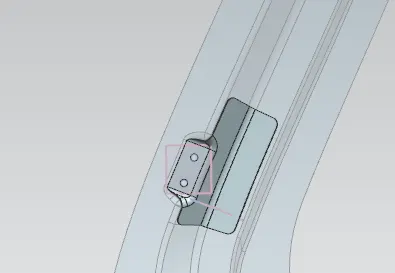
Gas Stay Reinforcement LH And RH.
An angled or Diabolic emboss is provided for the gas stay mounts. The angle makes it easy to be machined and stamped. It is reniforcement with a thicker sheet
Hinge Reinforcement LH and RH:
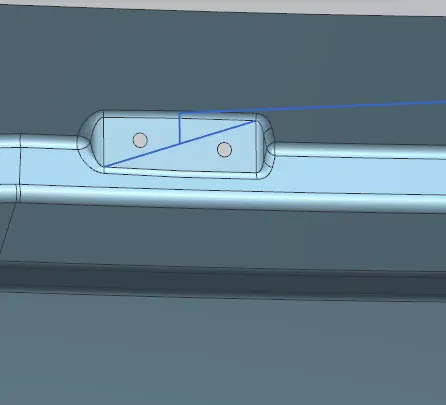
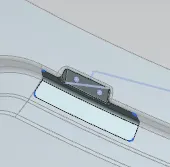
Hinges support the weight of the whole backdoor. Hence a reinforcement are provided here too. Emboss is designed such that the hinges should operated freely. The electrical wiring looms are through the holes along the periphery to keep them hidden.
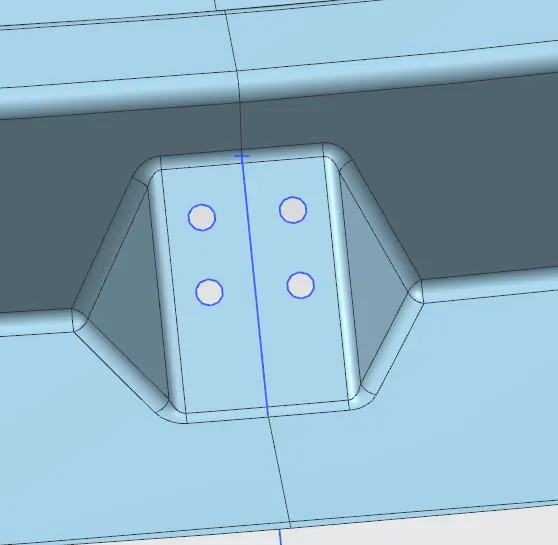
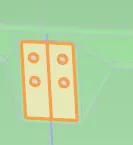
Striker Reinforcement.
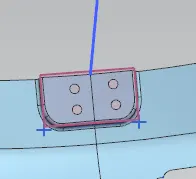
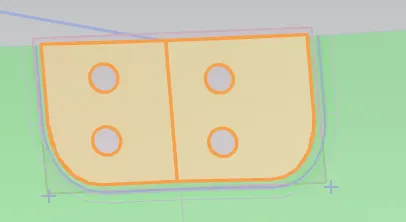
Wiper Reinforcement.
Mastic Region:
this is the region where inner panel and outer panel get attached and by also has aestic nature of outer panel