Challenge on Combustion
Aim:
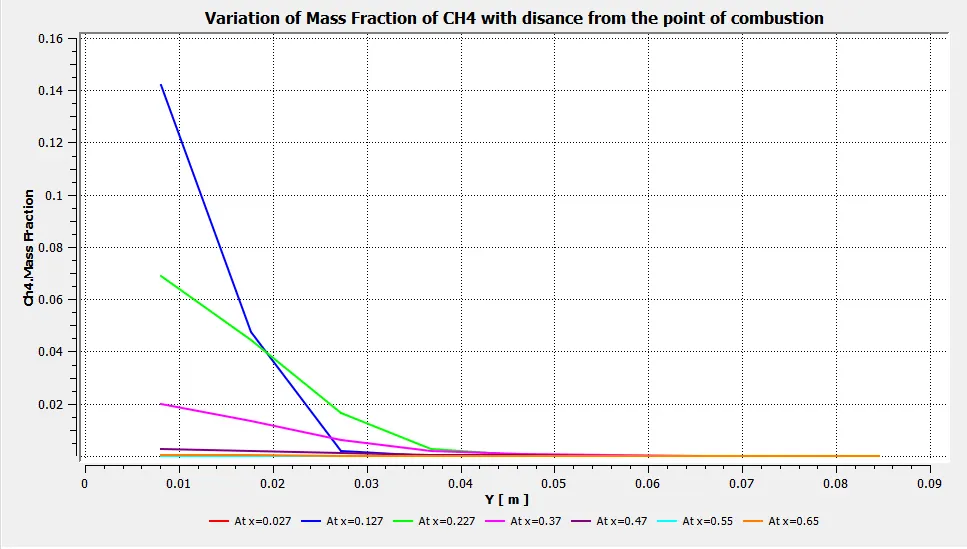
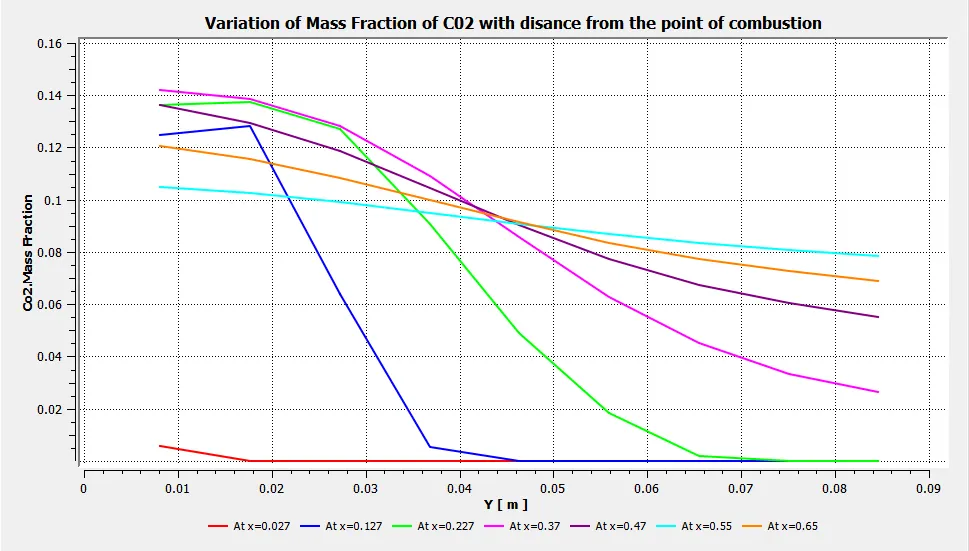
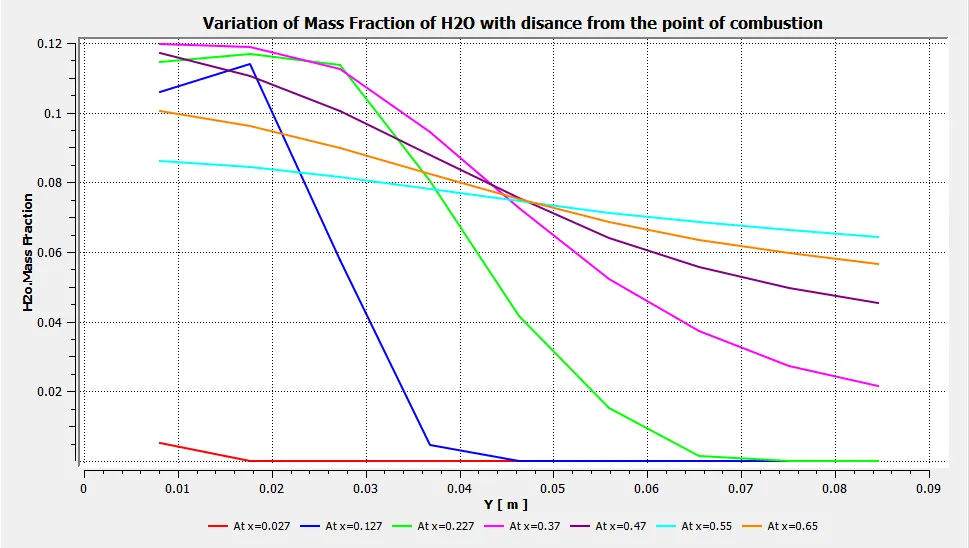
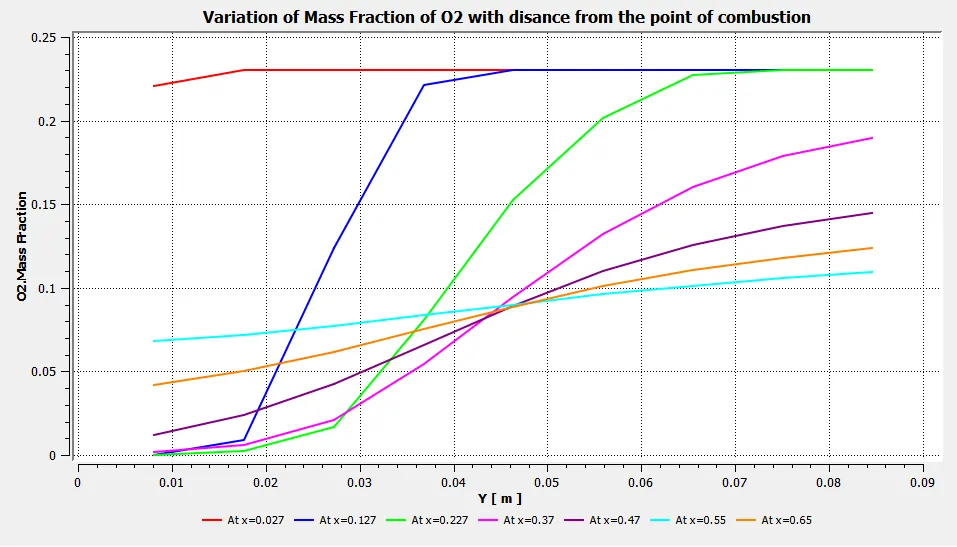
a).To Perform a combustion simulation on the combustor model and plot the variation of the mass fraction of the different species in the simulation.
b).Study the effect of addition of water on the formation of Nox and Soot in the combustion phenomenon.
Introduction:
Combustion is actually a scientific term for burning. We are all aware of burning, but did you know that burning is actually a chemical reaction? Combustion is a chemical process where any fuel has a reaction with air (oxidant) to produce heat energy.
And when this heat energy release it will also produce light in the form of a flame. This is the visible part of the reaction, the flames. The general exothermic reaction of combustion can be expressed as:
Hydrocarbon + Oxygen → Carbon Dioxide + Water + Heat Energy
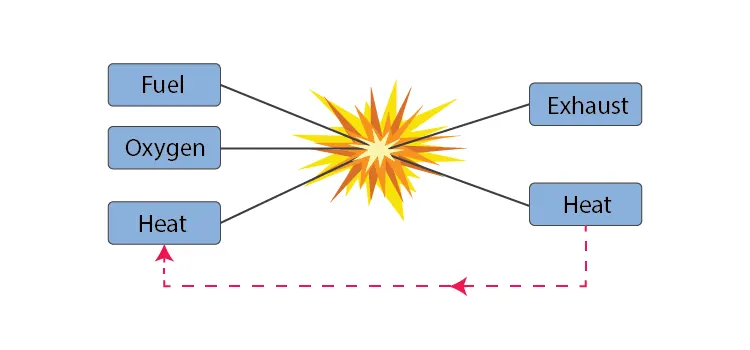
#Based on mixing ,combustion can be Pre mixed and Non pre mixed.
- Premixed Combustion:
In premixed combustion, fuel and oxidizer are mixed at the molecular level prior to ignition. Combustion occurs as a flame front propagating into the unburnt reactants. Examples of premixed combustion include aspirated internal combustion engines, lean-premixed gas turbine combustors, and gas-leak explosions.
- Non-Premixed Combustion:
In non-premixed combustion, fuel and oxidizer enter the reaction zone in distinct streams. This is in contrast to premixed systems, in which reactants are mixed at the molecular level before burning. Examples of non-premixed combustion include pulverized coal furnaces, diesel internal-combustion engines and pool fires.
#Combustion is applied in five major fields:
1.In Heating Devices
2.In IC Engines.
3.In Rocket Propulsion
4.In Chemical Reactions
5.In Explosives.
#Solving and Modelling Approach:
1.Geometry Preparation:
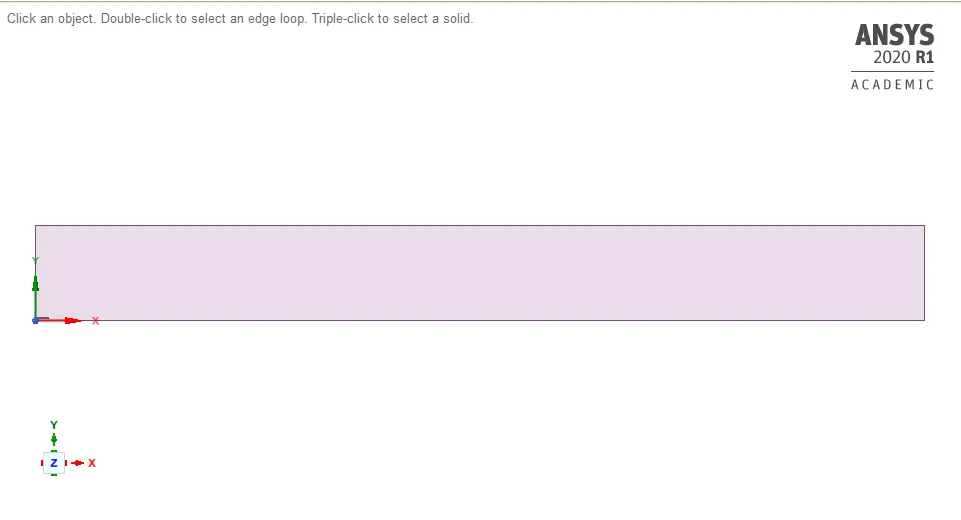
Import prepared Combustion Model in SpaceClaim.
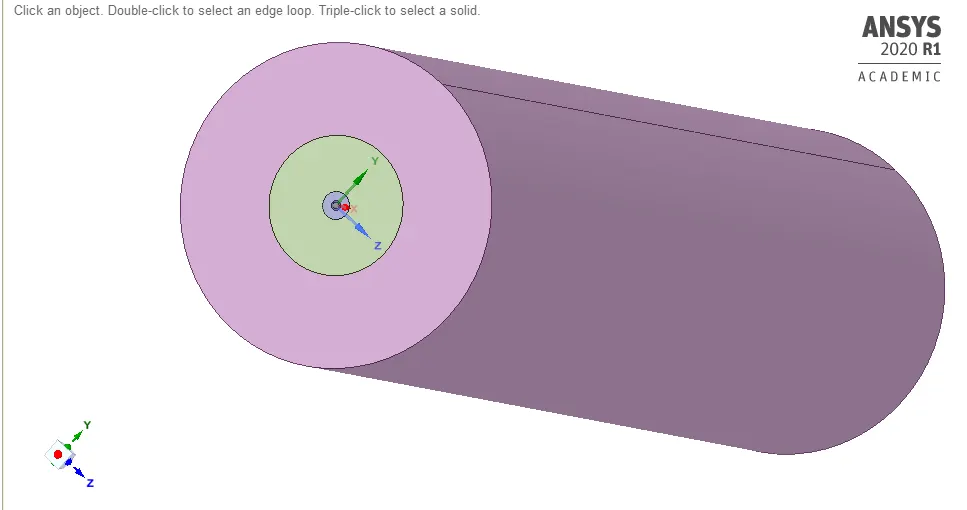
--Using Split body tool,create a 2D cut section of geometry along X axis.
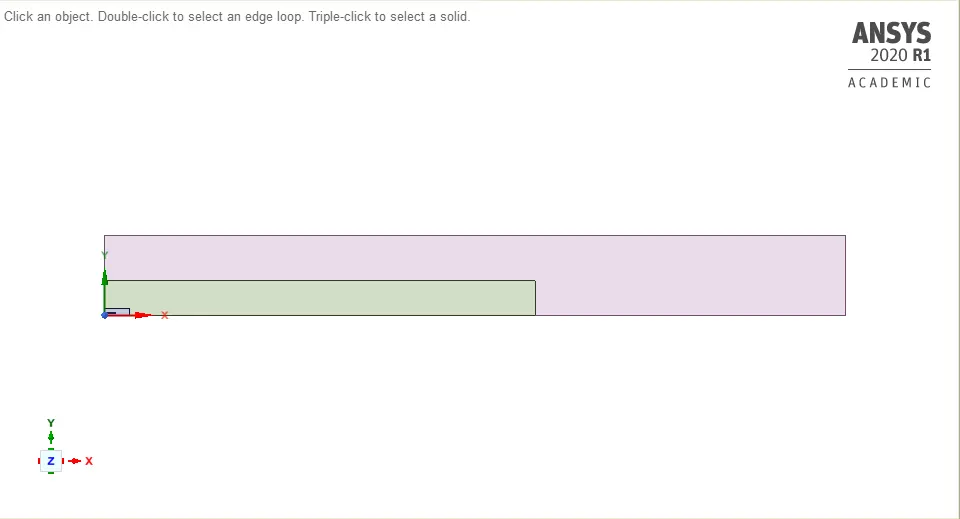
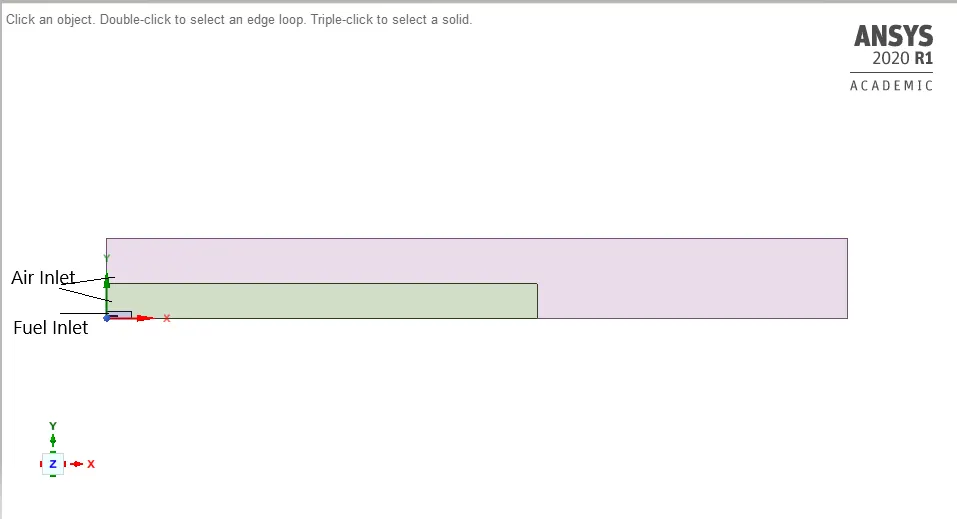
--Use Combine tool to make one body from three parts.
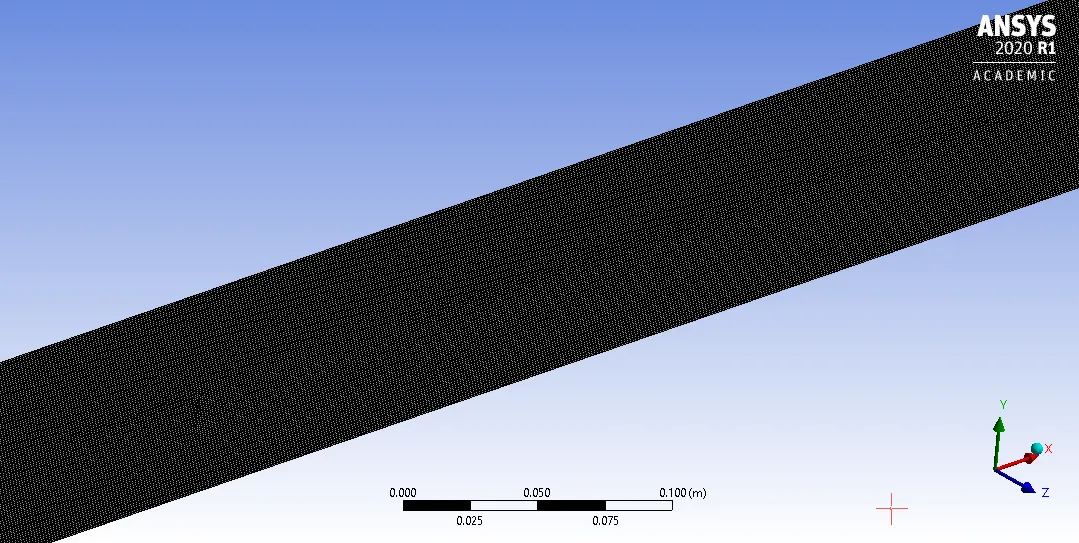
#Meshing:
Global Element size-0.0008 metre
#Setup:
General-
Steady state ,Pressure Based solver.
2D Space -Axisymmetric
Turbulence Model used-k epsilon
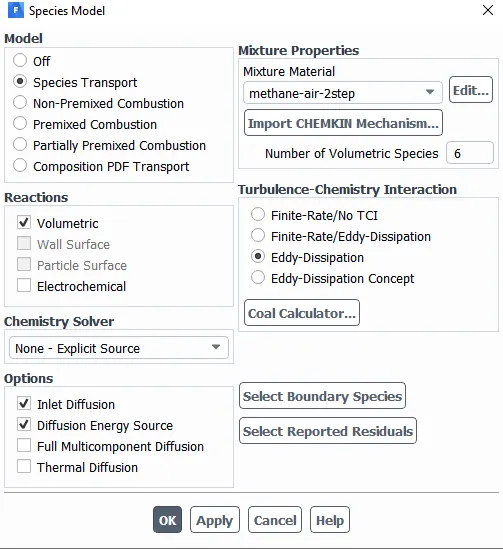
-Species Model Setting:
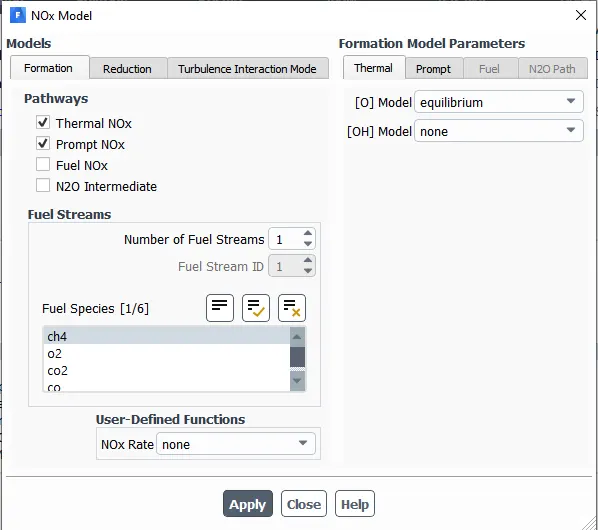
-Nox Model Setting:
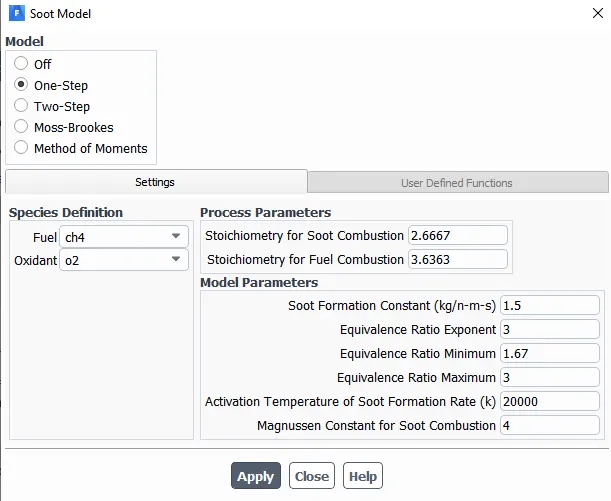
--Soot Model:
#Boundary Conditions:
Air Inlet velocity=0.5 m/s
Fuel Inlet velocity = 80 m/s
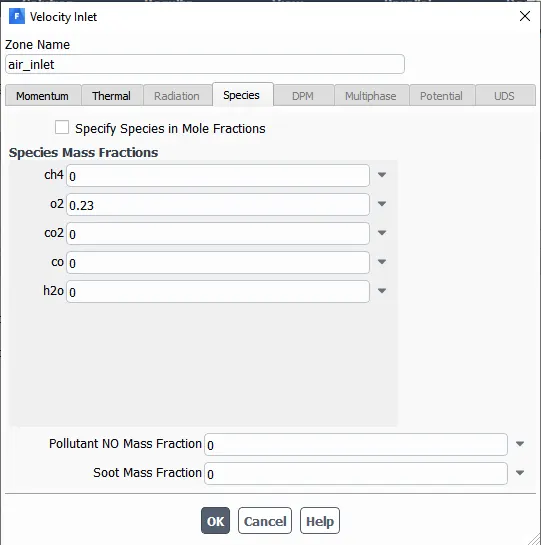
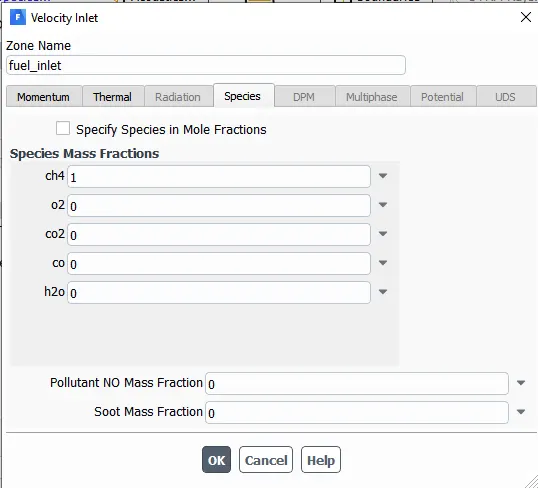
#Create Nox ans Soot formation report at outlet ,to monitor their generation rate.
#After setting up case ,Hybrid Initialize solution.
Create a contour plot for Temperature and an animation file.
Go for Calculation of solution for 500 iteration.
#At last Postprocess Results in CFDPost.
-------------------------------*****************************-----------------------------------
#Part-1(When no water addition in fuel is there):
--Results:
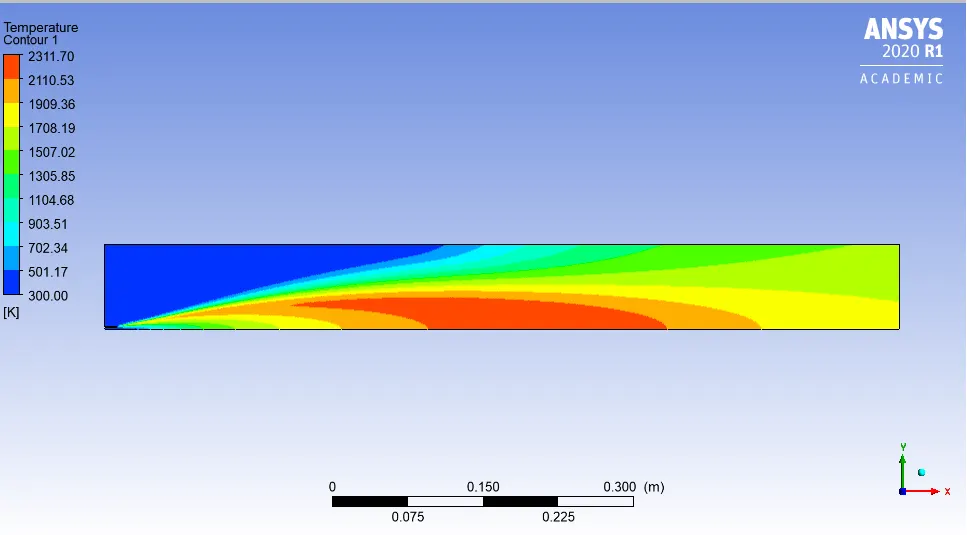
1.Temperature Contour:
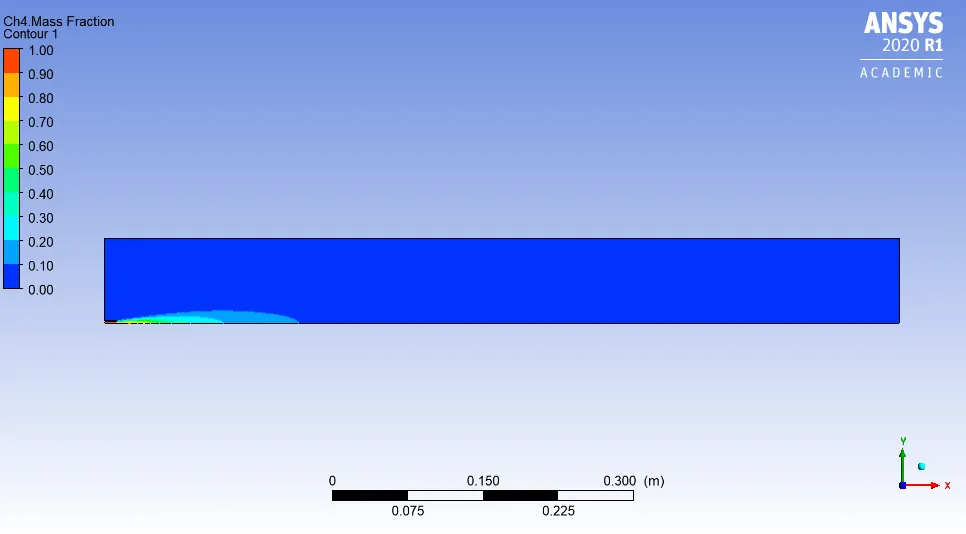
2.Ch4 Mass fraction plot:
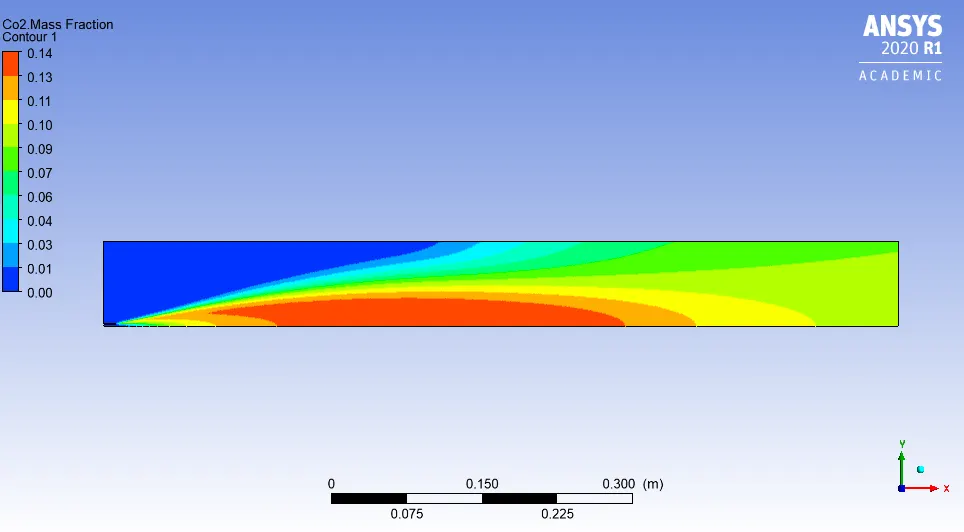
3.Co2 Mass fraction plot
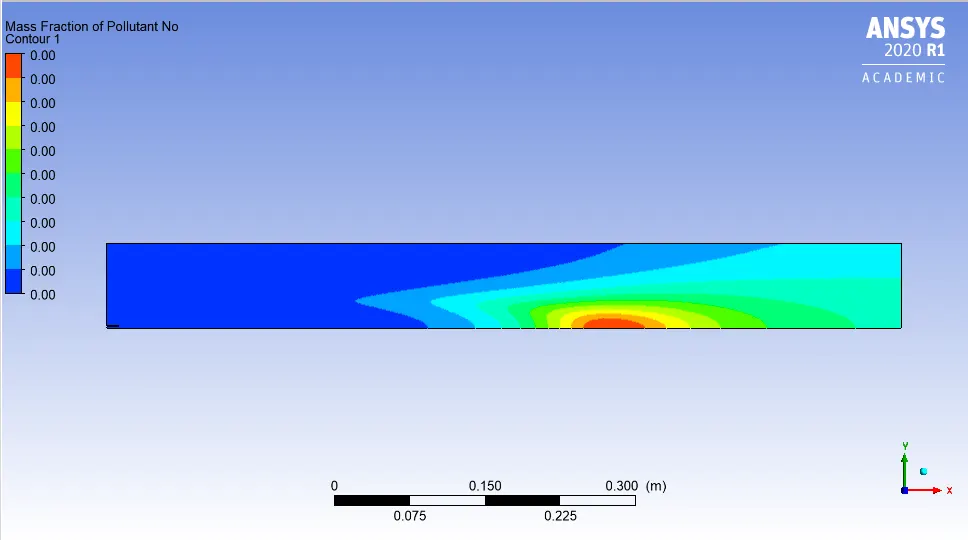
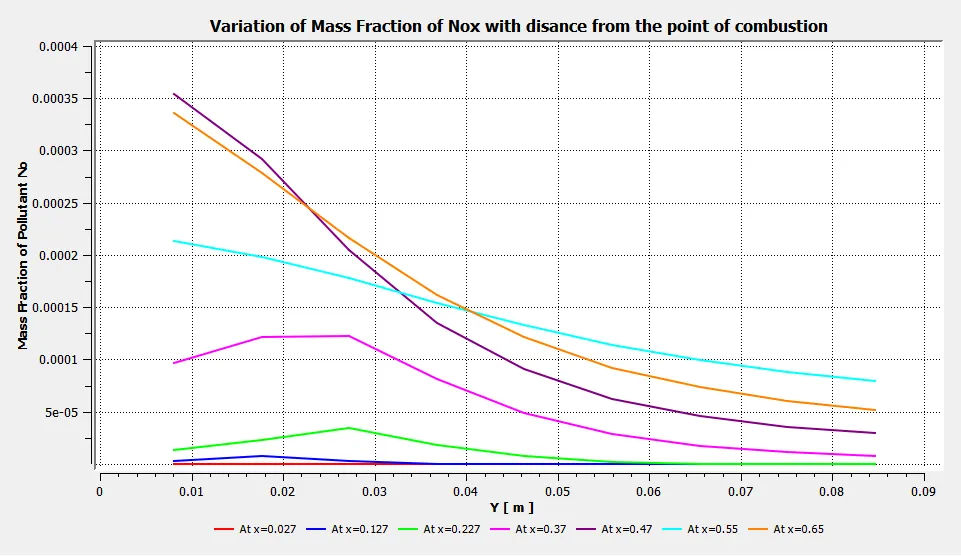
4.Nox Mass fraction plot:
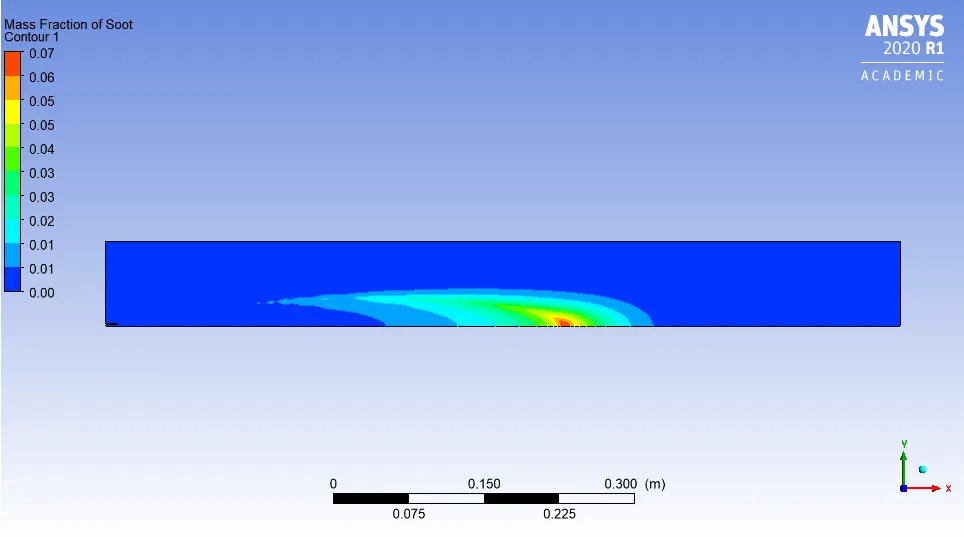
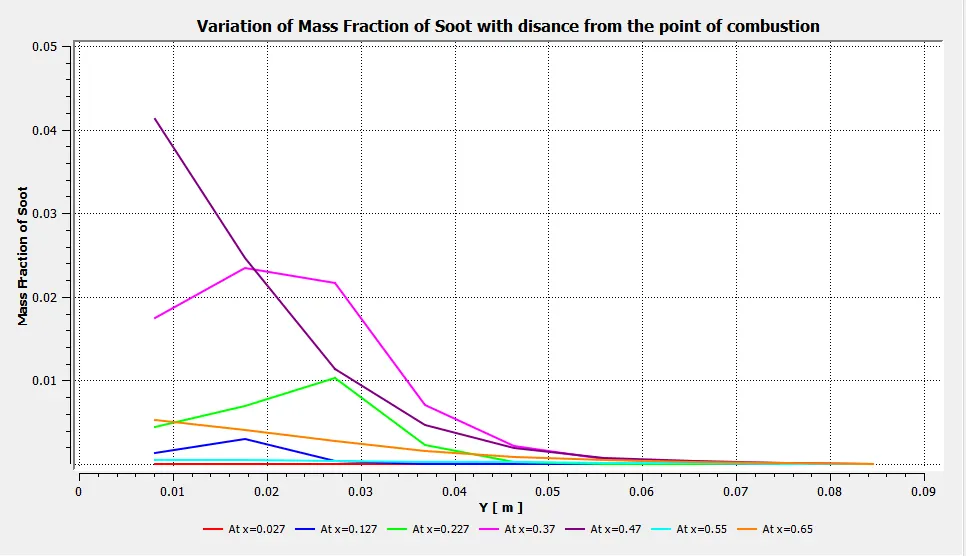
5.Soot Mass fraction plot:
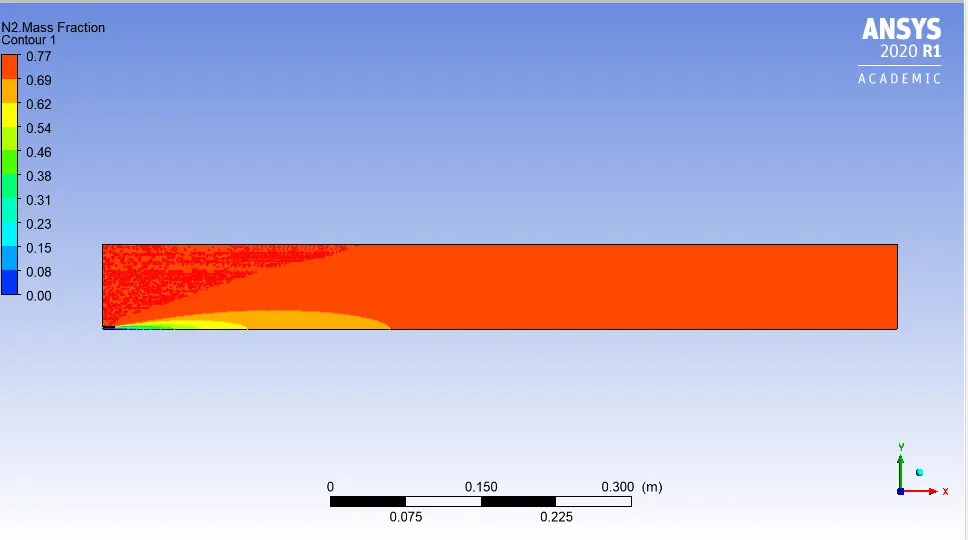
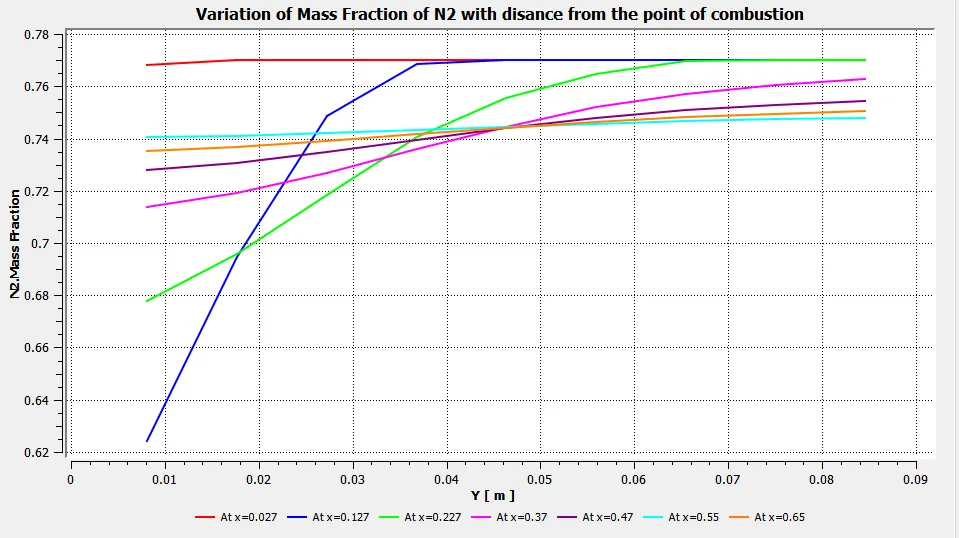
6.N2 Mass fraction plot:
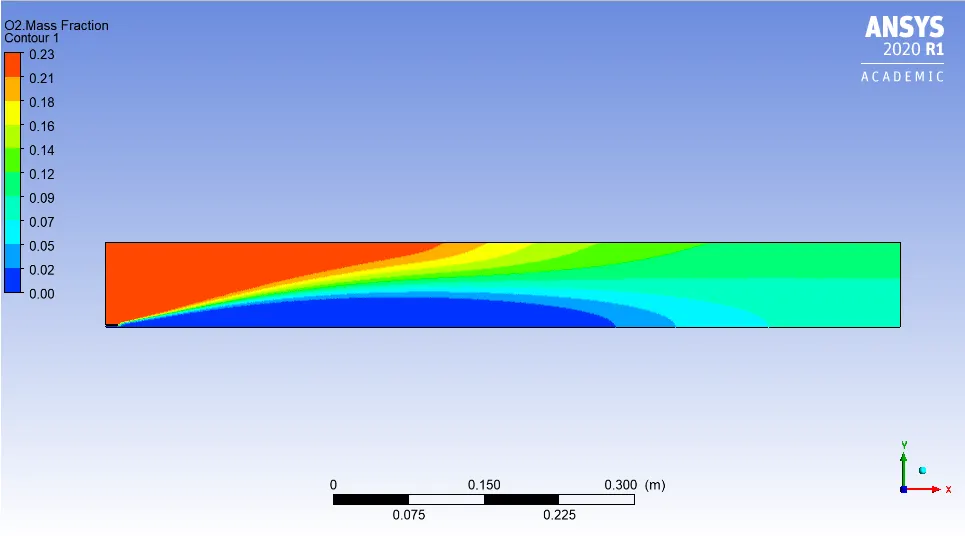
7.O2 Mass fraction plot:
-----------------------------------------------**************************--------------------------------
Part-2:
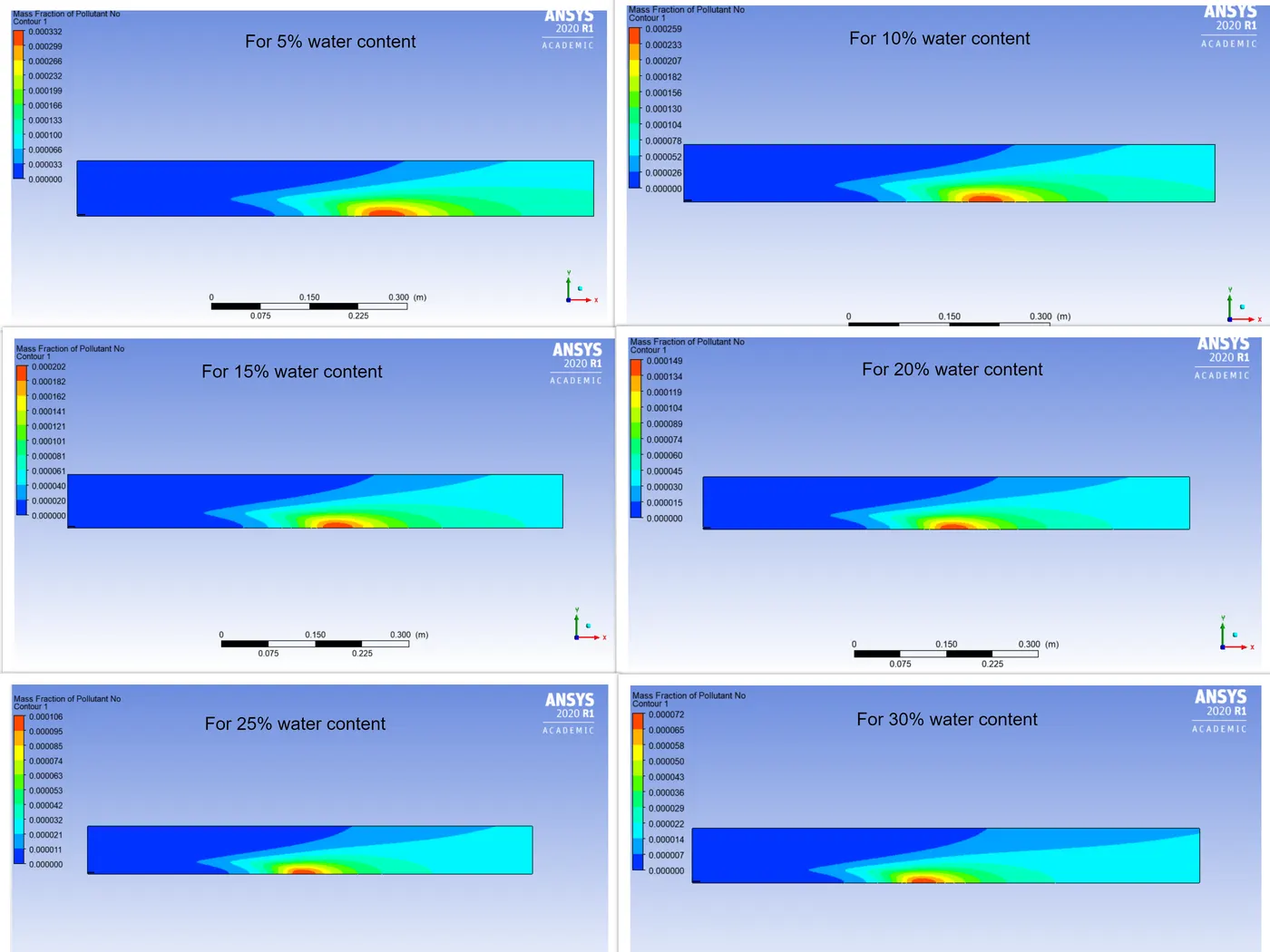
Collage showing Mass fraction contour plot with different water content in fuel
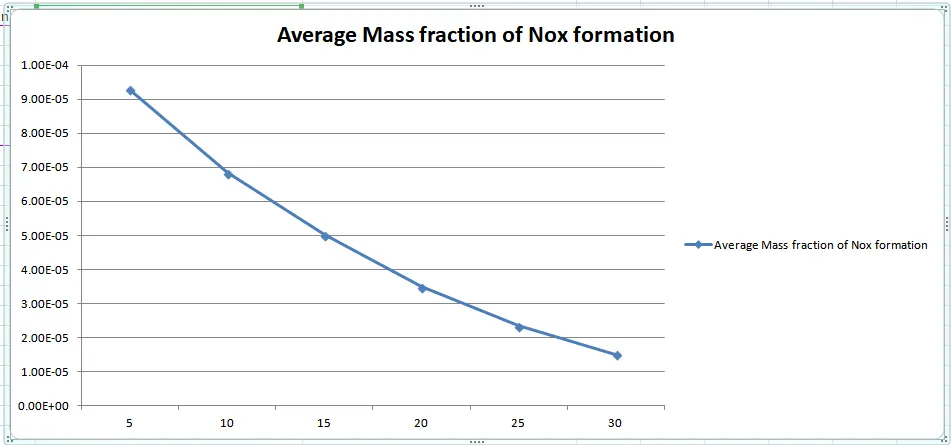
#Nox Generation VS Water content in Fuel Plot:
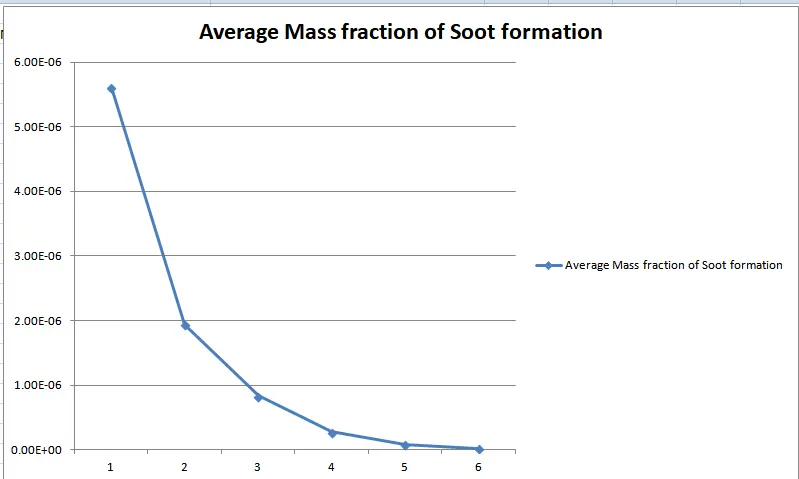
#Soot Generation VS Water content in Fuel Plot:
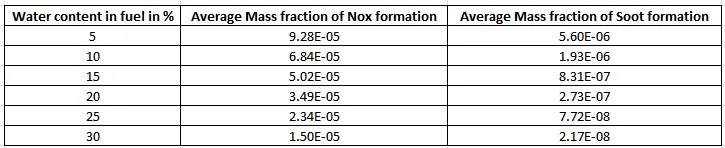
#From the above data ,our finding:
1.From collage,we can see that max. value of mass fraction of Nox generated in combustion decareses
with addition of water content in fuel.Nox content reduces as we increase water percentage in fuel
continuously.
Addition of water - Reducing combustion temperature means avoiding the stoichiometric ratio (the exact
ratio of chemicals that enter into reaction).
2.From collage ,we can also observe that the zone where is maximum Nox concentration also reduces
with addition of water.
3.Table data shown above is taken from report generated from simulation for Mass fraction of Nox at
Outlet.Data is also a verification that Nox and Soot generation reduces with addition of water in fuel.
------------------------------------------------**********************-------------------------------------
Conclusion:
Nitrogen dioxide is an irritant gas, which at high concentrations causes inflammation of the airways.
When nitrogen is released during fuel combustion it combines with oxygen atoms to create nitric oxide
(NO). This further combines with oxygen to create nitrogen dioxide (NO2). Nitric oxide is not considered
to be hazardous to health at typical ambient concentrations, but nitrogen dioxide can be. Nitrogen
dioxide and nitric oxide are referred to together as oxides of nitrogen (NOx).
NOx gases react to form smog and acid rain as well as being central to the formation of fine particles
(PM) and ground level ozone, both of which are associated with adverse health effects..
A major constituent of soot, black carbon is the most solar energy-absorbing component of particulate
matter and can absorb one million times more energy than CO2. The amount of energy stored in the
atmosphere is measured as watts per square meter of Earth’s surface
But unlike CO2, which can stay in the atmosphere for hundreds to thousands of years, black carbon,
because it is a particle, remains in the atmosphere only for days to weeks before it returns to earth with
rain or snow.
Because black carbon absorbs solar energy, it warms the atmosphere. When it falls to earth with
precipitation, it darkens the surface of snow and ice, reducing their albedo (the reflecting power of a
surface), warming the snow, and hastening melting.
Methods to Reduce Nox Formation:
1. Reducing Temperature
2.Reducing residence time at peak temperature
3. Chemical reduction of NOx
4. Oxidation of NOx with subsequent absorption
5. Removal of nitrogen