Benchmarking
Benchmarking
Benchmarking is a process to discover what is the best standard of performance seen in a specific company, by a particular competitor or by a completely different industry.
The process of benchmarking involves four distinct steps:
- Identifying the areas where the organization is keen to identify actionable insights. These could range from cost of production to number of critical to quality errors to employee engagement scores.
- Once the areas have been identified, the organization then shortlists the companies/industries to benchmark.
- The third step that follows is to collect data from these identified companies/industries across the areas of interest that were zeroed in earlier.
- Finally, when the data has been collected, the organization studies the gaps between their standard and that of the benchmark.
Sometimes companies might confuse benchmarking with competitor research. However, there are some key differences between the two.
Benchmarking:
- Focuses on best practices to identify next practices
- Strives for continuous improvement
- Partnering to share information
- Needed to maintain a competitive edge
- Adapting based on customer needs after examination of the best
Competitor Research:
- Focuses on performance measures
- Bandage or quick fix
- Considered corporate spying by some
- Simply a “nice to have”
- Attempting to mirror another company/process
Why are benchmarks important?
It is observed that companies at times might be reluctant to use benchmarks. One of the most popular reason for this is the belief that they are their own organization, and hence, do not need to emulate any other organization. This is where it is critical to underline the fact that benchmarking does not mean blindly ‘copying’ what competitors do.
It simply means to understand what is the acceptable standard in the industry, and where does the organization stand that standard. Benchmarking helps organizations to stay in sync with the market and customer needs.
Benchmarking has several other benefits as well:
- Improved Quality: Benchmarking helps organizations to continuously improve the quality of their products & services. Organizations observe the current standard, and then try to surpass that.
- Better performance: Benchmarking helps organizations overcome complacency. They continuously strive to improve their performance standards in order to stay relevant in the market.
- Cost efficiency: Benchmarking provides organization with valuable data on the last technology, and processes followed in the business environment. These are aimed at increasing productivity while reducing cost. For example, a manufacturing company might learn about a certain machine used by its competitor, which can do the work for five workers. This company might also adopt similar technology to lower its labor cost.
- Prioritizing areas of improvement: While organizations understand the importance to develop continuously, they might be unsure at times about where to start the improvement from. Benchmarking helps organizations to identify the areas where the gap between their standard and that of the industry is the largest. This helps organizations to prioritize the areas that they need to work on.
- Leveraging strength areas: Benchmarking can also throw light on the areas where the organization is doing much better than what is observed in the market. Having this information can help organization to.
Comparison of 4 cars with the good benchmark.
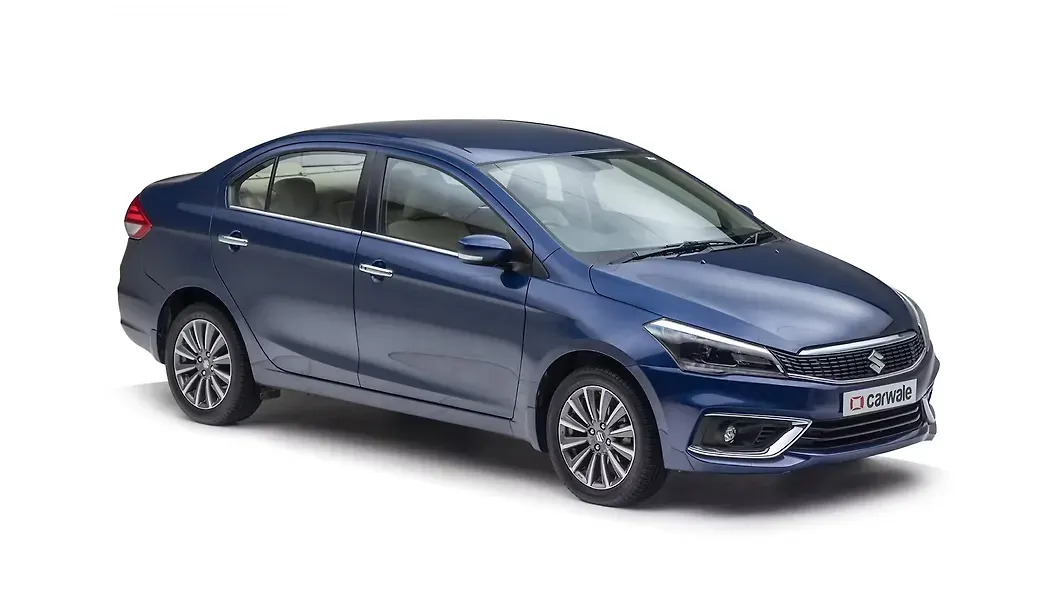
1. Maruti Suzuki Ciaz
| Price | ₹ 8.77 Lakh onwards |
|---|---|
| Mileage | 20.04 to 20.65 kmpl |
| Engine | 1462 cc |
| Transmission | Manual & Automatic (TC) |
| Fuel Type | Petrol |
| Seating Capacity | 5 Seater |
Exterior
Comfort
Performance
Fuel Economy
Value For Money
Images



2. Maruti Vitara Brezza
| Price | ₹ 7.82 Lakh onwards |
|---|---|
| Mileage | 17.03 to 18.76 kmpl |
| Engine | 1462 cc |
| Transmission | Manual & Automatic (TC) |
| Fuel Type | Petrol |
| Seating Capacity | 5 Seater |
User Review
4.4
Exterior



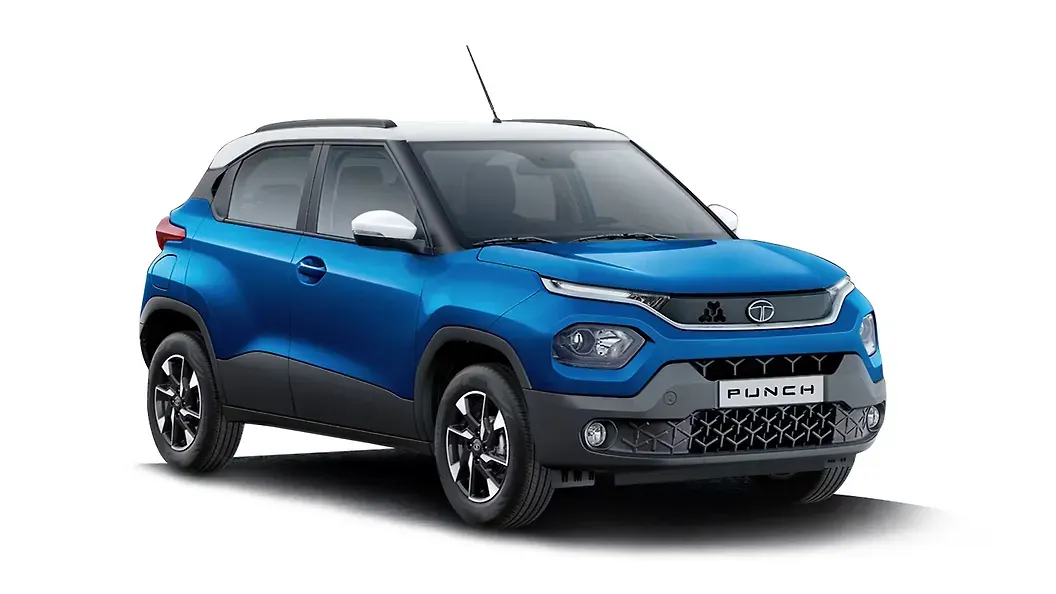
3. Tata Punch
| Price | ₹ 5.83 Lakh onwards |
| Mileage | 18.82 to 18.97 kmpl |
| Engine | 1199 cc |
| Transmission | Manual & Automatic (AMT) |
| Fuel Type | Petrol |
| Seating Capacity | 5 Seater |




| Price | ₹ 7.28 Lakh onwards |
|---|---|
| Mileage | 18.5 to 24.4 kmpl |
| Engine | 1194 to 1499 cc |
| Transmission | Manual |
| Fuel Type | Petrol & Diesel |
| Seating Capacity | 5 Seater |
4.4
Exterior
Comfort
Fuel Economy