Benchmarking
AIM
To suggest a good car to Mr. D.S. Pughazhyendhii and to prepare a report on Benchmarking.
1.Benchmark with presently available cars in the market.
TATA ALTROZ - 1.5 Revotorq XM

ON-ROAD PRICE in Bangalore - Rs.9,67,227**
COLORS AVAILABLE






HYUNDAI i20 - 1.5 U2 CRDi Magna

ON-ROAD PRICE in Bangalore - Rs.9,92,887**
COLORS AVAILABLE









FORD FIGO - 1.5 TDCi Titanium

ON-ROAD PRICE in Bangalore - Rs.9,55,826*
COLORS AVAILABLE





SPEC.
ALTROZ i20 Figo
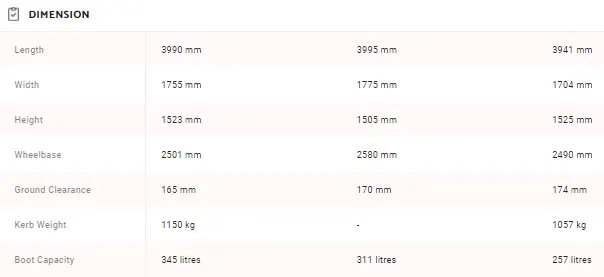
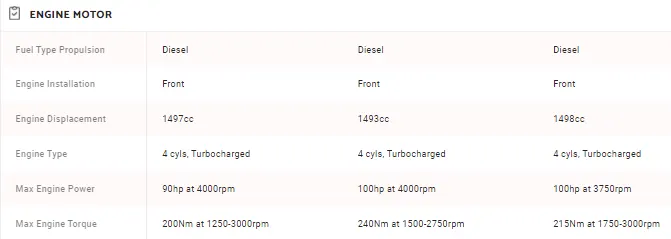
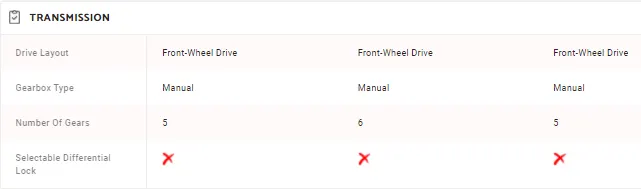
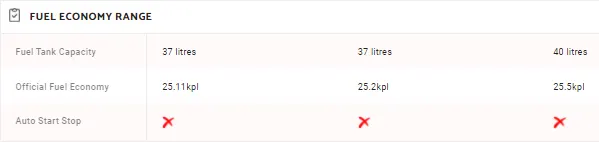
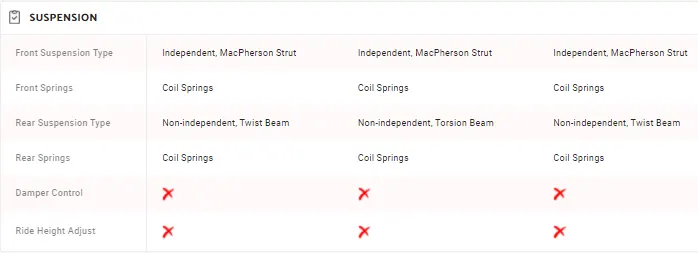
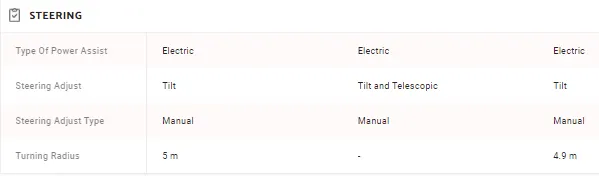
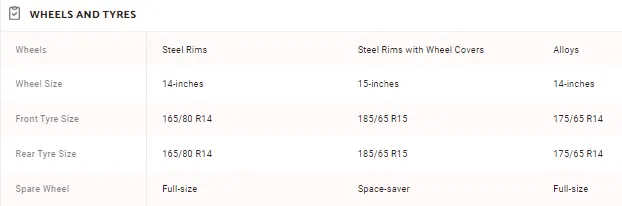

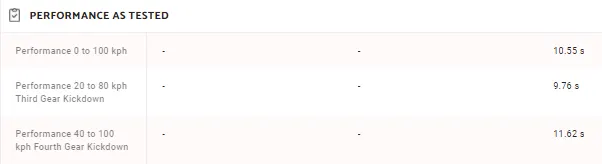
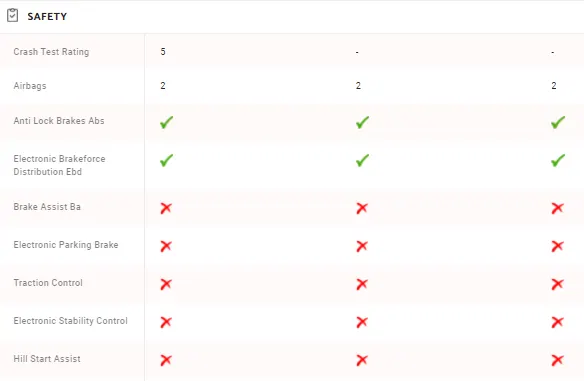
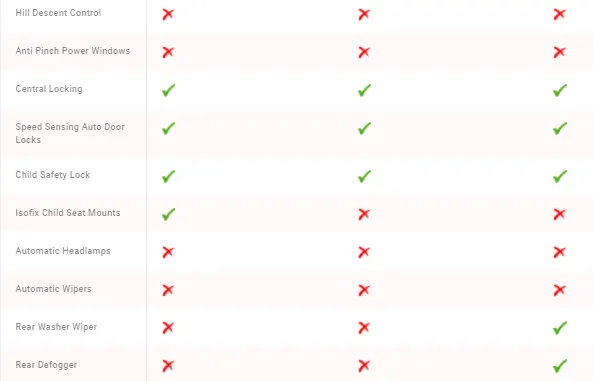
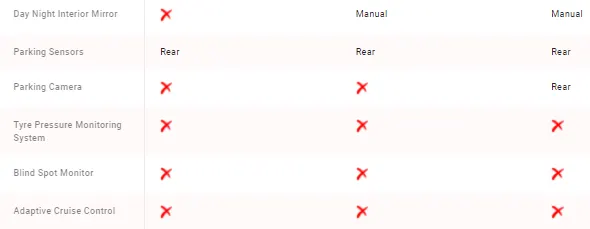
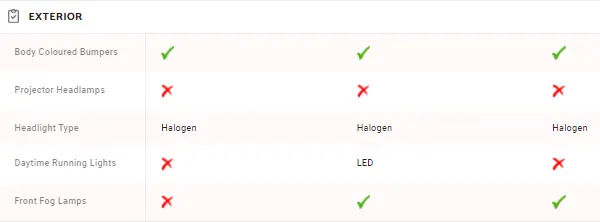






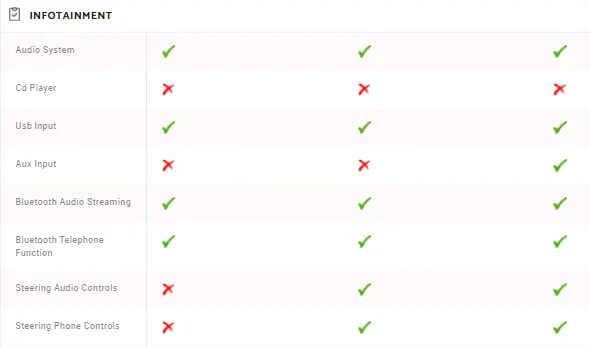


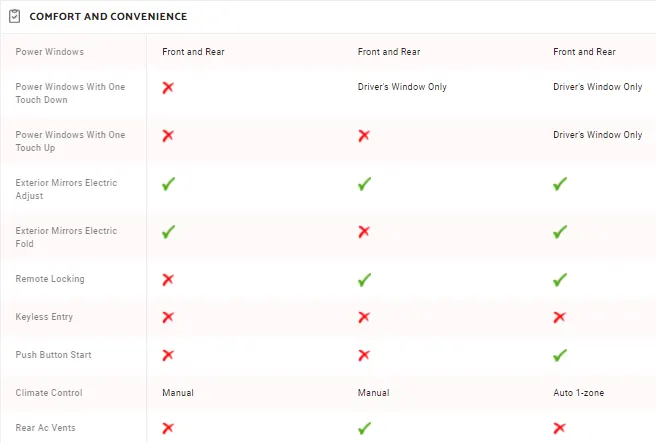



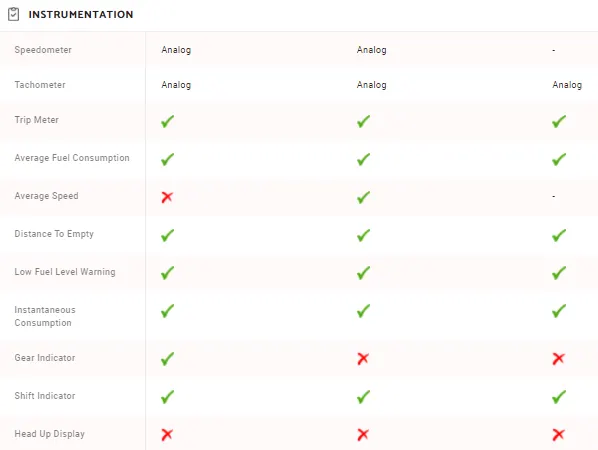
According to Mr. D.S. Pughazhyendhiis requirement, I'll strongly recommend him to go with TATA ALTROZ - 1.5 Revotorq XM. Since he travel 500km per month to his native Madurai and also uses it as a daily commute to office in Banglore, It matches all the aspects from fuel economy (beign a diesel car) to a bigger car and a 5 seater that falls with in his budget. Most Importantly when compared to other two models, this is the safest car for him and family as well. It scored 5 star in safety rating and also comes with a Isofix Child Seat Mount which was missing in the other two cars. And when we look on to the styling it is a trend setter with eyecatching color options. Other features like bigger boot space of 345 liters which is a good thing for long travel. Packs 5m Turning radius most needed in busy city trafic and a decent ground clearence of 165mm. A powerful turbocharged engine with 1497cc with 37 liters of fuel tank capacity make his ride joyfull and worry free on Milage.
2.BENCHMARKING

Benchmarking is first and foremost a tool for improvement, achieved through comparison with other organisations recognised as the best within the area. By identifying how superior companies organise their processes, a company can learn to adopt and adapt the best practices used by these companies. Benchmarking is not only a goal setting process but also a process by which new practices are discovered and understood. Benchmarking was initially used to compare product or service performance, often of competitors, for the purpose of setting competitive targets; it has now been noticeably spread out to business processes.
It undergoes five phases – Reverse Engineering, Competitive Benchmarking, Process Benchmarking, Strategic Benchmarking and Global Benchmarking.
Reverse Engineering
Reverse engineering is the process of discovering the technological principles of a device, object or system through analysis of its structure, function and operation.
This process has three main stages,
- Implementation recovery. Quickly learn about the application and prepare an initial model.
- Design recovery. Undo the mechanics of the database structure and resolve foreign key references.
- Analysis recovery. Remove design artifacts and eliminate any errors in the model.
Competitive Benchmarking
Competitive benchmarking is the process of comparing your company against a number of competitors using a set collection of metrics. This is used to measure the performance of a company and compare it to others over time. This will often include looking at the practice behind these metrics as well.
Process Benchmarking
Process Benchmarking focuses on selected production processes in the business rather than on the business as a whole. The goal of process benchmarking is to improve different stages of the production process and to increase efficiency by “learning from others”.
Strategic Benchmarking
Strategic benchmarking involves taking a long-term view of the company's direction. Therefore, during the process of strategic benchmarking, adapting other methods into planning is a must. Effective strategic planning ensures the investment in strategy can capably produce long-term results.
Global Benchmarking
Global Benchmarking helps organizations to identify the areas where the gap between their standard and that of the industry is the largest.