Benchmarking
BENCH MARKING
DEFINITION:
Bench marking in a automobile industry involves a structured comparision between similar products, services or process on some dimensions of performance.
Benchmarking is a process of measuring the performance of a company’s products, services, or processes against those of competitors considered to be the best in the industry, also known as “best in class.”
The point of benchmarking is to identify internal opportunities for improvement. By studying companies with superior performance, breaking down what makes such superior performance possible, and then comparing those processes to how your industry operates, you can implement changes that will yield significant improvements.
Benchmarking is a simple, but detailed, five-step process:
- Choose a product, service, or internal department to benchmark.
- Determine which best-in-class companies you should benchmark against – which organizations you’ll compare your industry to.
- Gather information on their internal performance, or metrics.
- Compare the data from both organizations to identify gaps in your company’s performance.
- Adopt the processes and policies in place within the best-in-class performers.
BENCH MARKING ON VEHICLES:
Here we are going to compare about four vehicles to give a conclusion on which is best.
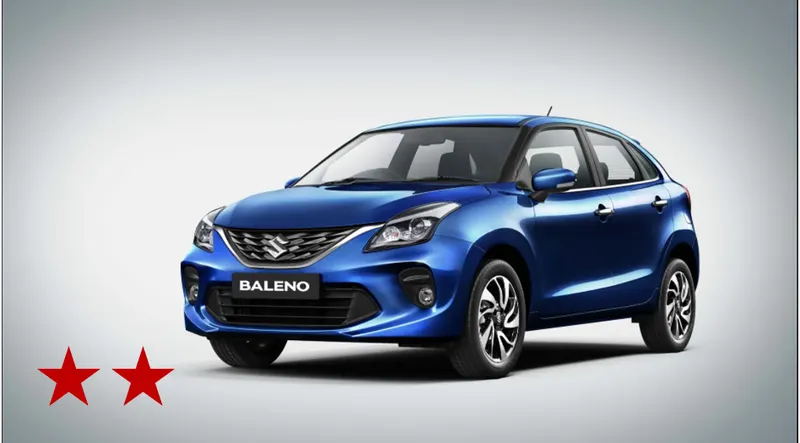
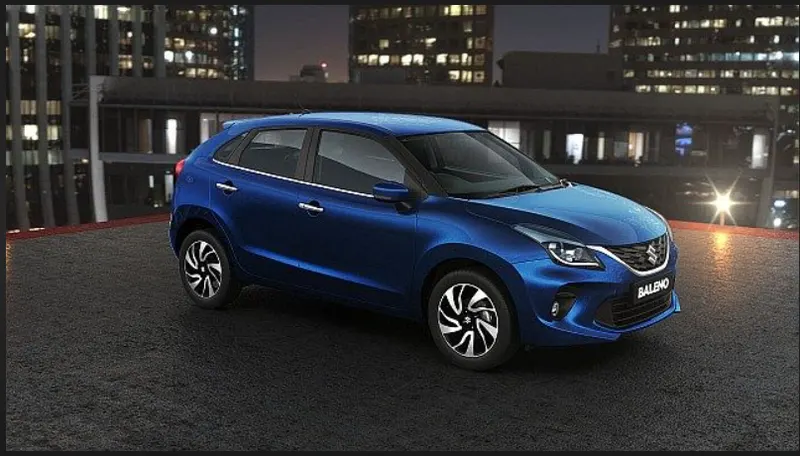
MARUTHI SUZUKI BALENO:
The new Baleno is the entry level premium hatchback from Maruti Suzuki, which was unveiled at the 2015 Frankfurt Motor Show.
It comes in 9 variants spread across 4 trims, 3 engine, 2 transmission and 2 fuel options.
The front fascia of the Baleno sports a black mesh grille and head-lamps with LEDs. This is the only premium hatch to get LEDs in their headlamps.
But, the build quality is average and the doors close with a dull, hollow sound. Even the panels feel light.
Available in seven colours.
Price:Rs. 7. 32 lakhs
Features:
Smart Hybrid Technology
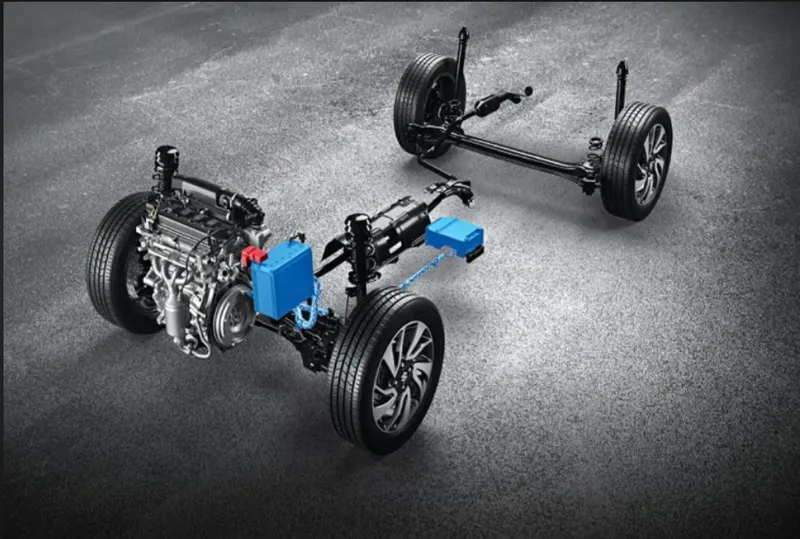
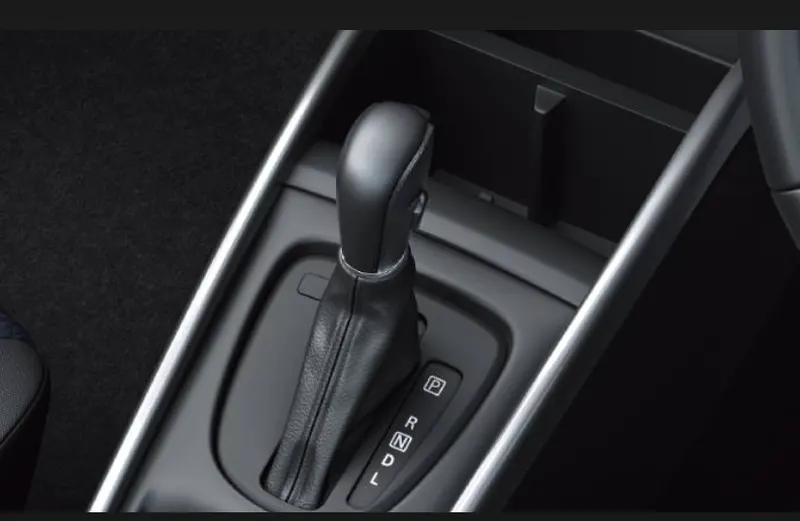
Enhanced exterior.
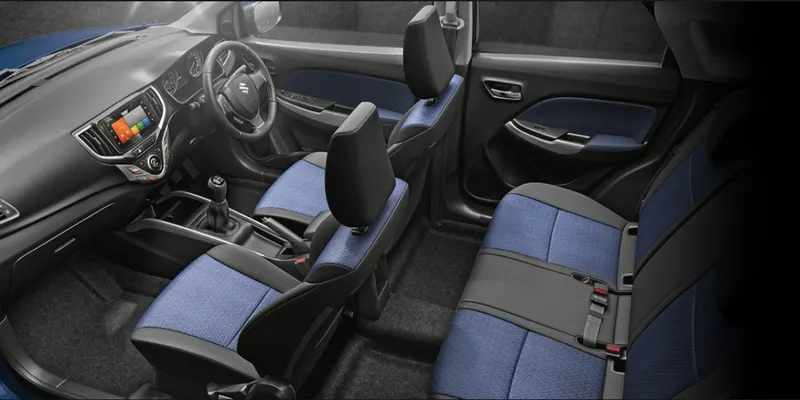
New Baleno's interiors are an embodiment of a thoughtful design philosophy.
Multi Information Display.
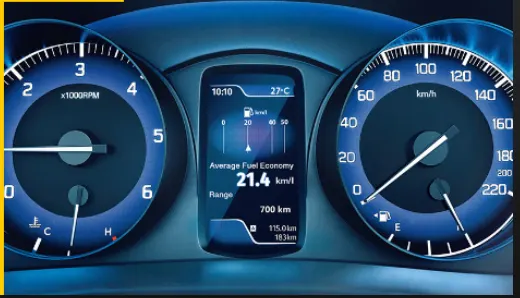
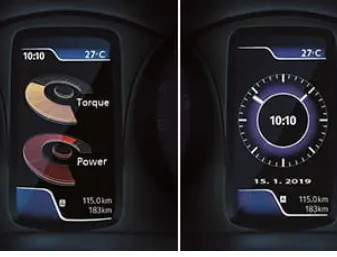
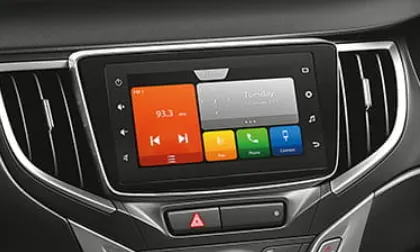
New smartplay audio.
cons:
- Rear row seat is shorter.
- Build quality is average.
- Poor under thigh support.
Pros:
- There are no rear AC vents, but still the cooling is good enough.
- Dual airbags.
- Front fog lamps.
|
Mileage (ARAI) kmpl |
21.01 kmpl |
|
Fuel Type |
Petrol |
|
Engine Displacement |
1197 cc |
|
Boot space |
339 litres |
|
Emission norm compliance |
BS VI |
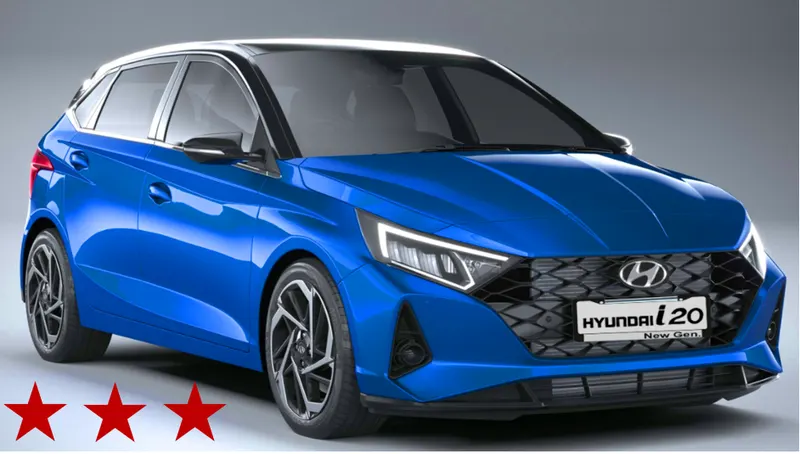
HYUNDAI i20:
The Hyundai i20 is a supermini hatchback produced by Hyundai since 2008.
The i20 made its debut at the Paris Motor Show in October 2008, and sits between the i10 and i30.
The i20 replaces the Getz in nearly all of its markets, while several markets received the slightly larger Accent/Verna hatchback to replace it instead.
Price - Rs. 9.32 Lakh
FEATURES:
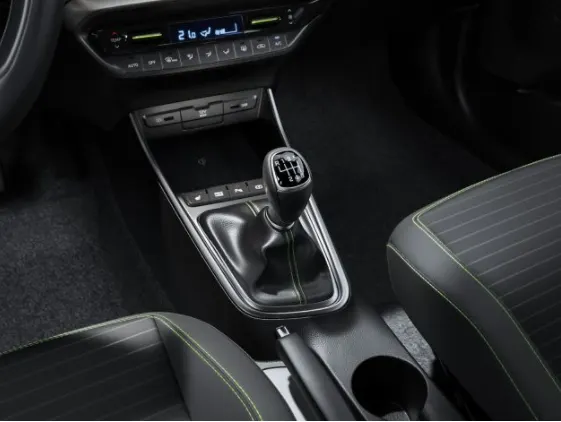
Intelligent Manual Transmission(iMT).
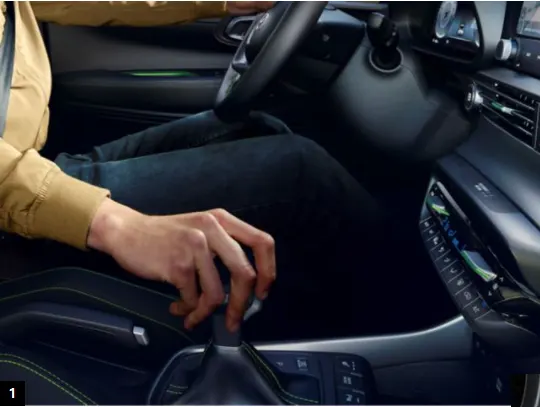
6- Speed manual Transition.
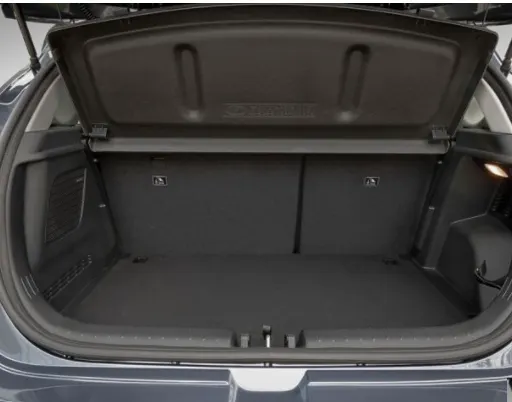
More Boot Space
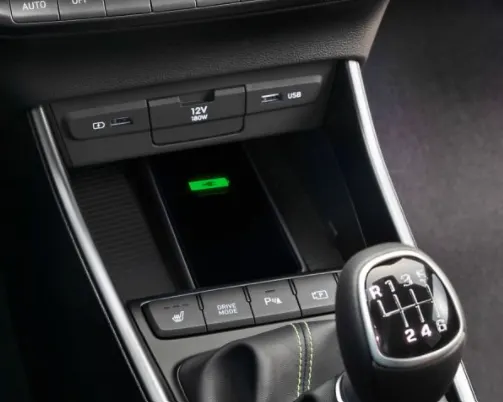
Wireless charging and USB ports
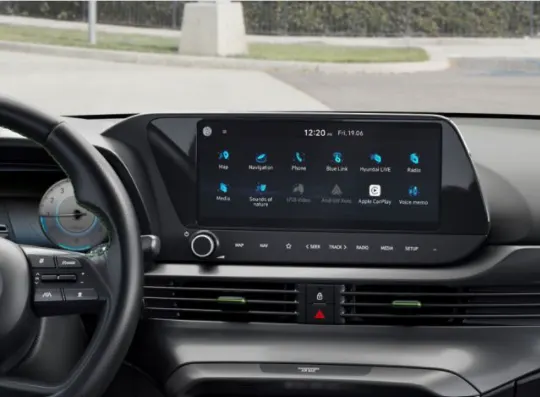
10.25" centre touch screen.
Pros:
- Sedan-like interior space
- Comfortable for all passengers
- Good looking car especially with its new fluidic design
Cons:
- Lack of safety features in some variants
- It isn’t the petrol car with the best mileage.
|
Mileage (ARAI) kmpl |
20.35 kmpl |
|
Fuel Type |
Petrol |
|
Engine Displacement |
1197 cc |
|
Boot space |
311 litres |
|
Emission norm compliance |
BS VI |
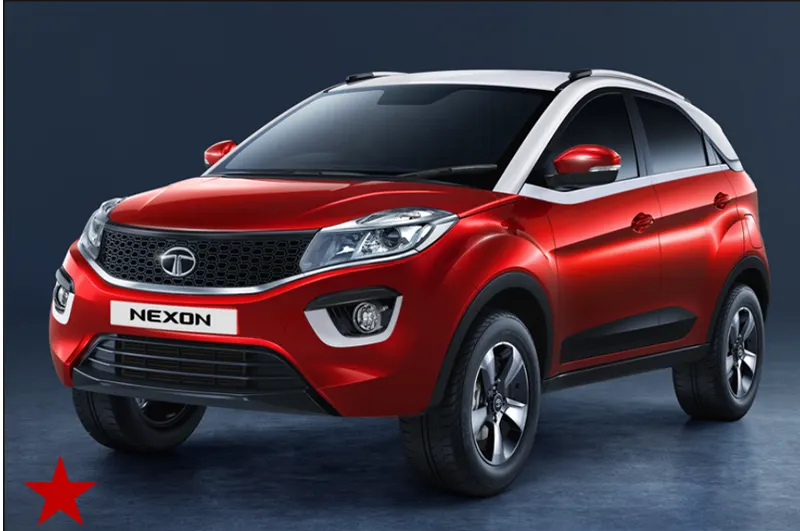
TATA NEXON
The Tata Nexon EV was introduced in India back in January 2020.
The SUV is the brand's first fully-electric product and comes powered by Tata Motors' Ziptron powertrain.
This consists of a 30.2kWh lithium-ion battery pack paired with an electric motor, producing 127bhp and 245Nm of peak torque.
Price- Rs.8.79 lakhs.
Features:
Isofix

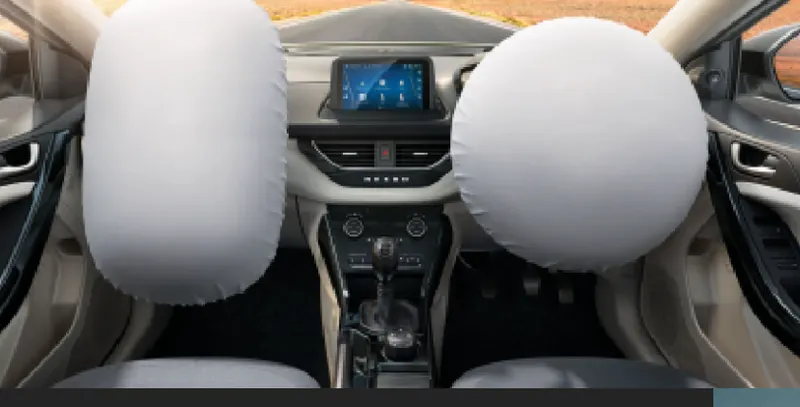
Dual front air bags
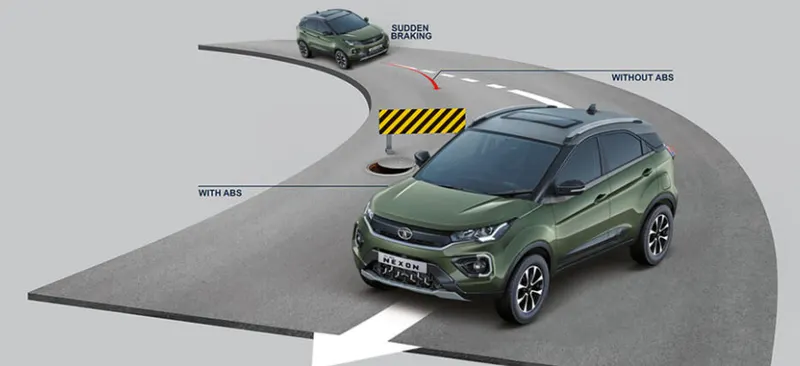
ABS with EBD as standard
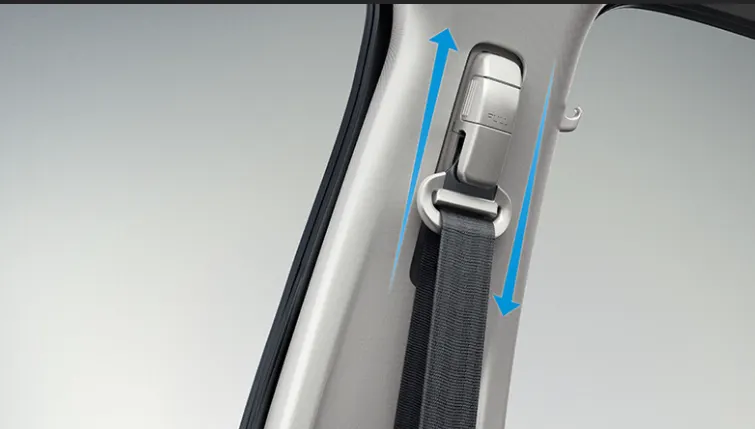
Height adjustable seatbelts
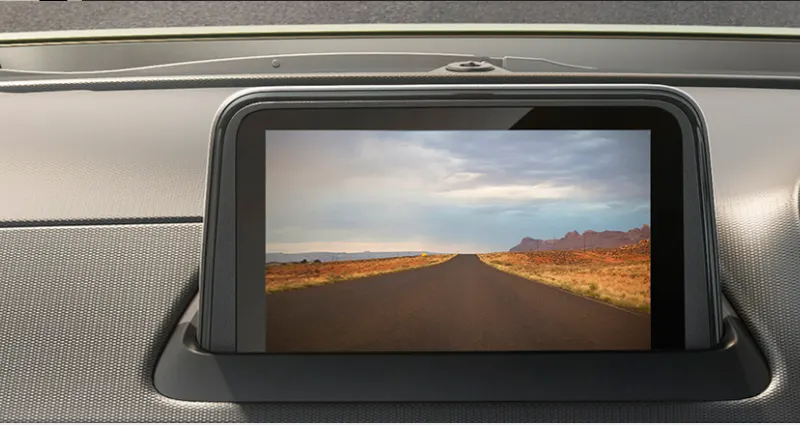
Reverse parking assist
Pros:
- Ground clearance
- 5 stared rating on global NACP.
- Best exterior
Cons:
- Poor ride quality.
- Unsatisfied interior space.
- Infotainment's touchscreen features are ineffective.
|
Mileage (ARAI) kmpl |
17.4 kmpl |
|
Fuel Type |
Petrol |
|
Engine Displacement |
1199 cc |
|
Boot space |
350 litres |
|
Emission norm compliance |
BS VI |
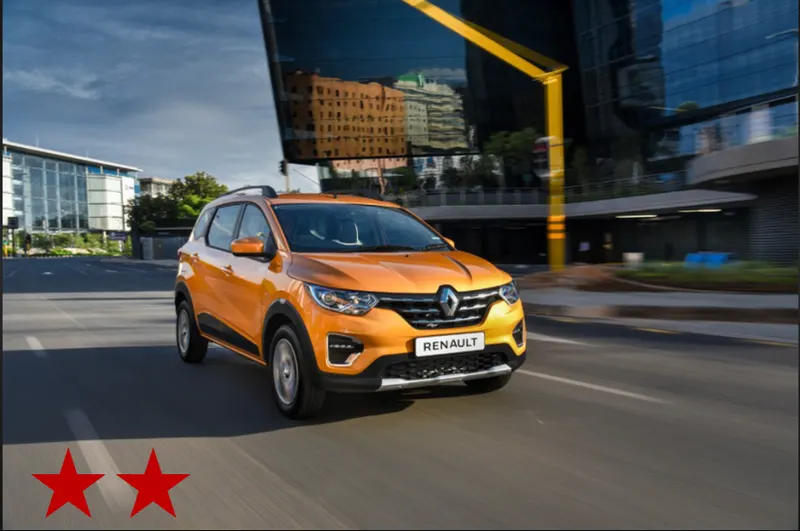
RENAULT KIGER
The global unveiling of the Renault kiger SUV happened at the start of this year.
It's for the first time that this French carmaker has added a compact SUV to its India line-up, which includes the kwid, triber, and duster.
In fact, the kiger is a global product manufactured in India and shares the same platform as its cousin rival - the nissan magnite.
It is available in 11 different colours.
Price - Rs.8.55 lakhs.
FEATURES:
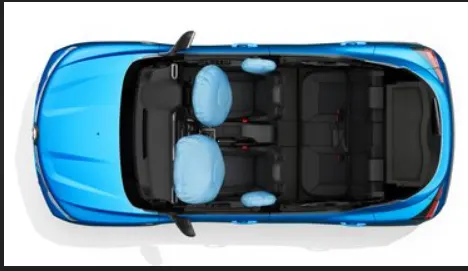
Four air bags
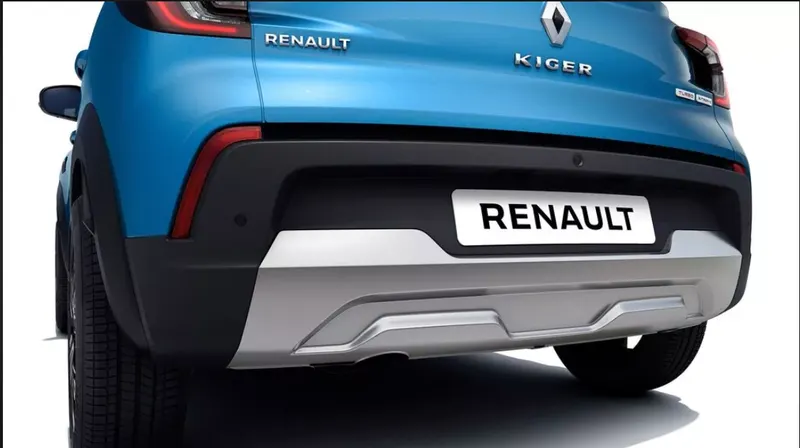
Rear skid plate
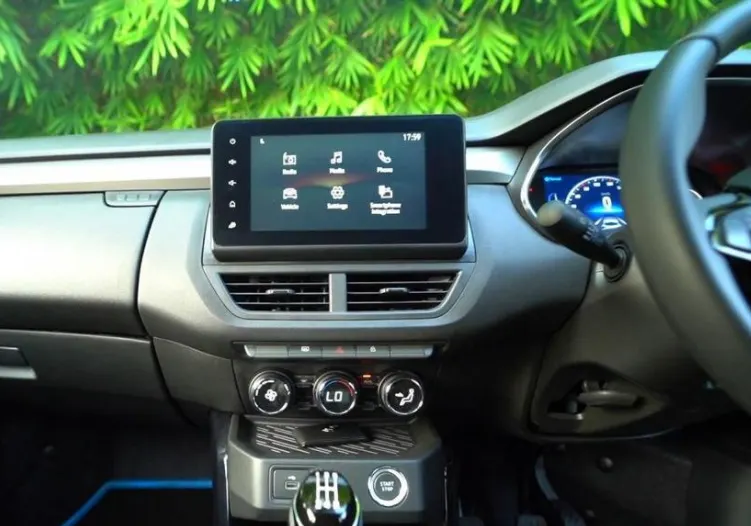
Floating infotainment system
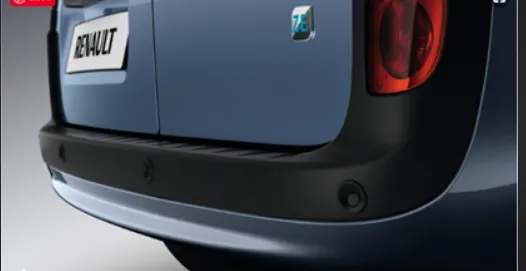
Rear parking sensor.
Pros:
- stylish design
- Turbo power
- very easy to drive in town
- Automatic convenience
- Multiple affordability prize points.
cons:
- cost cutting evident at places
- Limited shoulder room in second row.
|
Mileage (ARAI) kmpl |
20 kmpl |
|
Fuel Type |
Petrol |
|
Engine Displacement |
999 cc |
|
Boot space |
405 litres |
|
Emission norm compliance |
BS VI |
COMPARISION:
Features: 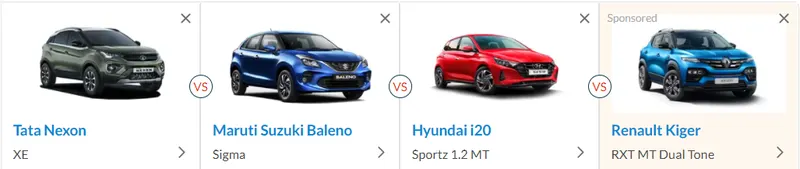
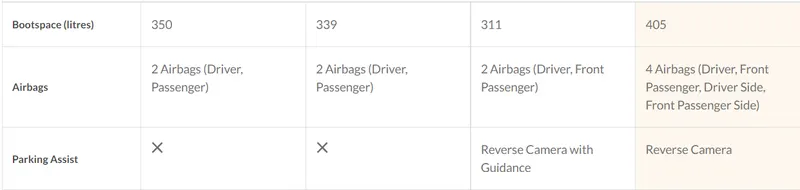
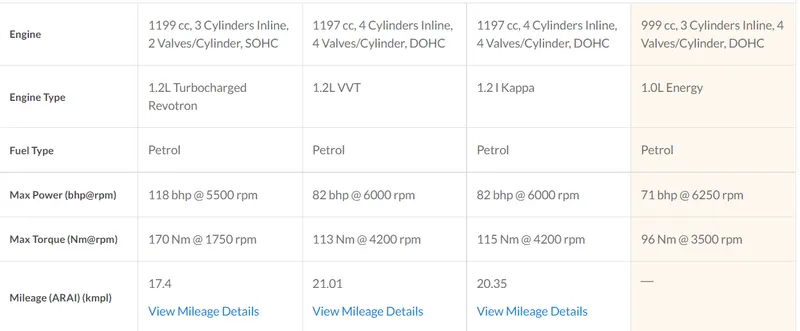
Conclusion:
Finally, on concluding this the Hyundai i 20 has lower mileage than the baleno but higher than the other two.
For long trips we prefer a comfortable journey for that the Hyundai i20 is much better because the interior space is little bit constrained in others.
Other than this it has a slight difference in boot space.
so hyundai i20 is better for a family for long trips.
On rating with the three stared scale.