Benchmarking
CONDITION STATEMENT
Mr. D.S. Pughazhyendhii is a married man who lives in Bangalore which is a highly crowded city. His Family comprises five members including his wife, five-year-old boy, his father, and his mother. He visits his native place Madurai which is 500kms away from Bangalore once in a month. Also, he will be using his car to commute to his office. His budget falls between 8 to 10 lakhs on road. Please suggest to him with options so that he will buy a good car for his family.
Note: Pughazhyendhii is fond of big cars.
IMPORTANT NOTES FOR CONSIDERATION OF CAR
1. Family consists of 5 members, including a 5 year old boy.
2. Car would be used for long distance as well as for daily travel purpose for office.
3. Car's budget should be between 8 to 10 lakhs.
4. Customer is fond of big cars.
SOLUTION APPROCH
As our aim is to suggest the best options from the cars available, we need to first follow benchmarking technique in order to compare the cars available with suitable features and build qualities and suggest the best car out of them as per conditions.
What is BENCHMARKING?
Benchmarking is a way of discovering what is the best performance being achieved – whether in a particular company, by a competitor or by an entirely different industry. This information can then be used to identify gaps in an organization’s processes in order to achieve a competitive advantage. Thus it is important for Six Sigma practitioners to:
- Understand fully the purpose and use of benchmarking.
- Understand the difference between benchmarking and competitor research.
- Gain insight to ensure that benchmarking is in alignment with the company’s management objectives.
In every automobile industry there are main 4 stages in development of the vehicle:
- Pre Design and Development stage
- Design Engineering stage
- Development Engineering stage
- Start of production and vehicle marketing stage
Benchmarking happens in the first stage itself in the Pre Design and development stage. In this stage the product, services and processes are measured against those of organizations known to be leaders in one or more aspects of their operations. Benchmarking provides necessary insights to help you understand how your organization compares with similar organizations, even if they are in a different business or have a different group of customers.
Benchmarking can also help organizations identify areas, systems, or processes for improvements—either incremental (continuous) improvements or dramatic (business process re-engineering) improvements.
Benchmarking can be classified into two different categories:
- Technical Benchmarking
Technical benchmarking is performed by design staff to determine the capabilities of products or services, especially in comparison to the products or services of leading competitors.
- Competitive Benchmarking
Competitive benchmarking compares how well (or poorly) an organization is doing with respect to the leading competition, especially with respect to critically important attributes, functions, or values associated with the organization’s products or services.
TYPES OF CAR'S AVAILABLE IN INDIA
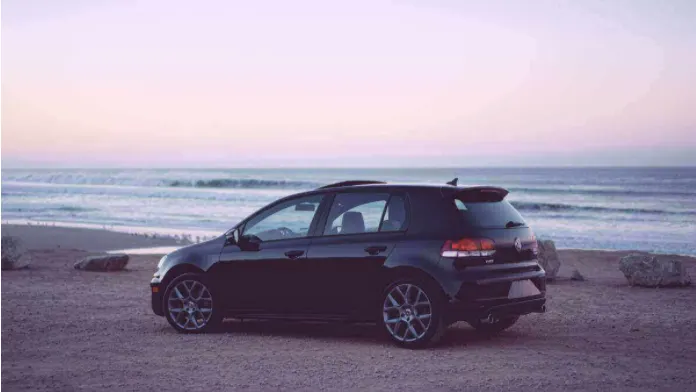
1. HACHBACK
This type of car is a small car with a rear door which opens upwards revealing the boot space to keep your luggage. Excluding the rear door, hatchbacks are built with four-doors, while two-door hatchbacks are also available in the market. Most hatchbacks use the front-wheel drivetrain to propel the vehicle, while performance-oriented hatchbacks can be either a rear-wheel or front-wheel drive.
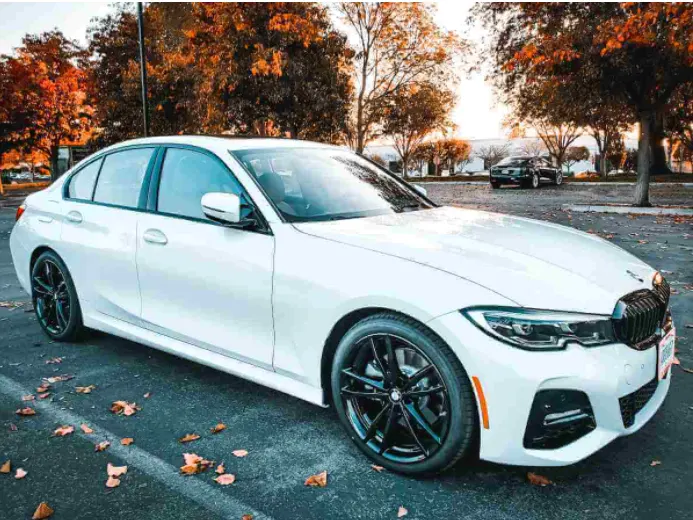
2. SEDAN
The main feature of a sedan is that it is designed with separate passenger and boot space. Sedans feature four-doors and a boot or trunk. A sedan is designed as a 3-box configuration vehicle — engine, passenger and cargo. The word sedan is used in American English, while the word saloon is used in British English.
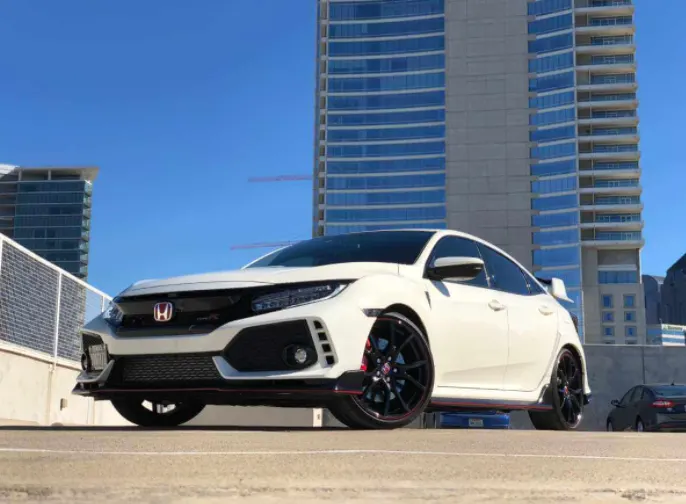
3. COMPACT SEDAN
The Indian car market is complex and the needs of customers are sometimes different compared to other countries. One such is the compact cars. These cars measure less than four-metres in length and enjoy tax benefits from the Indian government.
To take advantage of the pricing factor, Indian car manufacturers developed car body types which are exclusive to India. The compact sedan is one such exclusive type of car. While these cars look like a sedan with four-doors and a boot or trunk, space is much lesser compared to the regular sedan.
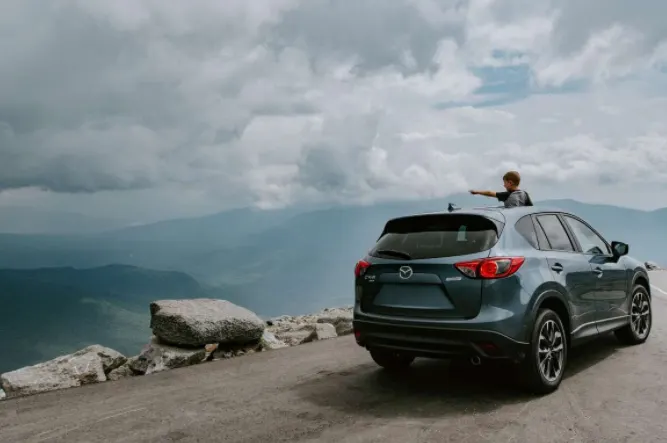
4. CROSSOVER
CUV or Crossover Utility Vehicles exterior is designed with the combination of a Sports Utility Vehicles (SUVs) and a hatchback. Crossover vehicles have soft off-roading capabilities but do not perform like an SUV.
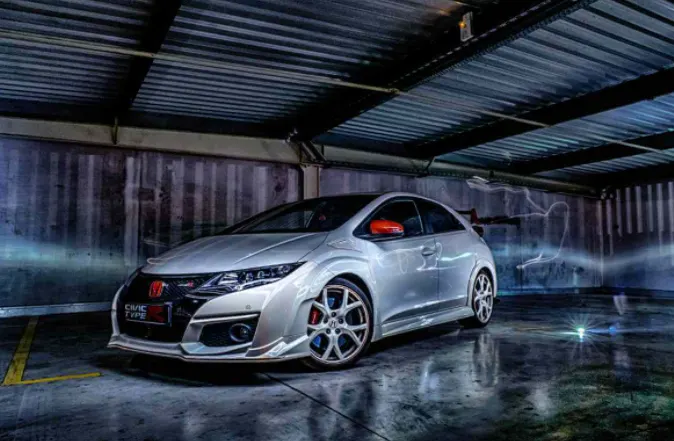
5. CROSSOVER HACHBACK
These types of cars are essentially hatchbacks with an exterior and feel of an SUV but do not qualify to be called an SUV. The Indian market is competitive and customers prefer a compact or a small four-wheeler but with an SUV design language.
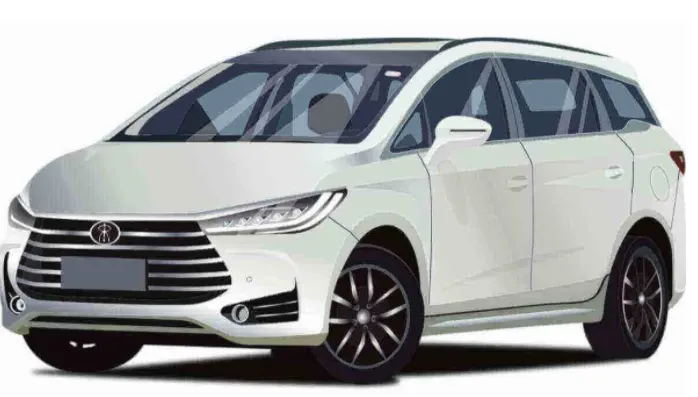
6. MULTI UTILITY VEHICLE
MPV or Multi-Purpose Vehicles are people carriers and designed to offer more space and seats with either two, three or more rows of seating. This type of vehicle is also called MUV (Multi-Utility Vehicle). MPVs are usually designed like a van for maximum interior space.
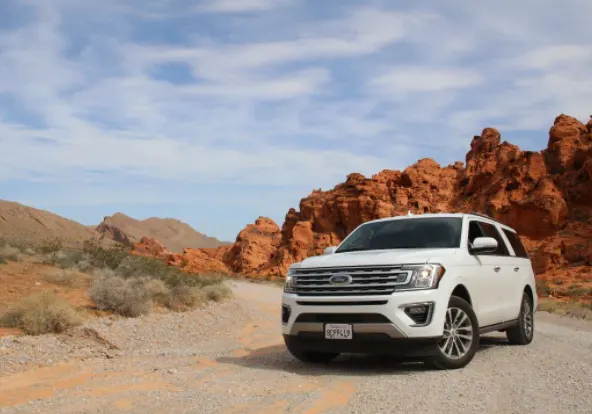
7. SUV(SPORTS UTILITY VEHICLE)
SUVs are built with the combination of passenger cars with features of off-road vehicles. This includes higher ground clearance, four-wheel drive, and other off-roading capabilities. SUVs are large in size with big wheels and boast of different terrain capabilities.
In recent times, SUVs are increasingly being used in urban roads and not for off-roading purposes, hence, these SUVs can be either soft or hard off-road vehicles.
SUGGESTION 1
As Mr. D.S. Pughazhyendhii is fond of big cars and is having a family of 5 members, SUV will be the best option from the above list of types of cars.
List of SUV cars
1. Mahindra XUV300 W4 Diesel
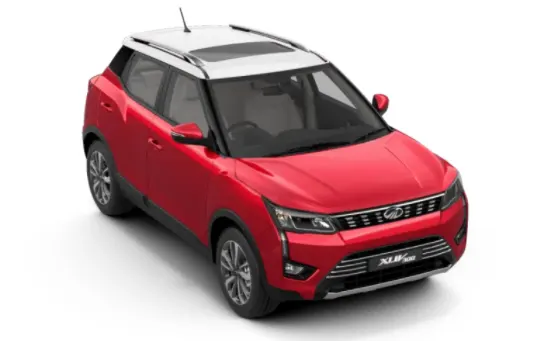
On road Price: Rs.10,10,895
Specifications:
Engine and Transmission, Fuel and Performance
| Fuel Type | Diesel |
| Engine Type | 1.5L Turbo Diesel |
| Transmission Type | Manual |
| Gear Box | 6 speed |
| Mileage | 20 kmpl |
| Fuel Capacity | 42 Litres |
| Emission Norm Compliance | BS VI |
| Steering Type | Power |
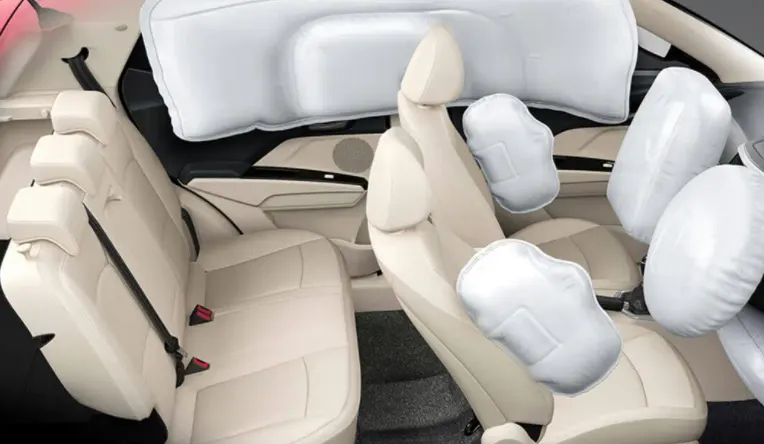
This car has 7 air bag segments which can be seen in above image which provides protection not only to the front passengers but also to the passengers who are sitting in the rear seats.
2. Renault Duster RXS
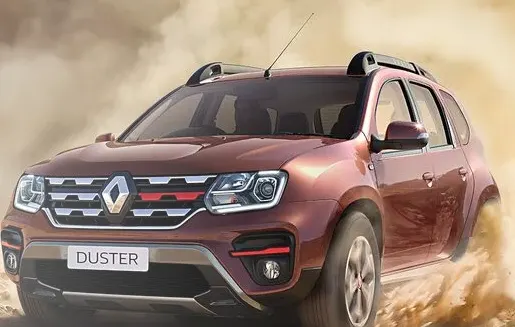
On road price : Rs. 10,93,664
Engine and Transmission, Fuel and Performance
| Fuel Type | Petrol |
| Engine Type | 1.5L Petrol |
| Transmission Type | Manual |
| Gear Box | 5 speed |
| Mileage | 16.42 kmpl |
| Fuel Capacity | 50 Litres |
| Emission Norm Compliance | BS VI |
| Steering Type | Power |
Safety features
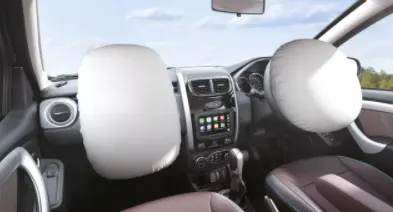
Driver & front passenger airbags
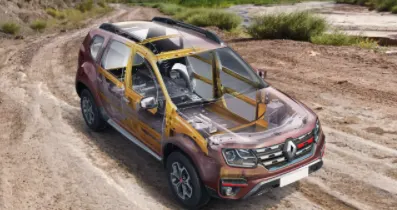
Monocoque design
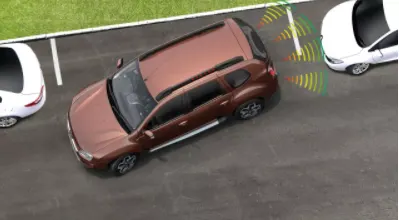
Reverse parking sensors
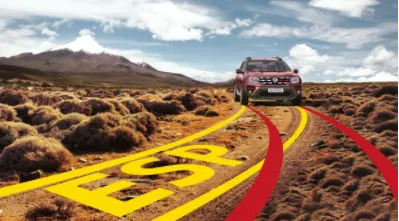
Electronic Stability Program
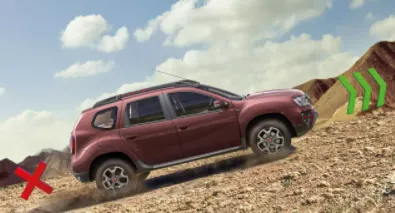
Hill Start Assist
3. Nissan Kicks 1.5 XL
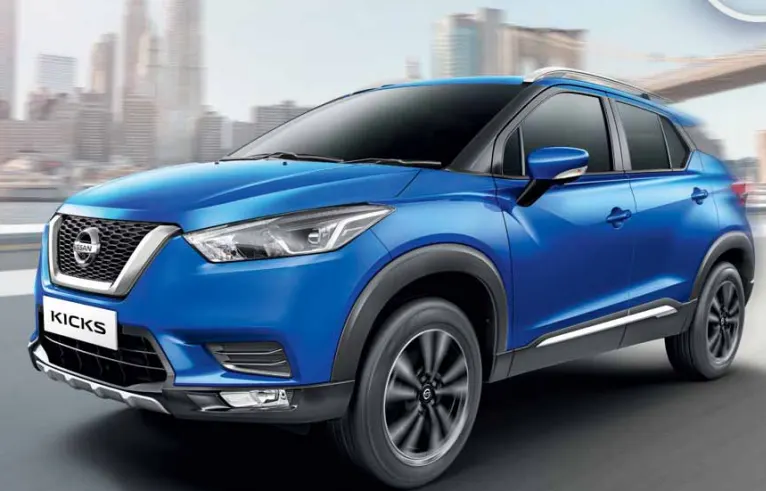
On road price: Rs. 10,60,878
Engine and Transmission, Fuel and Performance
| Fuel Type | Petrol |
| Engine Type | 1.5L HR15 Petrol |
| Transmission Type | Manual |
| Gear Box | 5 speed |
| Mileage | 14.23 kmpl |
| Fuel Capacity | 50 Litres |
| Emission Norm Compliance | BS VI |
| Steering Type | Power |
5. Ford EcoSport
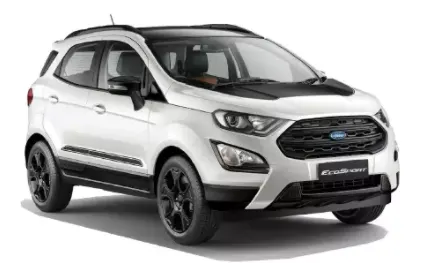
On road price: 10,61,406
Engine and Transmission, Fuel and Performance
| Fuel Type | Diesel |
| Engine Type | 1.5L Diesel |
| Transmission Type | Manual |
| Gear Box | 5 speed |
| Mileage | 21.7 kmpl |
| Fuel Capacity | 52 Litres |
| Emission Norm Compliance | BS VI |
| Steering Type | Power |
CONCLUSION
From the above options I would recommend Mr. D.S. Pughazhyendhii to buy Mahindra XUV300 W4 Diesel due to following reasons.
1. It is at affordable price of Rs. 10,10,895.
2. Since his family consists of 5 members including a 5 year old boy, this car has air bags not only for the front passengers but also for the passengers sitting in the back side as well, along with a child safety lock system, which would ensure the safety of all the passengers in the car.
3. This car has more ground clearance.
4. With a good average of 20 kmpl, this car can be used for travelling in highways as well as for urban roads for daily commuting.