Benchmarking
Explanation of Benchmarking
Benchmarking is a process of comparing the performance, features, or qualities of a product, service, or process against those of other similar entities or industry standards. It involves identifying the best practices, standards, or performance levels in a particular field and using them as a reference point to improve one's own performance.
Benchmarking can be done in various ways, such as,
-
Internal Benchmarking: Comparing performance or processes within different departments or divisions of the same organization.
-
Competitive Benchmarking: Comparing performance against direct competitors in the industry.
-
Functional Benchmarking: Comparing processes or practices with organizations that are not direct competitors but have similar functions or operations.
-
Generic Benchmarking: Comparing processes or practices with organizations from different industries to learn from their best practices.
By benchmarking, organizations can gain insights into their strengths and weaknesses, identify areas for improvement, and adopt industry best practices. It helps in setting realistic goals, improving efficiency, and staying competitive in the market.
Comparison of Four Vehicles:
Based on Mr. Pughazhyendhii's requirements and budget, the following are four vehicles available in the market that can be compared:
-
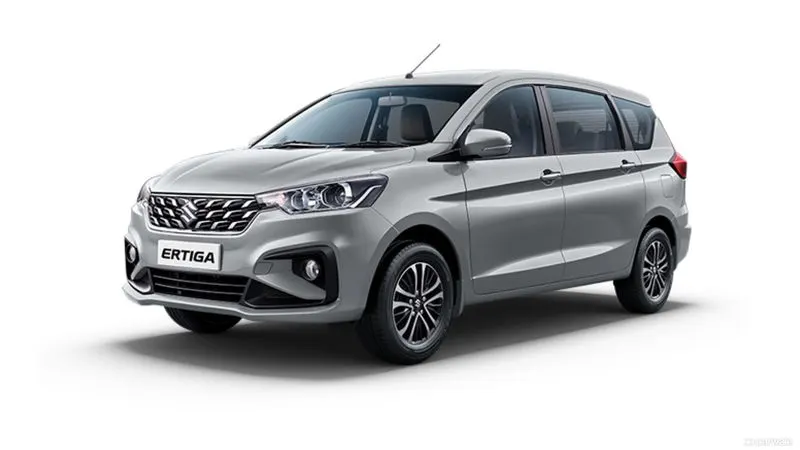
Maruti Suzuki Ertiga:
- Price Range: Rs. 8.52 - 10.80 lakhs (on-road, Bangalore)
- Features: Spacious 7-seater, comfortable ride, decent fuel efficiency, reliable after-sales service, good ground clearance.
- Pros: Affordable price, ample seating capacity, suitable for city driving and occasional long trips.
- Cons: Limited power for a big car, average build quality.
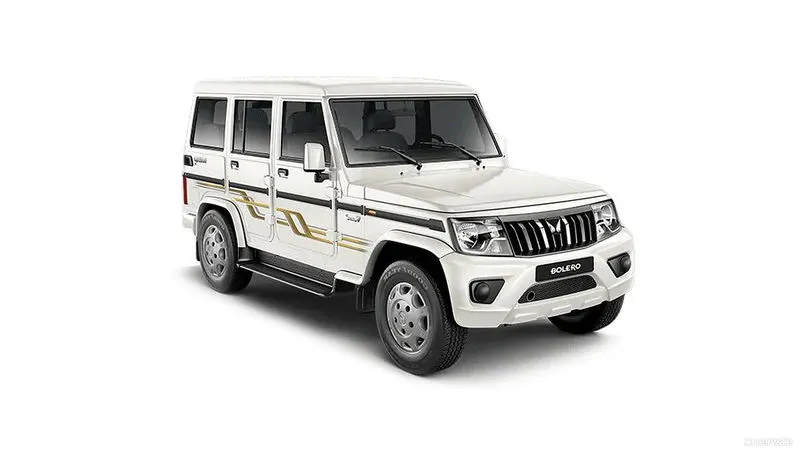
2. Mahindra Bolero:
- Price Range: Rs. 8.17 - 9.87 lakhs (on-road, Bangalore)
- Features: Rugged SUV design, spacious interior, high ground clearance, good for rough terrains, powerful engine.
- Pros: Suitable for city and off-road driving, comfortable seating, durable build quality.
- Cons: Average fuel efficiency, limited modern features.
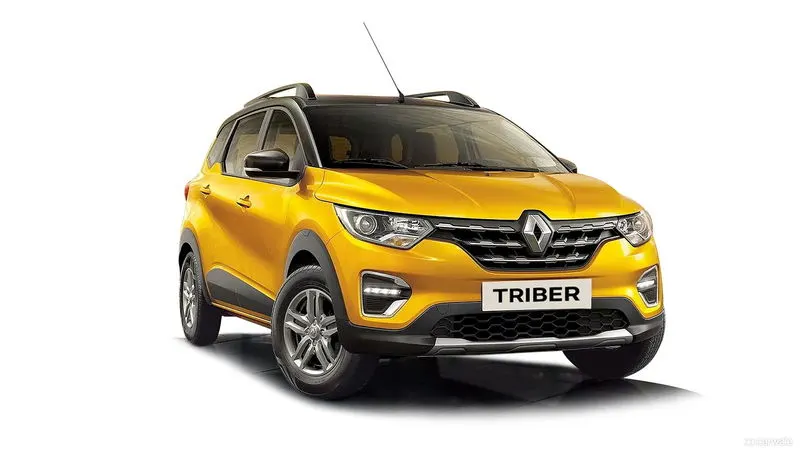
3. Renault Triber:
- Price Range: Rs. 7.52 - 9.50 lakhs (on-road, Bangalore)
- Features: Compact 7-seater, modular seating arrangement, good fuel efficiency, modern features, spacious cabin.
- Pros: Affordable price, versatile seating options, compact size for city driving, good value for money.
- Cons: Limited power for a big car, average build quality
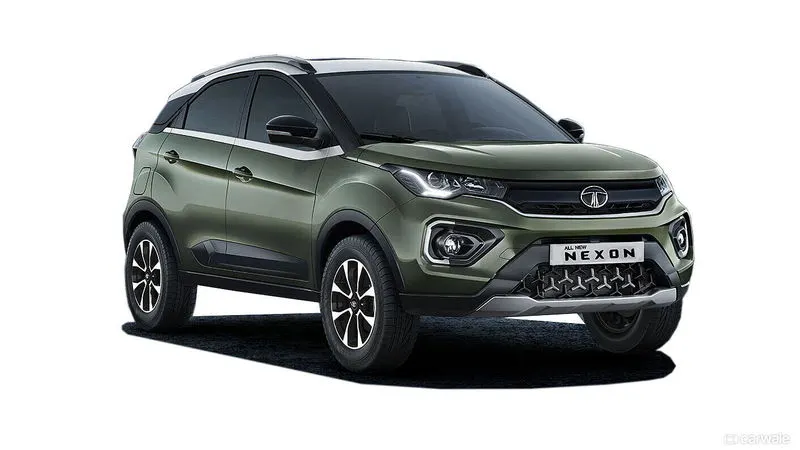
4. Tata Nexon:
- Price Range: Rs. 8.30 - 11.00 lakhs (on-road, Bangalore)
- Features: Compact SUV, stylish design, good safety features, comfortable seating, decent fuel efficiency.
- Pros: Spacious cabin, powerful engine options, modern features, comfortable ride.
- Cons: Relatively higher price, limited rear legroom for a big car.
-
Conclusion and Suggested Vehicle:
After comparing the four vehicles based on Mr. Pughazhyendhii's requirements and budget, the recommended car is the Tata Nexon. It offers a combination of spaciousness, stylish design, safety features, and a comfortable ride.
The Tata Nexon is a compact SUV that provides ample seating capacity and modern features. It has powerful engine options and a comfortable cabin, making it suitable for both city driving and occasional long trips. The Nexon's stylish design and good safety features add to its appeal.
-