Benchmarking
Mr . D.S. Pughazhyendhii's family requires what Safe Car yet the value which offers an Equilibrium strike of Mileage, Maintenance with Good space, Features and a Social Status too of not to be owning a car which is of entry segment but one which offers Value.
With Transformation happening in Mindsets - Safety along with Good Interiors, Features are also making an important buying aspect.
Mr . D.S. Pughazhyendhii's major requirements in a car:
- 5-7 seats for his family members.
- Budget: Rs. 8-10 Lakhs/-, on road price
- Good Mileage
- Good car for easy commuting within city and long drive as well.
- He is also fond of big cars.
- 5-7 seats for his family members.
I would suggest diesel/ petrol Engine Vehicle, SUVs is preferrable.
SUGGESTION OF CARS:
- TATA ALTROZ
- TATA NEXON
- HYUNDAI VENUE
- MURUTHI SUZUKI VITARA BREZZA
- HUNDAI GRAND I10 NIOS
MODELS/SPECIFICATION:
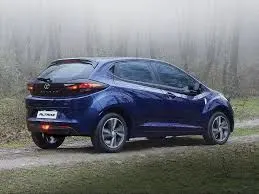
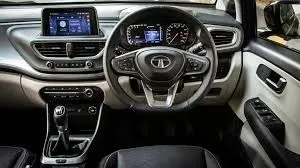
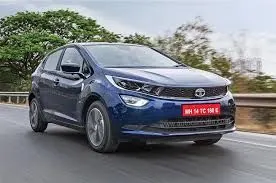
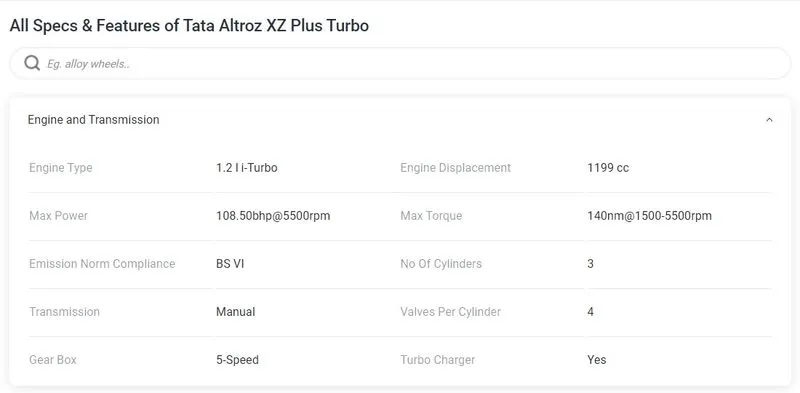
TATA ALTROZ: PETROL
cost: 8-9.5lakhs
MODEL:
MODELS/SPECIFICATION:
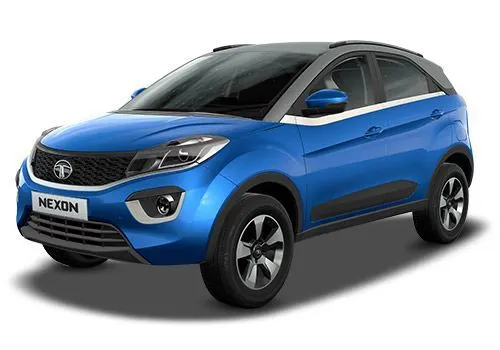
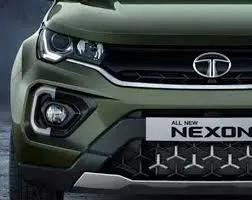
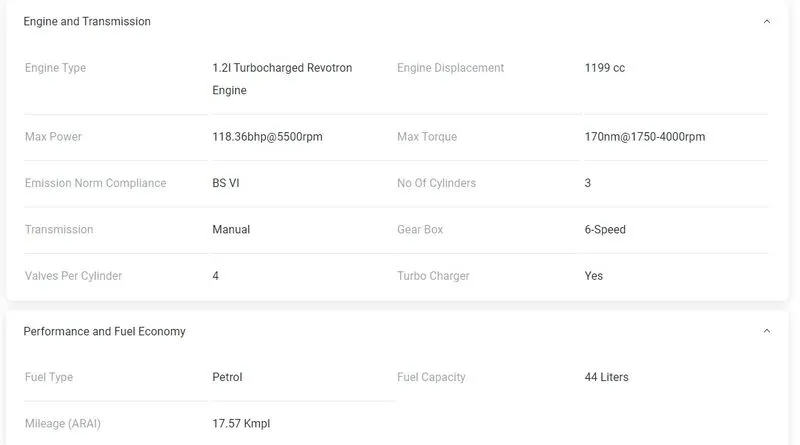
TATA NEXON: PETROL
cost: 9.5-10lakhs
MODEL:
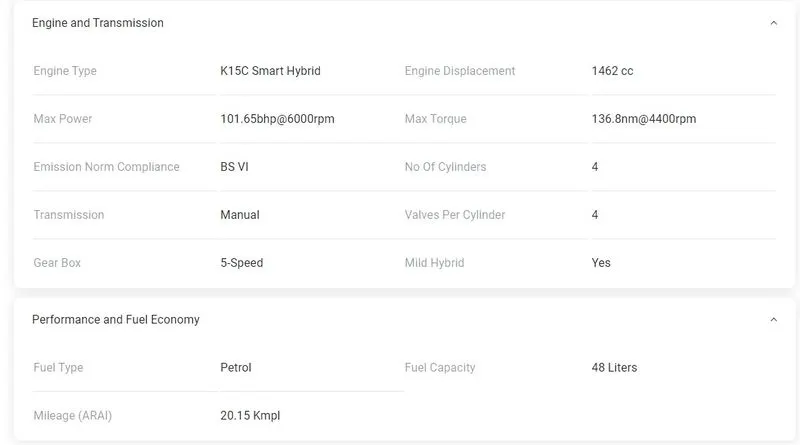
MARUTI SUZUKI VITARA BREZZA:petrol
cost:9.3 Lakhs
MODEL:



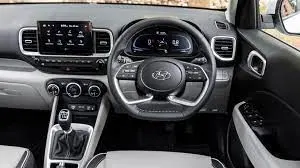
HUNDAI VENUE :petrol
cost:9.5-10 Lakhs
MODEL:

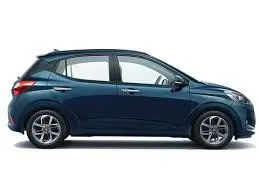
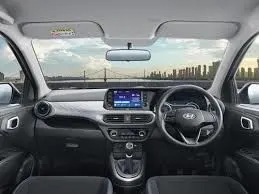
HUNDAI I10NIOS :petrol
cost:8-9.5 Lakhs
MODEL:

In my view,
Lets took into differentce between cars Mention above and select which is suitable for The above conditions.
among them i recommended
HYNDAI VENUE
This model cars are suitable and its best for the above family.
comparison betweem all these cars best of one is hyundai venue.
PROS AND CONS
PROS OF HYUNDAI:
- Feature-rich SUV,
- Internet Connectivity.
- Multiple Engine Options,
- Easy to drive, value based imt a plus point
- Great engine options including diesel and turbo petrol
- Looks nice, cabin is well paid out too
CONS:
- Less Legroom Space for taller Person
- Less Spacoius on Back Seat.
- Pick-Up in top gears.
- Long waiting period for some versions
- Space isn't in the league of the Nexon
DETAILED COMPARISON OF VENUE.
Safety
Venue comes loaded with ABS (Anti-lock Braking System), Central Locking, EBD (Electronic Brake-force Distribution), ISOFIX (Child-Seat Mount).
Engine
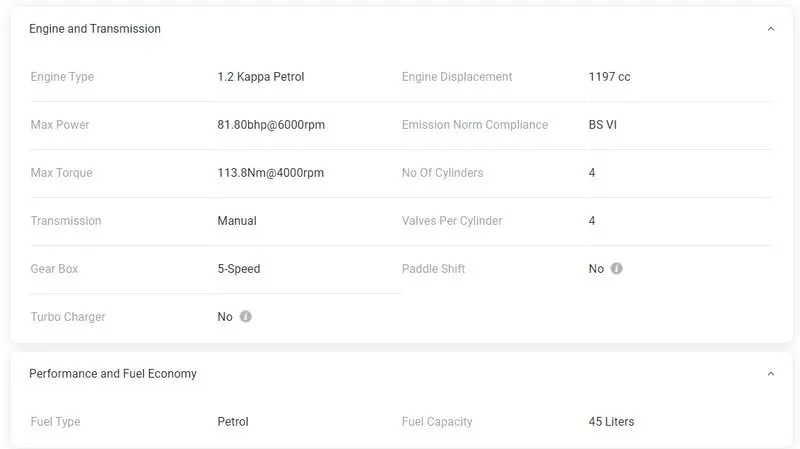
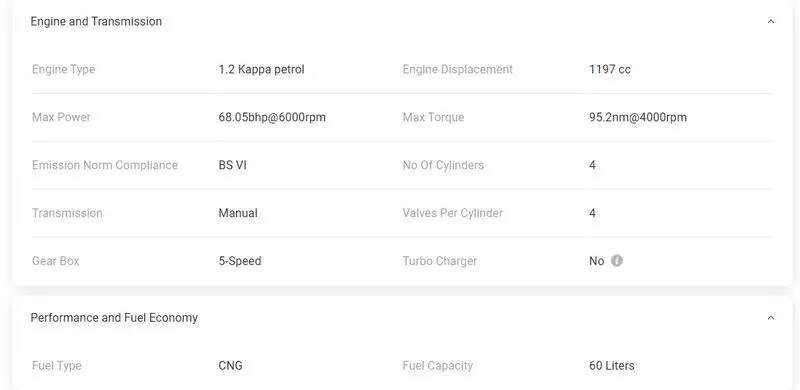
Venue comes with a 4 cylinder, 1197 cc, Kappa 1.2 L MPi Petrol Petrol Engine which can generate 84 PS @ 6000 rpm power and 114 Nm @ 4000 rpm torque.
Warranty
Hyundai Venue has a warranty of 3 Years/Unlimited Kms
Body
Venue has 5 doors and 5 seats. It is an SUV with 350 Litres boot space, 45 Litres fuel tank capacity and a ground clearance of 200 mm. It is 1770 mm wide, 1590 mm high and 3995 mm long. It has 1168 Kg kerb weight and 2500 mm wheel base.
Transmission
Hyundai Venue comes with FWD (Front Wheel Drive) and 5 Speed Manual transmission.
Brakes, Suspensions and Tyres
Venue has Ventilated Disc brakes, Mc Pherson Strut With Coil Spring Rear suspension with Coupled Torsion Beam Axle with coil spring suspension and Drum brakes in rear wheels. It has a 195/65 R15 front tyre size. Contrastingly.
As we seen in the clear cut about the 2 different cars hyundai and ford ecosport,
Among both of them i would like to suggest HYNDAI is the best for the Mr. D.S. Pughazhyendhii family

CONCLUSION:
The suggested of the best automotive car for Mr. D.S. Pughazhyendhii family is HYUNDAI VENUE. Among all the comparison it is suitable for BANGALORE road, And to travel upto 500Km.
AIM: DETAILED REPORT ON BENCHMARKING
To prepare a report explaining what is Bench-marking , Compare at least 4 Vehicles and Provide a Preoper conclusion for the report ,suggesting a suitable vehicle among the comparison made.
WHAT IS BENCHMARKING ?
It is the process of comparing one's business process and performance metrics to industries bests and/or best practises from other industries.Process benchmarking includes studying process flows, operating system, process technologies and the operation of target firms and departments.
Also it can be defined as the way of discoveing what is the best performance being acived-whether in a particular company ,by a competiter or by entirely different industry. this information can then used to identify gaps n an organization' process to achieve a competative adavantage.
Three primary classification of Benchmaking :
Althrough there are many forms of benchmarking, they can classified into three categories-internal, competative and strategic.
INTERNAL BENCHMARKING :s used when a company already has established and proven best practices and they smply need to share them.internal benchmarking also may be necessary if comparable industries are not readyly available.
COMPETITIVE BENCHMARKING: is used when a company wnats to evaluate its position wthn its when a company needs to identfy industry leadership performance targets.
STRATEGIC BENCCHMARKING:is used when identifying and analysng world-class performance.Ths form of benchmarking is used most a company needs to go outside of its industry.
STEP-BY-STEP ABOUT BENCHMARKING:
Benchmarking is a simple,but detailed,five -step process.
- Choose a product , service , or nternal department to benchmark.
- Determine which best -in-class companies you should benchmarking against, which organizations you will comapre your business to.
- Gather information on therir internal performance,or matrics.
- compare the data from both organizations to identify gaps n your company's performance.
- adpot the processes and policies in place within the best-in-class performers.
In order to benchmarking anything, you need to have quantitative data available to study. That means breaking down internal processes to calculate performance metrics.Quantify everything, because only quantfable normation can be accurately compred.
BENIFITS:
In addition to helping companies become more efficient and profitable ,benchmarking has other benefits, too much as:
By identifying areas you wish to improve on in your business and benchmarking your existing performance against competitors, your business can strive to enhance your execution tenfold. Using benchmarking this way has allowed businesses to gain strategic advantages over competitors and grow industry averages.
- Monitor Performance
Benchmarking involves looking at current trends in data and projecting future trends depending on what you aim to achieve. In order to know you have been successful, benchmarking needs to be a continuous process. Monitoring performance is an inherent characteristic of it.
- Continuous Improvement
As well as monitoring performance, continuous improvement is an essential attribute of benchmarking. This is because the aim of benchmarking is to improve certain elements of a business. This improvement should not merely be something that improves once and is forgotten, but something that improves over time and is continuous.
- Planning and Goal Setting
Once benchmarking has been carried out, goals and performance metrics are set in order to improve performance. These goals are new, more competitive targets for a company but they must be achievable. If goals are unrealistic to achieve teams become demotivated and goals are destined to remain unfulfilled.
- Encourage Ownership
When companies look at their processes and metrics they need to ask hard questions to get all the answers they need. This includes talking to everyone in the business and understanding their roles. By asking these questions and gaining a better understanding of everyone’s role, ownership of processes and performance is encouraged. This means that employees will take pride in their job and the work they do. This pride leads to better performance and higher-quality end results.