Benchmarking
Benchmarking
What is Benchmarking?
Benchmarking is a process of measuring the performance of a company’s products, services, or processes against those of another business considered to be the best in the industry, aka “best in class.” The point of benchmarking is to identify internal opportunities for improvement. By studying companies with superior performance, breaking down what makes such superior performance possible, and then comparing those processes to how your business operates, you can implement changes that will yield significant improvements.
That might mean tweaking a product’s features to more closely match a competitor’s offering, or changing the scope of services you offer, or installing a new customer relationship management (CRM) system to enable more personalized communications with customers.
There are two basic kinds of improvement opportunities: continuous and dramatic. Continuous improvement is incremental, involving only small adjustments to reap sizeable advances. Dramatic improvement can only come about through reengineering the whole internal work process.
Step-by-Step Benchmarking
Benchmarking is a simple, but detailed, five-step process:
- Choose a product, service, or internal department to benchmark
- Determine which best-in-class companies you should benchmark against – which organizations you’ll compare your business to
- Gather information on their internal performance, or metrics
- Compare the data from both organizations to identify gaps in your company’s performance
- Adopt the processes and policies in place within the best-in-class performers
First Steps
In order to benchmark anything, you need to have quantitative data available to study. That means breaking down internal processes to calculate performance metrics. Quantify everything, because only quantifiable information can be accurately compared.
Key Benefits
In addition to helping companies become more efficient and profitable, benchmarking has other benefits, too, such as:
- Improving employee understanding of cost structures and internal processes
- Encouraging team-building and cooperation in the interests of becoming more competitive
- Enhancing familiarity with key performance metrics and opportunities for improvement company-wide
In essence, benchmarking helps employees understand how one small piece of a company’s processes or products can be the key to major success, just as one employee’s contributions can lead to a big win.
In my view, I would suggest Mr. D.S. Pughazhyendhii to go through SUV based cars.
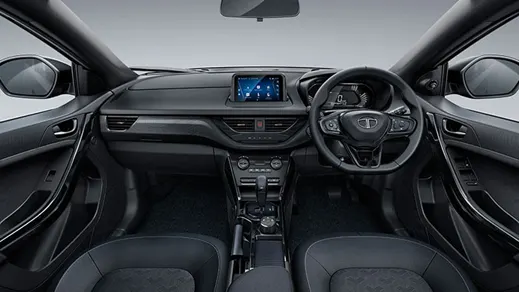
Here I have compared 4 cars which are Tata Nexon, Mahindra XUV300, Kia Sonet, and Nissan Magnite
- TATA NEXON
Price: ₹ 9.90 Lakhs*


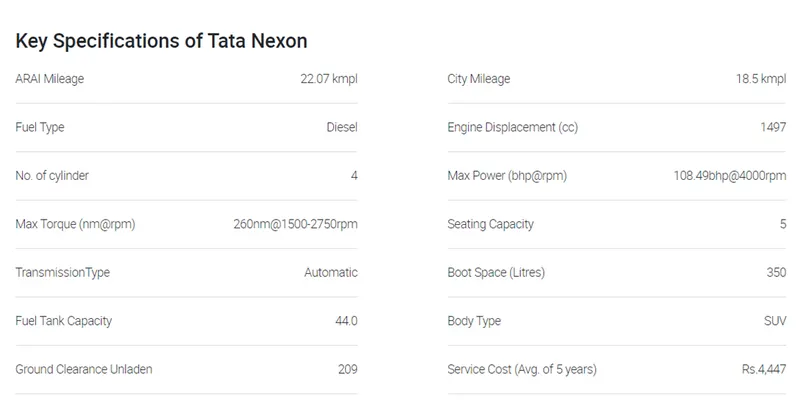

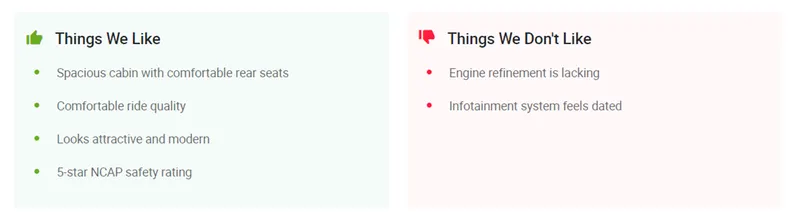
Pros & Cons of Tata Nexon
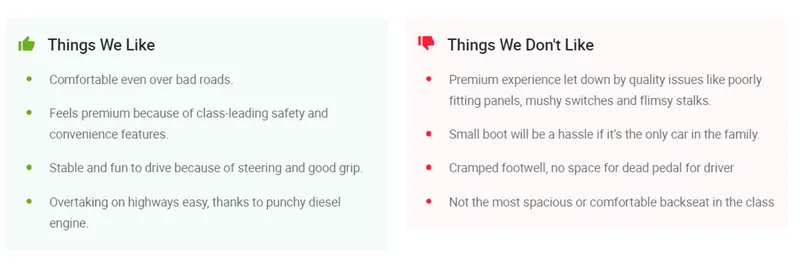
- MAHINDRA XUV300
Price: ₹ 9.60 Lakhs*



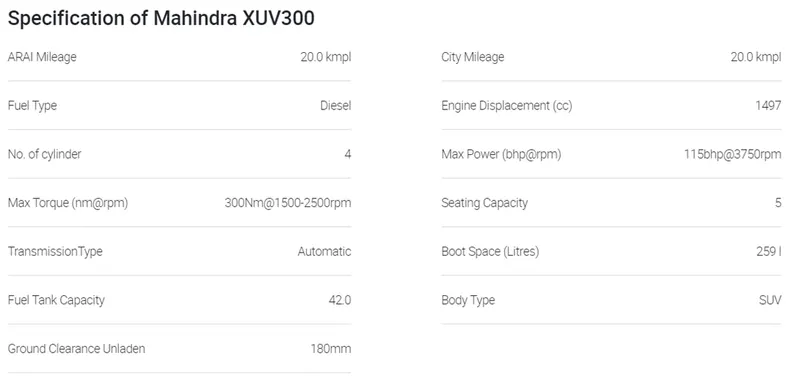
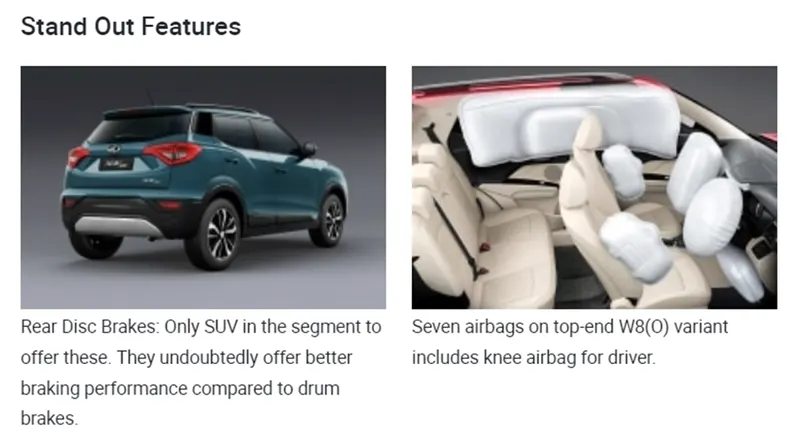

Pros & Cons of Mahindra XUV300
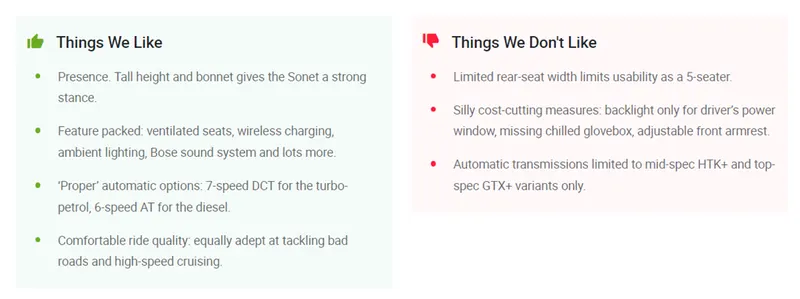
- KIA SONET
Price: ₹ 9.05 Lakhs*



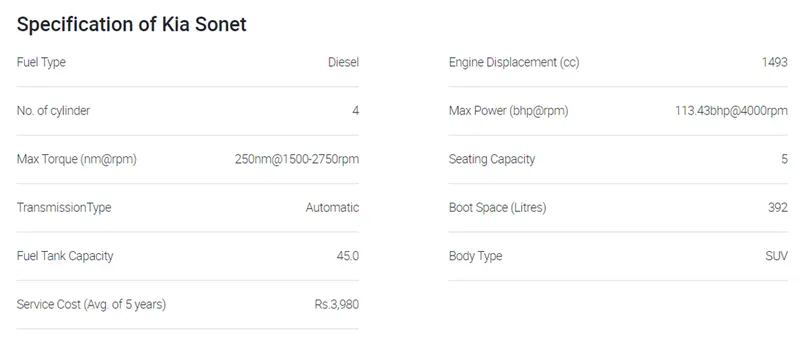


Pros & Cons of Kia Sonet
- NISSAN MAGNITE
Price: ₹ 8.09-₹ 9.91 Lakhs*

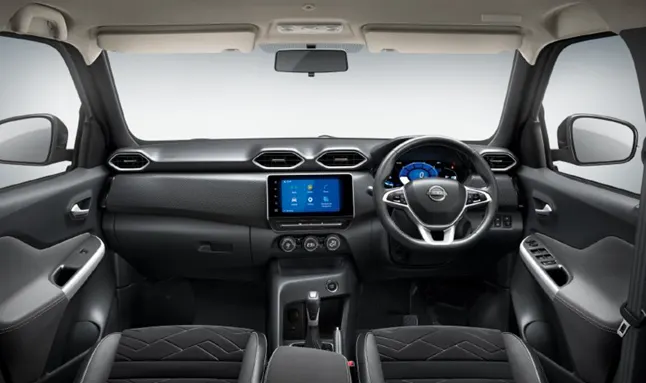

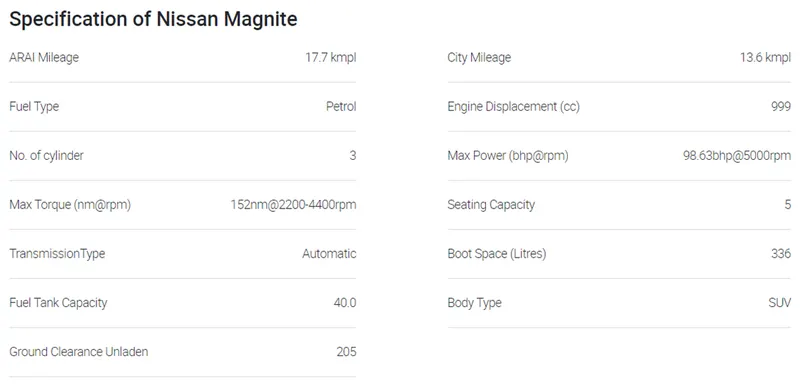
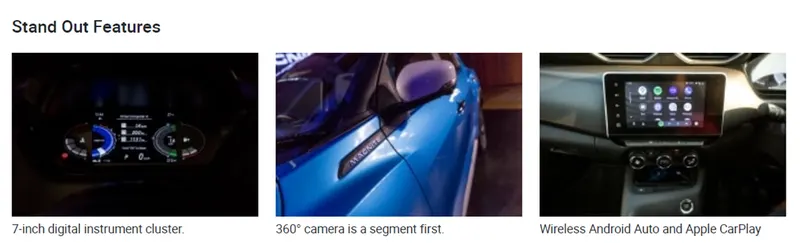
Pros & Cons of Nissan Magnite
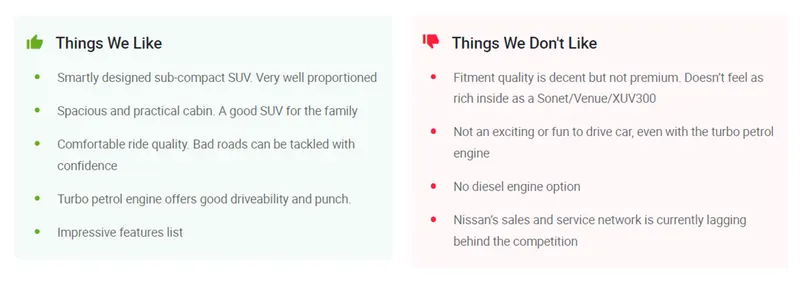
Conclusion
From above 4 cars, I would suggest Tata Nexon because is the most comfortable car for driving and it is also better for safety purposes. Its performance, its looks, its safety, and its millage everything is outstanding.