Assignment 5-RADIOSS Interfaces & Study of Effect of Notches Challenge
meshing the bumper system
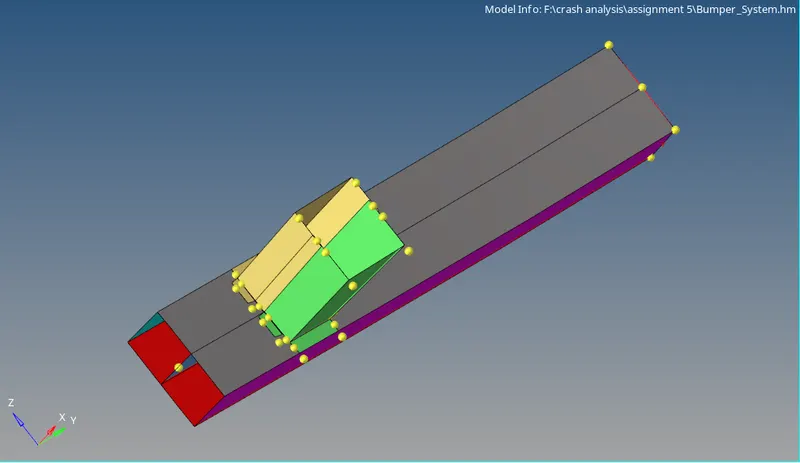
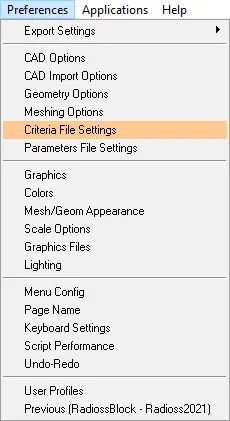
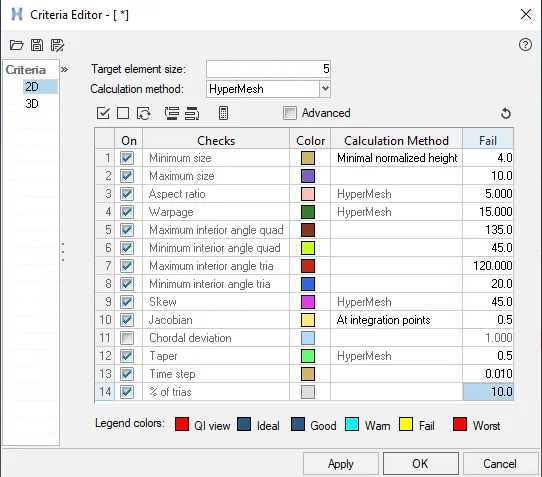

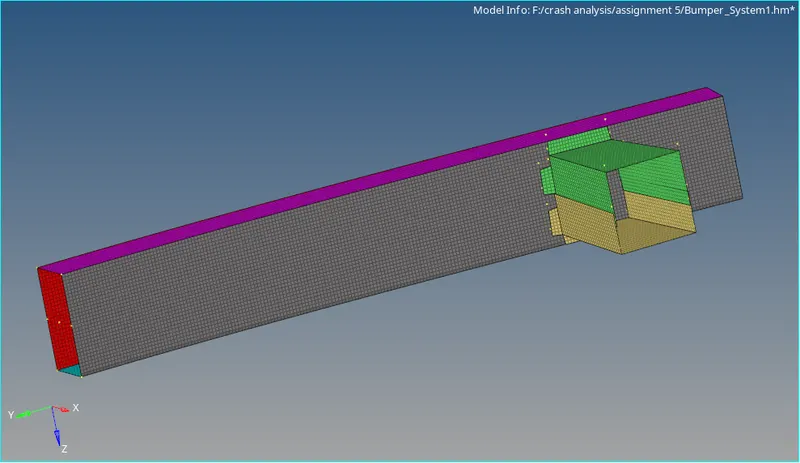
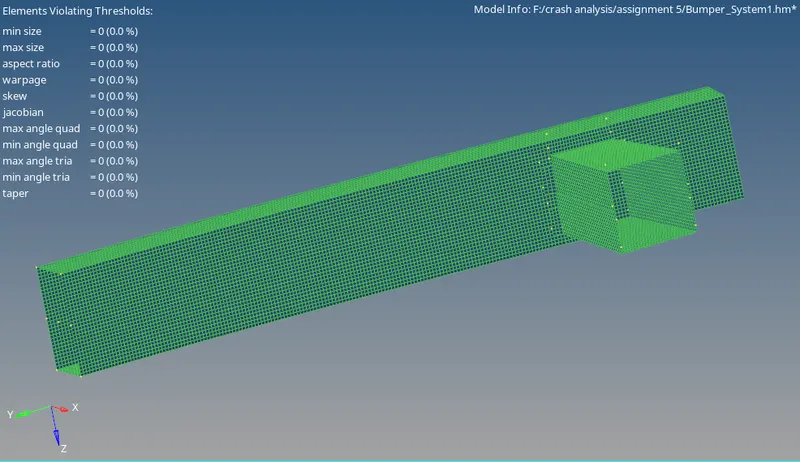
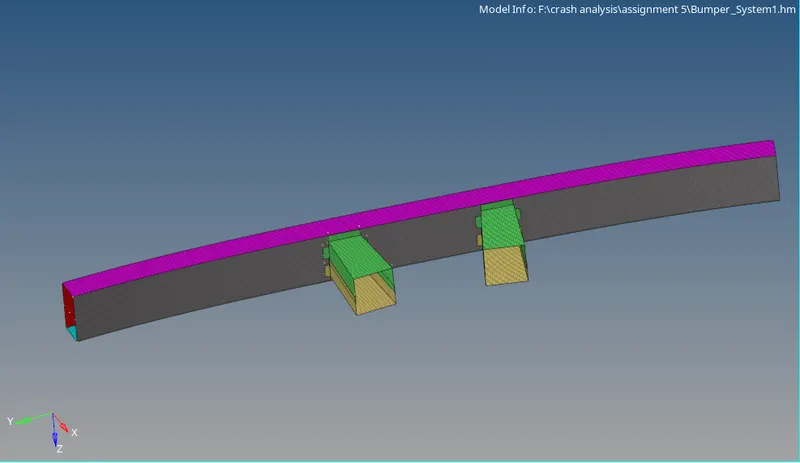
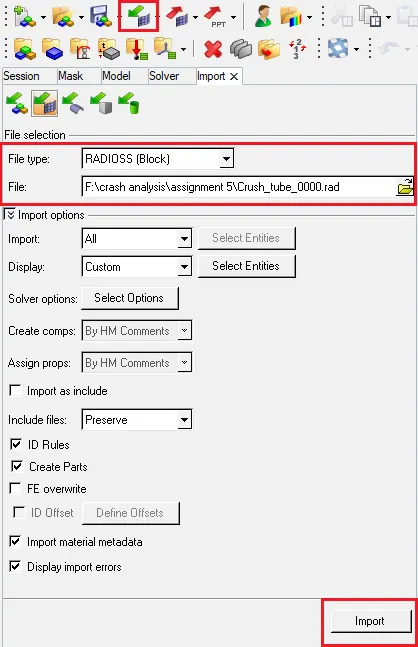
Imorting the model. clicking on the import solver deck, this will open the dialog box shown below.
Selecting radioss in file type and the file required in file part.
Clicking import.
This is the model for this assignment.
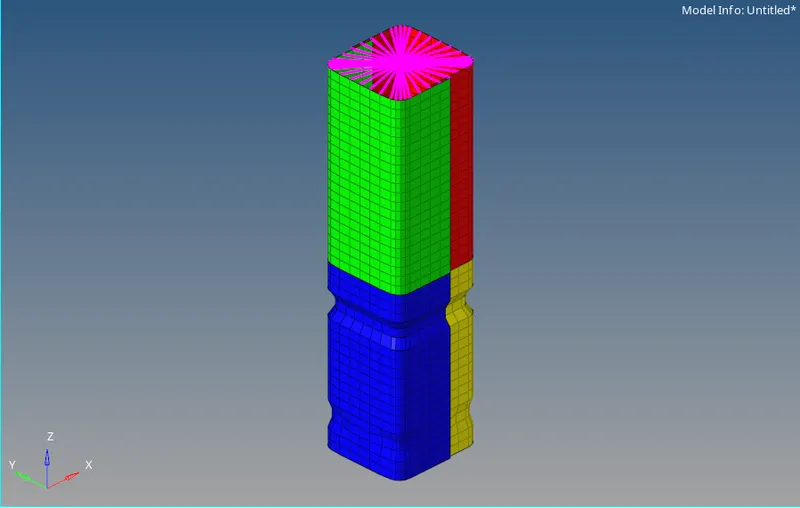
CASE 1
For case 1 we will running the simulation as it is without making any changes to it.

selecting the file we want to simulate

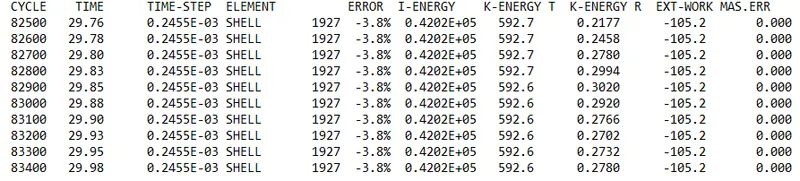
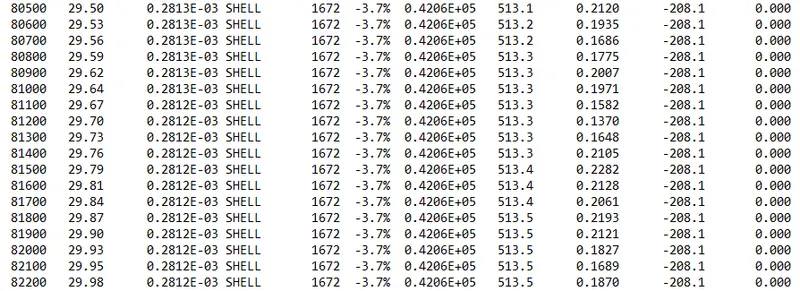
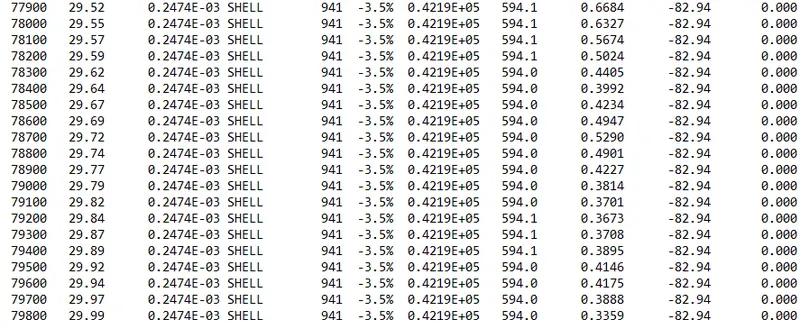
Opening the 001.out. we can see that the energy error within the permissible level of-15%, and there is no mass error.
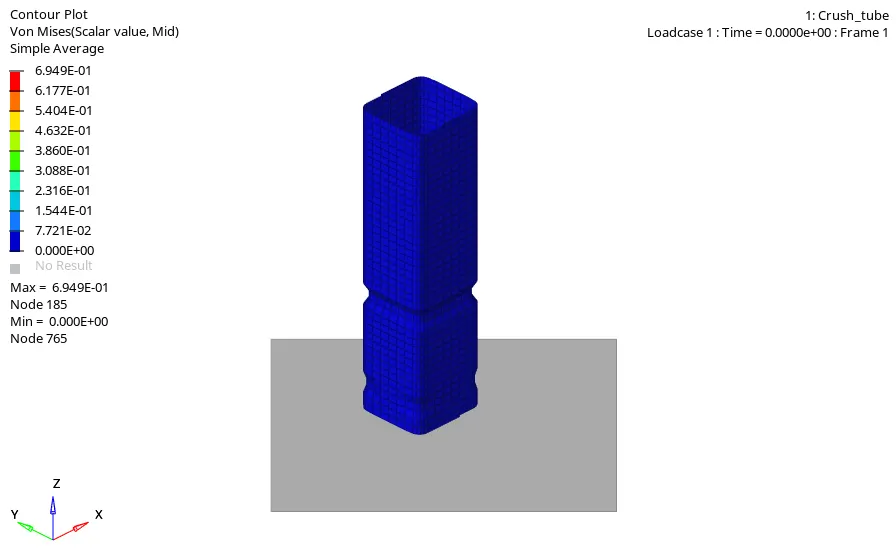
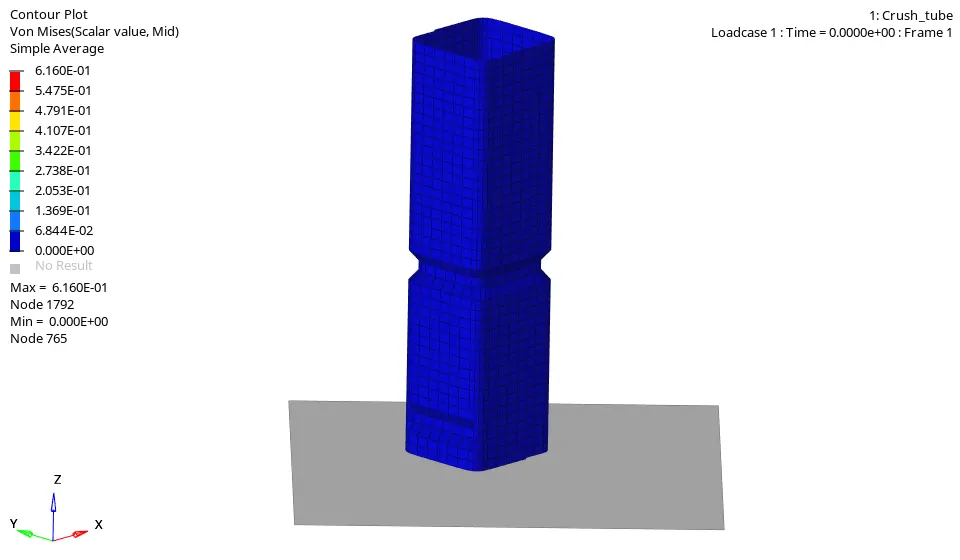
opening hyperview to visual the simulation. we can summarise that the deformation first happens in the notch area, the deformation then creeps down vertically attaining max deformation. once the deformation is complete in the lower part the element above the notch deforms. we can say that the chances of deformation or failures are higher at the notches
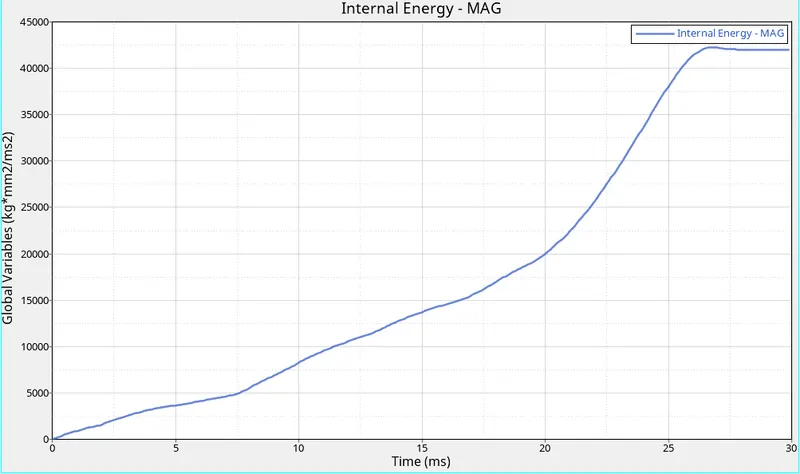
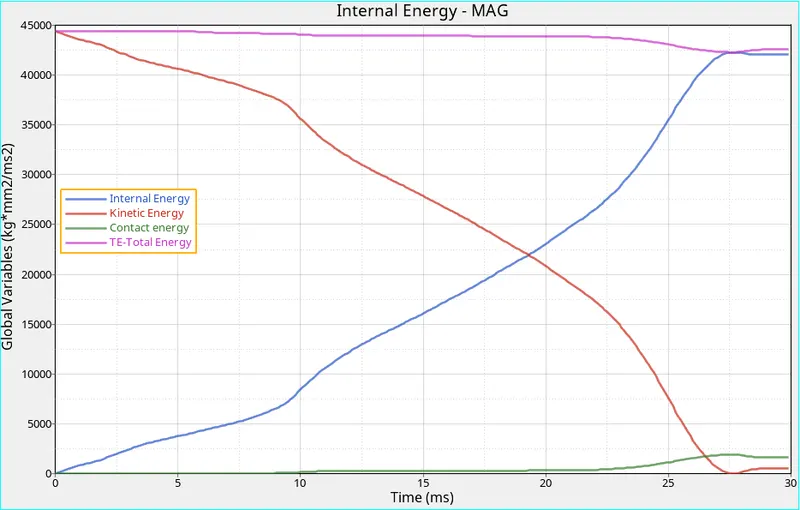
Max Internal Energy: 42273.238281J
Due to continous deformation the elements are absorbing energy. the internal keeps increasing to accordingly. we can see that I.E plateaus around the 25ms mark as the complete deformation of the tube has occured, and the elements cannot absorb any more energy.
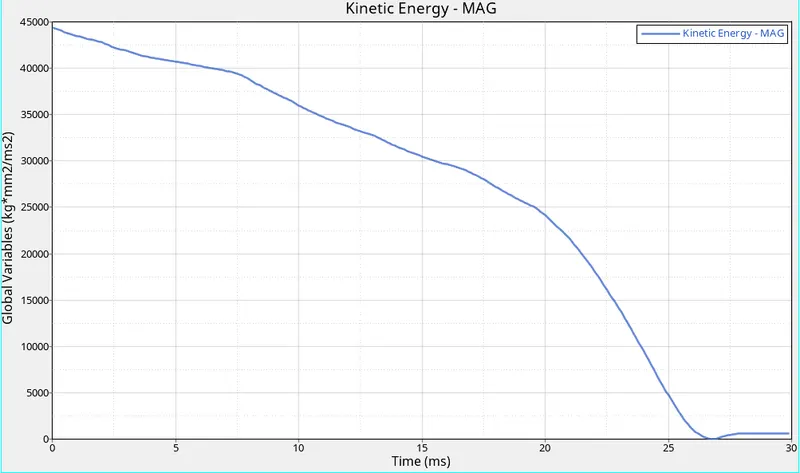
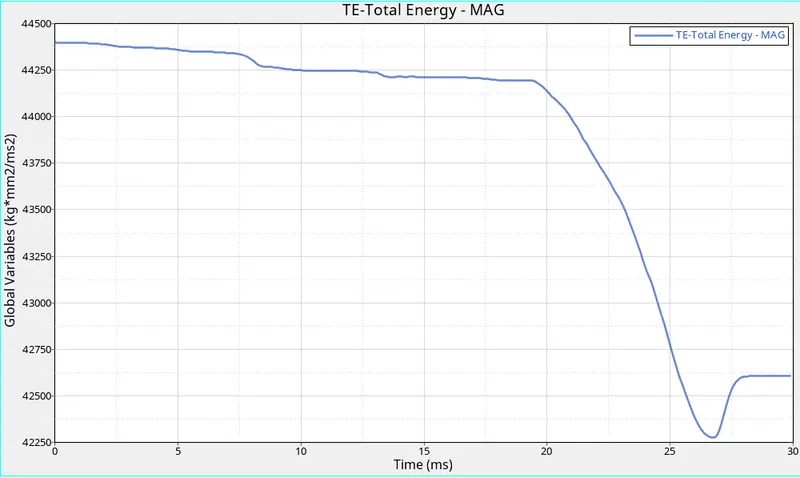
Max Kinetic Energy: 44400.781250J
Kinetic Energy decreases due to the resistence provided due to the intrusion caused by the deformation. The crash tube collapses completely around the 27ms due to which the K.e reaches the minimum value around that mark. the slight increase in the K.E is due to rebound the element.
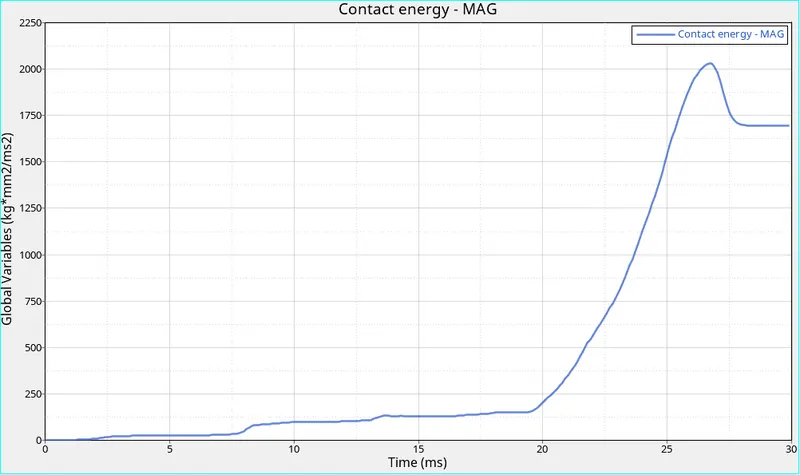
2029.455322J
Contact Energy is caused due to the intrusion of the element i.e when the elements comes in contact with neighbouring elements or penetrate each other. we can see that the contact forces are low for the majority of the simulation as the intrusion is low during deformation phase, but when the deformation ia complete the intrusion is maximum the contact energy is maximum.
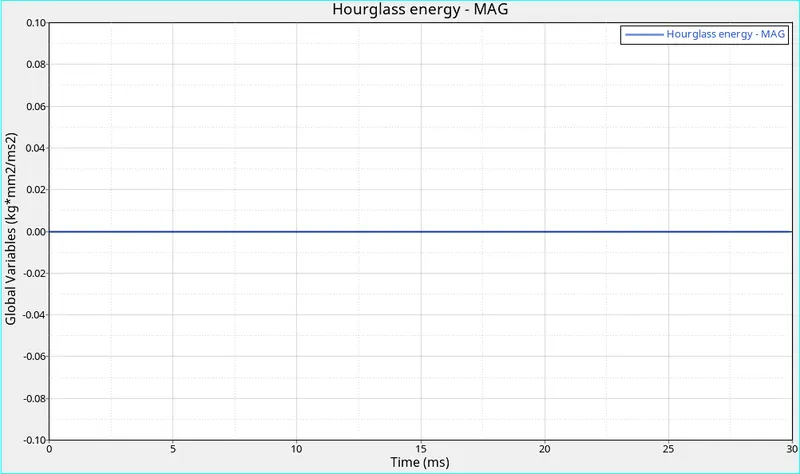
Hourglass Energy is zero since no scaling is required to achieved the appropriate timestep.
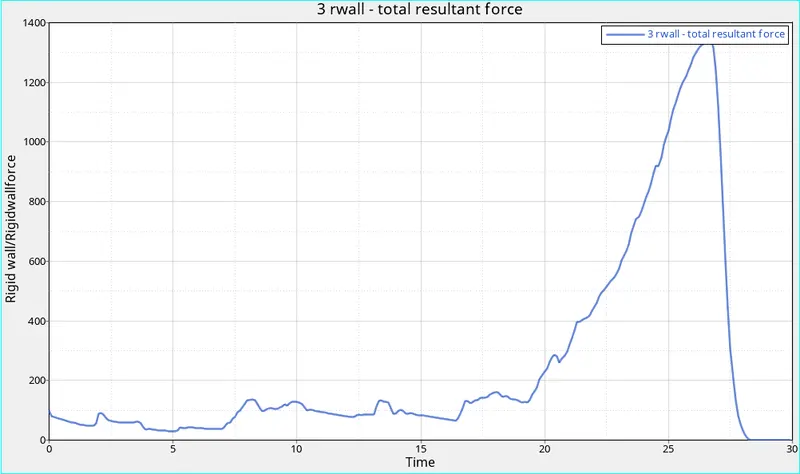
rigid wall forces remain somewhat constant throught out the simulation but goes a steep rise once the tube collapses which happens around the 27ms mark
Case 2: Change the Inacti=6 and run.
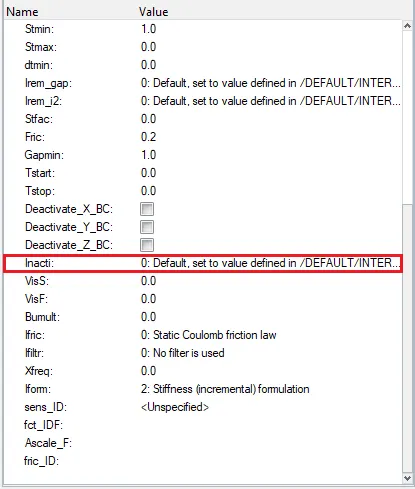
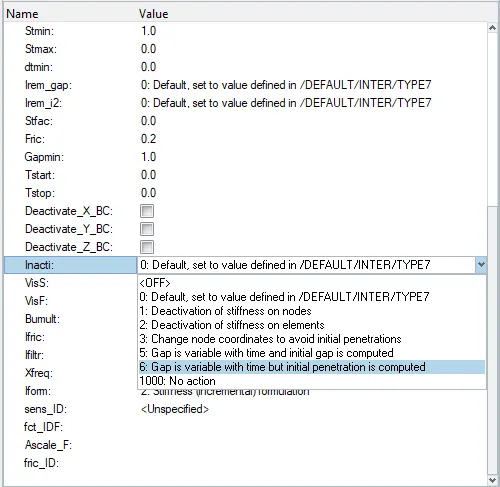
changing the inacti to 6, inactii is used to remove initial penetration, there are some chances that there is some penetration existing before the simulation due to errors in designing, thes errors will provide faulty results inactii uses various formulas to find and remove such penetrations.
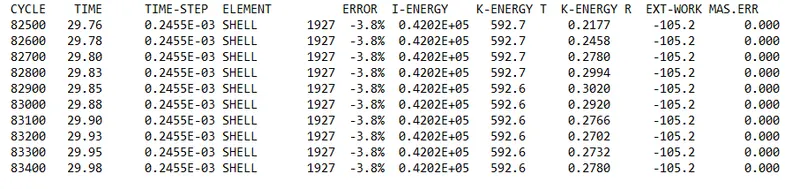
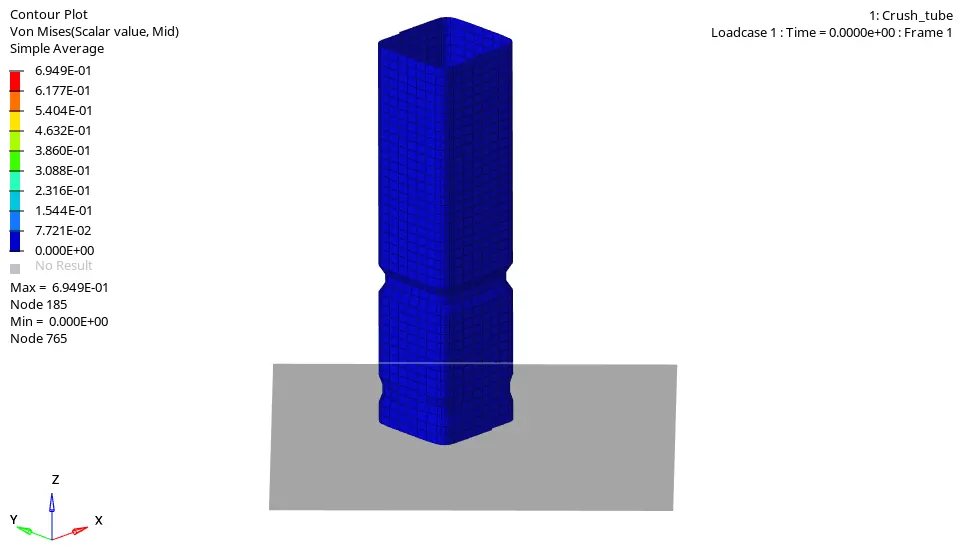
The deformation is similar to the first case.
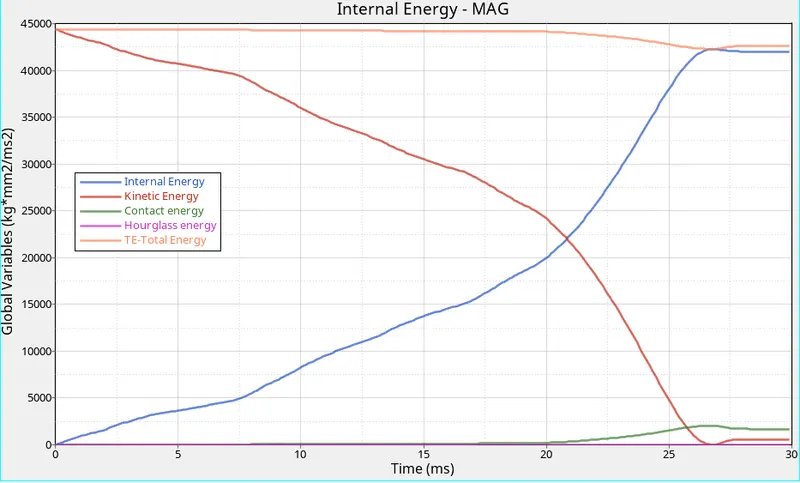
- Max Internal Energy: 42273.238281J
- Max Kinetic Energy: 44400.781250J
- Max Contact Force: 2029.455322J
- Max TotalForce: 44400.781250J
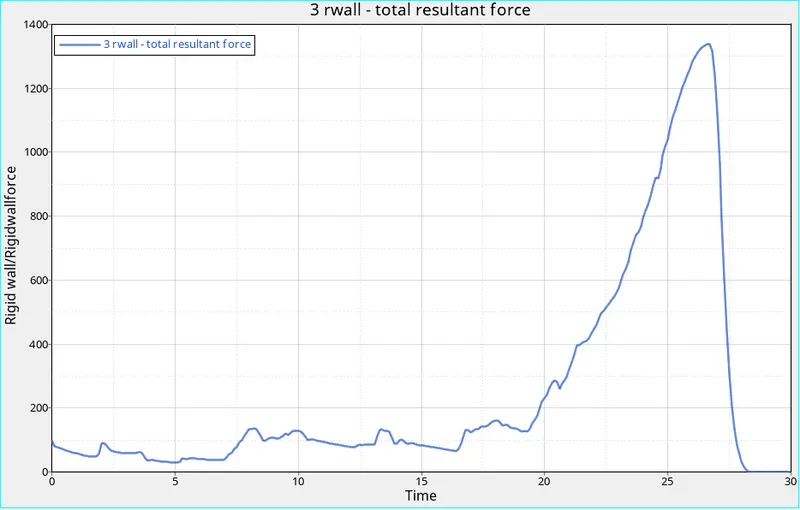
- Max Rigid Wall Force: 1337.903687J
When compared to the first case there is no deviation. Energies and forces are almost similar in magnitude, we derive a conclusion that the inactii doesnt effect the properties hence
Case 3: Create the type 11 contact and run.
Deleting the existing interfaces
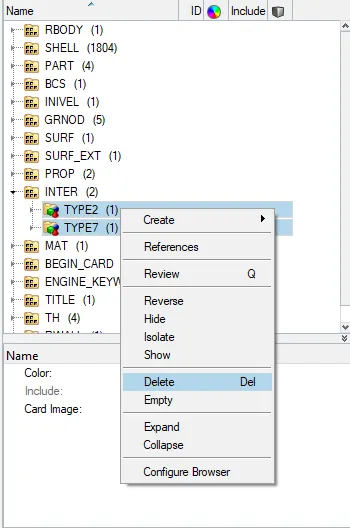
creating new interface inter11
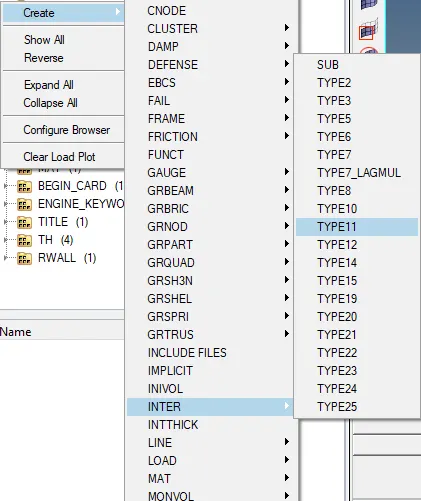
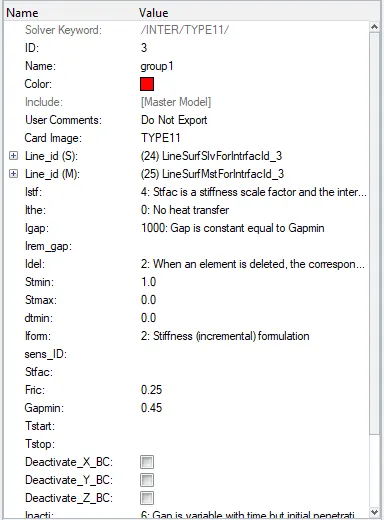
After providing the recommended values for the parameters we run the simulations.

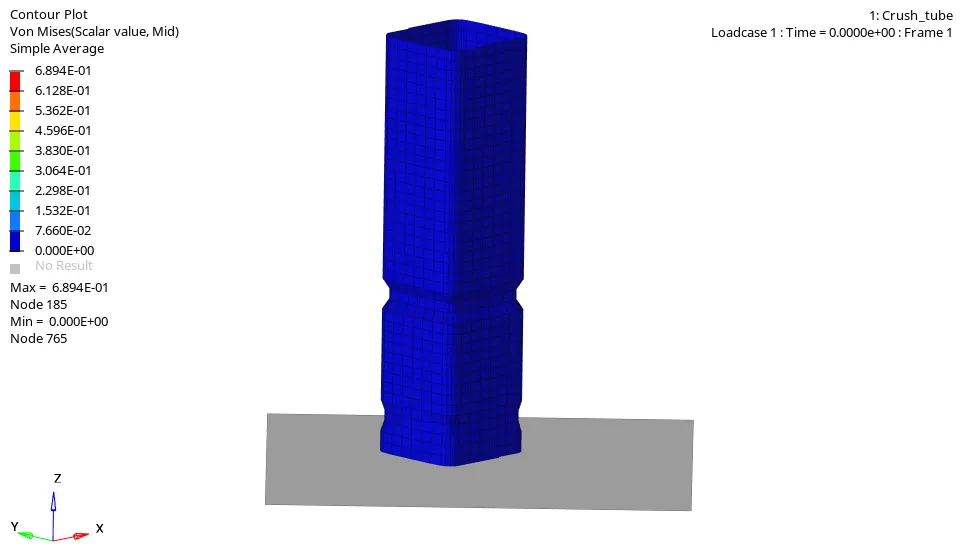
no significant changes when compared to the first two cases
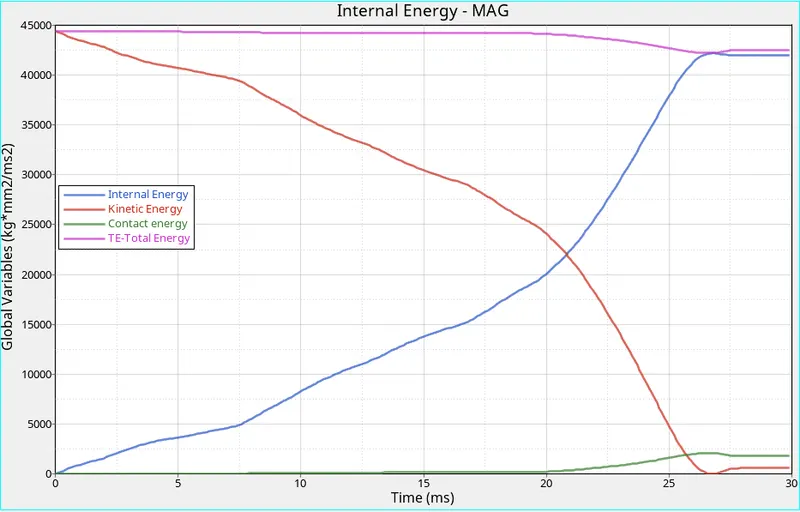
- Max Internal Energy:42204.535156J
- Max Kinetic Energy: 44400.781250J
- Max Contact Force: 2086.115234J
- Max TotalForce: 44400.781250J
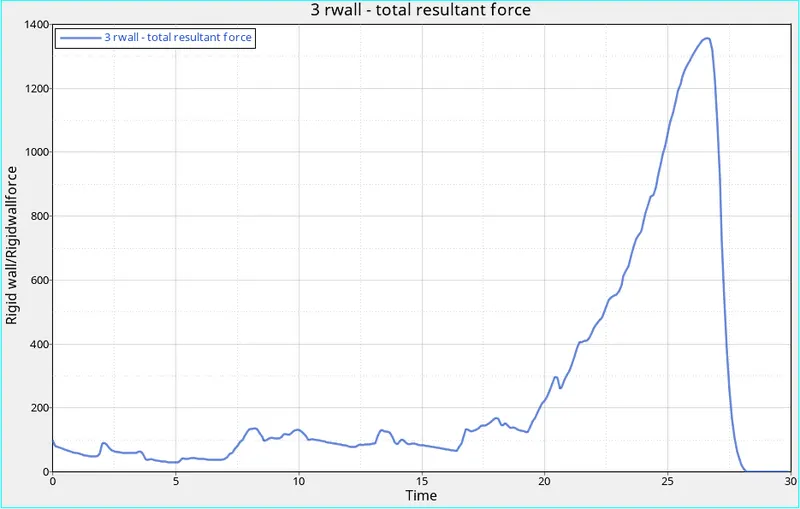
- Max Rigid Wall Force: 1357.361206J
case 4: Remove both notches and remove boundary condition on rigid body node then run.
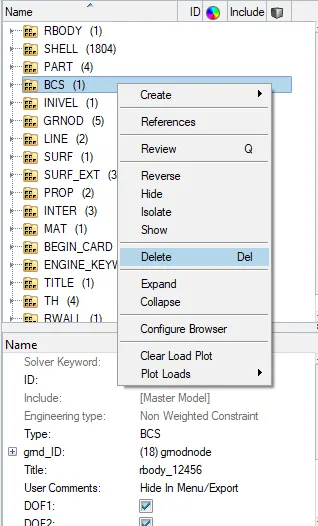
Deleting the boundary condition.
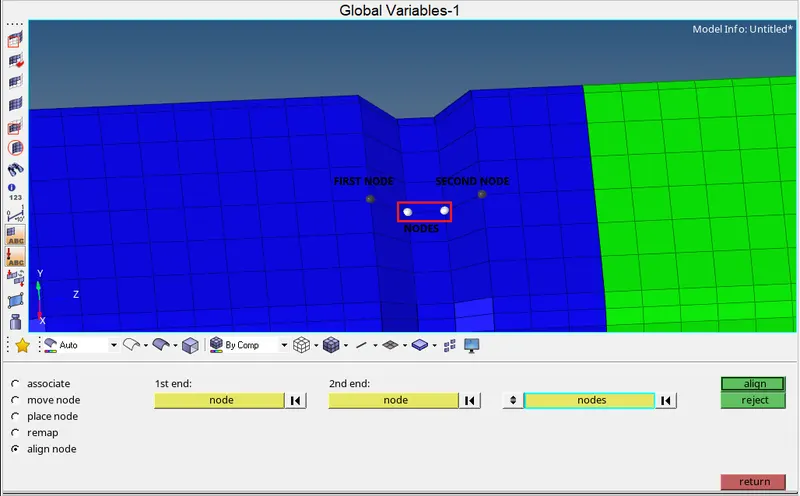
Repeat this to remove the notch.
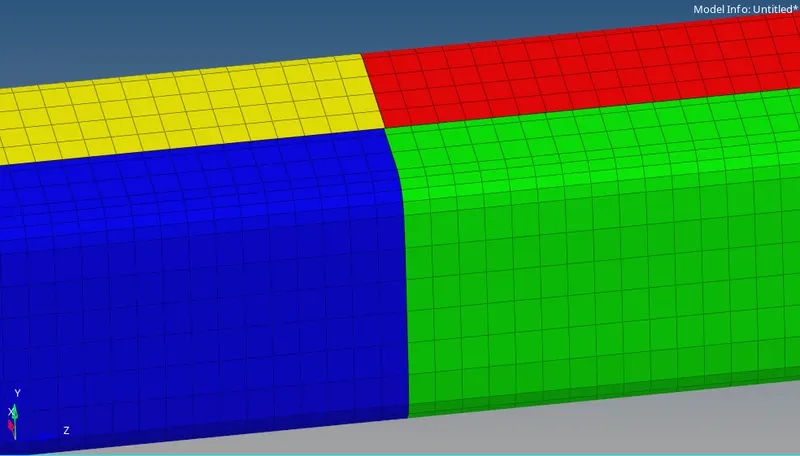
running the simulation.
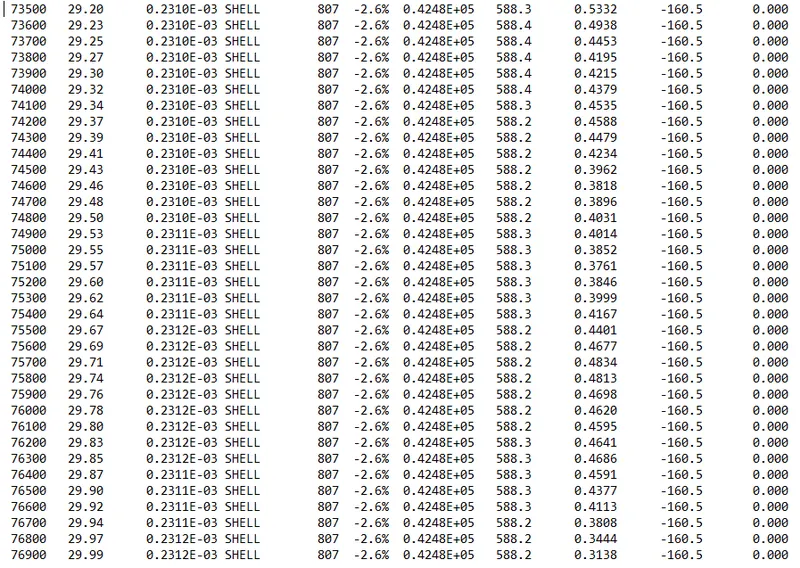
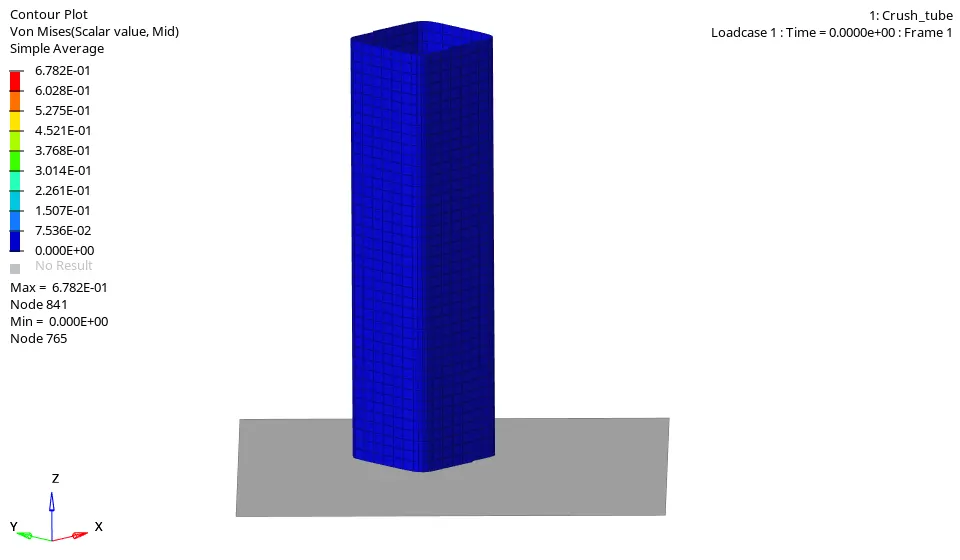
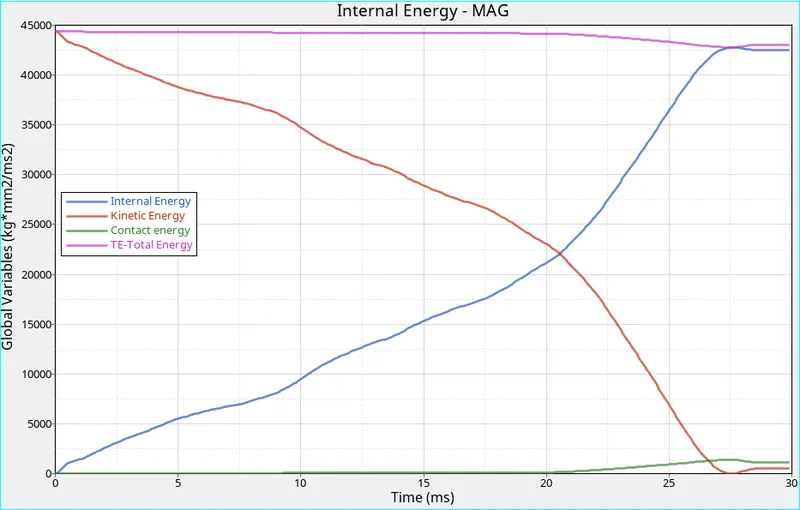
- Max Internal Energy: 42786.398438J
- Max Kinetic Energy: 44400.691406J
- Max Contact Force: 1378.474854J
- Max TotalForce: 44400.691406J
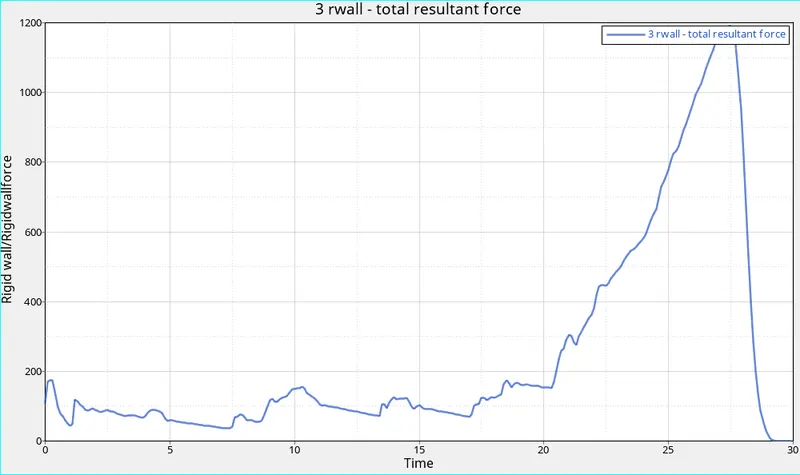
- Max Rigid Wall Force: 1203.806885J
case 5: Create a new notch in the middle ,select the whole section and run.
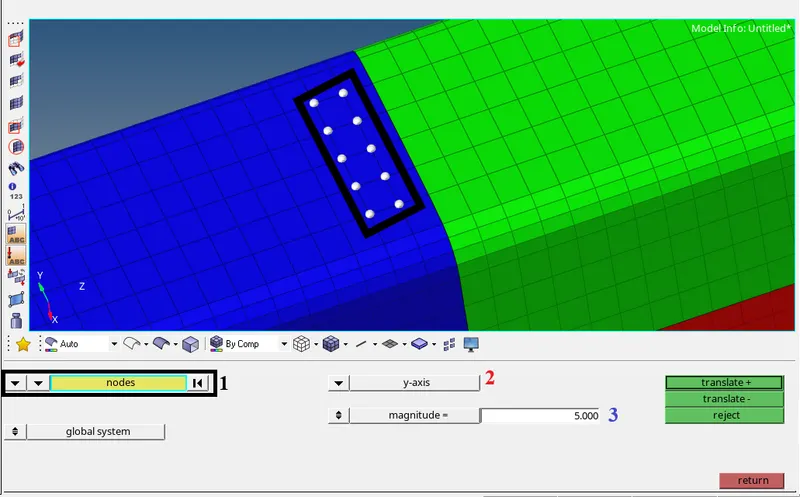
- select the nodes of the position where we want the notch.
- select the axis dor providing direction in which the nodes need to be translated.
- specify the magnitude, and click the appropriate translation.
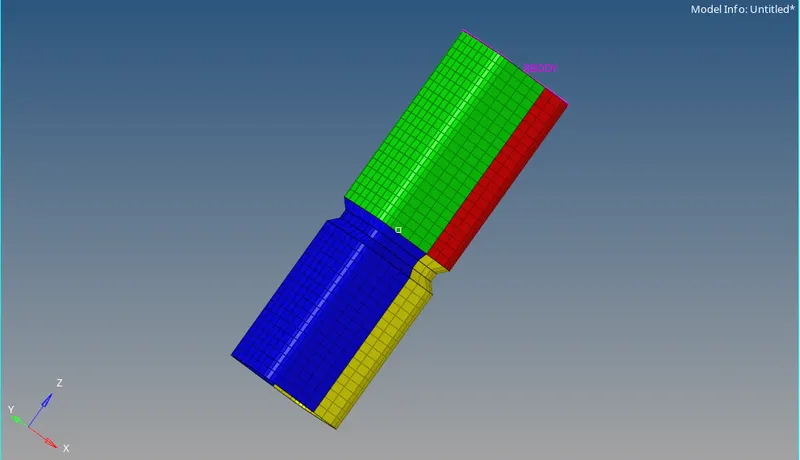
running the simulation
- Max Internal Energy: 42283.382812J
- Max Kinetic Energy: 44401.363281J
- Max Contact Force: 1898.287964J
- Max TotalForce: 44401.363281J
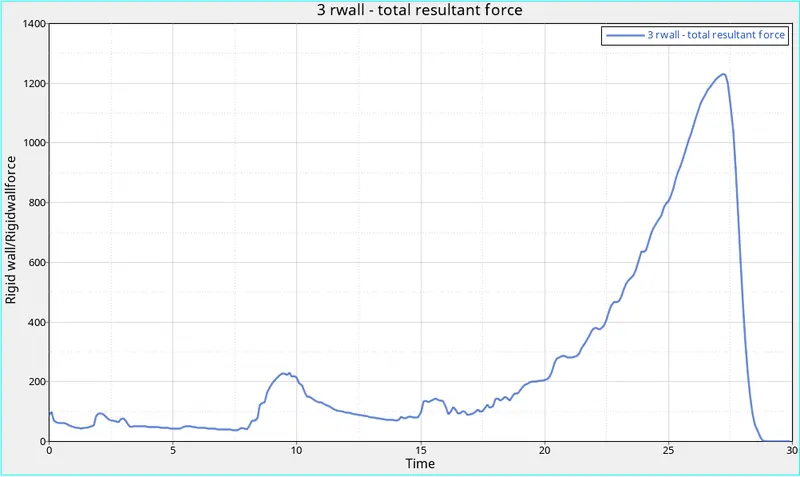
- Max Rigid Wall Force:1178.278222J
Case 6: Create a new notch with nodes only from opposing 2 faces and run.
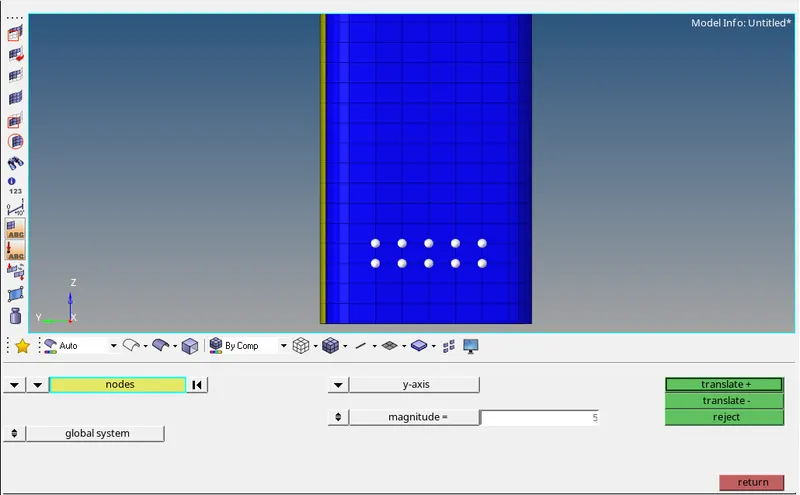
- select the nodes of the position where we want the notch.
- select the axis dor providing direction in which the nodes need to be translated.
- specify the magnitude, and click the appropriate translation.
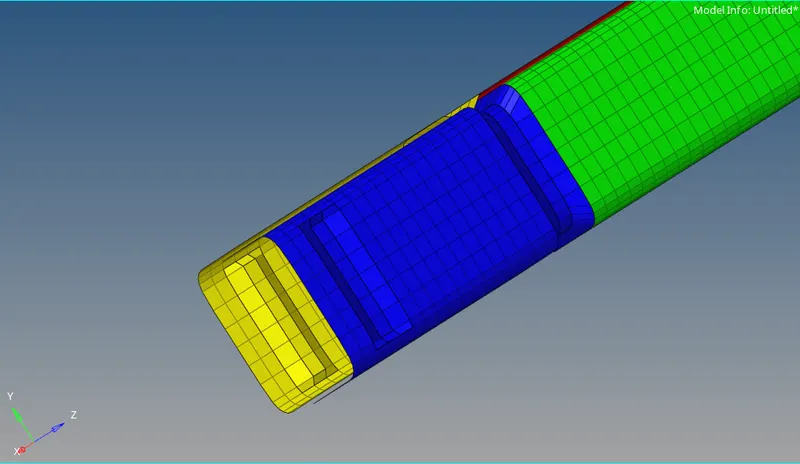
Running the simulation
similar to the first 3 cases the deformation starts at or around notch. Energies and force is similar to the initial cases
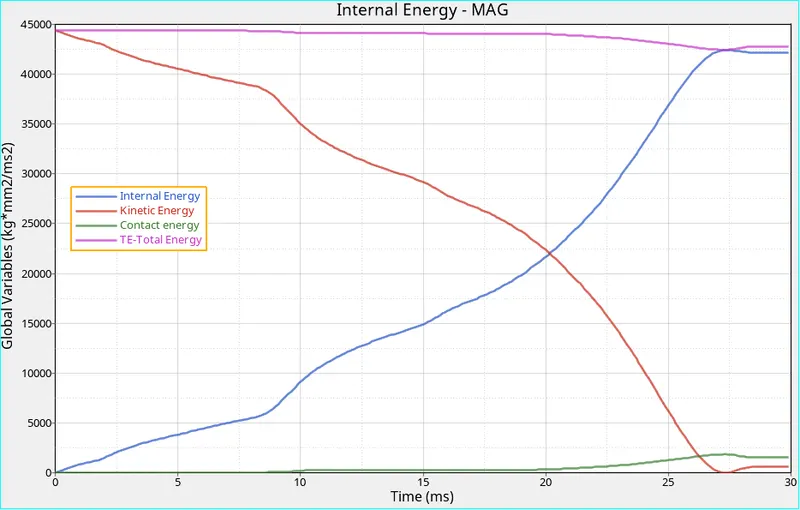
- Max Internal Energy: 42442.578125J
- Max Kinetic Energy: 44401.937500J
- Max Contact Force: 1849.996338J
- Max TotalForce:44401.937500J
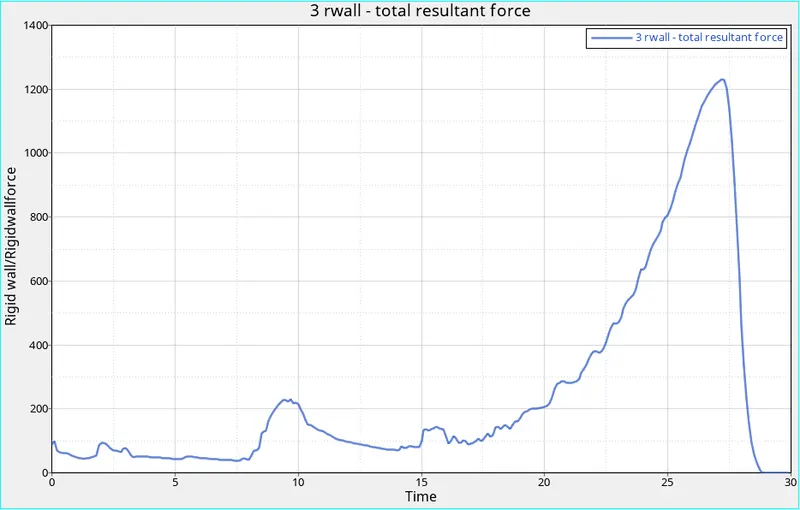
- Max Rigid Wall Force: 1230.778076J