Assignment 4
COMPARISON SI VS CI AND OBSERVE THE EFFECT OF MFB50
Explore Tutorial No 1- CI Final
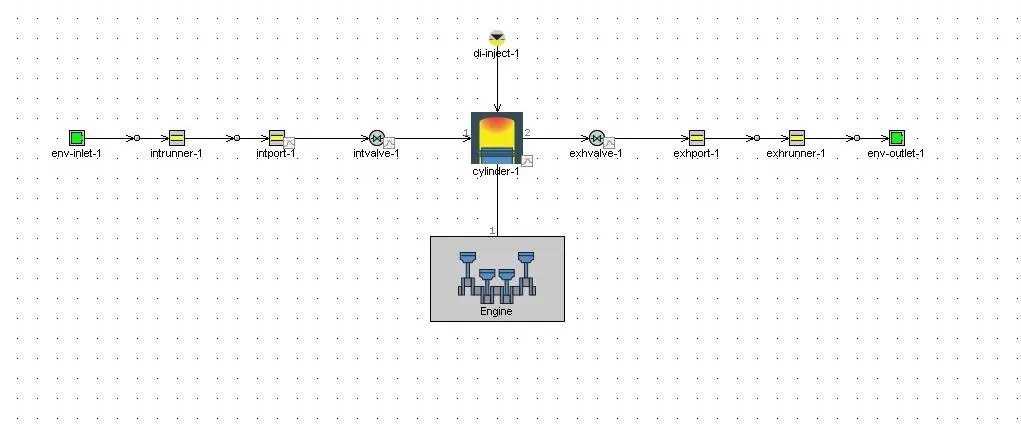
General layout of single cylinder of CI Engine
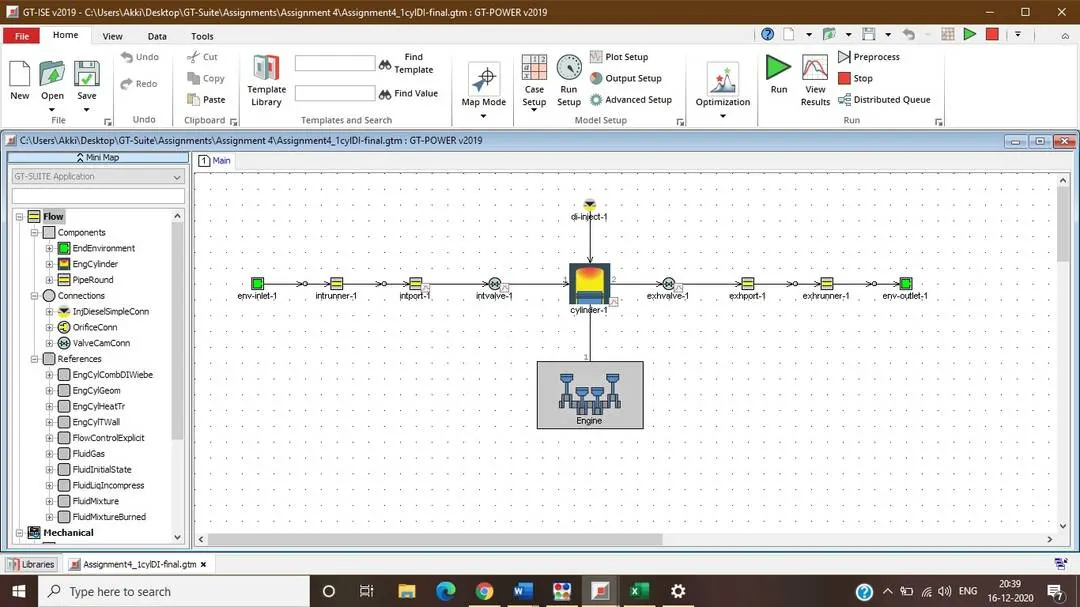
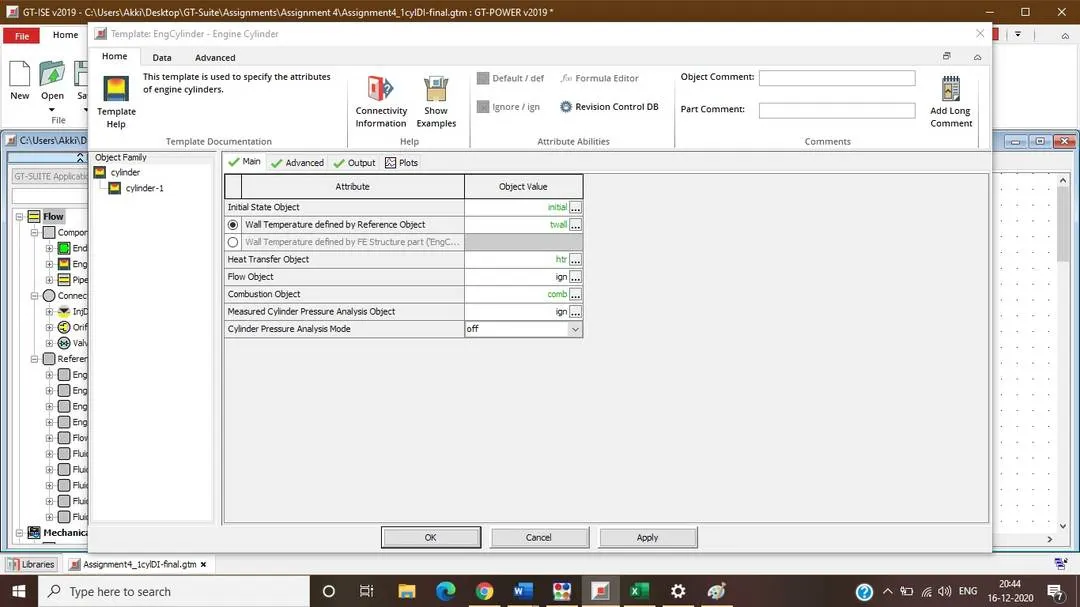
Cylinder
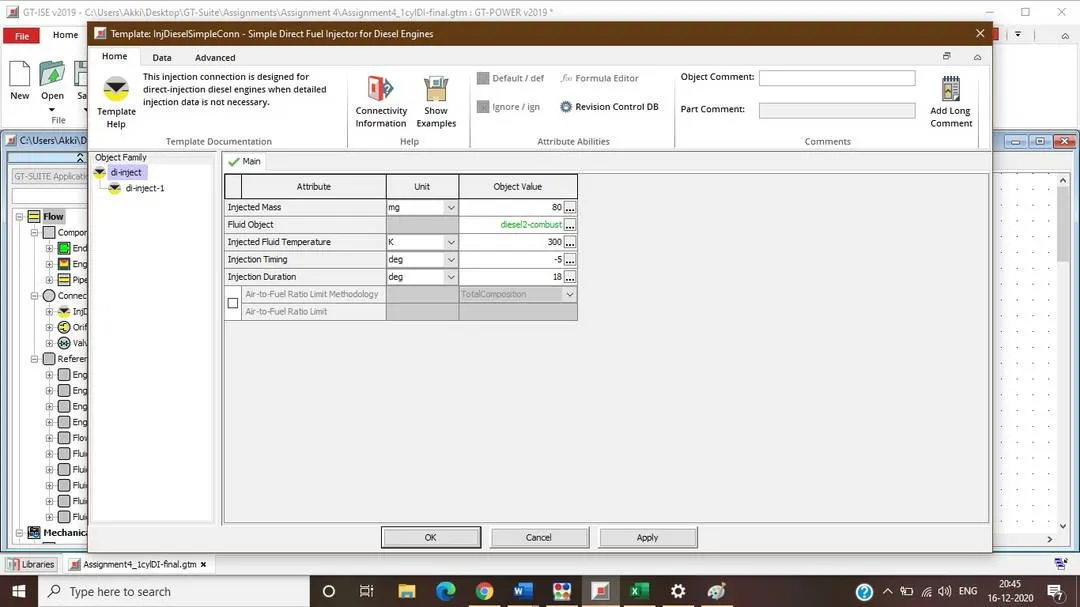
Injector
Engine
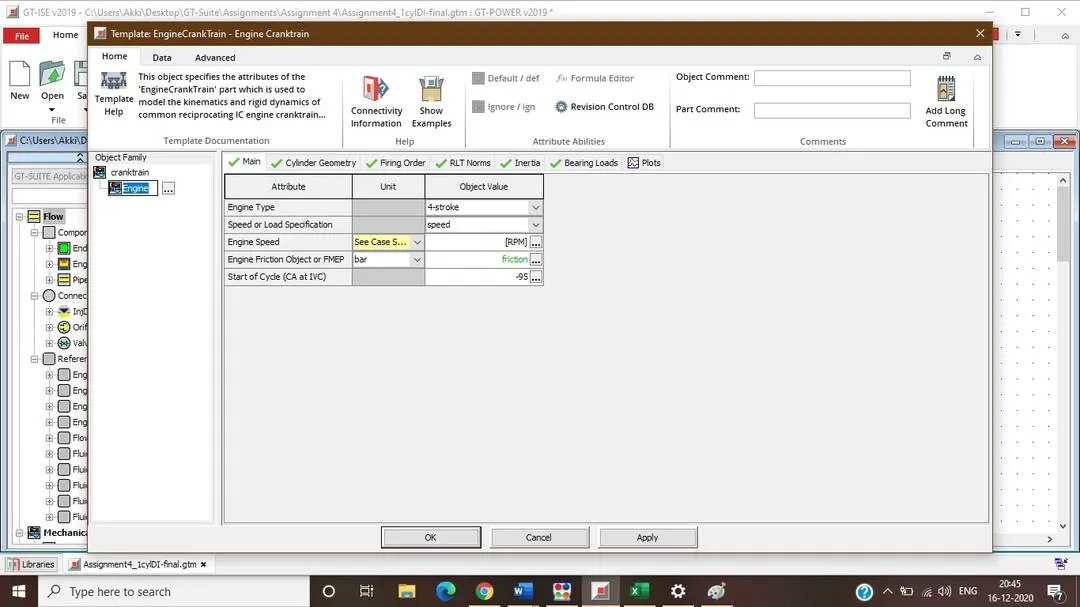
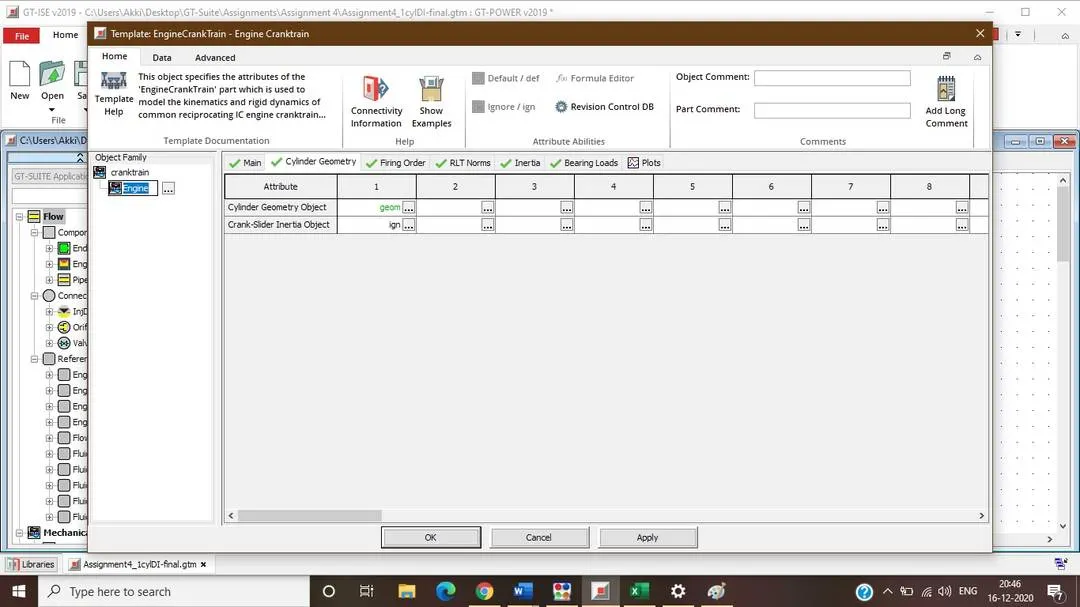
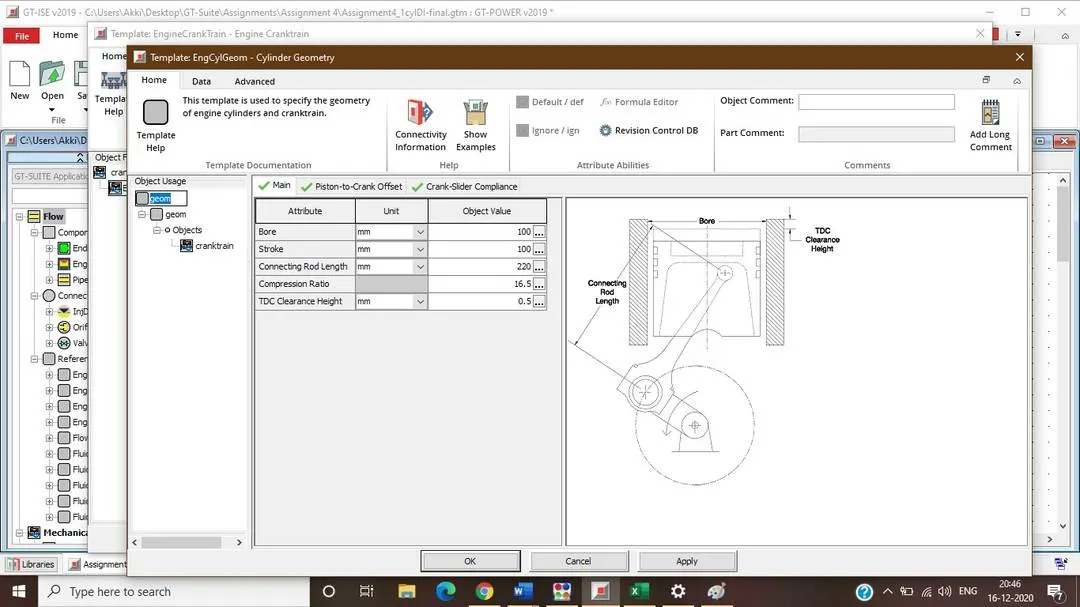
- Compare SI vs CI and list down differences (assignment no 2-SI)
SI Engine (Spark Ignition Engine)
- Spark Ignition (SI) Engine is a type of engine in which the combustion takes place by generation of spark using spark plug.
- It uses petrol, LPG (Liquefied petroleum gas) and CNG (Compressed natural gas) as fuel and works on Otto cycle.
- In the spark ignition engine, the air fuel mixture is inserted into the cylinder with help of carburettor or this mixture directly injected using injector.
- It has low compression ratio (9.5-10) as fuel used here is of higher-octane number therefore the fuel is get ignited easily by small spark generated by spark plug. knocking occurs at the end of the combustion due to low compression ratio.
- SI engines can be of high engine speed ranging from 1000 to 8000 rpm and in bikes it can be up to 12000 rpm.
- In SI engines NVH (noise vibration and harness) of components is low due to lower pressure conditions in the cylinder compared to CI engines which gives comfort in riding vehicle.
- The A/F mixture is used here is always in a ratio of 14.5 therefore this gives low fuel efficiency in case of petrol as a fuel.
- Emissions due to petrol is CO, HC, NOX whereas LPG and CNG produces low emissions. To control the emissions 3-way catalytic convertor is used.
- They are mostly used in light commercial vehicles such as scooters, motorcycles cars etc.
CI Engine (Compression Ignition Engine)
- Compression Ignition (CI) Engine is an engine in which the combustion of fuel takes place by the heat of the compressed air.
- It uses diesel and bio-diesel as fuel and works on Diesel cycle.
- In the compressed ignition engine, only air enters into the cylinder during suction stroke there is bowl created to mix air properly with the automize fuel It has high compression ratio because of the high ignition temperature of the diesel fuel. diesel has a high cetane number gives the high compression ratio. Due to high compression ratio, it produces more power. In CI engines engine low engine speed rang (1000 to 4000 rpm) as compare to SI engine because of high inertia.
- In CI engines A/F mixture ratio is used here always greater than 18 therefore, this gives high fuel efficiency in case of diesel as a fuel.
- Due to incomplete combustion of the fuel, it produces more CO, HC and Soot and high intake of air NOX produces which lead to air pollution.
- The NVH problem is there higher in the CI engines as compare to SI engines which gives less comfort while driving.
- The maintenance cost of the CI engine is more as compared with the SI engines.
- They are mostly used in heavy duty vehicles such as buses, trucks, railways, ships etc.
For, Comparison let’s use 1cyl SI Model
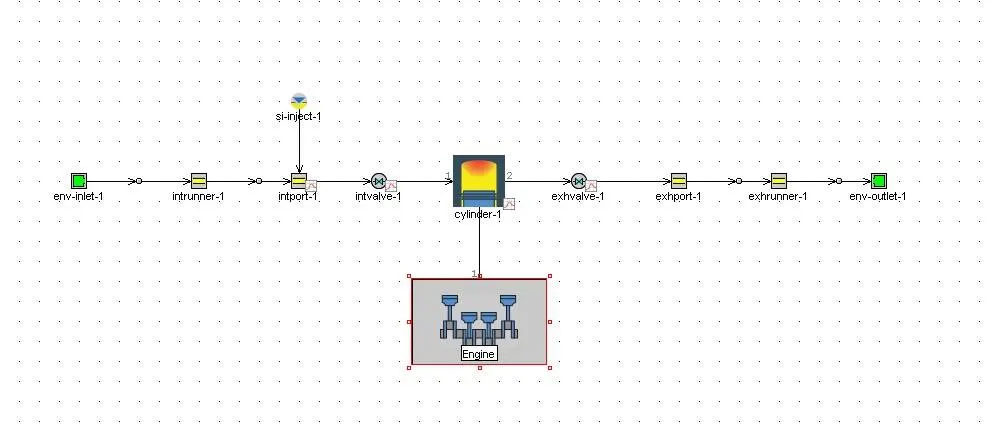
1Cyl DI Model
- Comments on following parameters: -
BSFC: -
To generate 1Kw of power how much fuel is consumed is called Brake specific fuel consumption. Generally speaking, when we compare the brake specific fuel consumption (BSFC) for SI and CI engines, the values would be marginally higher for SI engines. This is due to the fact that SI engines operate with a richer air-fuel ratio, compared to CI engines. Compression Ignition engines take a leaner mixture to burn, where the air is more than what the fuel requires.
The BSFC is given by the formula Where,
BP = Brake power in Kw
FC = Total fuel consumption in litres/given time
CV = Caloric value of the fuel
Diesel = 45.5Mj/ kg
Petrol = 45.8Mj/ kg
Exhaust Temperature: -
Exhaust gas temperature is varying with the type of engine, fuel, ignition quality, compression ratios and other parameters. Quoting an average.......it is near about 400C.
In vehicles with catalytic converters the temperature of the exhaust at least 250-300 Degree Celsius. Below this temperature, catalytic converters cannot function.
Thermal converters actually work at 600-700Degre Celsius. The presence of catalysts such as platinum, palladium, Cerium oxide, Rhodium allow the conversion of the harmful emissions of the engine such as NOx, CO, HCs etc to be converted into harmless molecules such as H2O, N2 and CO2 at a much lower temperature.
However, the exhaust gases themselves may be at a temperature anywhere b/w 400-900Degre Celsius for SI engines and 200-500Degre Celsius for CI engines.
A/F ratios: -
As explained earlier, CI engines operate in leaner mixtures and hence have higher air-fuel ratios compared to SI engines to reduce emissions. Generally, petrol engines strive to have the stoichiometric mixture ratio, at 14.5 and diesel engines operate above 18.
Changing MFB 50 and observe impact on performance: -
Combustion phase variations in diesel engines due to production tolerance, engine, aging, and different combustion conditions cause performance deterioration of fuel economy, torque, and emissions. Therefore, the combustion phase should be controlled by feedback information. A well-known method to control the combustion phase in mass fraction burnt 50% (MFB50) control using in cylinder pressure.
MFB50 control can retain performance through combustion conditions. However, MFB50 can compensate only for variations caused by combustion phase changes therefore, further study is required to supplement the limitation of MFB50 control. In this study, to analyse the effect of MFB50 control on combustion, MFB50 is controlled by adjusting the main injection timing using in-cylinder pressure.
The parameters are fuel rail pressure, boost pressure, mass air flow, swirl valve open, main injection quantity, pilot injection timing, and quantity. While the engine parameters were changing, the influence of MFB50 control on the combustion and emissions was analysed to establish improvement points for combustion feedback control.
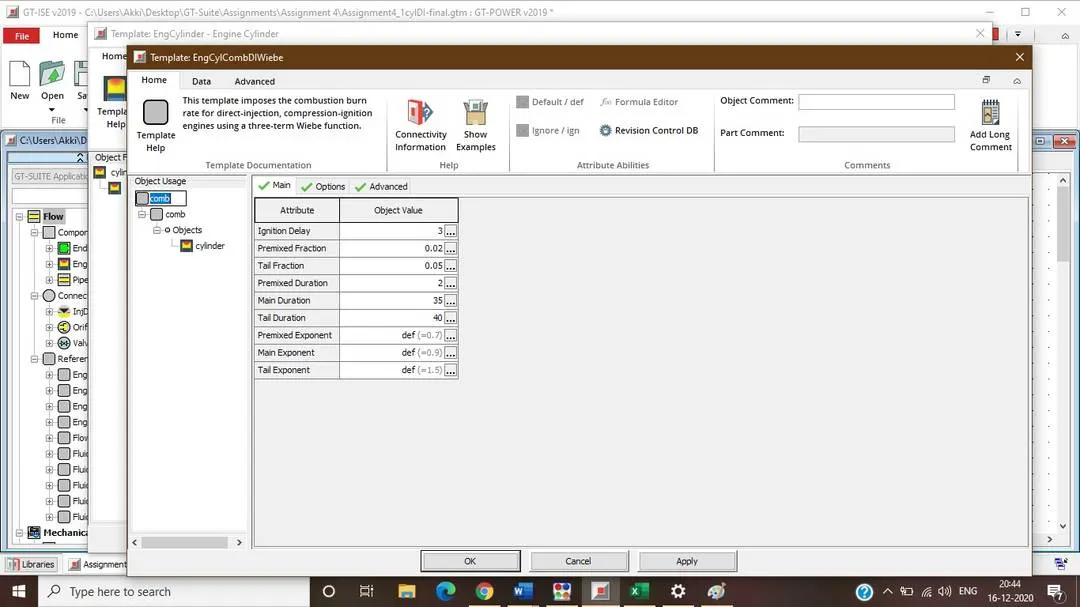
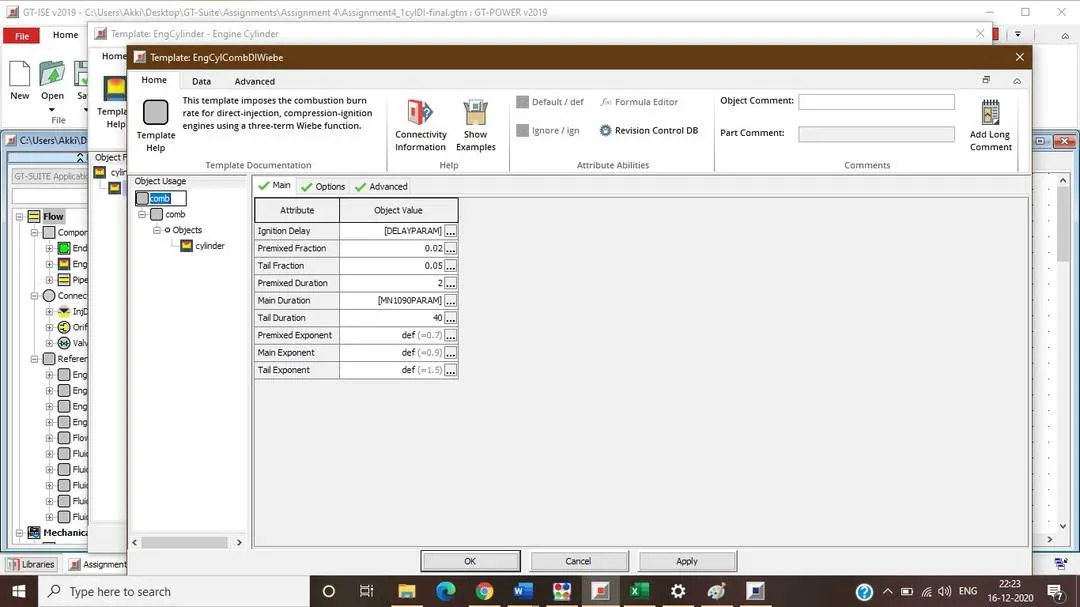
In the CI engine models, the MFB50 parameter is controlled using the main duration variable under the combustion object.
There are four different stages of combustion in CI engine where proper combustion of air and fuel takes place as follows:
- Ignition Delay Period
- Period of Uncontrolled Combustion
- Period of Controlled Combustion
- After Burning
Ignition Delay
The time interval between the starting of the fuel injection and the beginning of the combustion is called the Ignition delay period and this is achieved by delay in crank-angle degrees.
Main Duration
Duration in crank-angle degrees of the main diffusion burn or the name of a dependency reference object. The duration should exclude the rest 10% and the last 10% of the area under the main burn curve, i.e., the tails
Hence, to change values of MFB50 in each engine type, we got add them as parameters and develop case setups to analyse the results. To add a parameter, we have to enter the parameter name definition in square brackets in the object value table of the respective attribute.
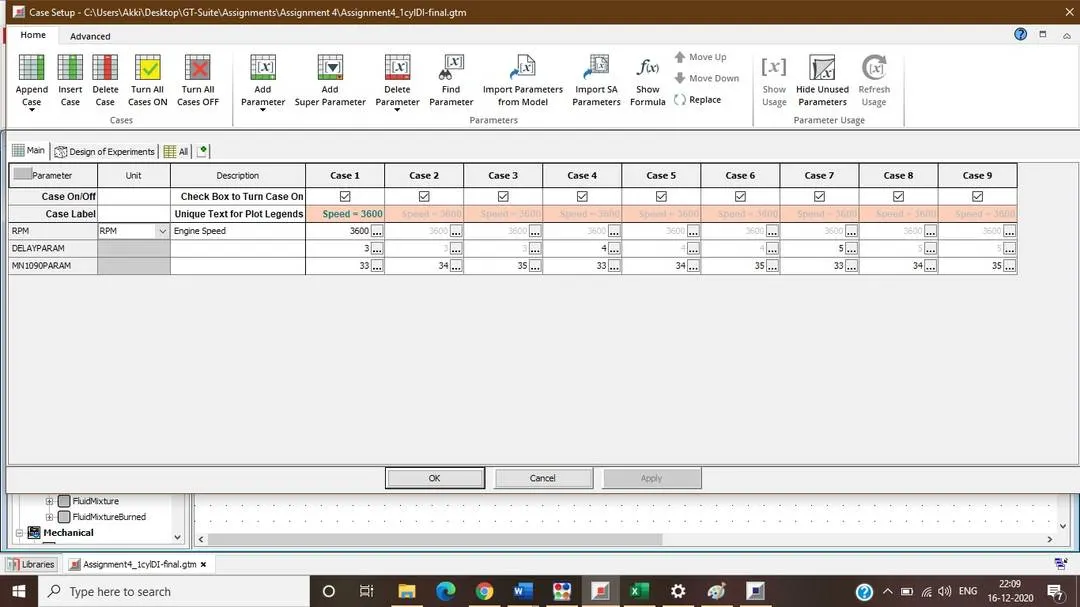
We will run the simulation for 9 cases and observe the effect of changing ignition delay and main duration on performance.
Case Setup
Favourites
Performance
Emission
Burn Rate
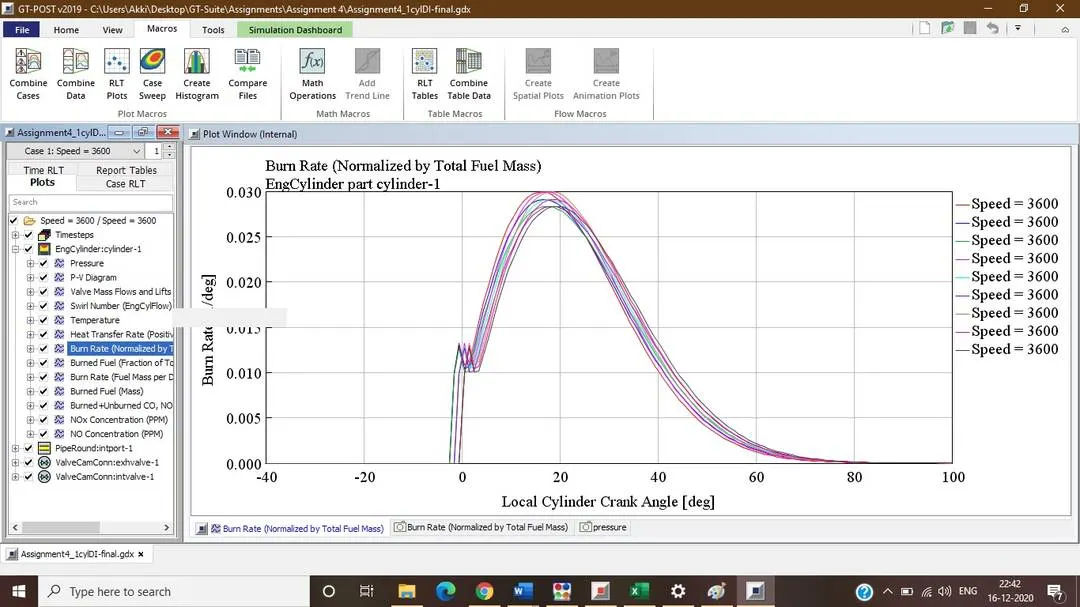
The curve shows the simulation result of ignition delay from 3-5-degree crank angle and main duration from 33 to 35.
The above graph is a result obtained out of simulating CI engine by varying main duration value. It shows that at main duration increases expansion curve decreases.
Conclusion: -
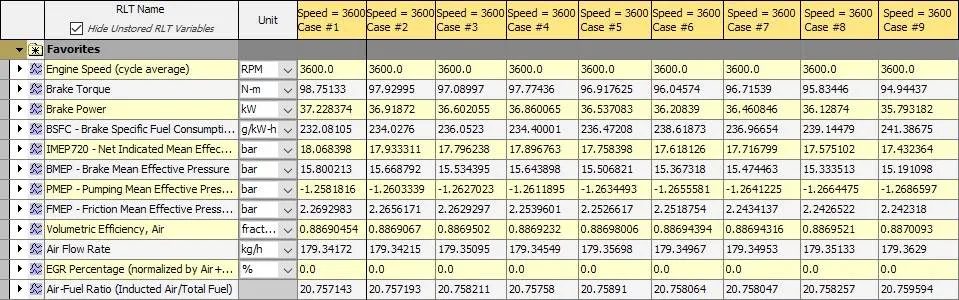
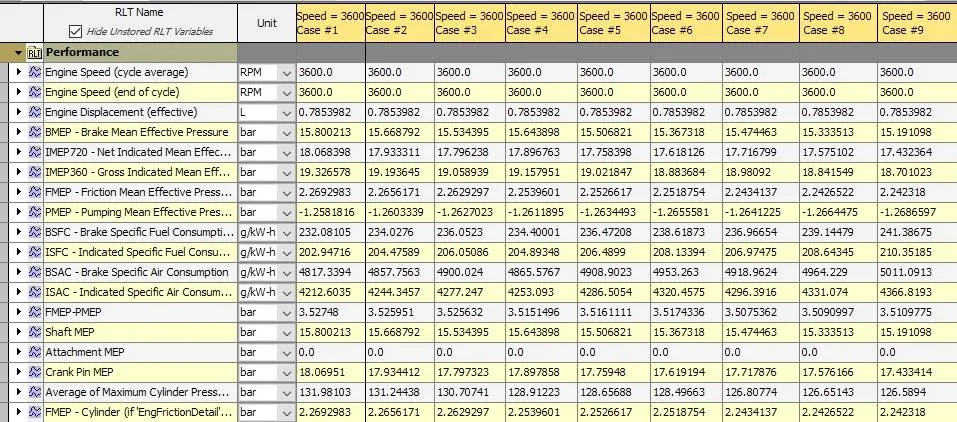
- Due to ignition delay slight reduction in brake torque and brake power is seen. Case 1 is a default case for which torque and power is highest among all the cases. Due to increase in ignition delay timing, there is Signiant increase in BSFC is seen
- Due to ignition delay more fuel and air is allowed to mixed or more A/F mixture is allowed to go into combustion chamber thus fuel and air consumption increases (BSFC, ISFC, BSAC and ISAC)
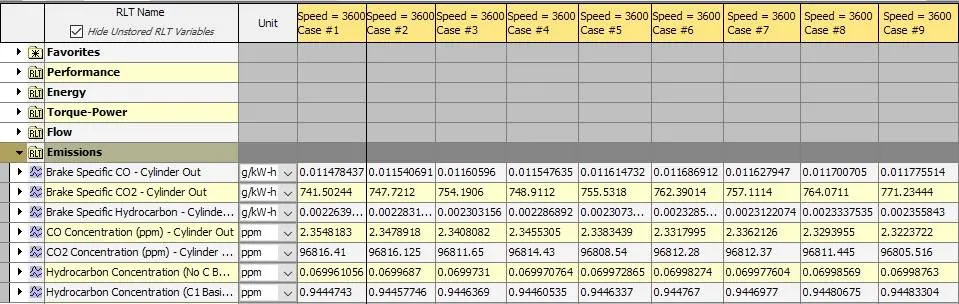
- Looking at the emissions we can see that at cylinder outlet CO, CO2, CO2 concentration & HC emission rises that means increase in invitation delay increases engine emissions
- Increase in main duration affects the brake torque, it decreases with increase in main duration.
- There is an increase in air and fuel consumption (BSFC, BAFC and ISAC), avg. cylinder pressure decreases due to increase in main duration.
- Looking at the emissions it can be seen that BS CO & CO2 increases and CO & CO2 concentration decreases.
- With compare to all the above nine cases there is decrease in brake torque and power but BSFC and other emissions are reducing thus to produce higher power and higher torque and less emissions we can give variable input on the basis of above study. And finally, it can be said that combustion in a CI engine is much complicated than SI engine as CI engine combustion consist of different stages.
Asignmnet No. 2 Link:- https://skill-lync.com/projects/assignment-2-120