Ahmed Body Challenge
Ahmed Body :
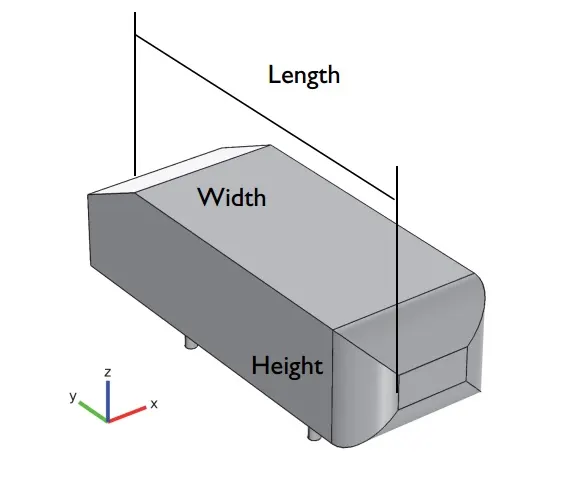
The Ahmed Body was first created by S.R. Ahmed in his research “Some Salient Features of the Time-Averaged Ground Vehicle Wake” in 1984. Since then, it has become a benchmark for aerodynamic simulation tools. The simple geometrical shape has a length of 1.044 meters, height of 0.288 meters, and a width of 0.389 meters. It also has 0.5-meter cylindrical legs attached to the bottom of the body and the rear surface has a slant that falls off at 40 degrees.
Importance of Ahmed Body :
As the burning of fossil fuels becomes a more pressing issue, manufacturers are introducing more fuel efficient cars to the market. One main contributor to fuel burn is the car’s aerodynamic drag. Complexly shaped, cars are very challenging to model and it’s difficult to quantify the aerodynamic drag computationally. The Ahmed body is a benchmark model widely used in the automotive industry for validating simulation tools. The Ahmed body shape is simple enough to model, while maintaining car-like geometry features.
Geometry, Meshing and Fluent Setup:
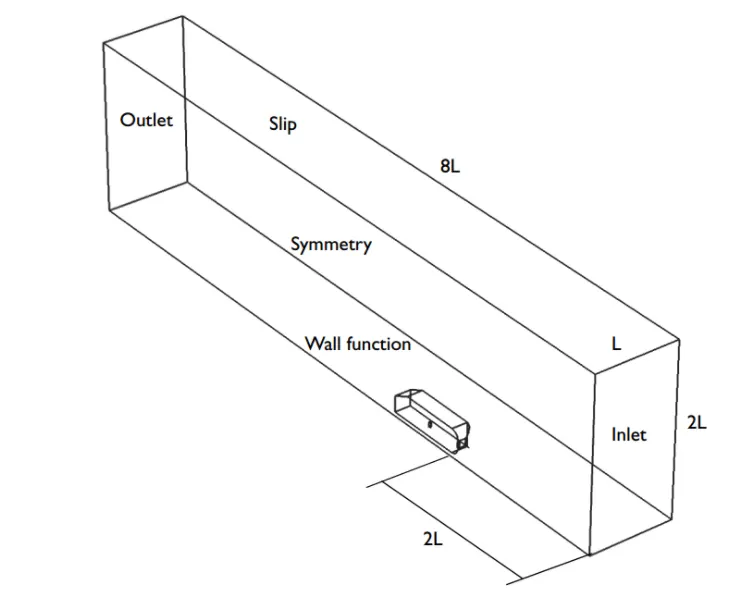
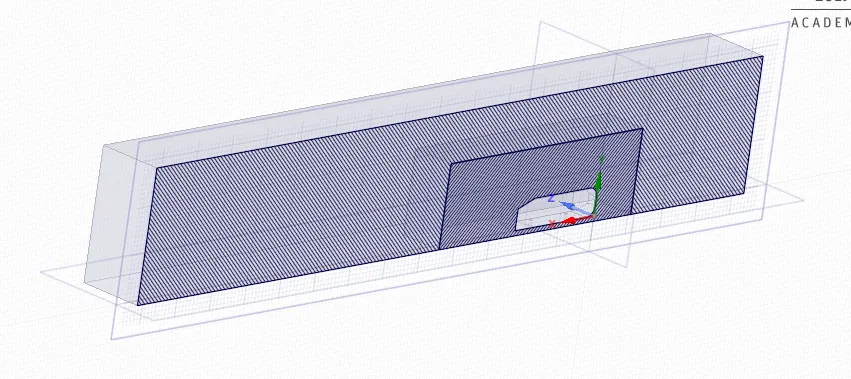
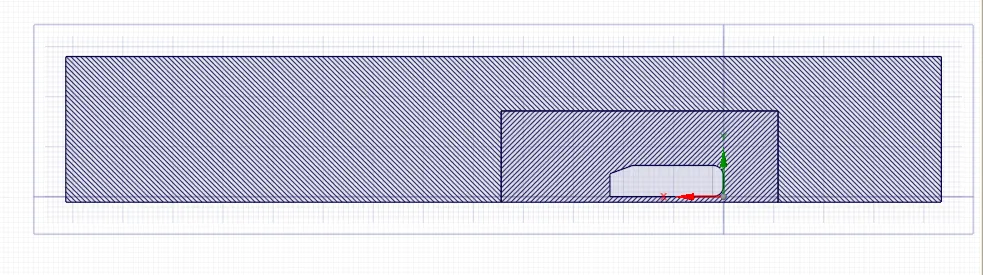
First the geometry was imported and an enclosure was created inorder to do the external flow simulation. Then the model was checked for interface and then the is imported to meshing. In meshing a base line mesh was created after creating named section. At this condition a baseline simulation was made inorder to get an overview. Then again the geomtry was modified by an encoser and mesh was refined by adding mesh type, Body sizing and inflation.
Then In fluent at steady state condition with K-Omega solver was used. Energy equation was made active. At Inlet velocity boundary condition was used and at outlet & symmetry wall, Pressure outlet and symmetry conditions were used respectively.
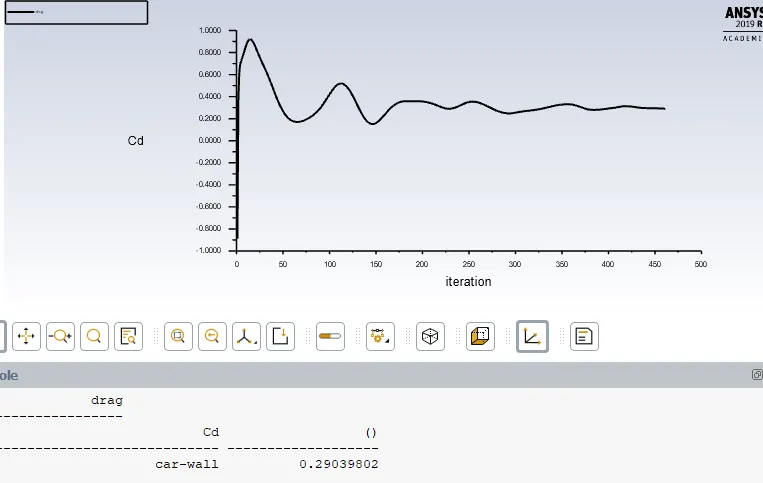
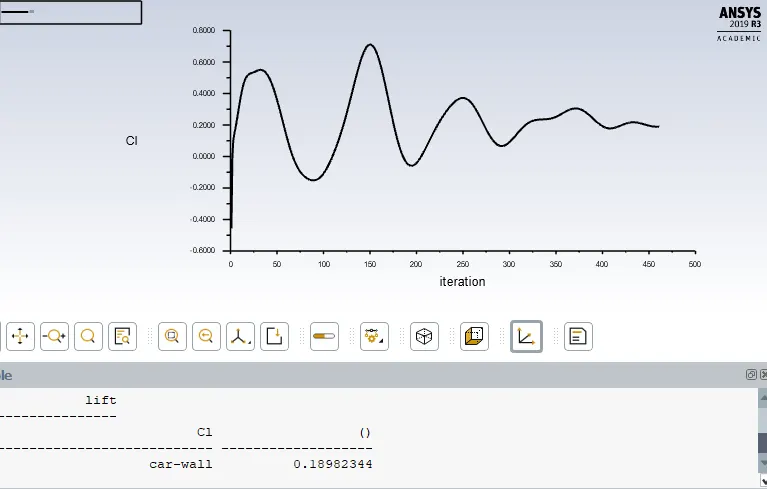
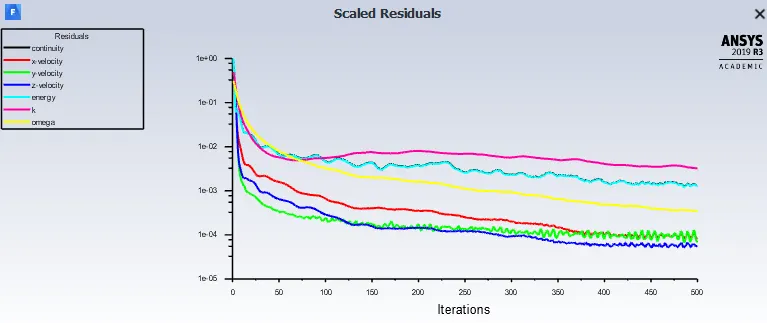
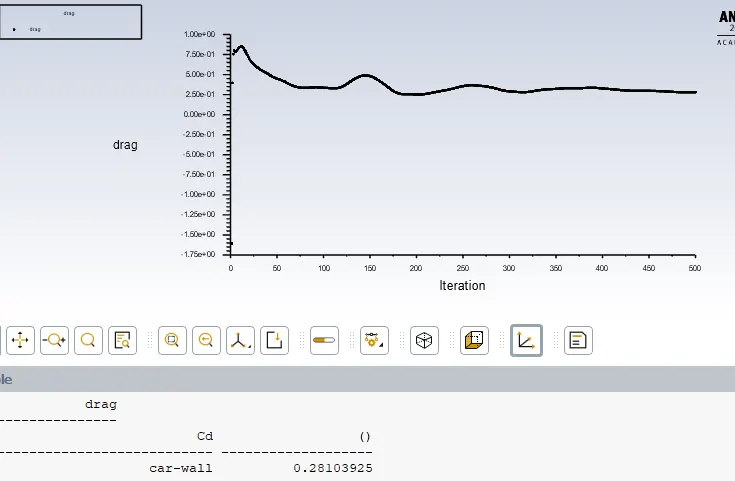
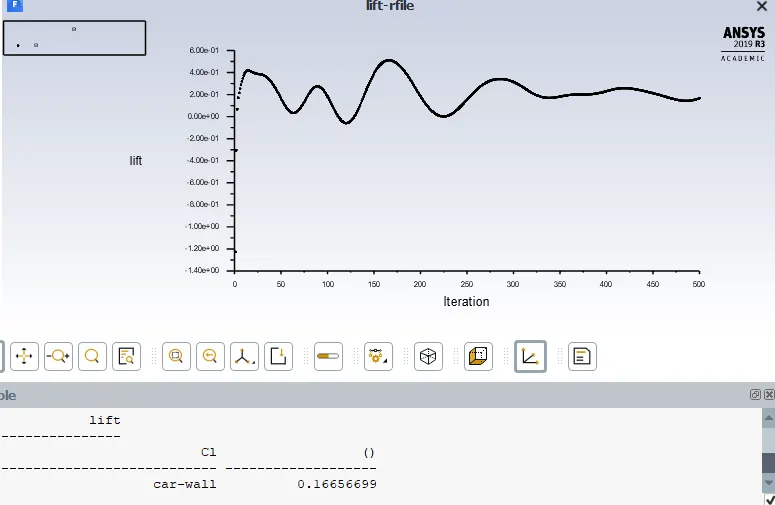
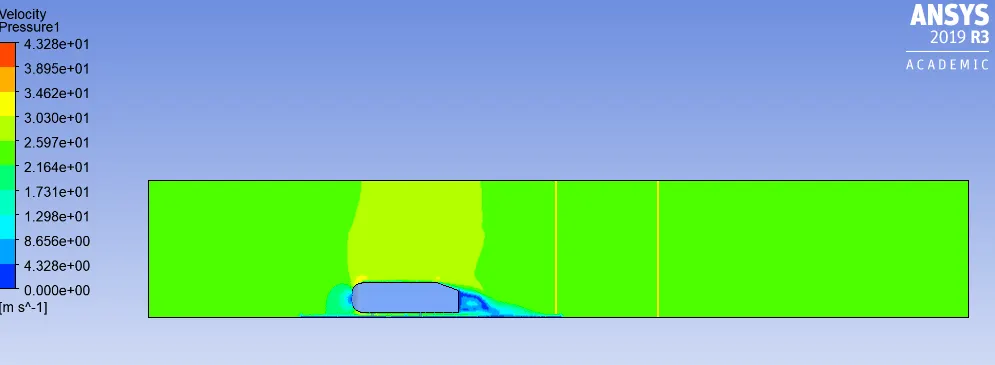
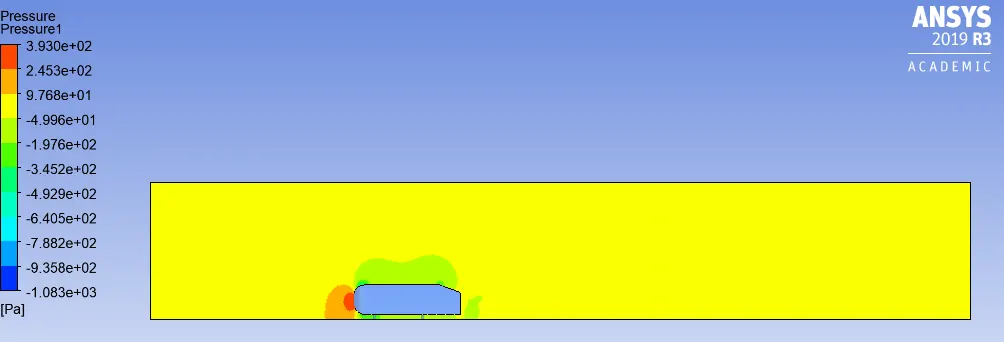
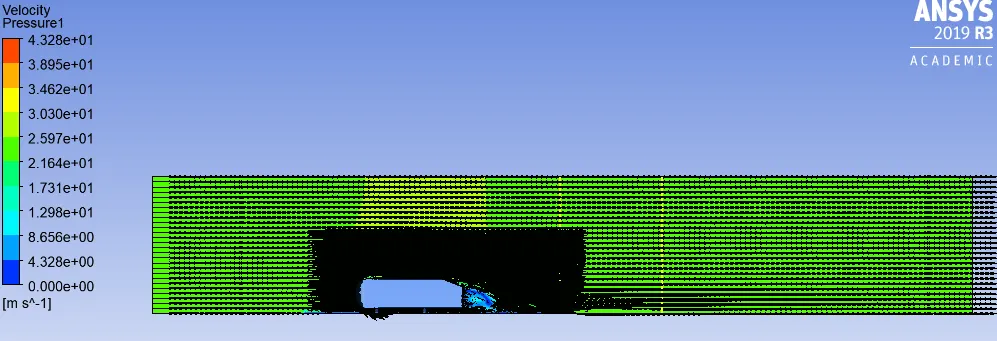
Velocity is set at 25 m/s with Air as working fluid. Velocity and pressure contours were set with intialisation. The simulation is made to run for 500 iterations. Even when it converges before it was made to run for full 500 iterations.
Once the simulation is completed XY plot is made and accordingly Yplus is generated. With yplus value inflation layer thickness was adjusted. And agin the setup was made to tun and thus case I is completed.
Case II and Case III is made simillary as Case I.
Meshing
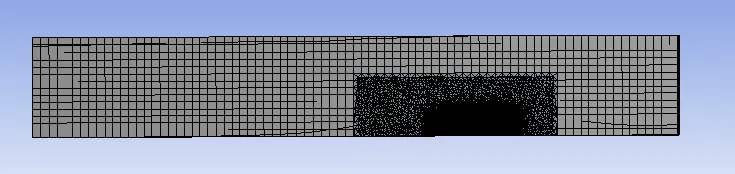
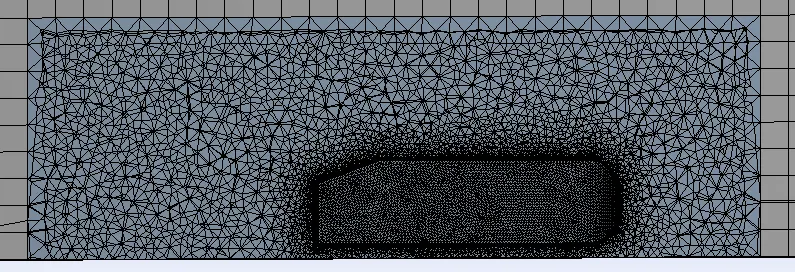
Case I

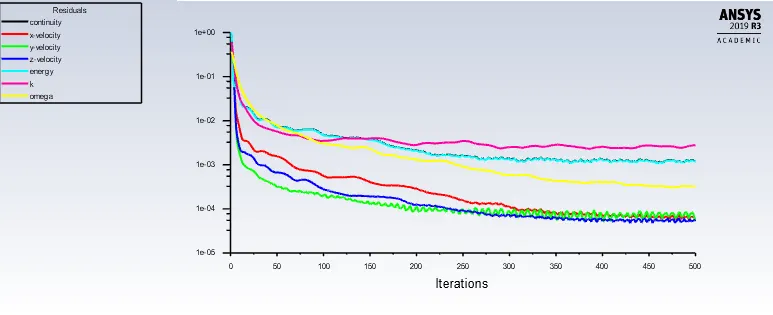
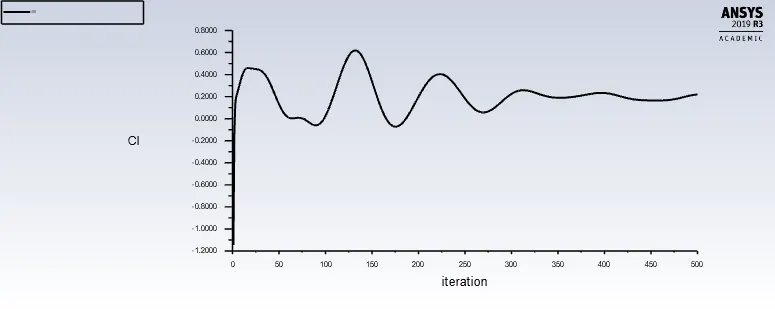
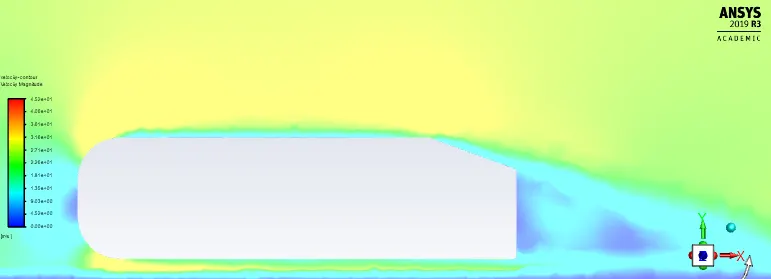
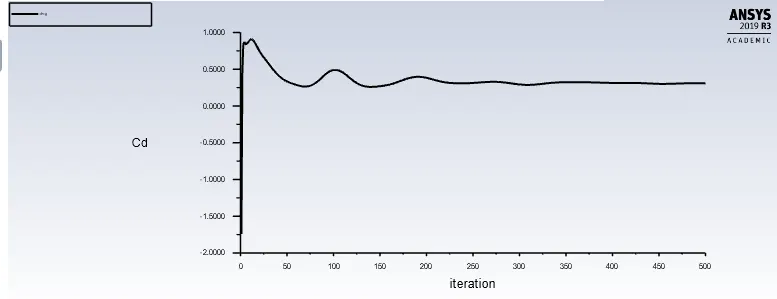
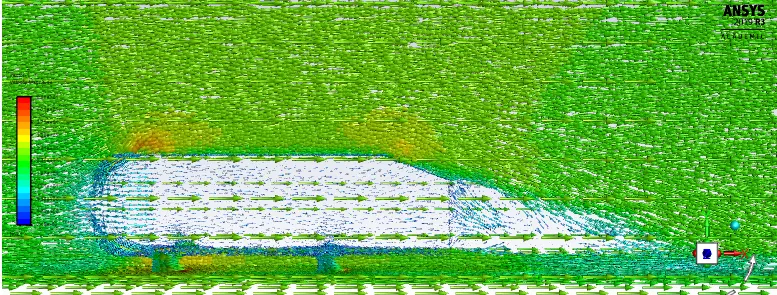
CaseII:

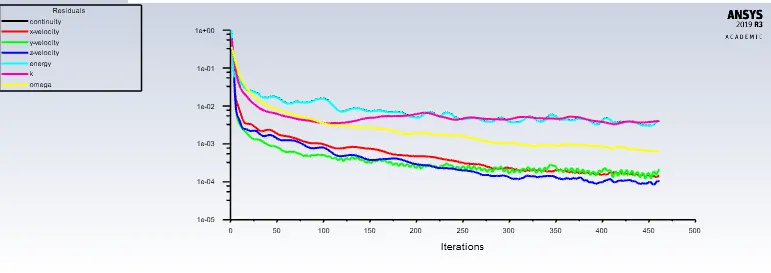
Case III

Conclusion :
Thus the ahmed body simulation is done and the results are ploted above. Drag, Lift were found.