DussehraFestive scholarship on Skill-Lync courses, this week onlyFestive scholarship is openOffer ends Wed, 21 Oct, 11:59 pm IST.
Dussehra 2026

Start your next chapter this Dussehra

Tell us where you want to work. A counsellor will match you to the right course and confirm the festive scholarship you qualify for.

  • Festive scholarship on course fees, confirmed on your call
  • Free 20-minute call to map the right course to your goal
  • Real industry projects and placement support with every course

Offer ends Wed, 21 Oct, 11:59 pm IST

3,905 engineers placed since 2019 · 1,277 hiring companies

By submitting you agree to our Terms and Privacy Policy.

You're on the list

Browse courses
Mechanical · Course

HVAC Systems Flow Analysis using Converge

A comprehensive course on HVAC system CFD using CONVERGE-CFD Software. This course is highly suited for beginners

Duration
6 weeks
Content
12 hours
Projects
5
Mode
Online
Overview

What you'll
be able to do.

  • After this course, the learner will be able to set up any internal flow problem, clean up any complicated geometry, and model turbulence. The learner will obtain a better understanding of how to set up the case for multi-phase, and CHT.
  • Additionally, he or she will get sound knowledge of the theories behind the concepts of turbulence (RANS), cavitation, interfaces, and regions.
Tools you'll use
CONVERGEParaview
Curriculum

6 modules,
built with industry.

Get the full syllabus ↓
  1. 01HVAC Systems Flow Analysis using Converge6 modules
    1. CONVERGE STUDIO ModuleW01
      • In this module, you will learn how to set up a CFD simulation using CONVERGE CFD. You will be provided with a step-by-step guide on how to do the following:
        • CAD import and cleanup
        • Decomposing the model into boundaries and volumetric regions
        • Inputting valve timing
        • Choosing turbulence and combustion models
        • Running the case in a parallel environment
        • Post-processing
    2. Surface PreparationW02
      • In this module, you will cover surface preparation in detail.
        • Setting up the moving boundaries
        • Geometry cleanup
    3. Region InitializationW03
      • In this module, you will learn the following concepts:
        • Initializing pressure, temperature, and species concentration in different flow regions.
        • Disconnect triangles
    4. Turbulence ModellingW04
      • In this module, you will learn how turbulence is modeled and simulated in a state-of-the-art CFD solver. You will learn about the different classes of turbulence models and understand their merits and demerits.
        • Learn about the RANS approach to model turbulence.
        • Understand the math behind RANS and its derivations.
        • Learn the theory behind the various types of turbulence models available (RNG k-, k- SST, and so on) and recognize which model is appropriate for which type of application.
    5. Cavitation ModellingW05
      • In this module, you will learn how cavitation can be simulated. You will focus on the volume of the fluid method. You will also learn about the Void fraction, which is the basis of the VOF method.
    6. Output ProcessingW06
      • In this module, you will learn how to extract critical output that is relevant to pumps and compressors.
Industry projects

5 projects
you'll ship.

Our projects are designed by experts in the industry to reflect industry standards. By working through our projects, Learners will gain a practical understanding of what they will take on at a larger-scale in the industry. In total, there are 5 Projects that are available in this program.

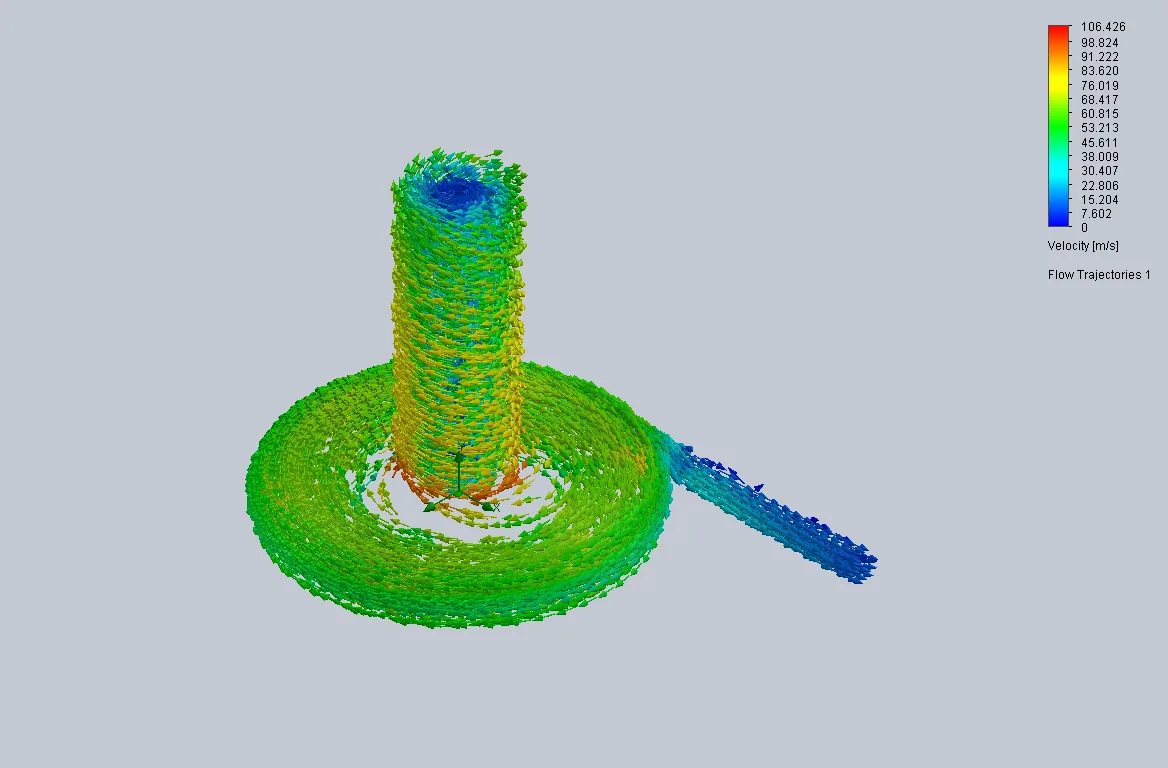
Performance Characterization of a Centrifugal Pump

Performance Characterization of a Centrifugal Pump

This project involves the simulation of flow in a centrifugal pump to plot the pump performance curve.
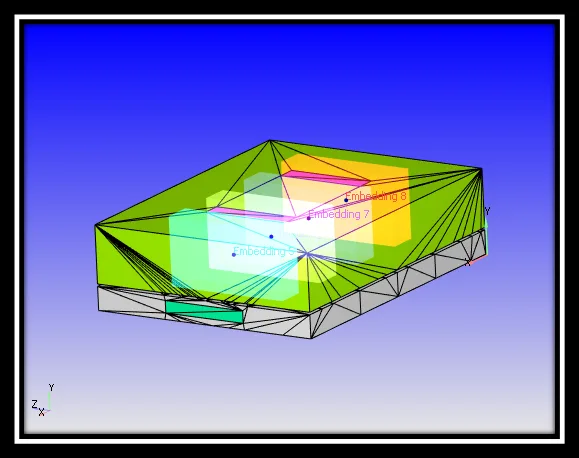
Thermal Management Simulation of a Hot Aisle and a Cold Aisle Containment System

Thermal Management Simulation of a Hot Aisle and a Cold Aisle Containment System

This project consists of a simulation of flow through a model data center to determine the airflow patterns and to understand the regions where the hotspots could appear.
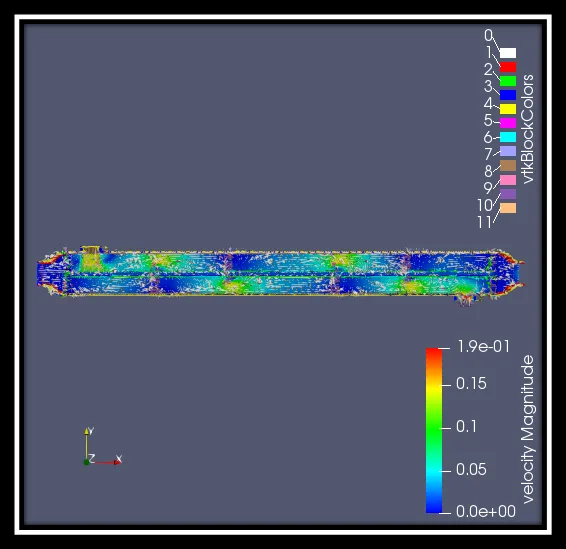
Simulation of a Shell and Tube Heat Exchanger

Simulation of a Shell and Tube Heat Exchanger

This project involves the simulation of flow through shell and tube heat exchangers to obtain the pressure drop and to determine its effectiveness.
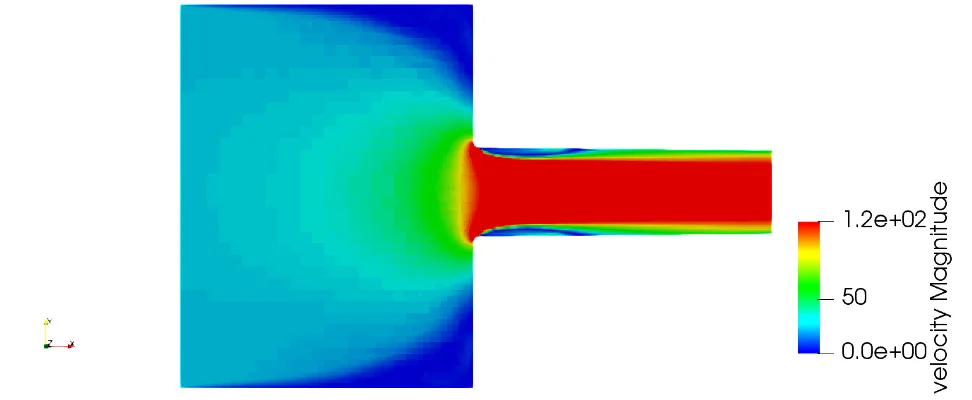
Flow through Winkl-Hoffer Nozzle (2D Cavitation)

Flow through Winkl-Hoffer Nozzle (2D Cavitation)

In this project, the cavitation zone is determined using the Volume of Fluid (VOF) method, and the cavitation zone length versus pressure difference plot is made.
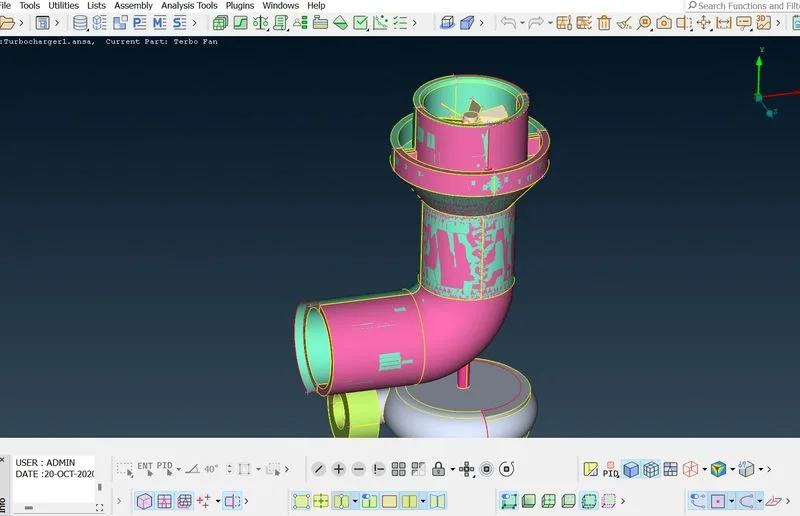
Turbocharger Flow Analysis

Turbocharger Flow Analysis

This project involves the flow simulation through a turbocharger and plotting the performance curve.

Fee

One fee.
Everything included.

Become job ready with our comprehensive industry focused curriculum for freshers & early career professionals

Premium
₹40,000
Inclusive of all charges
  • 1 Year Access
  • Personalized Page
  • Live Individual & Group Sessions
  • Personalized & Hands-On
  • Job-Oriented Industry Relevant Curriculum
Check eligibility →
FAQ

Questions,
answered.

Why should I enroll in the HVAC certification course?

This course will make you ready to deal with HVAC systems in the practical world. It will also cover a few industry-relevant software that will prepare you for the market.

What will I learn in the HVAC design engineer course?

The course covers the basics of HVAC systems and other topics like Converge studio module, surface preparation, etc. You will also be taught region initialization and turbulence modelling in the course. 

Will I get a certificate post the completion of the course?

Yes, you will receive a certificate of completion once you are through with the course.

How will the industry experts know that I have taken up this course?

Skill-Lync provides you with a shareable certificate to add to your list of credentials while interviewing with any company for a job.

What is the eligibility of the HVAC certification course?

You must have prior experience in mechanical, aerospace, or automotive engineering to get into the HVAC certification course.

What is the duration of the HVAC design course ?

The duration of the course is three months.

Next step

Not sure it's
the right fit?

A counsellor will walk you through the syllabus, projects and fee options — and tell you honestly if another course suits you better.

Get the syllabus + a call back

We'll email the full syllabus and call within one working day.

By submitting you agree to our Terms and Privacy Policy.

Call usEnquire

Talk to a career counsellor

Free 20-minute call. We'll map the right course to where you want to work.

By submitting you agree to our Terms and Privacy Policy.