Fundamentals of Design Automation
Design automation refers to the use of computer software and tools to assist in the design and development of physical or digital products. This can include everything from the initial concept and prototyping stages to the final production and manufacturing processes.
 Navin Baskar·1 May 2023·3 min read
Fundamentals of Design Automation
What is design automation?
Design automation refers to using computer software and tools to assist in designing and developing physical or digital products. This can include everything from the initial concept and prototyping stages to the final production and manufacturing processes. Design automation aims to improve the design process's efficiency and accuracy while reducing the need for manual labor and minimizing human error.
There are a variety of different types of design automation tools available, including computer-aided design (CAD) software, computer-aided manufacturing (CAM) software, and product lifecycle management (PLM) software. These tools can be used to create detailed 3D models, simulate and test product performance, and manage the entire product development process from start to finish.
Where is design automation applied?
Engineering design automation can be applied to various industries, including automotive, aerospace, and consumer electronics. In the automotive industry, for example, design automation tools can be used to create virtual prototypes of cars and test them for crashworthiness, aerodynamics, and fuel efficiency. Similarly, aerospace companies use design automation to optimize the performance of aircraft components, such as wings and engines.
One major benefit of design automation is the ability to quickly and easily make iterations on designs. This can greatly speed up the product development process and reduce the time and costs associated with creating and testing new products. Additionally, design automation can increase the accuracy and precision of the designs, leading to improved product performance and reliability.
Overall, design automation is an important tool to help companies develop better products faster and more efficiently. With the continued advancement of technology, it is likely that design automation will continue to play a crucial role in the product development process across many industries.
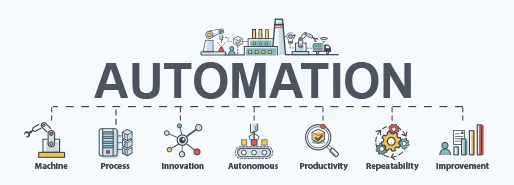
Stages of design automation
Conceptual Design: This is the initial stage of the design process, where ideas and concepts are generated and evaluated. Design automation tools, such as computer-aided design (CAD) software, can be used to create 3D models and visualizations of the product, allowing designers to explore different options and make decisions about the overall design.
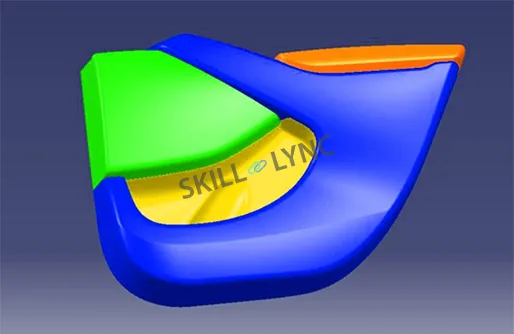
Detailed Design: In this stage, the design is refined and developed in more detail. Design automation tools, such as CAD software, can be used to create detailed 3D models and technical drawings of the product, which can be used for testing and simulation.
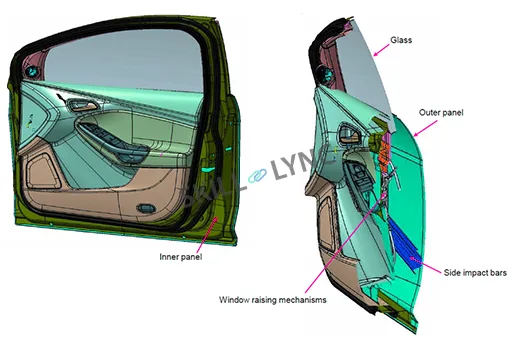
Fig 2:- Detailed design of full door assembly
Simulation and Analysis: In this stage, the product is simulated and tested to evaluate its performance and identify potential issues. Design automation tools, such as computer-aided engineering (CAE) software, can be used to run simulations and analyze the product's behavior under different conditions.
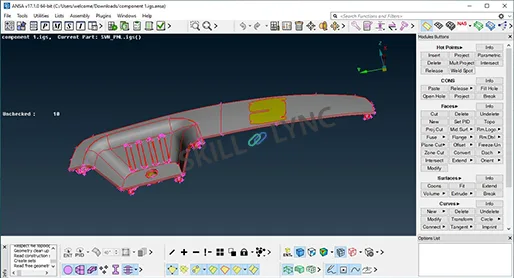
Fig 3:- Analysis of Door arm rest with switch bezel
Manufacturing and Assembly: In this stage, the product is manufactured and assembled using design automation tools, such as computer-aided manufacturing (CAM) software. This software can be used to generate the instructions and tool paths needed to control the manufacturing equipment and produce the final product.
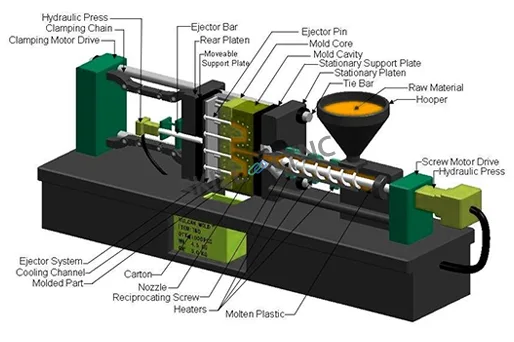
Fig 4:- Manufacturing method of plastic component (Injection moulding)
Product Lifecycle Management: Finally, design automation tools can be used to manage the entire product development process from start to finish. Product lifecycle management (PLM) software can be used to track the product throughout its entire lifecycle, from initial concept to final retirement.
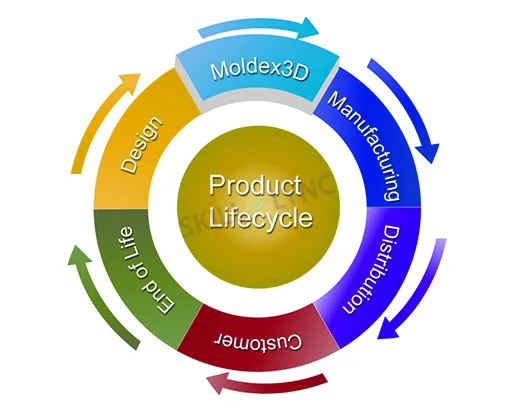
Fig 5:- General product lifecycle management.
Each stage of the design automation process is important and interrelated, and using automation tools can help improve efficiency, accuracy, and the speed of the entire process, while also reducing the risk of errors.
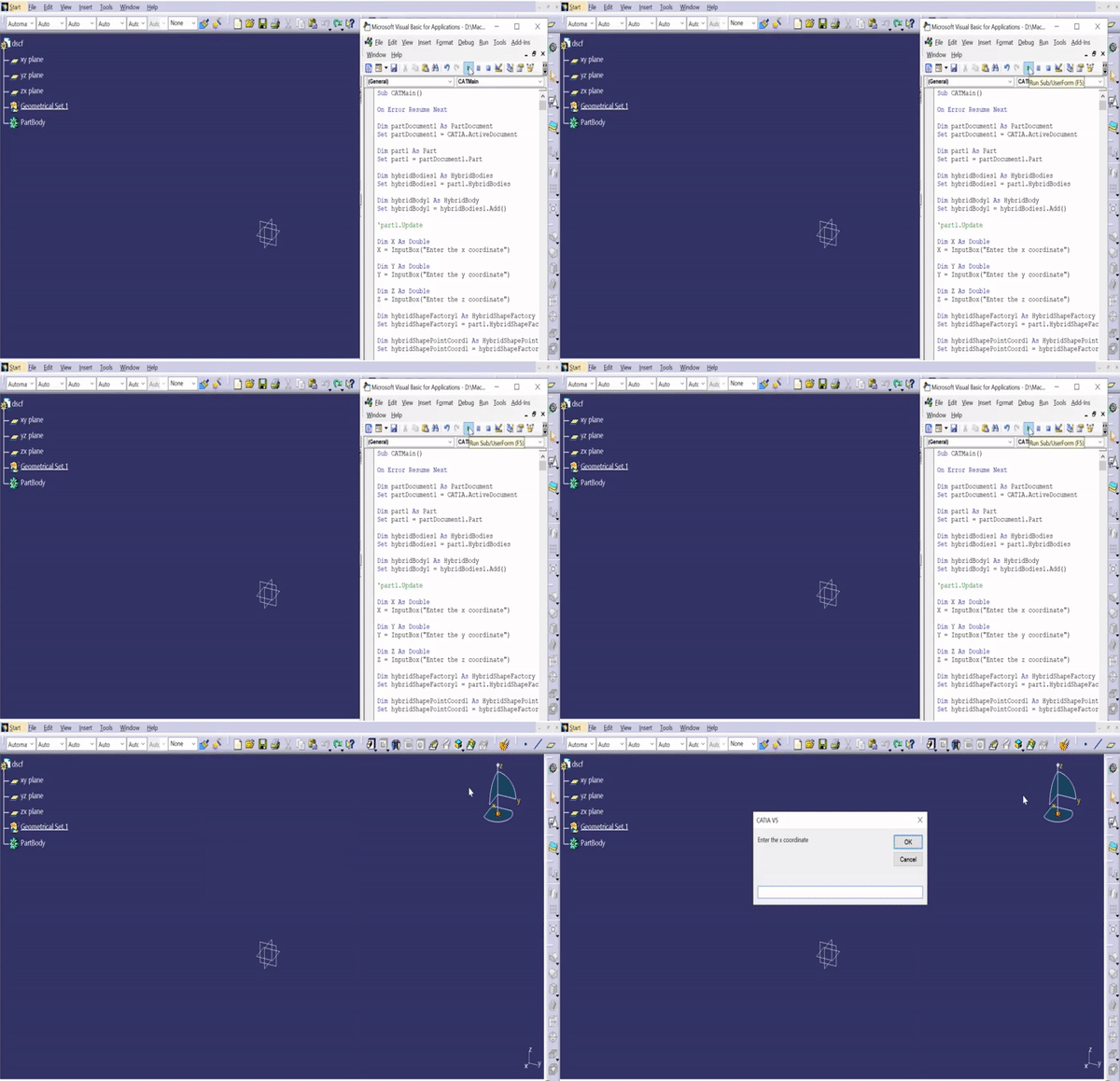
Here’s a short video explaining how automation works
Conclusion
In conclusion, design automation is a powerful tool that can greatly improve the efficiency and effectiveness of the product development process. By using computer software and tools to assist in designing simulating testing, and manufacturing, companies can save time and money while producing better and more reliable products. The stages of design automation include conceptual design, detailed design, simulation and analysis, manufacturing and assembly, and product lifecycle management. Each stage is important and interrelated, and using automation tools can help improve efficiency, accuracy, and the speed of the entire process. With the continued advancement of technology, it is likely that design automation will become even more prevalent and essential in the product development process across many industries.