How to remove MySQL Server from your PC? A Stepwise Guide
Microsoft introduced and distributes the SQL Server, a relational database management system (RDBMS). SQL Server is based on SQL, a common programming language for communicating with relational databases, like other RDBMS applications.
 Navin Baskar·22 Aug 2022·1 min read

How to remove MySQL Server from your PC? A Stepwise Guide
Microsoft introduced and distributes the SQL Server, a relational database management system (RDBMS). SQL Server is based on SQL, a common programming language for communicating with relational databases, like other RDBMS applications. The Microsoft SQL implementation known as Transact-SQL, or T-SQL, which includes a number of exclusive programming constructs, is linked to SQL Server.
For over 20 years, SQL Server has only operated in the Windows environment. Microsoft made it available on Linux in 2016. In October 2016, the Windows and Linux-compatible SQL Server 2017 version became generally available.
SQL Architecture:
SQL server consists of two integral components:
- Database Engine
- SQLOS
Database Engine:
- The Database Engine is the main part of the SQL Server. The database engine is made up of a relational engine for handling queries and a storage engine for keeping track of database files, pages, indexes, etc. The Database Engine also creates and runs database objects including stored procedures, views, and triggers.
SQLOS
- The SQL Server Operating System, often known as SQLOS, sits underneath the relational engine and storage engine. Numerous operating system services, including memory and I/O management, are offered by SQLOS. Exception management and synchronisation services are some more services.
Guide to Removing SQL from your PC
Here are the steps to follow to remove SQL from your PC:
Step - 1:
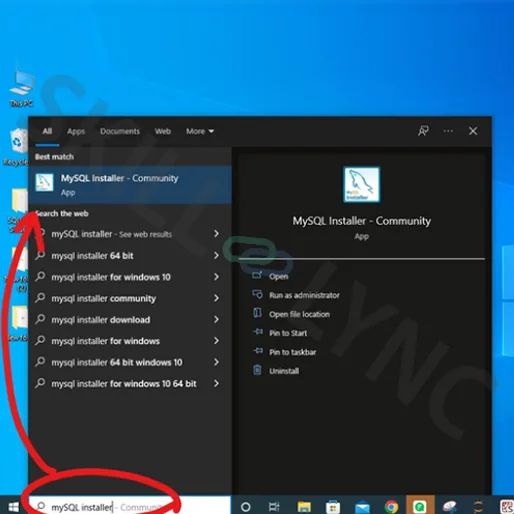
Press the Window key, search MySQL Installer and open it.
Step - 2:
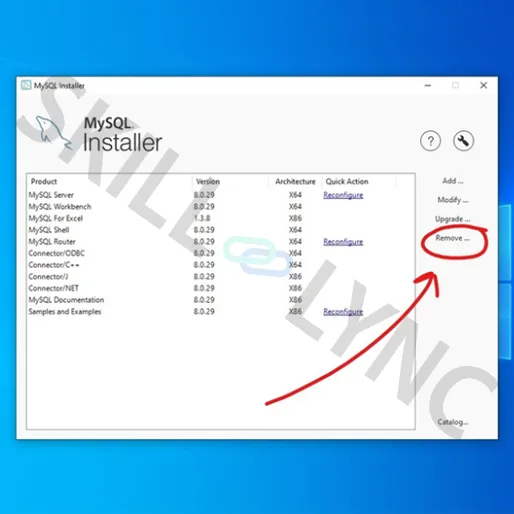
Select the Remove option to remove the SQL files.
Step 3:
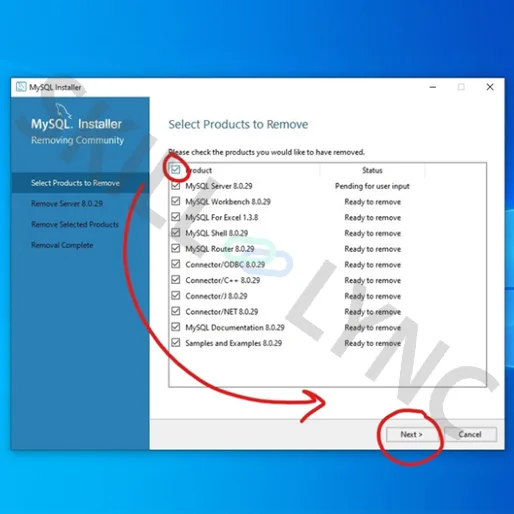
Select all and then click the Next button.
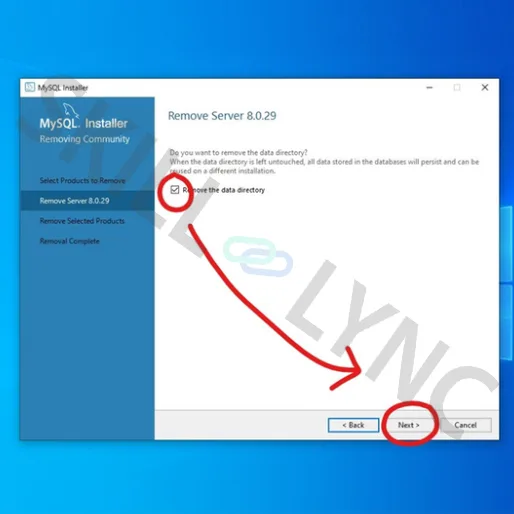
Step - 4:
Select Remove the data directory and click the Next button.
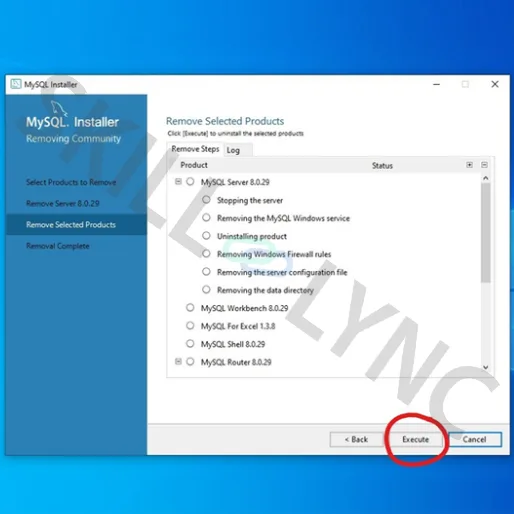
Step - 5:
Click Execute to start the process.
Step - 6:
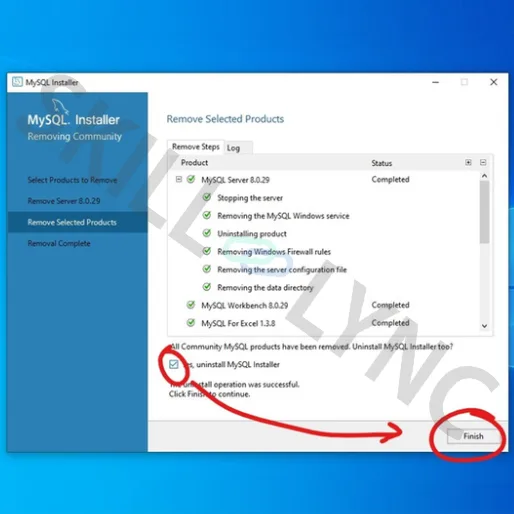
Select yes, uninstall MySQL Installer and click the Finish button. To install MySQL, click here.