Wiring harness design in CATIA V5 - 3D modeling Week 2 Challenge
BASICS OF ELECTRICAL DISTRIBUTION SYSTEM (EDS) AND WIRING HARNESS
1) Electrical Distribution System: It runs from front end to rear end of the vehicle. It involves physical and logical architecture schematic development, power distribution, wiring harness design, wiring harness component design of given electrical system. It ensures the physical location of all electrical components placed in the vehicle. It provides the logical connectivity between electrical components. It has electrical controller unit for different sections like Airbag ECU, ABS ECU, Engine (ECU).
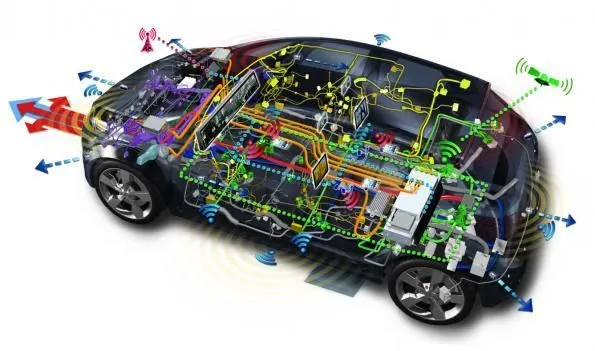
2) E&E Architecture: It is the high-level logical connectivity diagram. It represents all the systems, sub-systems and logical connections between them. It shows the Control Area Network (CAN) between different electronic components.
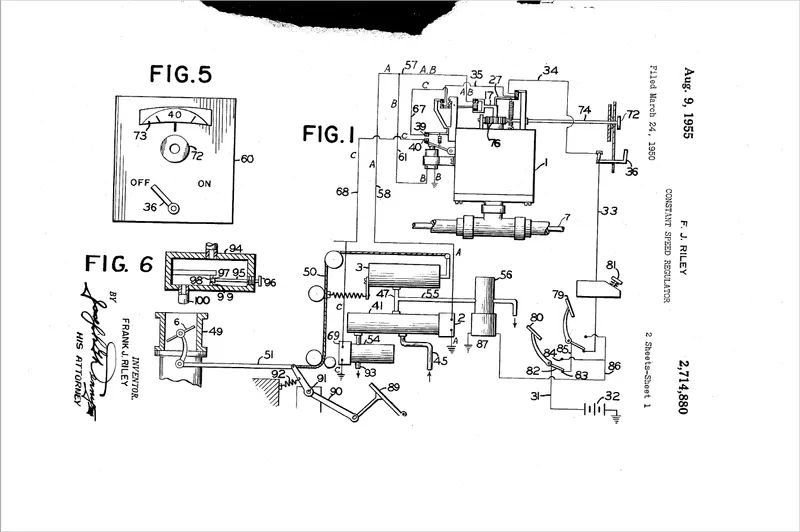
3) Logical schematics: Detailed design of E&E architecture. It shows the logical connectivity between different components and controls of given systema and subsystem. It does not define any other parameter except electrical connectivity.
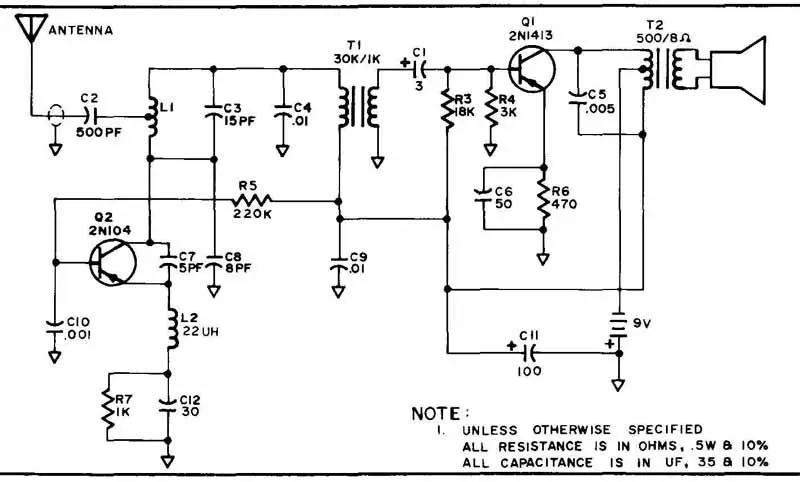
4) Electrical schematics: Detailed design of logical schematics, pin to pin connectivity, properties, fusing distribution, grounding distribution, interconnects, wire properties (wire gauge, color, type), circuit properties (circuit number, connector designation number, control device number), specification of components, end results of electrical core design of system and primary input for harness design.
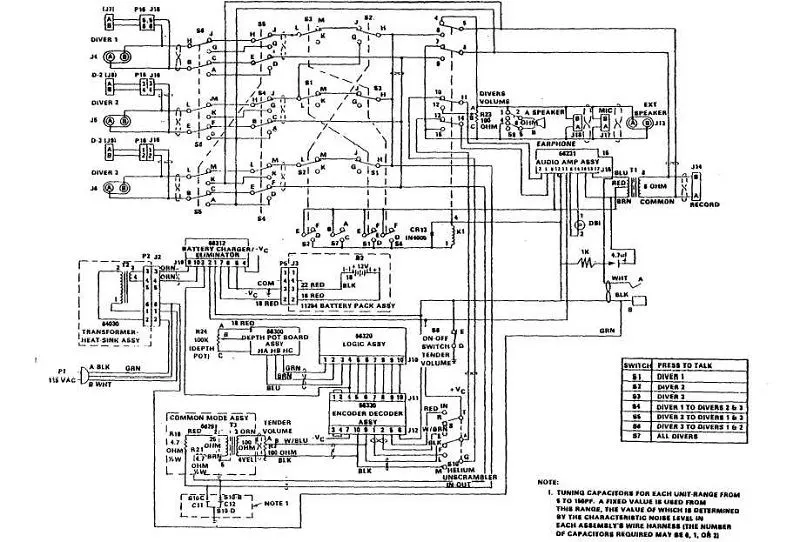
5) Wiring harness topology: Strategy to split the harness between different pieces to achieve the best manufacturability, serviceability and cost-effective design.
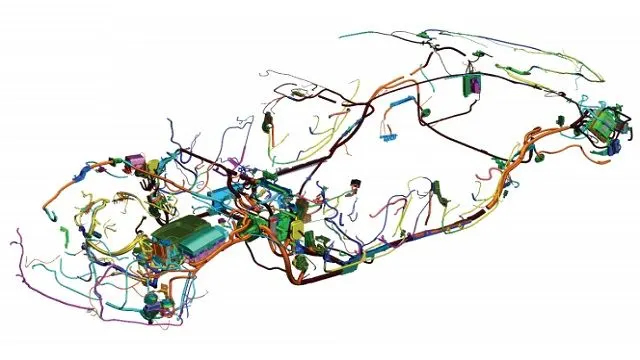
6) Wiring harness routing: It provides the desired path of wiring harness into given vehicle environment by applying set of design rules and industry best practices.
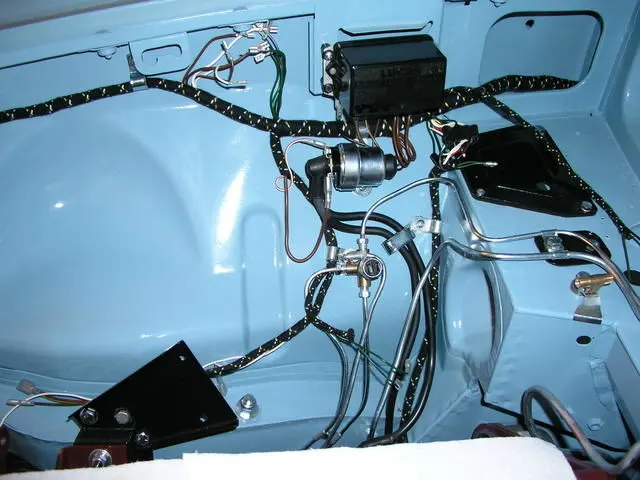
7) Wiring harness packaging: Fixing/mounting strategy of wiring harness routing to ensure the safe, reliable and durability of wiring harness by applying set of design rules and industry best practices.
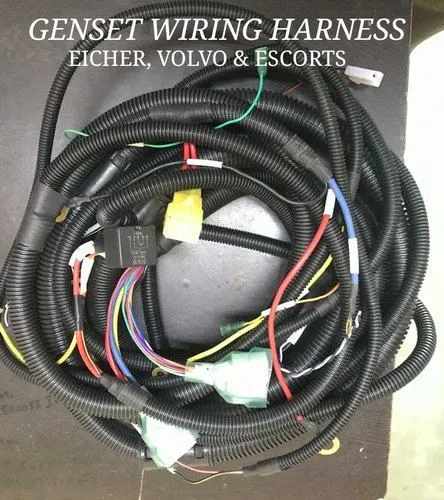
For the electrical wiring harness design, the parts are get from the Tyco Electrical websites and other supplier websites. Basically, the parts which are required to ddesign harness are the Connector, Cavity, Terminal, Wire & Bundles, Fuse and Relays, Packages, etc,.
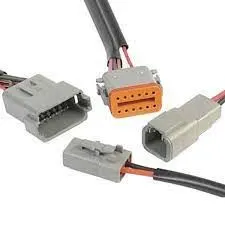
Connectors: These are electro-mechanical device used to join electrical termination. Connectors create an electrical circuit. These are plastic molded housing with locking and retention feature.
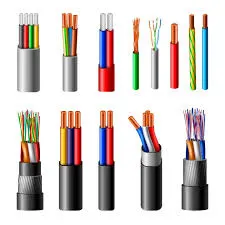
Wires: Various bundled wires together. Each individual wire is responsible for carrying the electrical signals and energy. Wires are made up of Cu conductors insulated with PVC insulation.
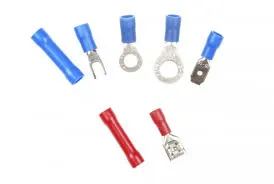
Terminals: A device used to terminate a conductor that is to be affixed to post, stud, chassis, another tongue etc., to establish electrical connection. These are metal conductors with plating constructed in specific shape.
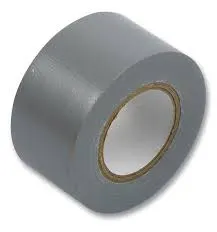
Insulation: adhesive and non-adhesive tapes and sleeves. Polymer or cotton/polymer (very effective in high-temperature zone).

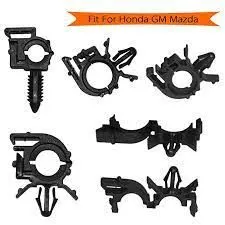
Clips & Clamps: Plastic molded parts with mounting /snapping features.
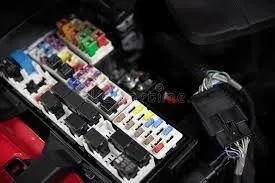
Fuse and relay box: Plastic molded parts used to package fuses and relays in systematic manner.
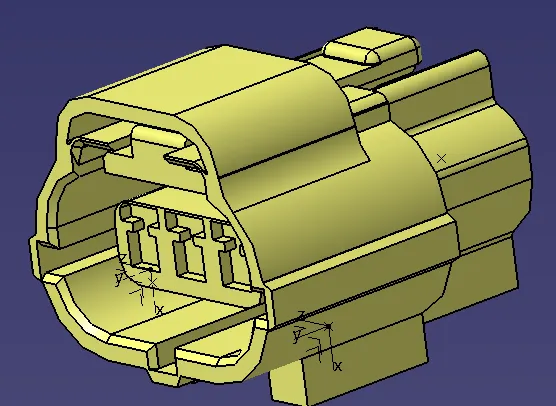
1. Tyco 174357-2
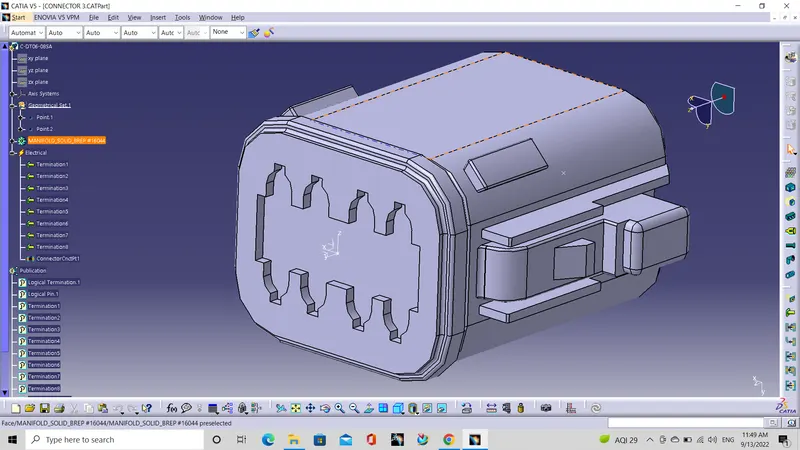
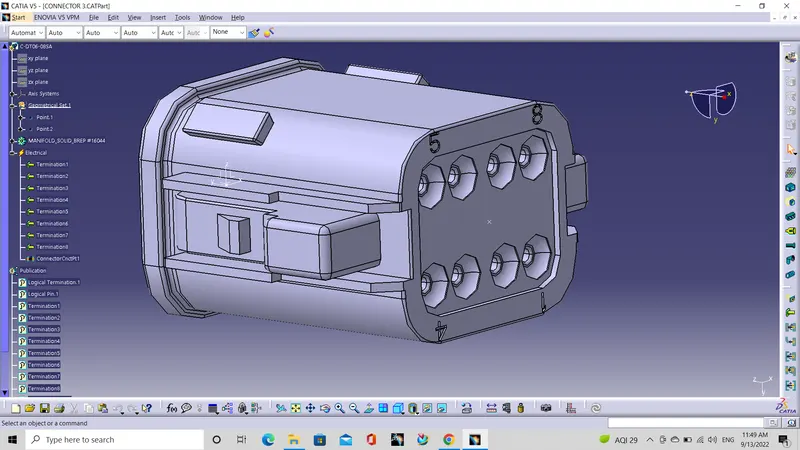
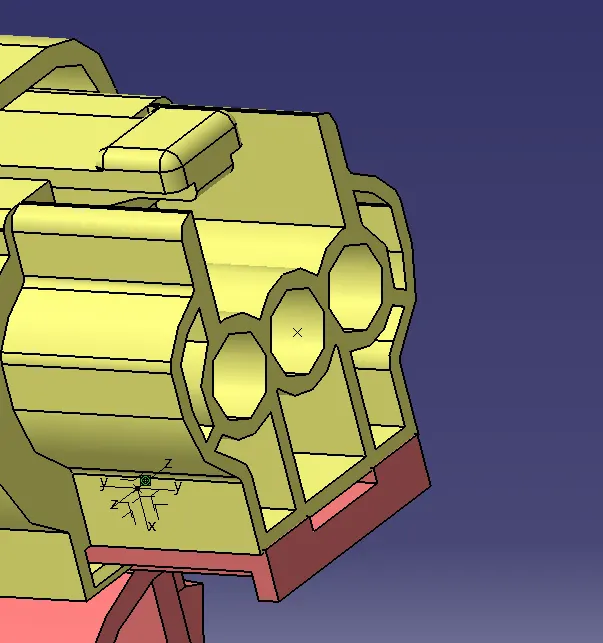
The mechanical part design get from open source for the required design aspect and the mechanical part is convert into electrical part by adding the Bundle connection point and connector connection point. The points are defined as the electrical connection point by using Define connctor, Bundle connection, Connector connection.
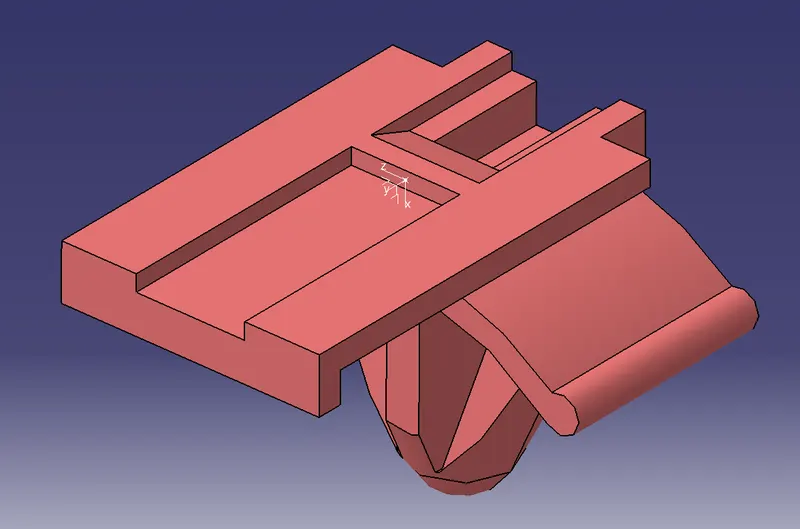
CAVITY
Cavity is the part which used to mount the connector on the body or work surface. For connect cavity to connector by creating cavity connection point and is defined as the electical part by cavity connection and mounting element.
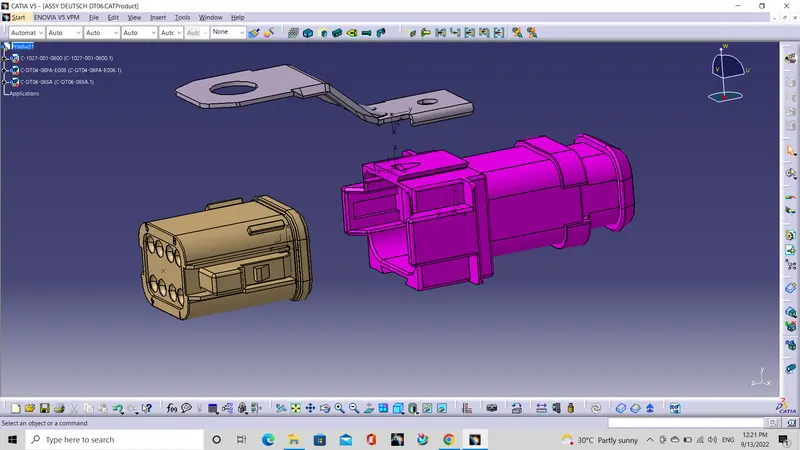
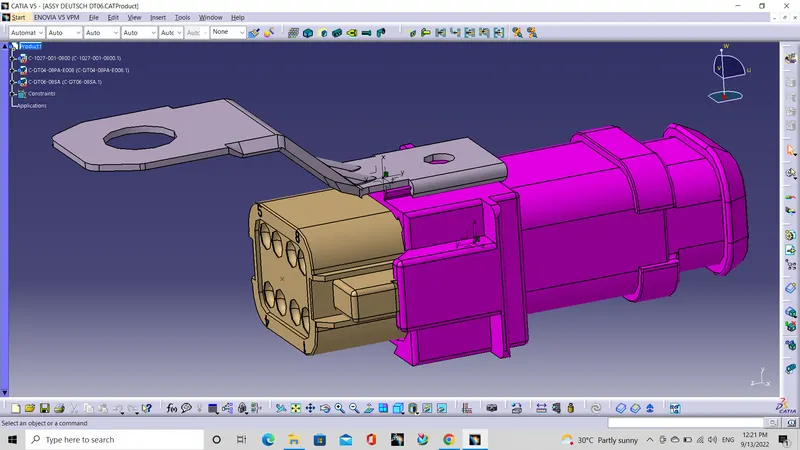
All the electrical parts are joined together by connect elctrical element based on the axis we created.
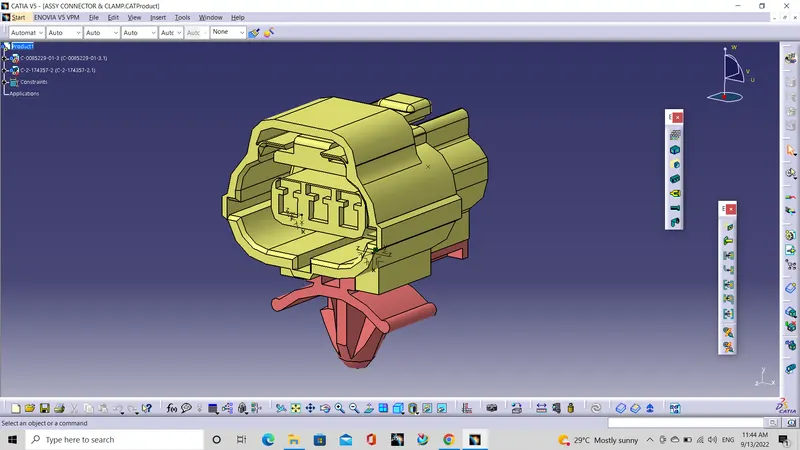
Bundle connection point is a point the bundle which connect on the connector terminals
2.Deutsch DT06 – 08SA