Week 9 Machining with Planer Challenge
Objective To perform a Explicit dynamic analysis for planer cutting operation. Material for the work piece is steel 1006. Need to run the analysis with two cases with velocity 20000 mm/s and 15000 mm/s for the tool. Find out the Equivalent Stress, total Deformation and User defined result for temperature and compare them for both the cases.
Case 1-20000 mm/s
Case 2-15000 mm/s
Solution-Case 1
First we add the material needed from the engineering library.
Material Properties for Steel 1006
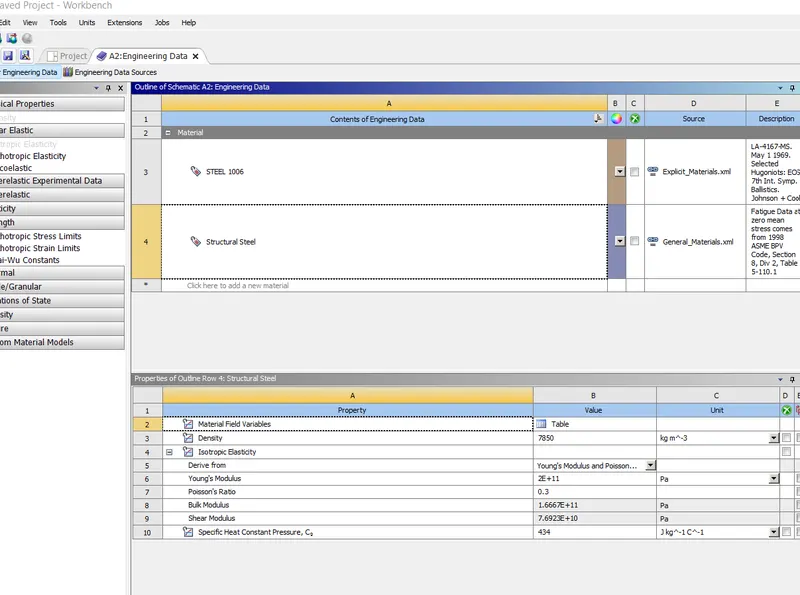
Now we upload the model to the geometry and open it in space clam and see if there are any discontinuities in the model. Update the model to the mechanical module. And Opening the module.
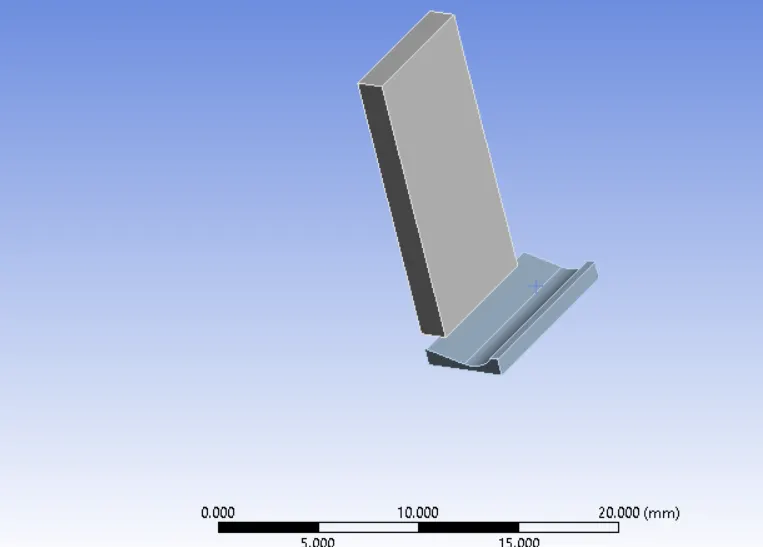
For the tool we set the behaviour as rigid as we are not intrested in stresses on tool.
Change the material for work piece to steel 1006.
Now in connections we remove all theh contact between work piece and tool
As a explicit dynamic method of analysis is used when there is a large deformation in a very short period of time.
Explicit dynamic analysis is used in a car crash analysis or a drop test of laptop or Phone:
So we are not intersted in the contact between tool and the work piece.
We generate edge sizing for the work piece and devide the thickness of it into 10 divisions.
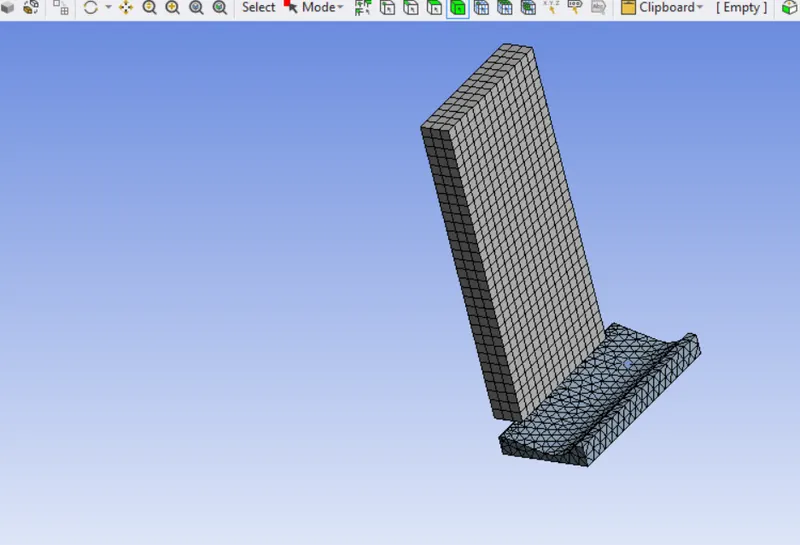
ANALYSIS SETTINGS
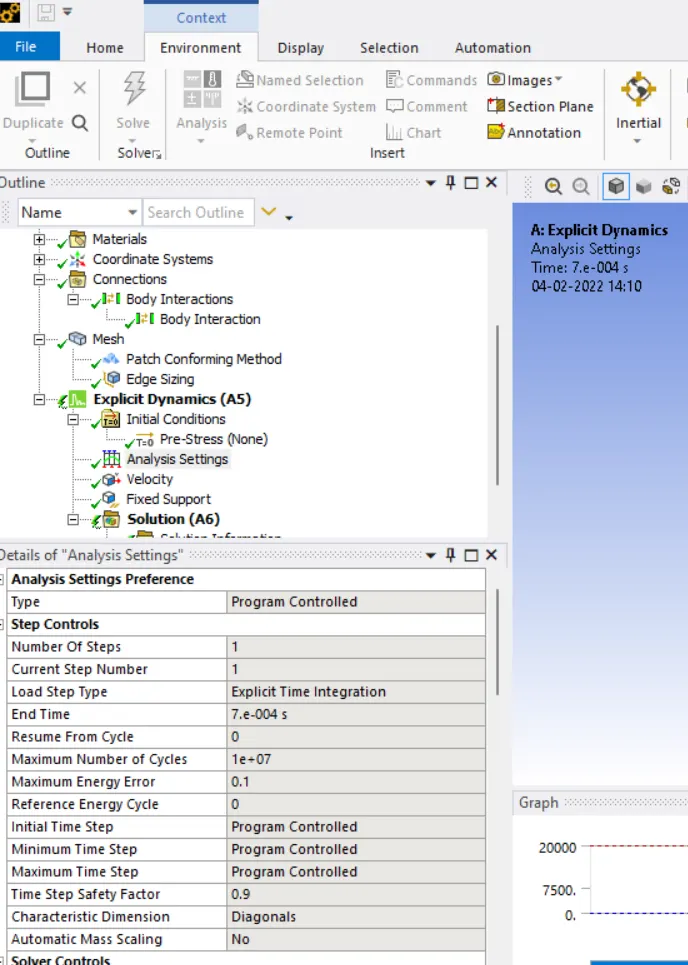
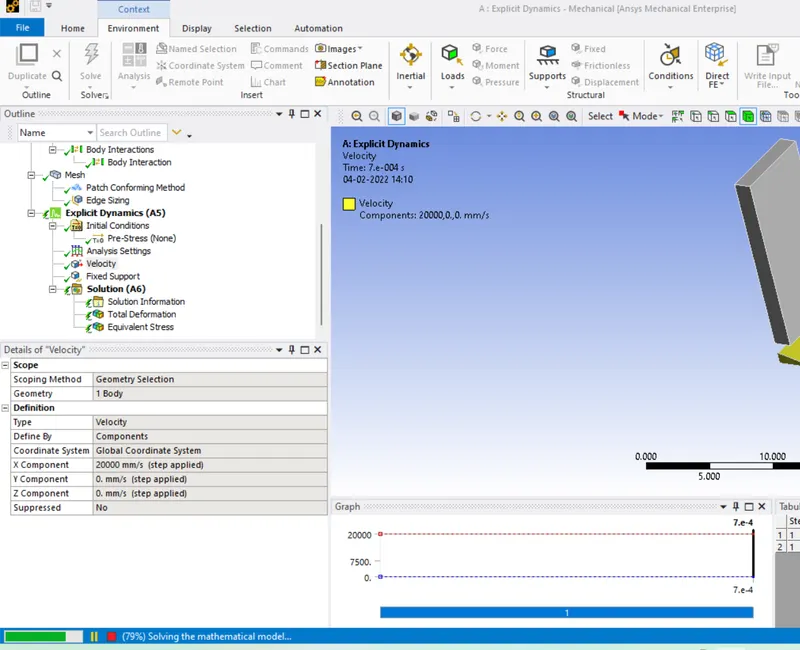
VELOCITY FOR 20000mm/s
RESULTS
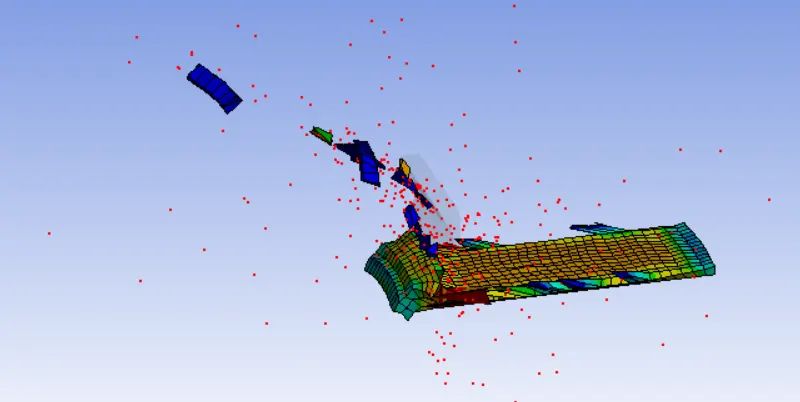
STRESS FOR CASE1
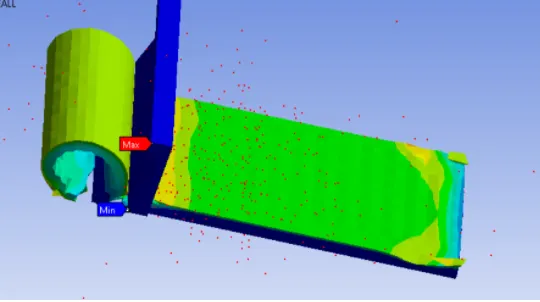
TEMPERATURE FOR CASE1
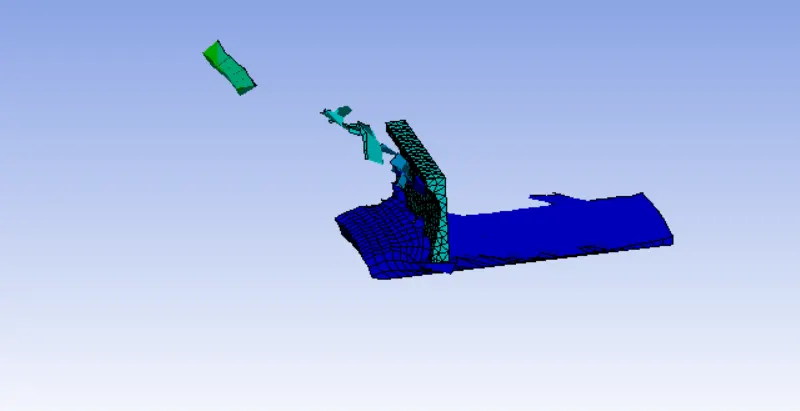
TOTAL DEFORMATION FOR CASE1
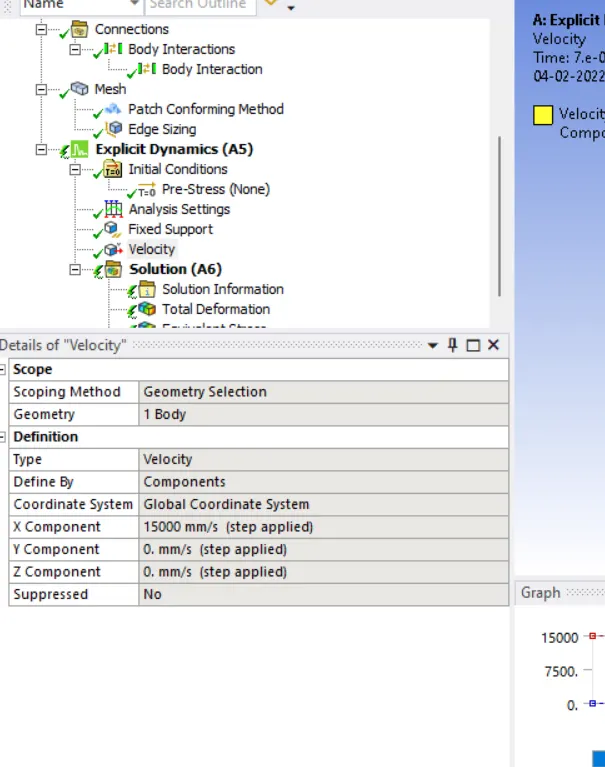
VELOCITY OF 15000mm/s
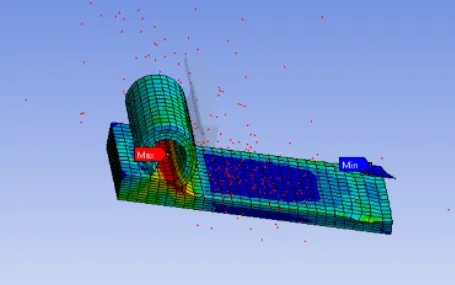
STRESS FOR CASE2
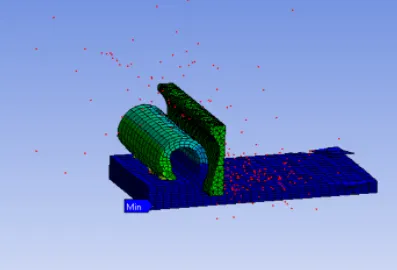
TOTAL DEFORMATION FOR CASE2
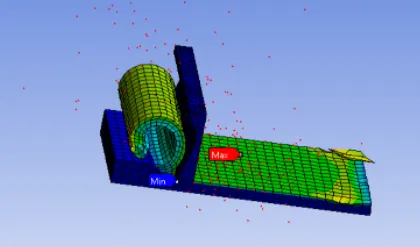
temperature for case2
Conclusion -
1. The equivalent stress in Case 1 with higher velocity is lower because the Workpeice in case 2 offers higher resistance to tool as it moves with lower velocity of 15000mm/s and unable to cut the whole workpiece.
2. THe case 1 has higher temperature as compared to Case 2 as it has higher Material removal and higher strain as compared to Case 2.