3D Mesh for Crank house model with quality criteria using Hypermesh
AIM: To create 3D tetra mesh for the given models as per quality criteria.
KEYWORDS: Tetrarapid, Quicktetra, Volume Tetra, Tet collapse, etc.,
SOFTWARE: Hyperworks
OBJECTIVE:
Initially check for the geometry cleanup of housing, crank housing, and suspension strut.
After the geometry cleanup, meshing is performed midsurface is not required because the thickness is above 6mm moreover it's a casting model.
Meshing can be different methods,
- By applying 2D mesh and perform 3D tetra mesh by using the 3D tool.
- Performing quick tetra by using a utility tool without applying 2D mesh.
- Performing volume tetra by using the 3D tool without applying 2D mesh.
Here, the 1st and 2nd method is performed for better accuracy and avoided tet collapse.
INTRODUCTION: A tetrahedron has 4 vertices, 6 edges, and is bounded by 4 triangular faces. In most cases, a tetrahedral volume mesh can be generated automatically. Tetrahedral elements can fit better complex geometry. However, when you integrate the shape functions with points of Gauss it is less accurate than hexahedral elements. In addition, one of the factors that determine the quality of your mesh is the distortion of your elements. The reason for this lays in the mapping from real to natural space of integration. To sum up, if your geometry is simple, the best option is to mesh it with hexahedral elements. If it is not possible (curved geometries, acute angles, or similar) then go with tetrahedral but controlling the distortion of the elements.
( I ) Geometry cleanup: Here, the model given as Housing, Crank housing, and Suspension parts which as checked for improper surface and the intersection of faces.
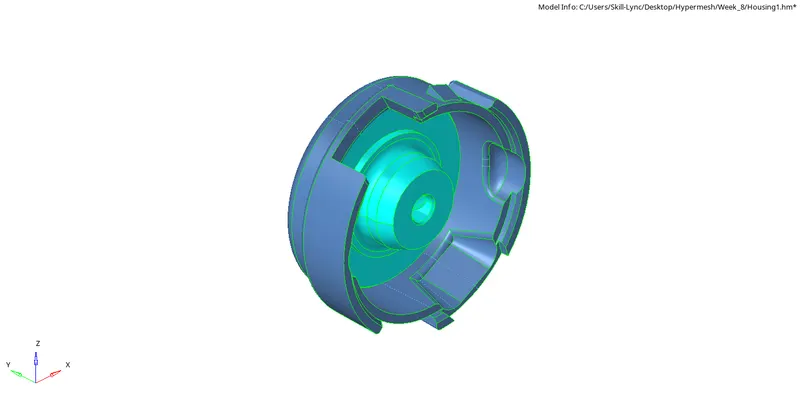
Figure 1: Housing model geometry
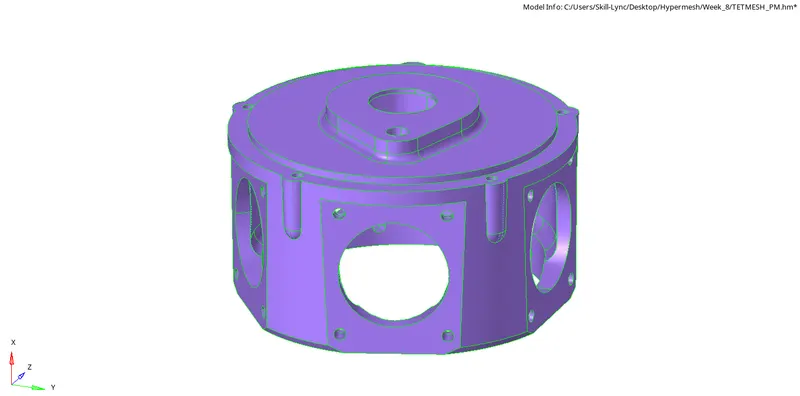
Figure 2: Crank Housing model geometry
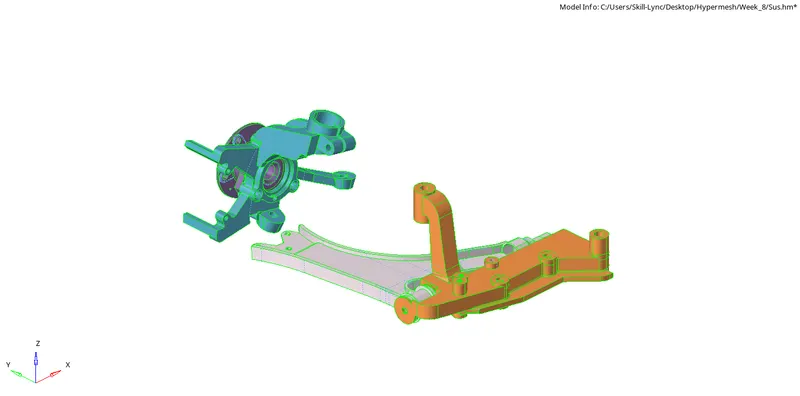
Figure 3: Suspension model geometry
( II ) 3D Meshing: The meshing is performed for all the 3 models are by using different methods as
- By applying 2D mesh and perform 3D tetra mesh by using the 3D tool.
- Performing quick tetra by using a utility tool without applying 2D mesh.
meshing is done as per quality criteria respectively for all 3 models. The main criteria for 3D meshing are tet collapse which is defined by measuring the distance of a node from the opposite facet, then each of the four values will be divided by the Square root of the opposite face's area.
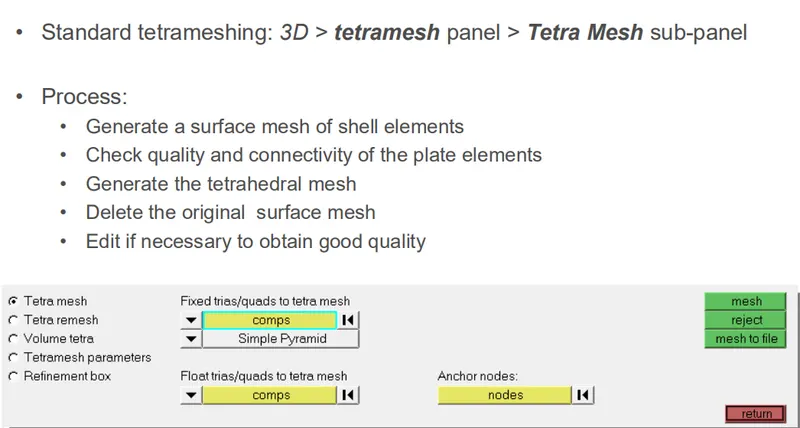
Figure 4: Tetra meshing method
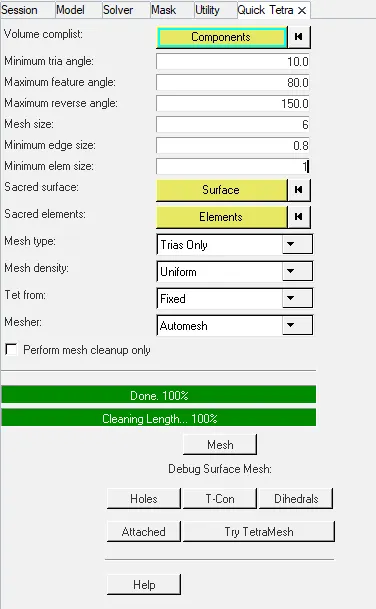
Figure 5: Quick tetra meshing from a utility tool
Model 1: Housing
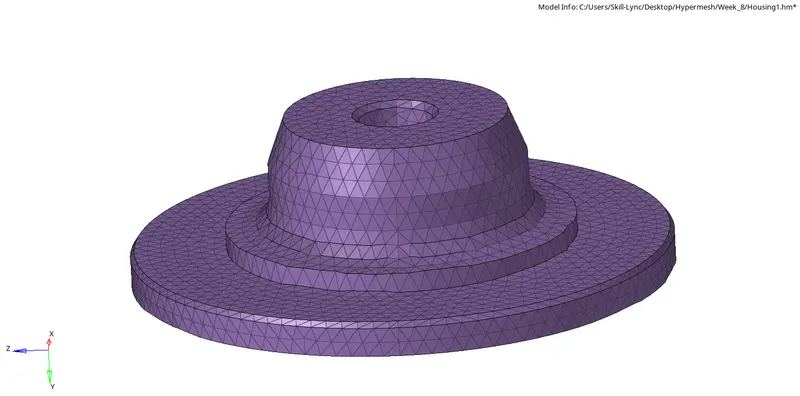
Figure 6: The 3D meshing of component 1 from model 1
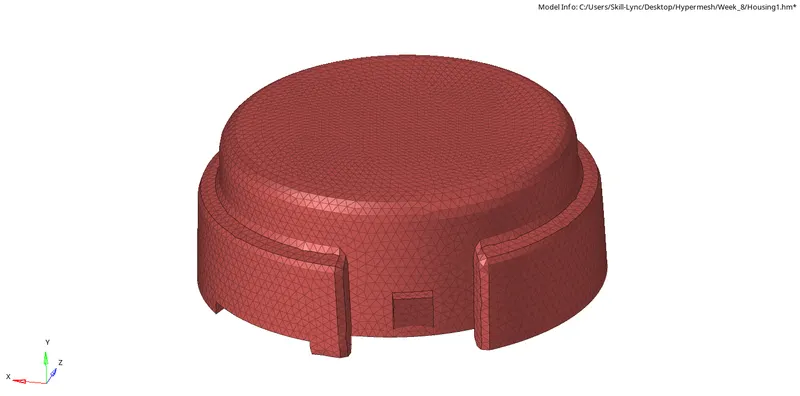
Figure 7: The 3D meshing of component 2 from model 1
Model 2: Crank _Housing
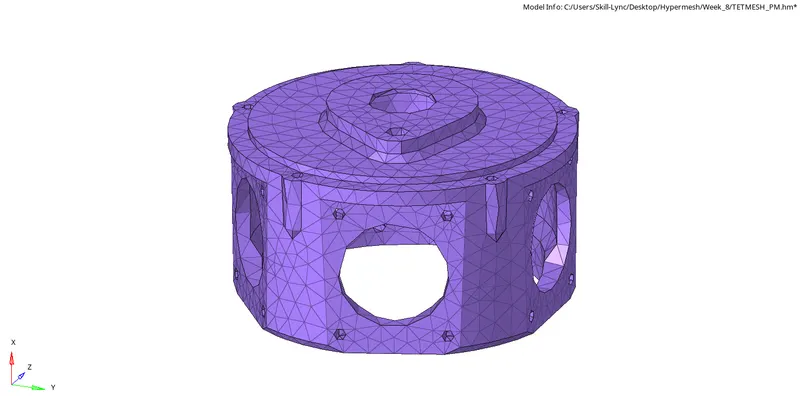
Figure 8: The 3D meshing of Crank housing
Model 3: Suspension parts
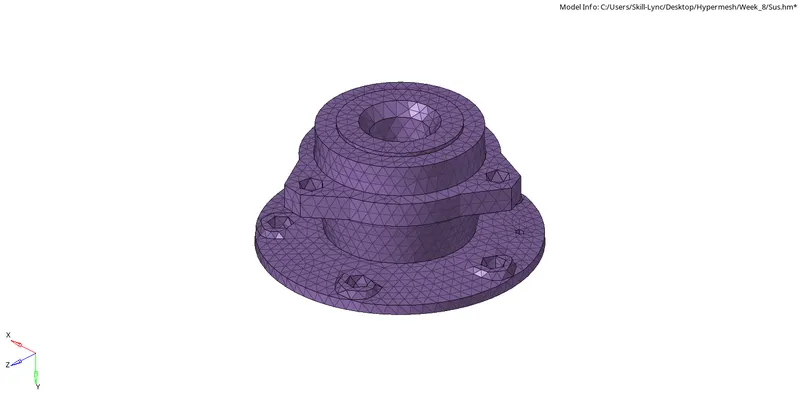
Figure 9: The 3D meshing of component 1 from model 3
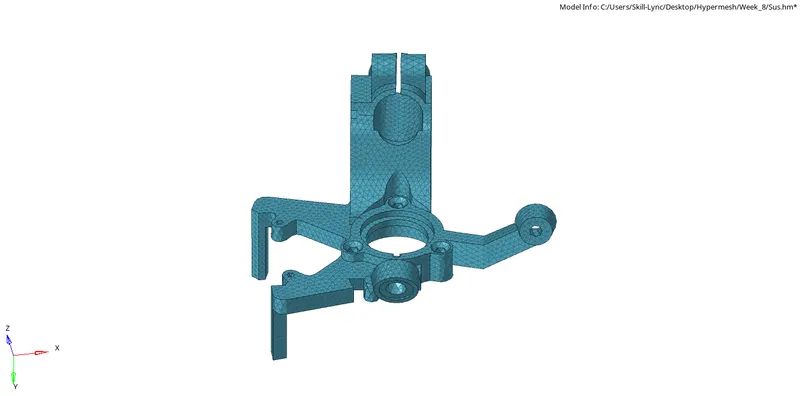
Figure 10: The 3D meshing of component 2 from model 3
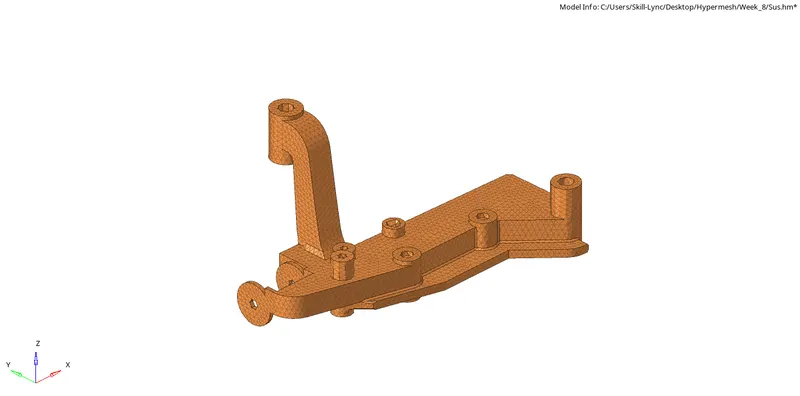
Figure 11: The 3D meshing of component 3 from model 3
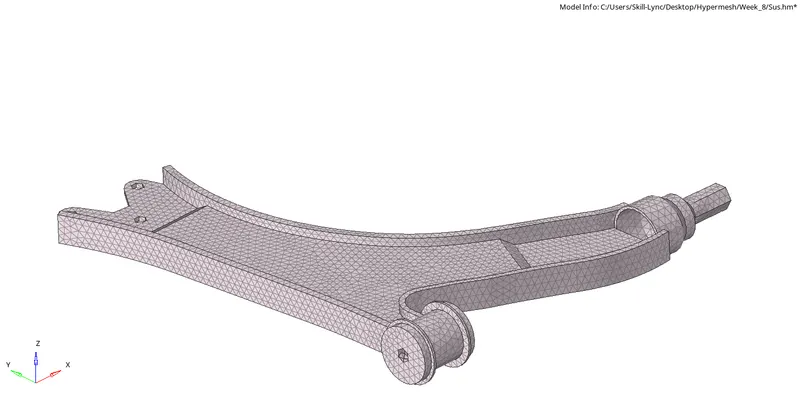
Figure 12: The 3D meshing of component 4 from model 3
RESULTS:
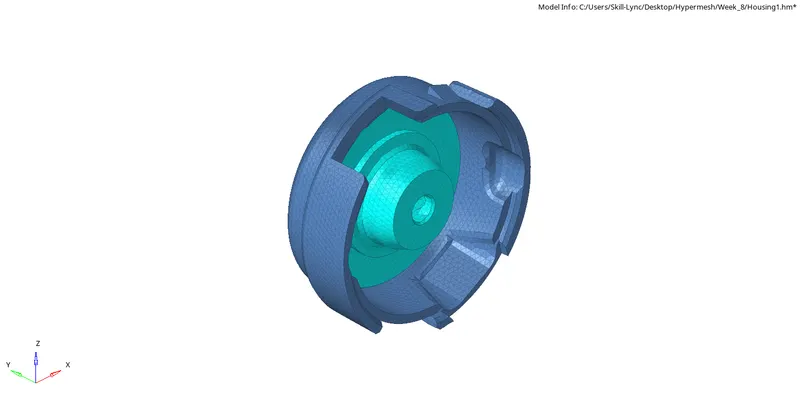
Figure 13: The 3D meshing of Housing
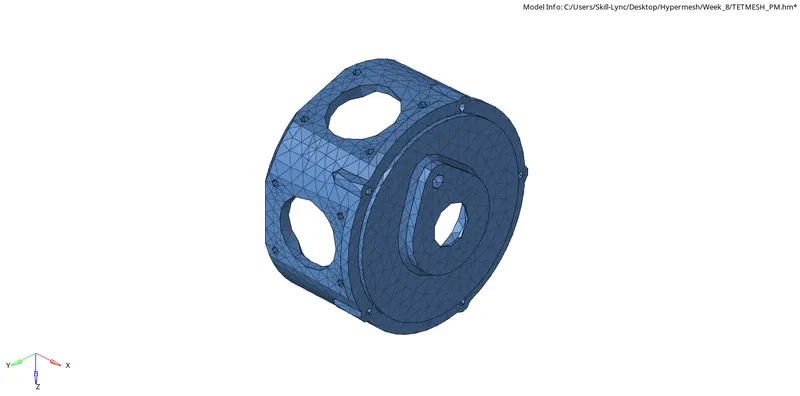
Figure 14: The 3D meshing of Crank Housing
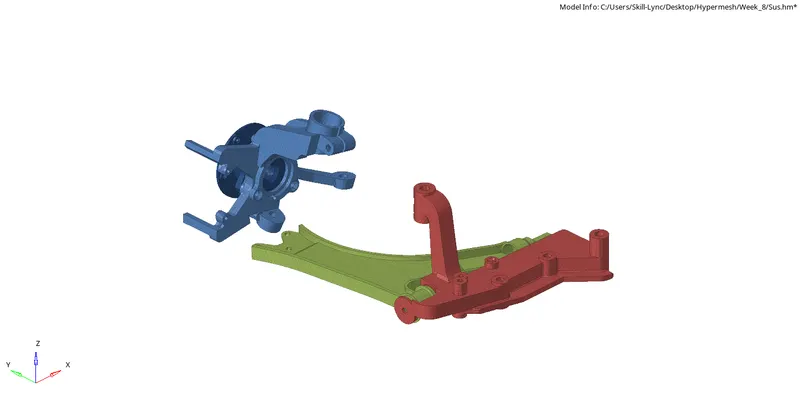
Figure 15: The 3D meshing of Suspension parts