MORPHING
MORPHING
Aim:-
- Open and check the geometry and perform geometry cleanup.
- Use all the Morphing techniques that shown in video lecture for given component.
- Write a report on morphing and its used cases in various industries.
Objective :-
- Open model in ANSA and perform topology and assign proper orientation to the geometry.
- Perform geometry cleanup, do it manually if it necessary to remove triple cons from parts.
- Change the geometry as per the video lecture of week 8 using morphing panel in ANSA.
- Make a detailed report of significance of morphing.
Import Model:-
In this project our first step will be importing the .igs model in ANSA. We can do in by drag and drop method or using open option from file menu in ANSA. After, we open the model, it will look something like this.
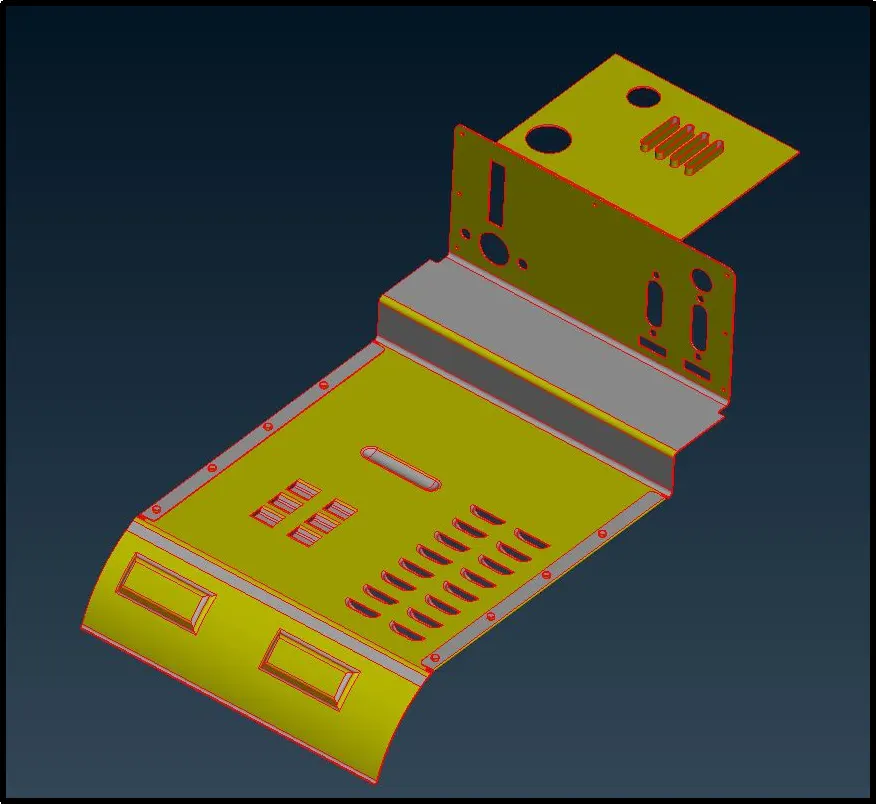
Geometrical Topology:
Firstly, Lets start with importing the geometry in ANSA using open button in file menu and perform topology to join all the faces as the file is in the igs format and faces are not connected to each other.
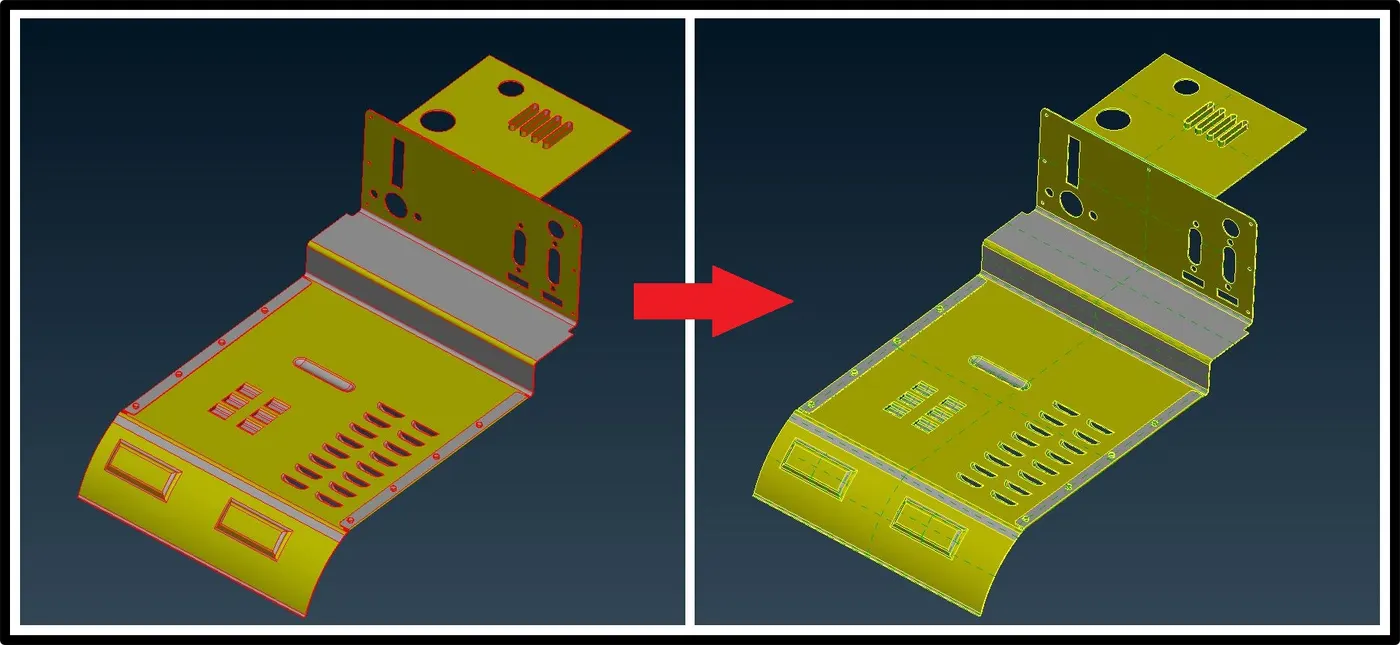
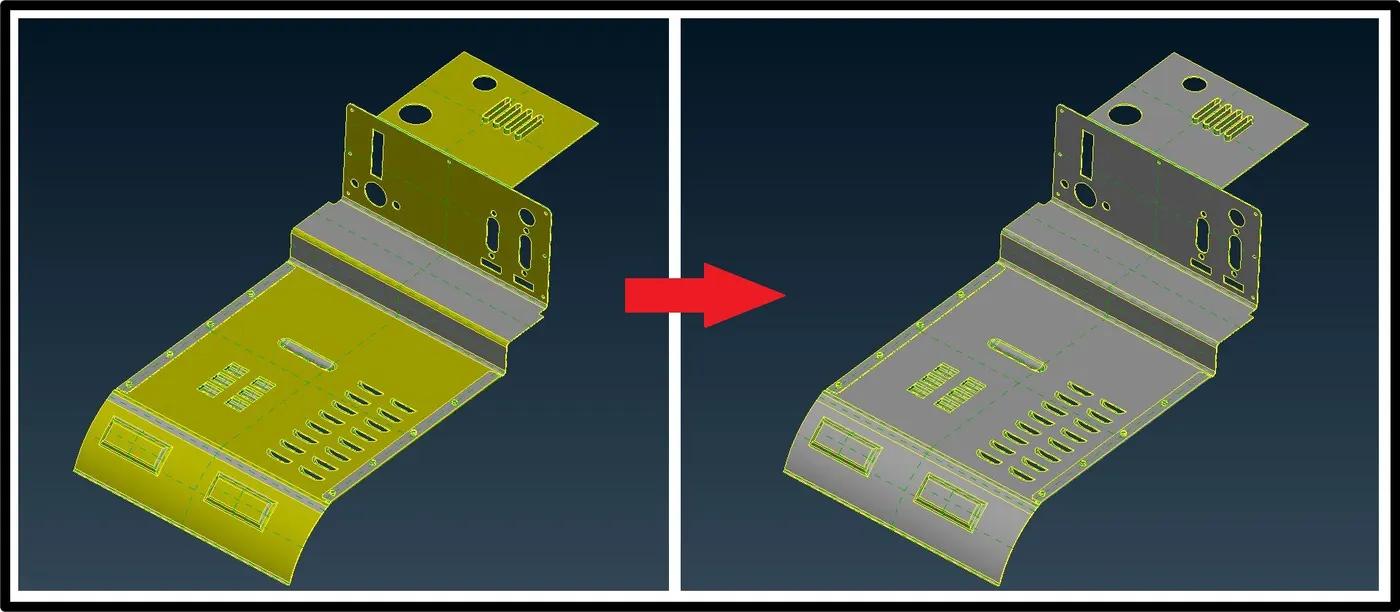
Orientation:
After topology, we can see some part of the geometry is of yellow colour and some are gray this mean geometry is not properly oriented so by using orient button in topo option we can orient it properly.
Geometry cleanup
Next part is to preform geometry cleanup to remove unwanted surface, cons from geometry for smooth transition of mesh from each faces. Do it by using fix option and if still some area need cleanup then solve that fix manually.
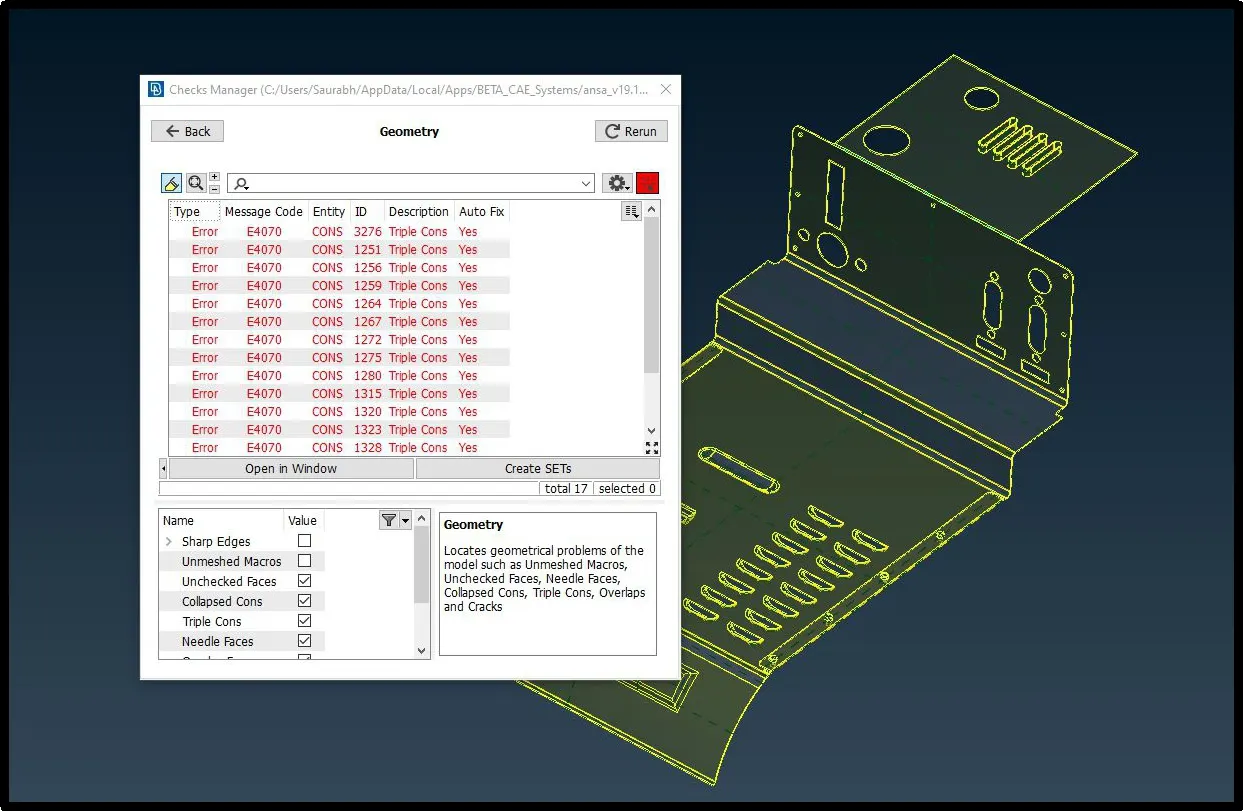
In this case, automatic fix is not working on triple cons. Therefor, we have to clear it manually as per depicted in following figures.
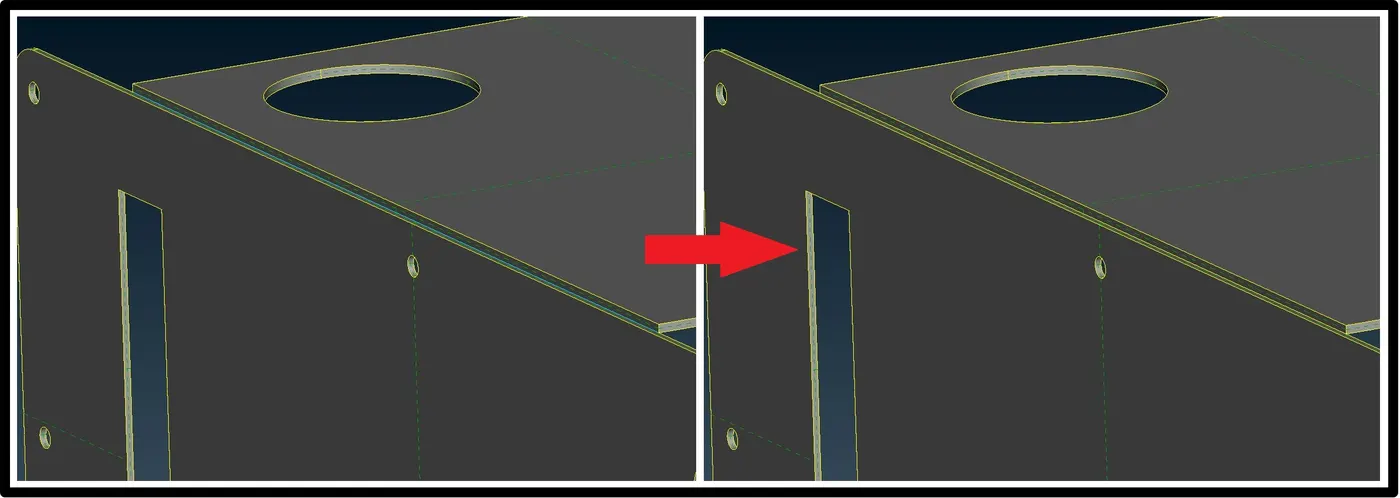
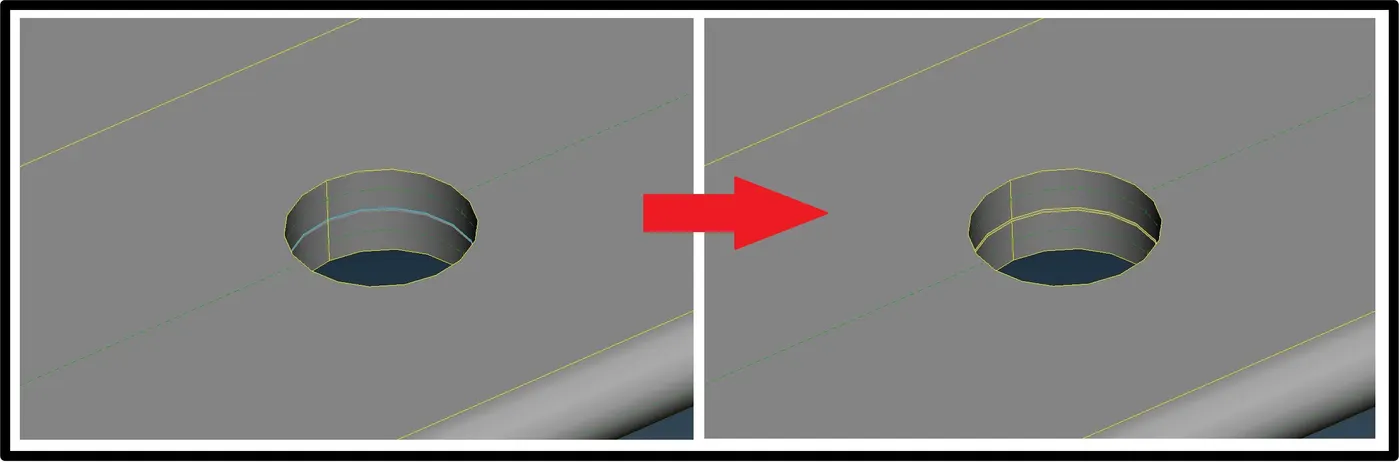
Morphing:-
A mesh or geometry modification approach based on morphing technology was developed to address the challenge of fast re-analysis of modified structures without the need of changing the CAD model. The approach enables the evaluation of design concepts starting from the morphed predecessor models, allowing validated solutions to be incorporated in the first version of the CAD model. Different styling variants can be rapidly evaluated, matching the development time and cost constraints of OEMs. This article discusses the basic methodology by automotive example cases, and then focuses on full vehicle morphing techniques for NVH and crash analysis in the context of control-based morphing.
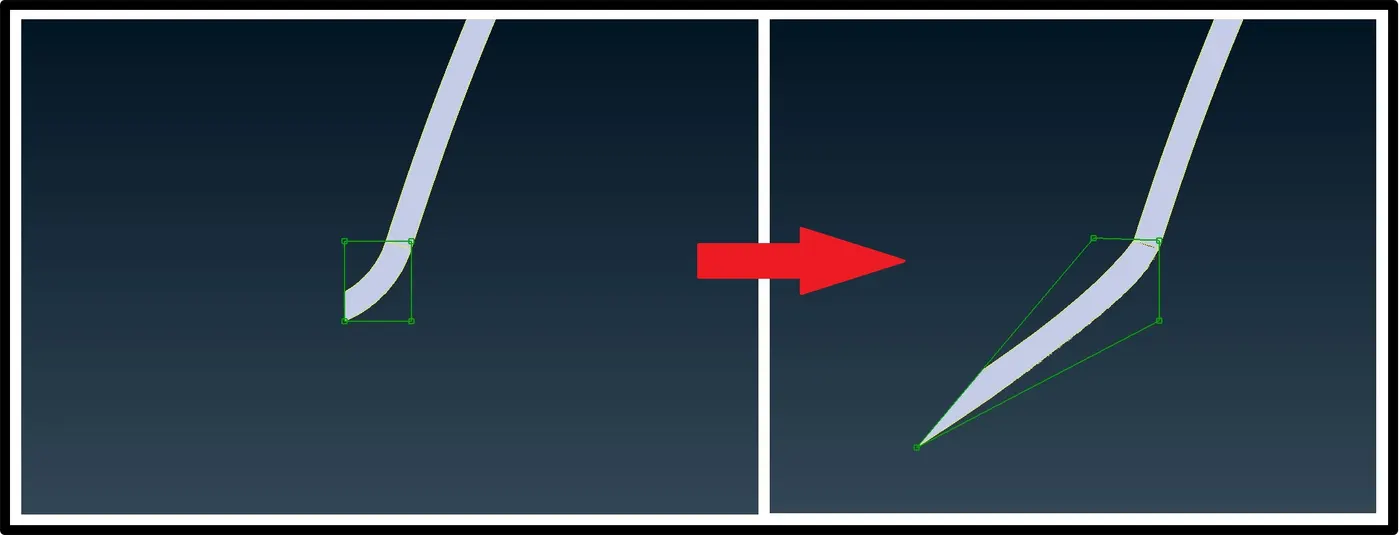
Suppose, in given part we want some extra height for the below-mentioned area so instead of changing this portion in cad software we are going to use ANSA morphing to save time. And ,directly, stretch that area along y axis.
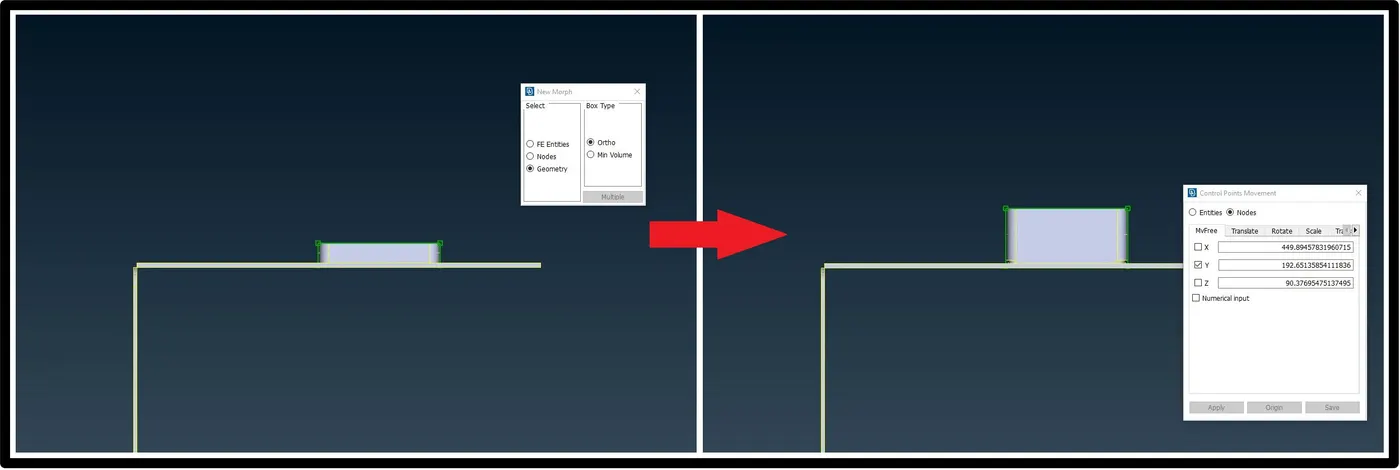
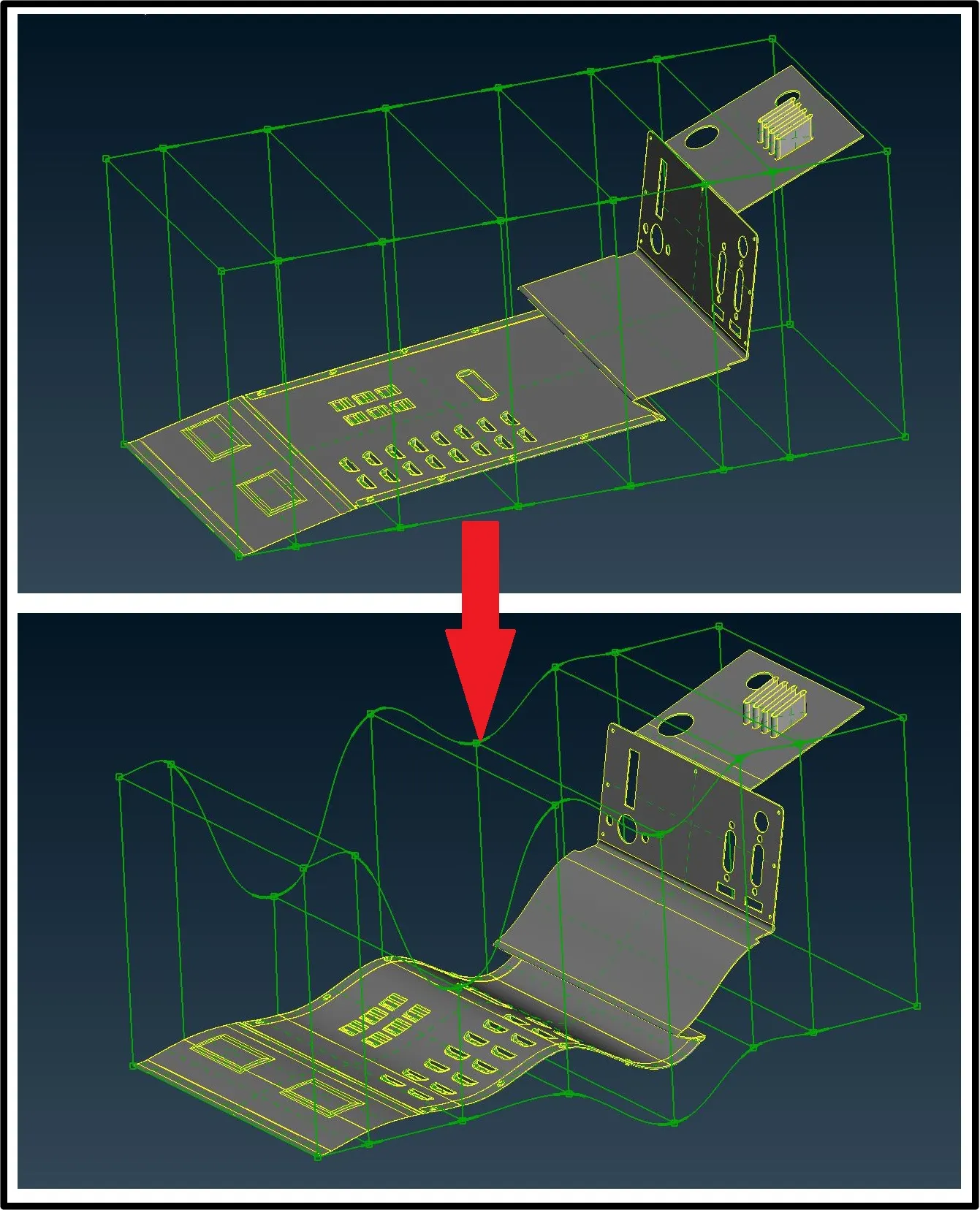
Similar way we will make changes to other areas as well, by creating morph box and stretching proper points of that particular box.
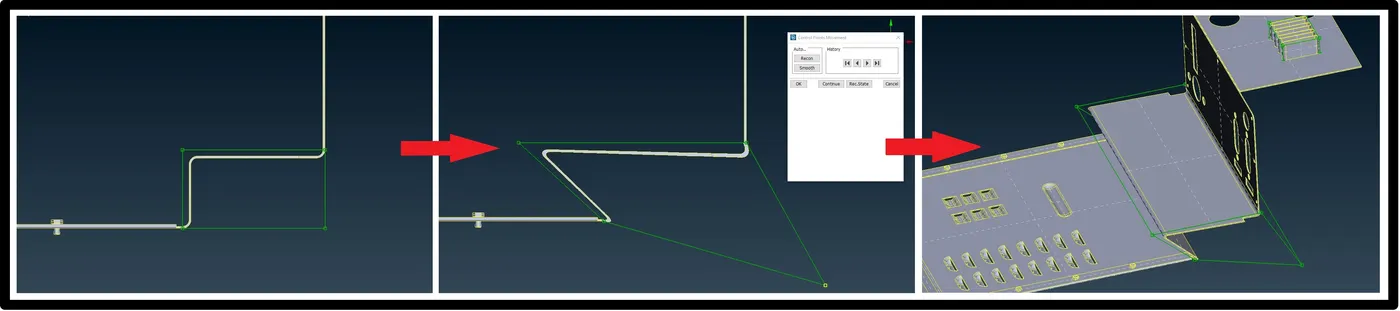
Exact process we will apply at the end area of shown sheet metal part.
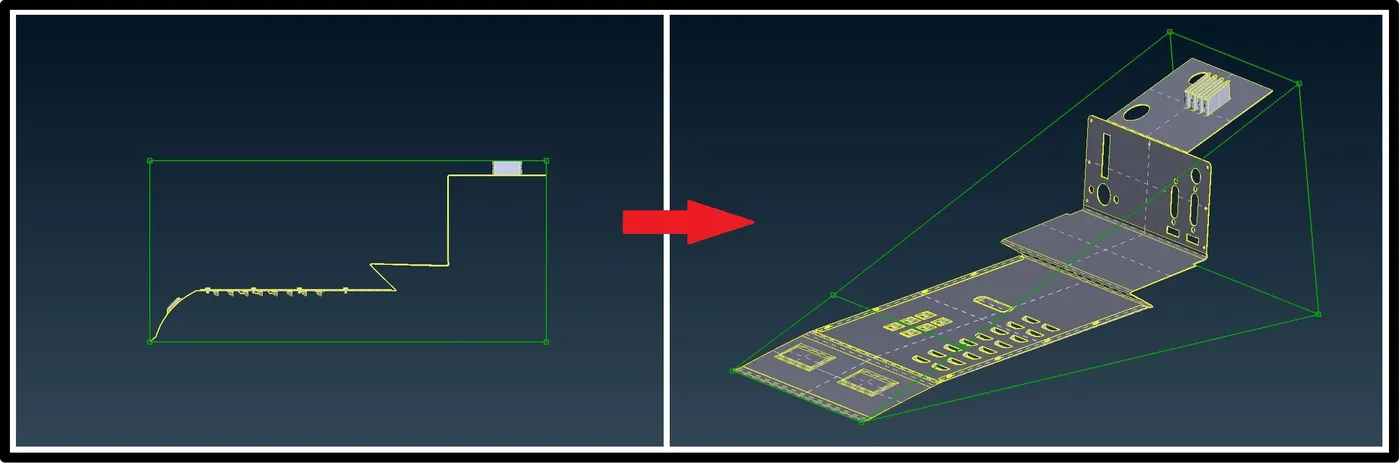
Morphing can be applied on complete part at a time, as per demonstrated in following picture.
Lastly, we can split the box in numerous sections and use connected points to manipulate the geometry surface as per portray in figure.
Use of Morphing:-
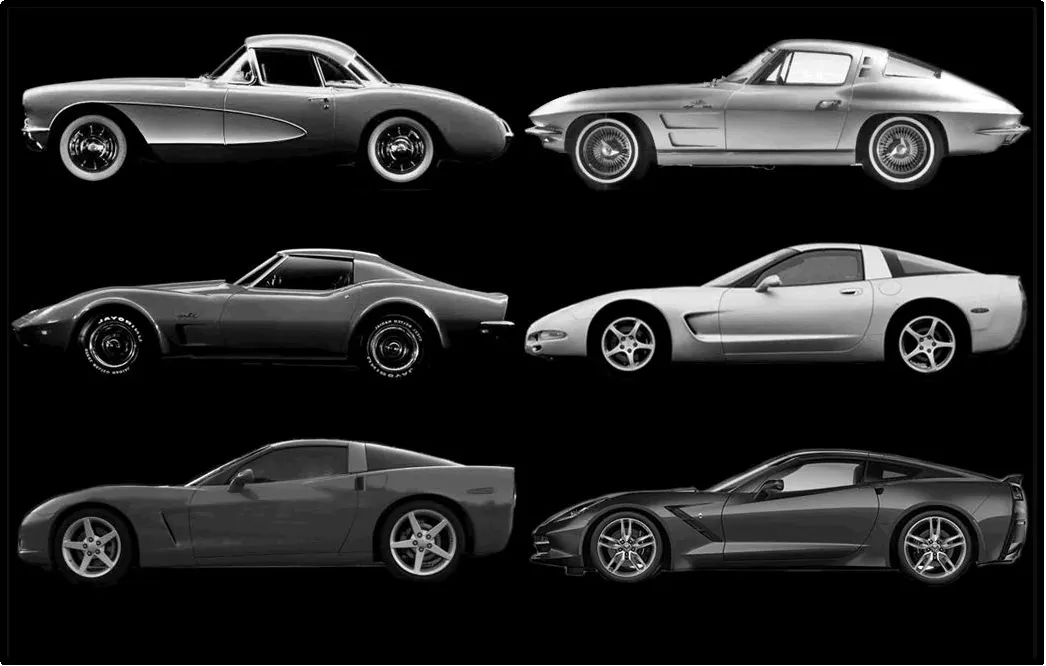
In automobile or any product manufacturing sector shifting customer interest, to develop more aerodynamic efficient shapes, aesthetic changes in product design and for better stress flow in parts some shape changes is necessary in order to achieve best design to any component, where designer have option to change complete CAD or just make changes using morphing technique. Both technique are preferable but direct morphing saves a lot of time in design changes. We can see below picture exhibits that car shapes change form oldest one to newest one without making huge differences in surface flow.
Some example other than automobile we can take into account is coca cola bottle antithetic.

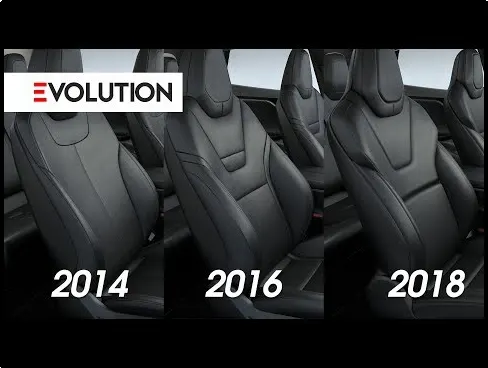
Another example is Tesla seat design improvement for better comfort.
Conclusion
- From this project, Understood how to make geometrical or mesh shape changes without changing commands in CAD geometry using morphing.
- Get to know, uses of morphing in various field for various purpose to improve product working or aesthetics.
- Importance of saving time while changing geometrical structures.