Week 6:- Clamp Unit & Pin-Clamp Unit Design Challenge
Design of Rest Unit & Clamp Unit
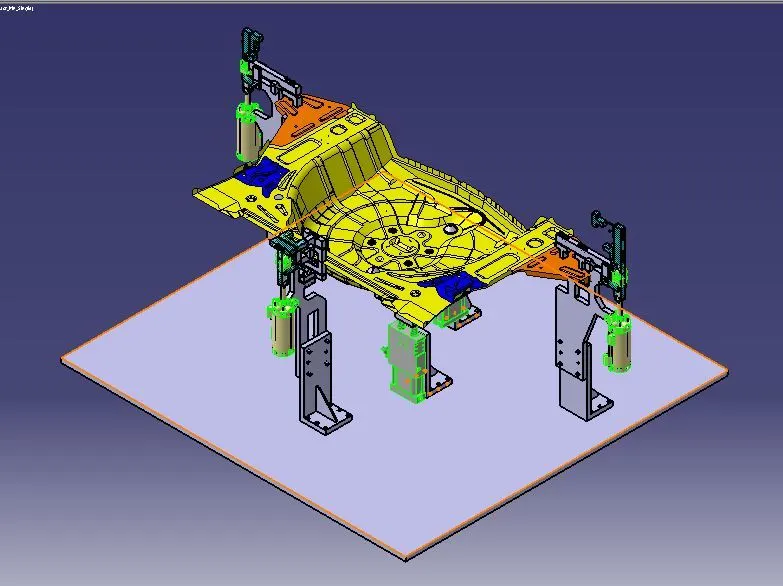
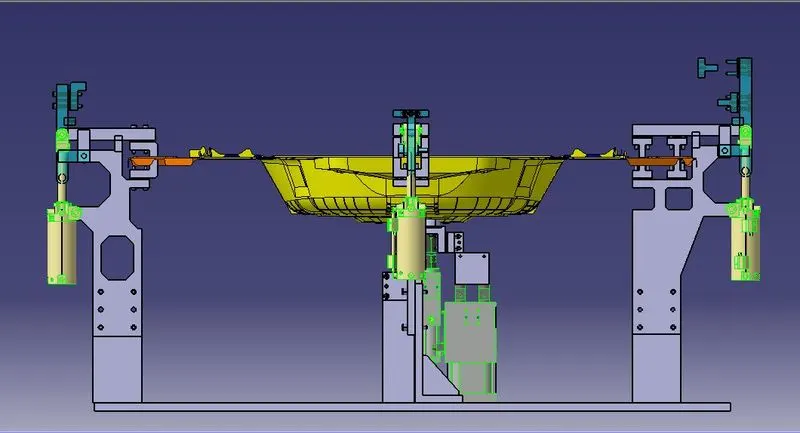
Aim: TO DESIGN 3 TYPES SWIVEL CLAMP UNIT AND 1 PIN CLAMP UNIT with Different Riser, Blade, and Clamp Arm for the given Car Panel.
FUNDAMENTALS:
3-2-1 principle: Our ultimate intention for using pin unit is to fix the work piece so that it does not deviate from the position while the operation is being performed on it.
For this reason we use 3-2-1 principle.
Every component we know has 6 degrees of freedom. They are listed below.
1. Translational motion along x-axis.
2. Translational motion along y-axis.
3. Translational motion along z-axis.
4. Rotational motion along x-axis.
5. Rotational motion along y-axis.
6. Rotational motion along y-axis.
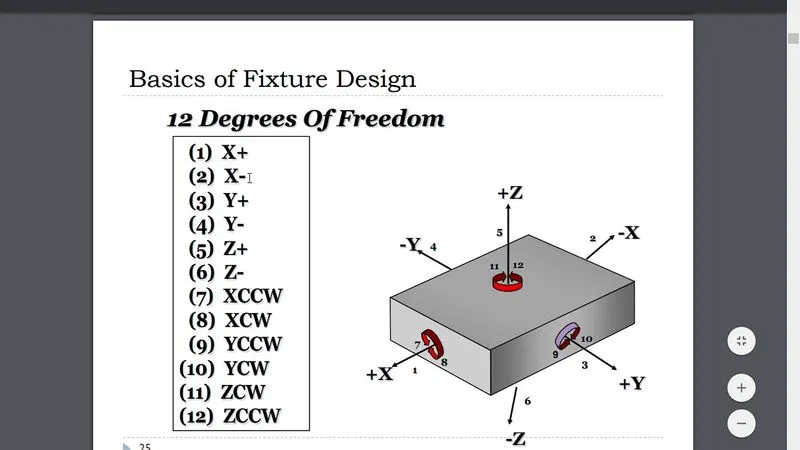
FIG. DEGREE OF FREEDOM
Degrees of freedom can be simply understood as the direction in which any component can move. These 6 degrees becomes 12 if we consider translation along negative and rotation in anti-clockwise direction too. That means, every component can move in all the direction when it is free. But processes like welding, stamping or others and in fact every other cannot be carried out on such free to move body for obvious reasons. Thus the body must be constrained in all the major direction in order for the workman to work upon it. This constrain on motion is achieved by 3-2-1 principle.
In 3-2-1 principle we make use of locating pins in the given order to fix it on a fixture:
1.3 pins are located on the bottom side of the component. These pins constrain the translational motion of the body in z direction and rotational motion along x-axis and y-axis. Thus 3 degrees are restricted. But the body still can rotate along z-axis and translate in x-axis and y-axis.
2.2 pins are located on the back side of the component. These pins constrain the translational motion along x-axis and rotational motion along z-axis. Thus we have constrained 5 degrees in total. But translation along y-axis is still possible.
3.1 pin located on the adjacent side of the 2 pins we can constrain the last degree that is translation along y-axis
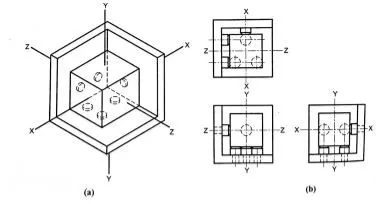
FIG. LOCATING PINS
Thus we can constrain all the degrees of freedom of a body using 3-2-1 principle which used 6 pins for the same.
When we use clamps we restrict following motions:
1. Translational motion along z-axis.
2. Rotational motion along x-axis.
3. Rotational motion along y-axis.
sign two Rest units and three Power Clamp units with different Riser, Blade and Clamp arm.
Clamp unit:
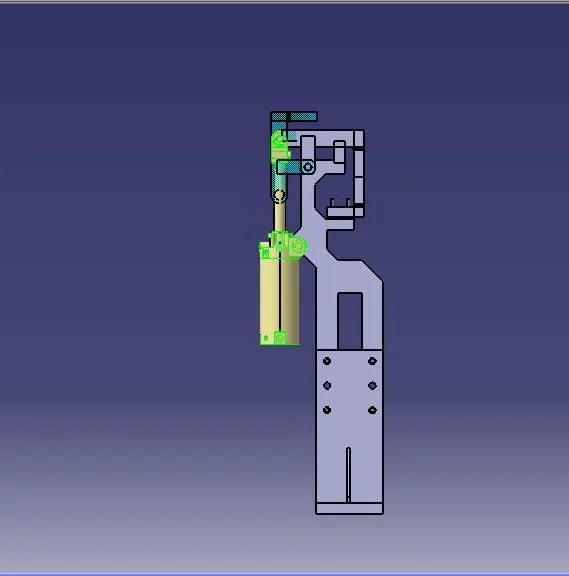
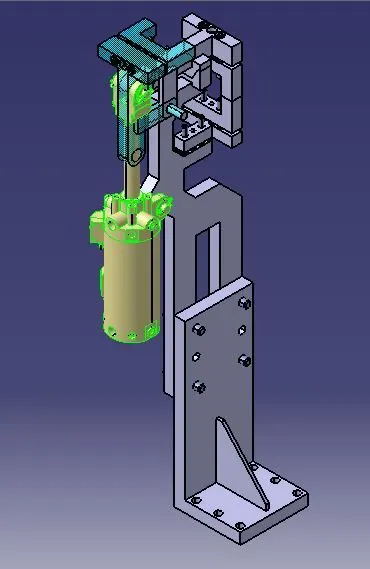
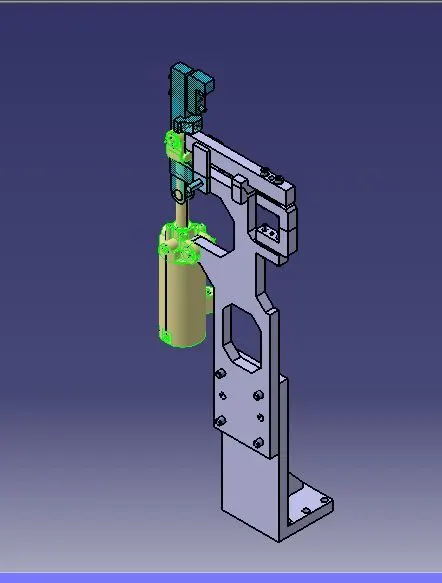
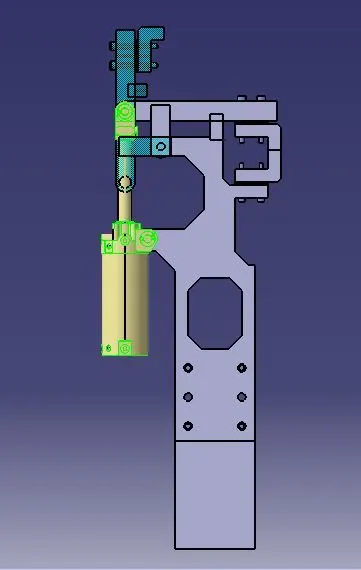
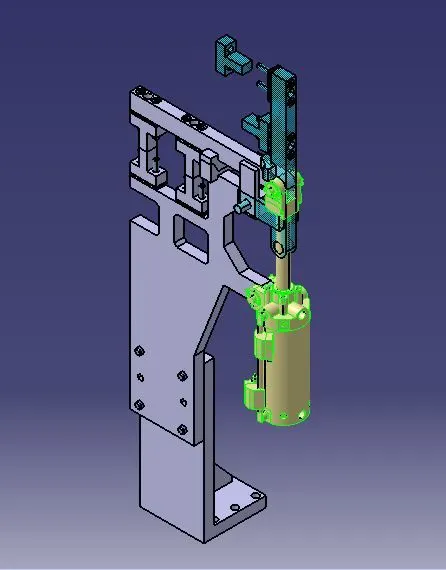
Clamp unit is unit designed to clamp / hold the car panel with NC blocks/mylar/rest by using a pneumatic clamp cylinder & below are different parts of a clamp unit in general. Usually clamp open position is 90° Fingers are attached to clamp mylar. In clamp unit shim to one side is more enough because it will restrict translation motion in upward & downward direction only. There is another type of clamp unit knows as swivel type. There is pivot pin around which clamp arm rotate.
4 Factors should be considered while designing a clamp unit
1.There should be adequate space between the cylinder & another part like riser, car panel because cylinder moves or swing while opening & closing
2.Pin clamp unit used where two panel or component are located for welding
3.Clamping make in such way that it clamps two car panels at once
4.All parts should snap & butt properly to each other.
5.Make sure that parts of the clamping unit are 10 to 12 mm away from car panel so they do not damage car panel
6.Avoid any clash It will not arises issue at assembly.
CLAMP PLAN:
1. The customer provides the clamp plan which consists of the position of the clamp, pins, rests and dump etc. .
2.It has the exact coordinated of these components and in addition it also has the hole's. dimensions and tolerances.
Swivel Clamps:
The primary components of the clevis clamp include clamp arm, blade, cylinder, angle riser, locator block, and finger. Swivel clamps shall typically be designed with the center of the clamp cylinder, the center of the locator, and the center of the clamp arm on a common line. However, it is acceptable to offset the clamp point from the clamp cylinder to allow for improved access for welding and part load and unload.
The clamp arm shall be welded construction including a 20.0mm thick arm with an integral pivot to accommodate a 19.50mm wide Swivel. The female portion of the clevis shall always be part of the arm. The male portion of the Swivel shall always be part of the blade.
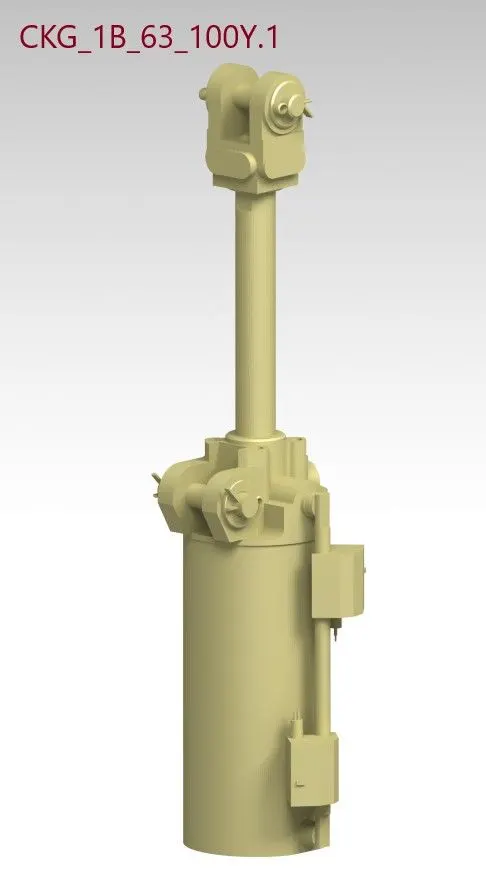
Clamp arm:
It is part to which clamp mylar mounted & also clamp cylinder is attached to the end of arm with the use of clevis pin. It has two plates of 8 mm thickness welded & helps in rotating of clamp arm about pivoting point of blade.
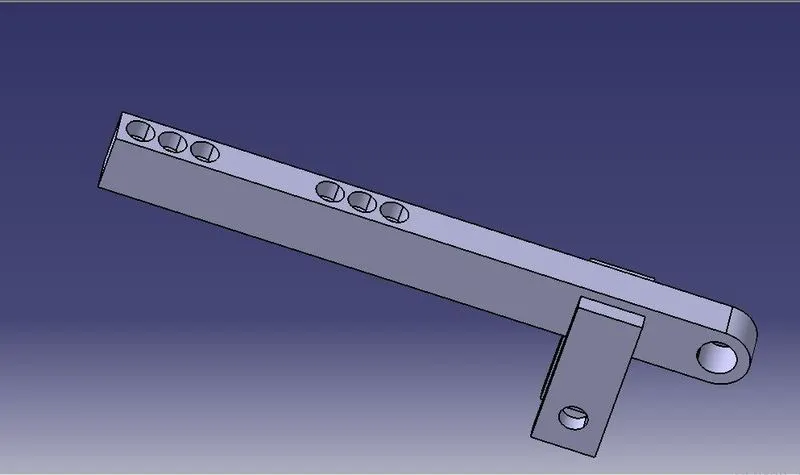
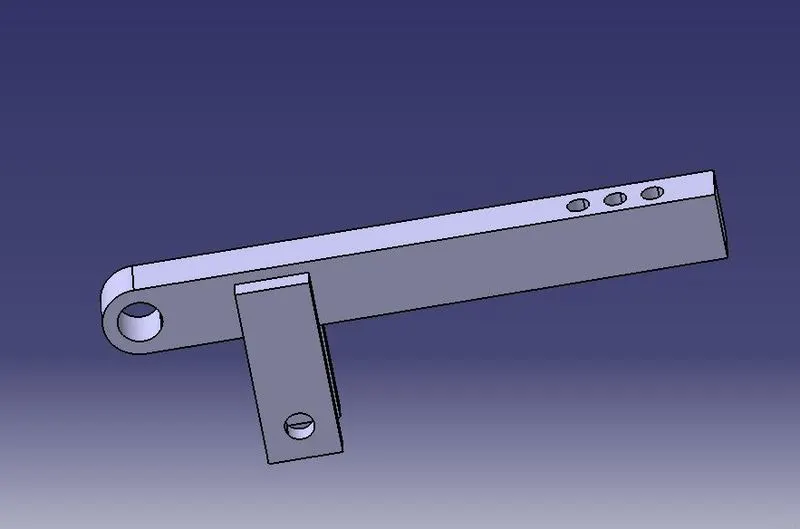
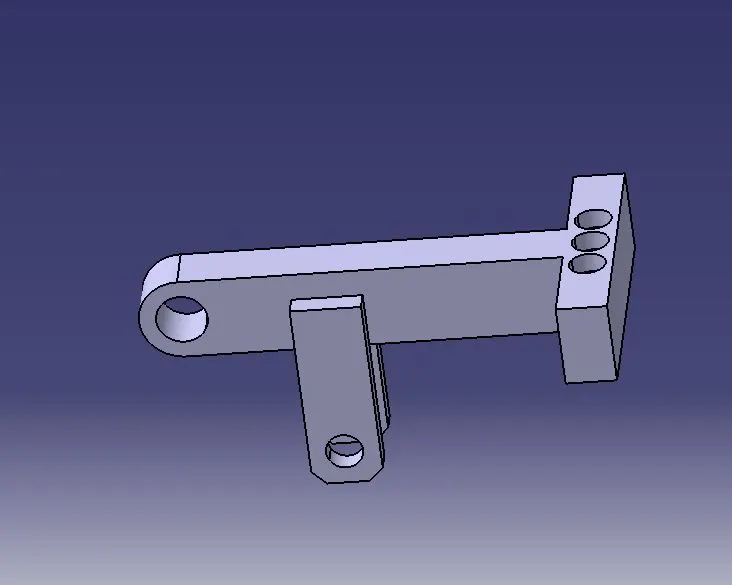
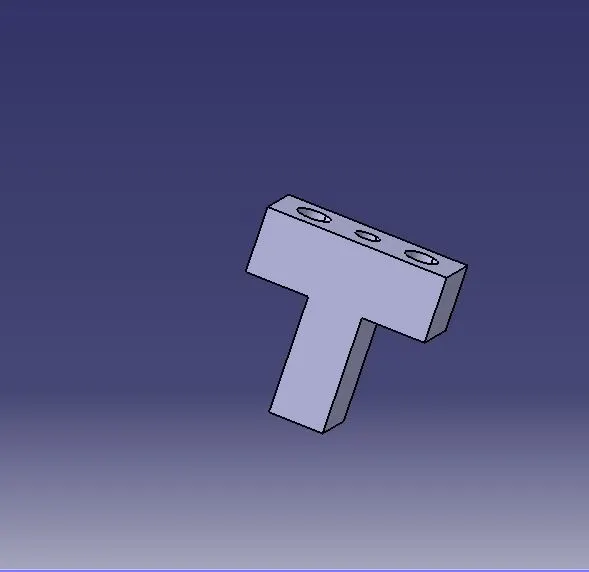
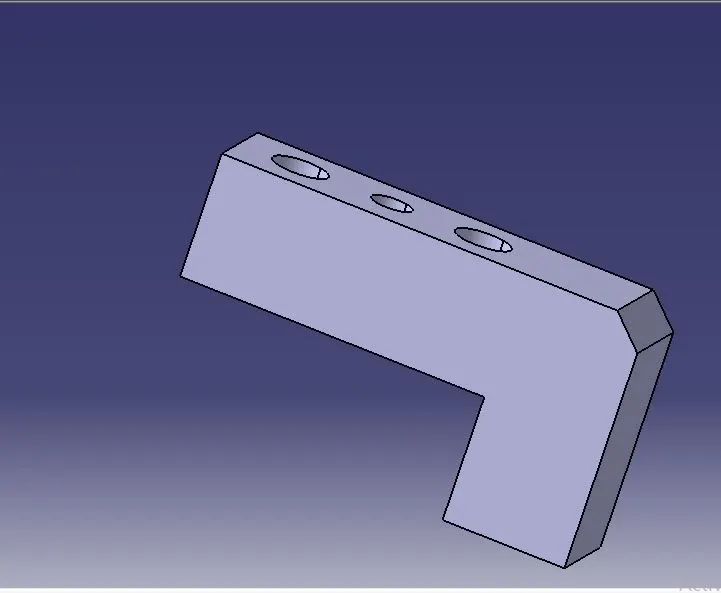
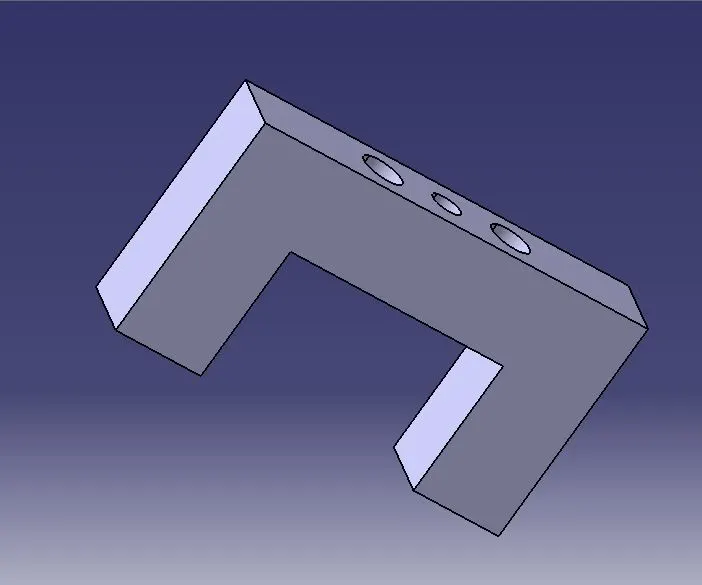
Rest And Clamp Myler-
Stopper:
The function of stopper is to restrict motion of clamp arm. It avoids clamp arm to rotate beyond limit. It has two parts male & female.
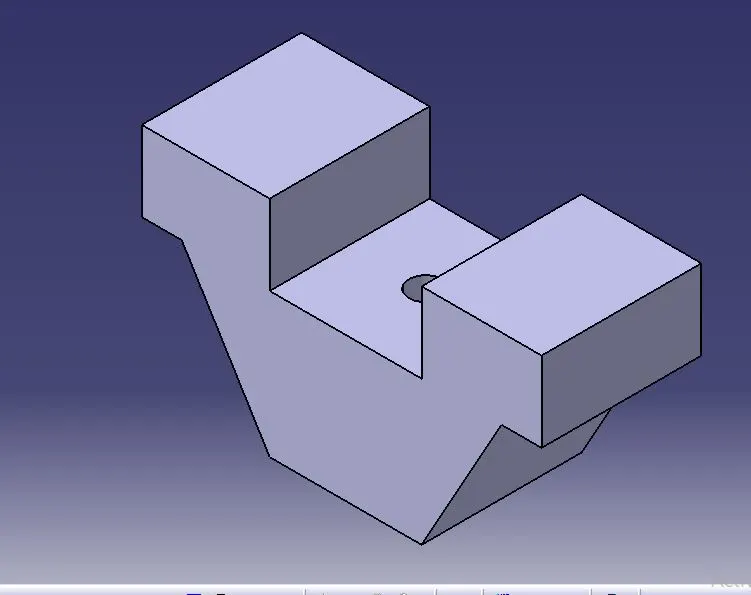
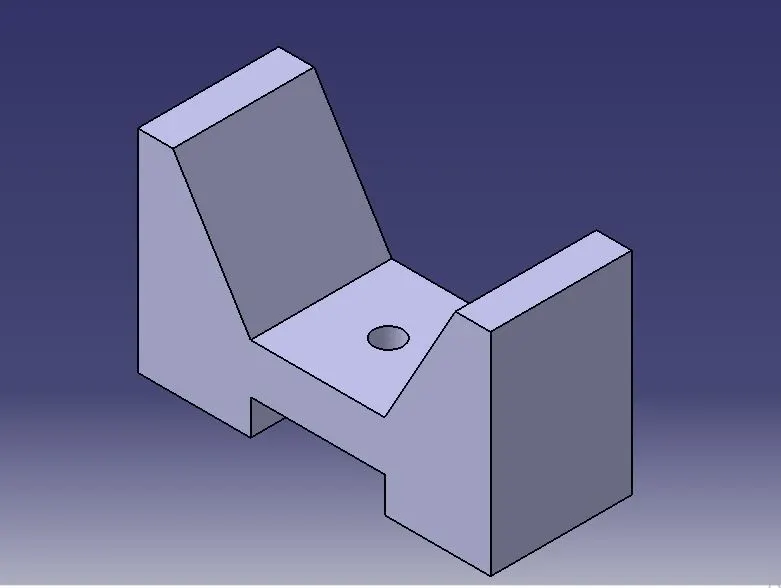
Blade:
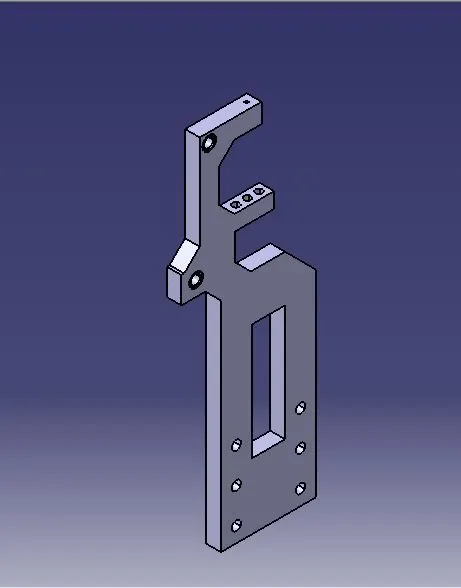
Blade is part to which all other units are attached for e.g. mylar, stopper, clamp cylinder, riser Blade is designed according to position of all other parts.
BUSH-
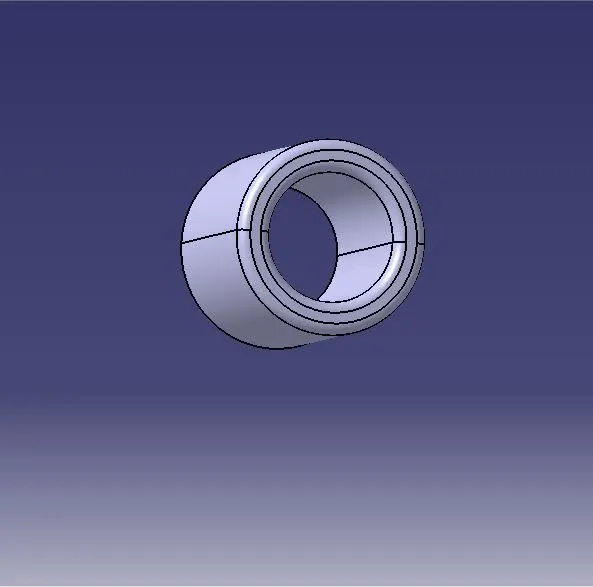
Bush is friction type bearing. It is lubricated with grease, oil. It permits relative motion between two mating parts. It is made of hard material also its ID & OD are precisely machined or grinded. It press fitted & after worn out it is replaced with new one instead of replacing other part which save cost. Mostly phosphor bronze or gun metal material used for making bush. In this unit three bushes are used of same internal (12 mm) & external diameter (18 mm) but different length.
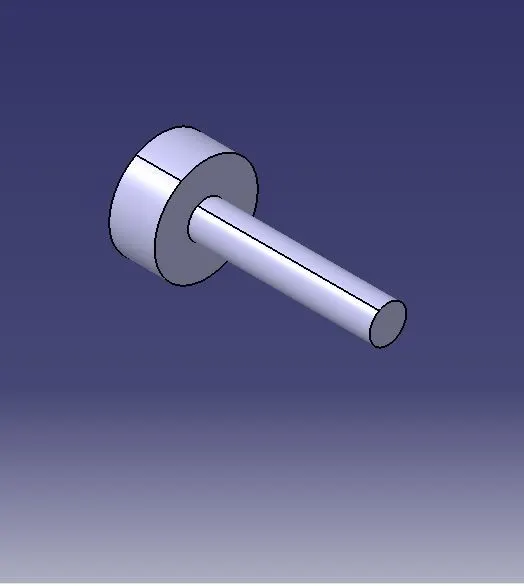
Pin-
It locates the car panel, it can either be a make part or a standard part.
A pin should have a grinding surface on shaft with fits onto which the pin retainer is fixed.The mounting surface of pin should be fine machined surface.
It should have step machine surface to lock rotation which matches with pin retainer. The mounting surface of pin retainer to the block should be machined surface.
All machined planes should be perpendicular to the axis of shaft.
Shim:
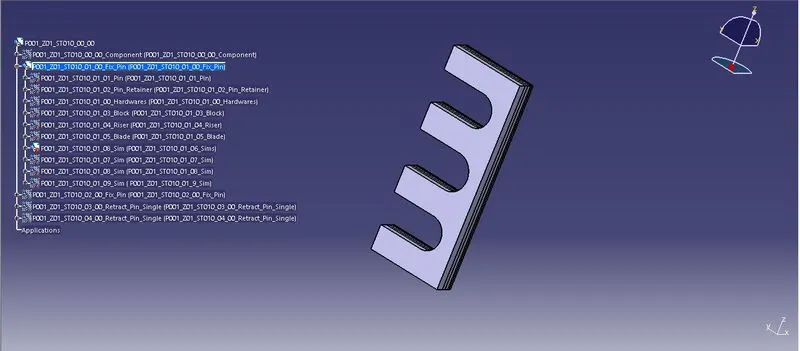
Shims are washers or thin strips of material used to align parts, make them fit or reduce wear.
Shims are designed to fit in between blocks and fixtures to provide support or reach a dimension required in the assembly.
Riser-
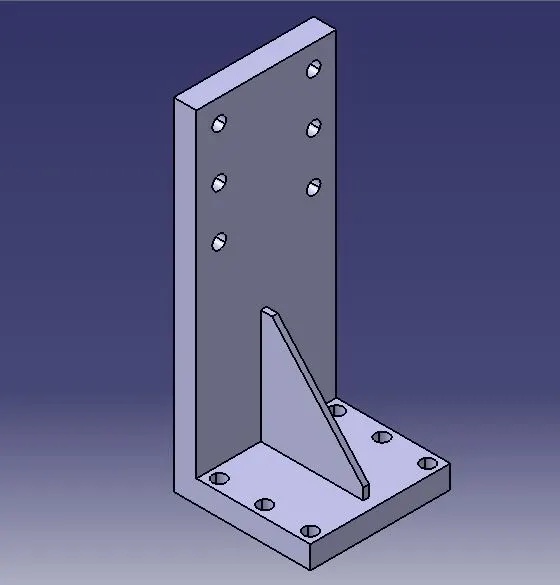
Riser is a structure generally used to mount the toggle clamp and rest, clamp Mylar and location pin and to give height to the assembly.
It is not necessary to have one riser where all the parts of clamp or rest or location units are mounted.Risers can either be a standard part or make part.