Week-6 Challenge: EV Drivetrain
Question:-1 TYPES OF COVERTER IS THE FOUR TYPES:-
- AC TO DC CONVERTER
- DC TO DC CONVERTER
- AC TO AC CONVERTER
- DC TO AC CONVERTER
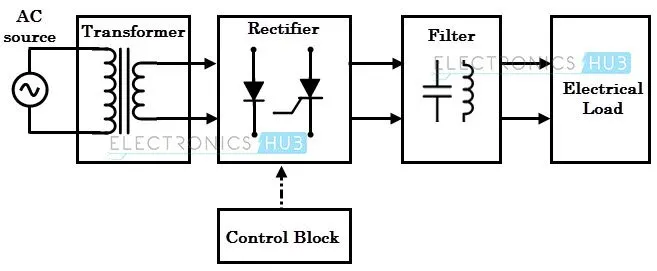
AC TO DC CONVERTERS:-This conerter is the bassic used in houshold . in housh in supply the 100v or 200v than mainly used the elctronic componets of lower voltage than and when the motor is use than another circucit is applied .
ac to dc converter is the two types of the wave rectifier 1. full wave ,2.half wave rectifer
advantage:-
- energy saving
- system reliability
- electrical vehicle interogetion
- renewable energy introgetion.
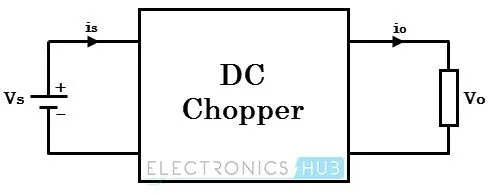
DC TO DC CONVERTERS:- this is the manually provide the desired the circuit for isolated and non isolated.
advantage:-
- elctronic concersion
- magnetic conversion
- buck boost converter is the part
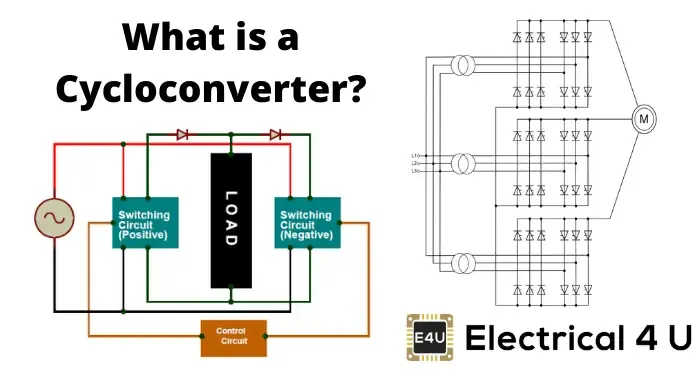
AC TO AC CONVERTER:-this is the ac to ac type of circuit desiging the desired the value of frequency for drives and many uses the circuit and cycloconverters and ac voltage controllers . and the working form of the controller.
ADVANTAGE :-AC voltage controllers used in the domestic and industrial heating
- speed control of fan
- soft starting induction motor
- switches in transformer tap changing
- temperature control
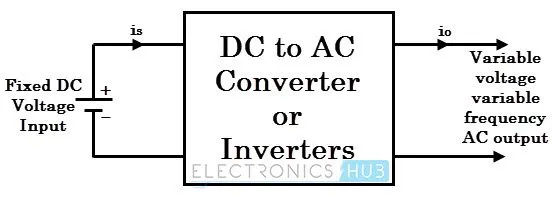
DC TO AC CONVERTER:-this converter is the inverter form of working when the DC TO AC convert the current than called the dc to ac current and this manually used in the house in the inverter form.
advantage:-you can charge easill your battries in electrical vehicle
and this working the one form to another form of converting the voltage for transmiting the voltage.
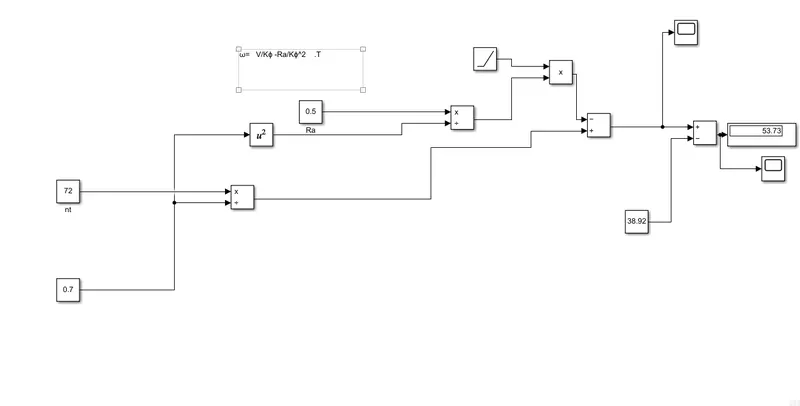
QUESTION:- 2 GIVEN THE EQUATION
T=KmfieEs/Ra-(KmFie)^2/Ra*W
T=0.7*50.4/0.5-0.7^2/0.5W
Tv=24.7+0.0051w^2
TV=T
24.7+0.0051W^2=70.56-0.98W
.0051W^2+.98W-45.86=0
from shreedharya charya formula
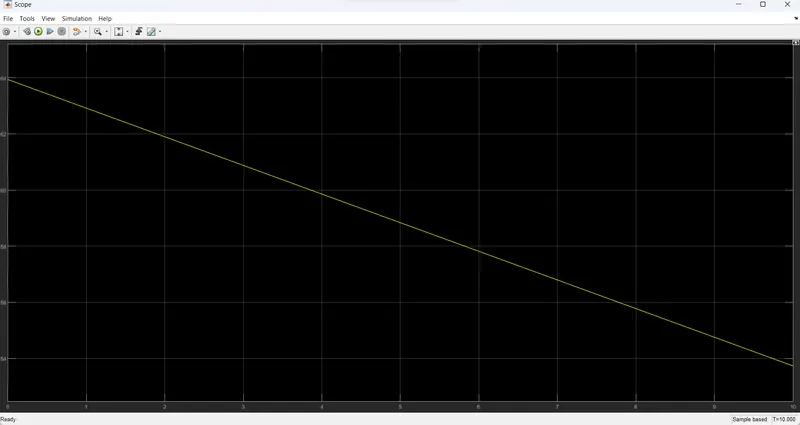
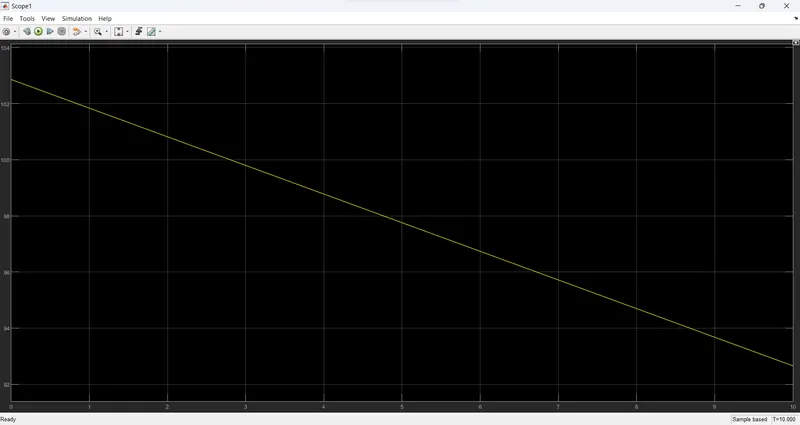
w=38.92 RAD /SEC
w=-230.98 rad/sec
Question:-3
Question:-4:-inductin motor and bldc motor is working the both same path but some point is different and for eg induction take supply onle the AC voltage and BLDC is the take the dc voltage .
- In DC brushless motor, the rotor includes two or more permanent magnets that generate a DC magnetic field. Due to this, magnetic field enters the stator core and interacts with currents flowing within the windings to produce a torque interaction between the rotor and stator. However, the induction rotor has no magnets – (just stacked steel laminations with buried peripheral conductors that form a “shorted structure.)” and current flowing in the stator windings produce a rotating magnetic field that enters the rotor.
- In case of DC brushless motor, when rotor rotates, it is necessary that the magnitude and polarity of the stator currents be continuously varied in such way that the torque remains constant and the conversion of electrical to mechanical energy is optimally efficient. Hence, this current control is provided by inverter.
- A brushless DC motor produces no starting torque when directly connected to fixed frequency utility power. They requires an inverter whose “phase” is maintained in step with the angular position of the rotor. Hence, DC brushless motors are useless without inverters. However, AC induction motors have the capability of producing the torque at the outset when connected to utility type 3-phase power, hence the motor has the ability to start under load. So, No inverter is needed in case of AC induction motor.
- The stators for the 3-phase induction motor and the DC brushless motor are virtually identical. Both have three sets of “distributed windings” that are inserted within the stator core.
- Since 3-phase induction motors have great utility, but they cannot operate from DC source, they always require an AC supply.
- In case of Induction motors, shaft speed is proportionate to line frequency. Hence, when Induction motors used with utility power, they are constant speed machines. Finally, when operated from utility power, they have limited starting torque and limited running peak torque capabilities, when compared to DC brushless motors.
- DC brushless motors require an absolute position sensor, while induction motor drives require only a speed sensor.
- The speed of DC Brushless motor is controlled by varying current, whereas the speed of Induction motor is controlled by varying frequency.
- In case of DC brushless motors, less rotor heat is generated because rotor cooling is easier and peak point efficiency is generally higher as compared to induction motors.
- The DC brushless motor can also operate at unity power factor, whereas the best power factor for the induction motor is about 85 percent. Hence, we can say that the peak point energy efficiency for a DC brushless motor will typically be a few percentage points higher than for an induction motor.
- The Peak efficiency of Induction motor is less than DC Brushless motor but the average efficiency is higher.
- Due to permanent magnets in case of DC brushless motors, the magnetic field strength (B) cannot be ajustable and as a result, sum of the eddy, hysteresis, and I² losses cannot be minimized. However in case of induction motors, there are no permanent magnets, hence magnetic field strength (B) can be easily adjustable so that sum of eddy, hysteresis, and I² losses can be minimized.
- The induction motors when operated with a smart inverter has an advantage over a DC brushless motors is that magnetic and conduction losses can be traded so efficiency is optimized.
- In case of DC brushless motors, as machine size grows, the magnetic losses increase proportionately and part load efficiency drops. However in case of induction motors, when machine size increases, losses do not increases necessarly.
- The Peak efficiency of Induction motor is less than DC Brushless motor but the average efficiency is higher.
- Since permanent magnets are very expensive, hence DC brushless motors are costly as compared with Induction motors.
- Achieving stability over the entire torque-speed range and over temperature is more difficult with induction motor than with DC brushless motor as induction motor is difficult to control.
- DC brushless motors are mostly suitable for Hybrid Electric vehicle (HEV) & Plugin hybrid vehicle (PGHEV) and Induction motor is suitable for Electric vehicle(EV).