Week-6 Challenge: EV Drivetrain
1. Which types of power converter circuits are employed in electric and hybrid electric vehicle?
Power electronics is the application of solid-state electronics to the control and conversion of electric power.
The basic functions of importance for power electronics are:
(1) power conversion, ac to dc, dc to ac, ac to ac
(2) power conditioning to remove distortion, harmonics, voltage dips and overvoltages
(3) high speed and/or frequent control of electrical parameters such as currents, voltage impedance, and phase angle.
The power conversion systems can be classified according to the type of the input and output power
- AC to DC (rectifier)
- DC to AC (inverter)
- DC to DC (DC to DC converter)
- AC to AC (AC to AC converter)
1) RECTIFER
A rectifier is an electrical device that converts alternating current (AC), which periodically reverses direction, to direct current (DC), which flows in only one direction.
most commonly used to build charging ports for hybrid electric vehicles as most of the current sources are of AC source.

half way rectifer

full wave rectifier
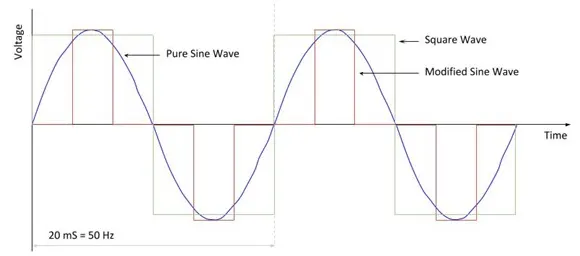
2) DC-AC Inverter: The converter is a power electronic device, used to convert DC to AC. These devices use switching devices. The basic function of an inverter circuit is to generate oscillations with the specified DC & apply these to the transformer’s primary winding by increasing the current. This main voltage is then step up to a high voltage based on the number of twists within main and minor coils.
The general approach is to chop (pulse) the d.c. voltage so that it approximately resembles a sine wave. This waveform can then be filtered to bring it closer to that of a sine wave. The level (and associated costliness) to which these techniques are applied determine the final quality of any sine wave produced.
3)DC-DC converter:
A DC-to-DC converter is an electronic circuit or electromechanical device that converts a source of direct current (DC) from one voltage level to another. It is a type of electric power converter.
types of DC DC converter
1) boost converter
2) Buck converter
3) buck-Boost converter
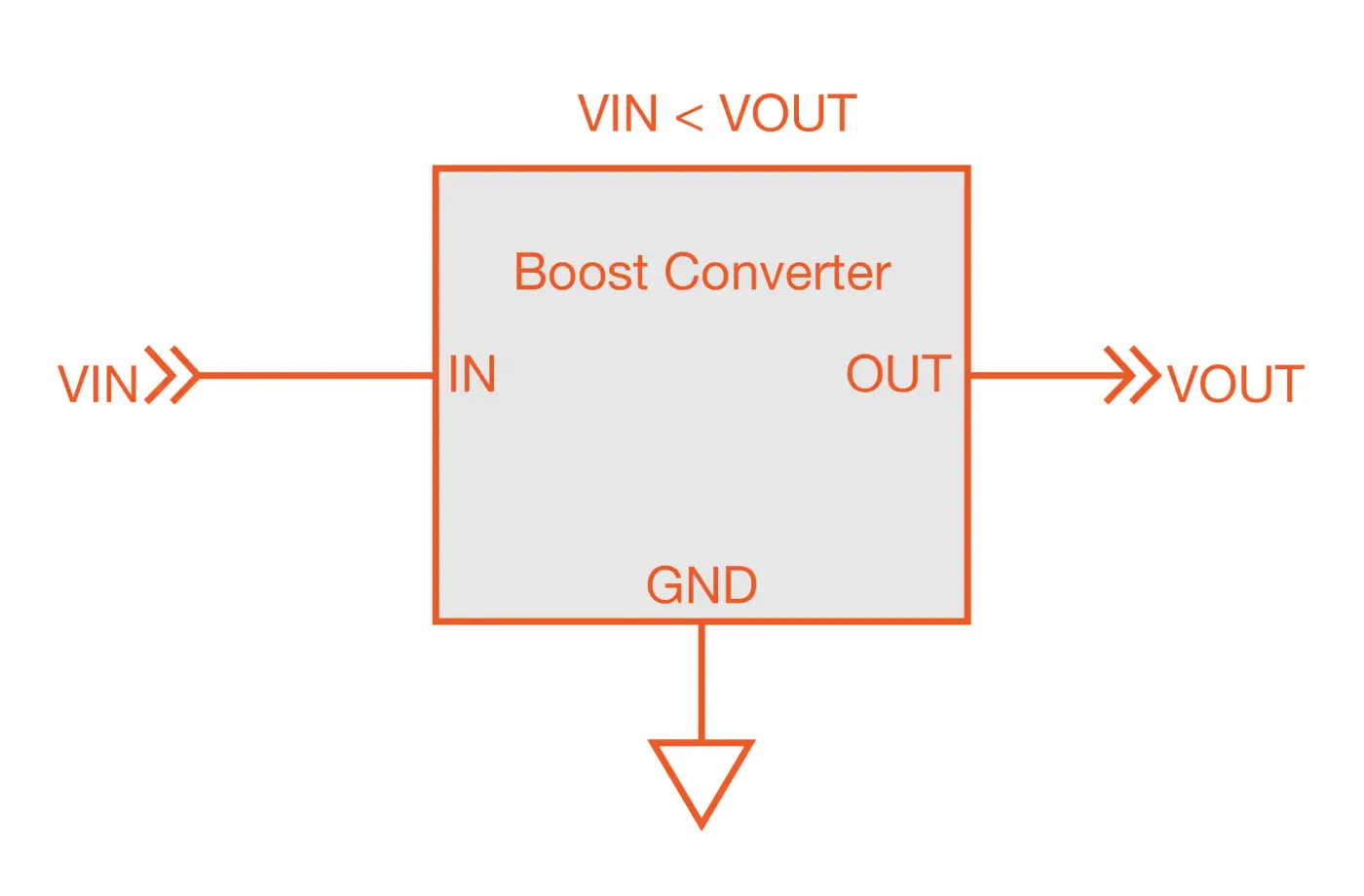
1) Boost converter: A boost converter steps a voltage up, producing a voltage higher than the in the input voltage.
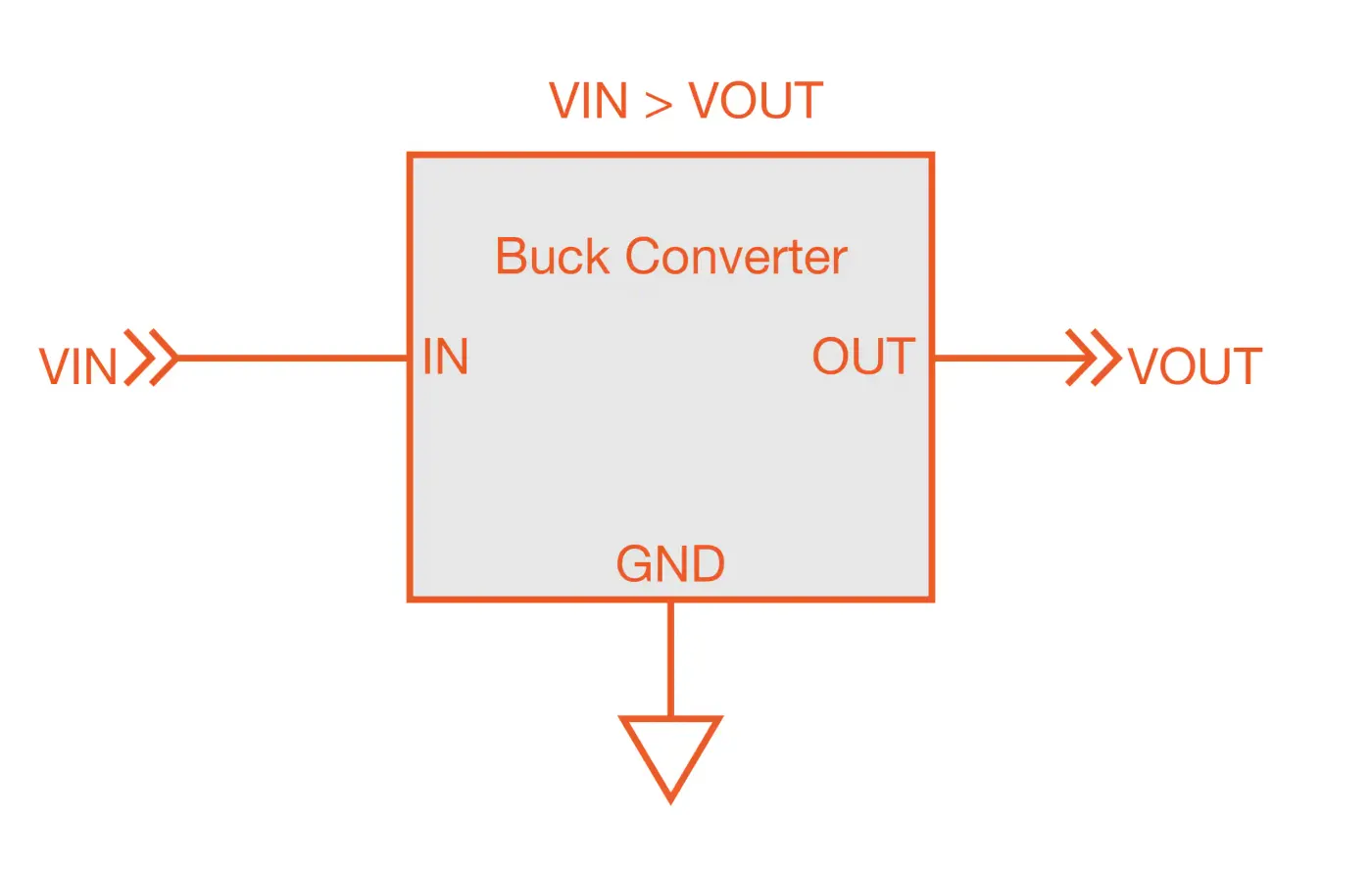
2) Buck converter: A buck converter steps a voltage down, producing a voltage lower than the input voltage.
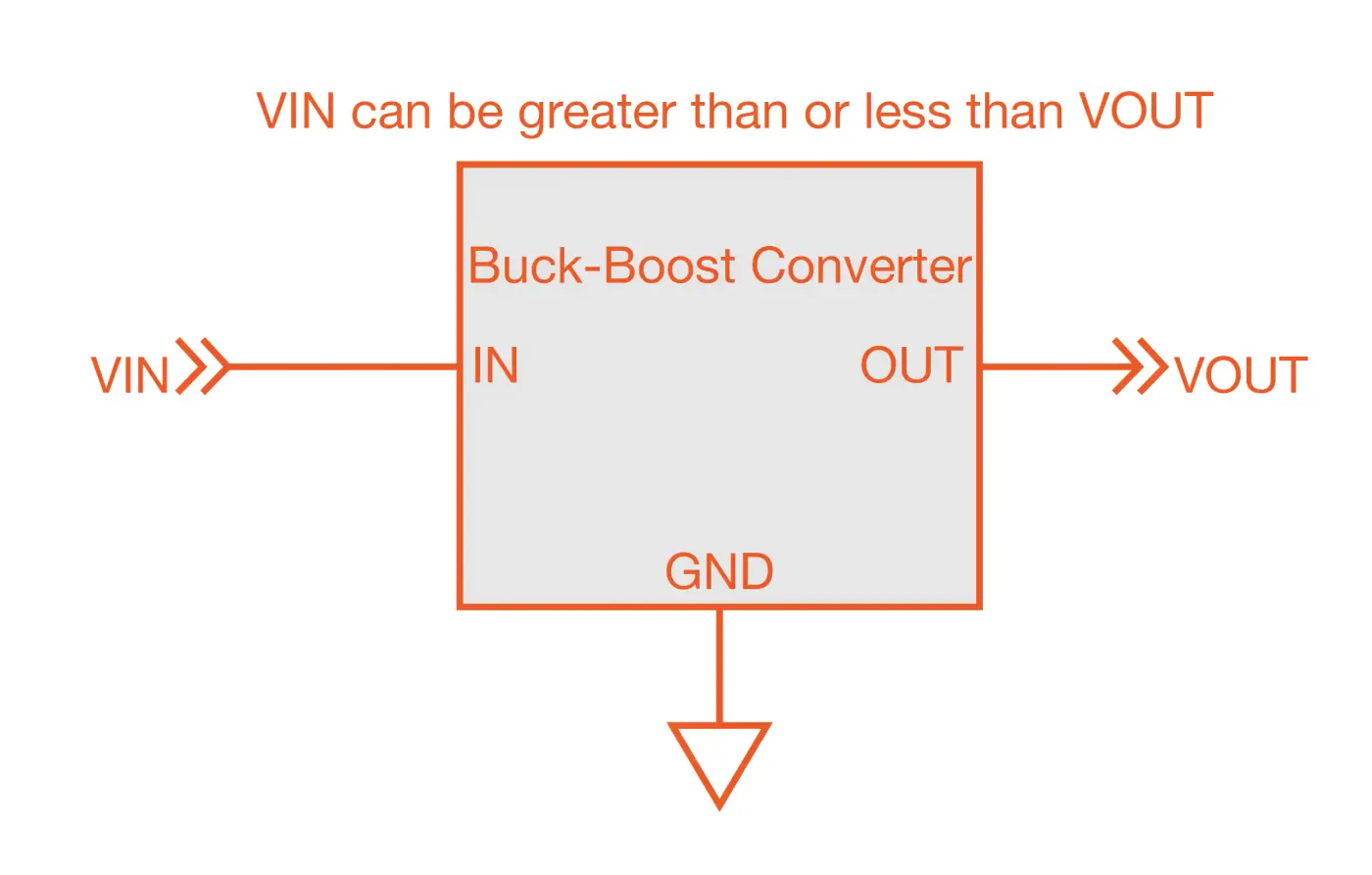
3)Buck-Boost converter:A buck-boost converter steps a voltage up or down, producing a voltage equal to or higher or lower than the input voltage. A buck boost could be used to provide a 12 V output from a 12 V battery. A 12V battery’s voltage can vary between 10 V and 14.7 V.
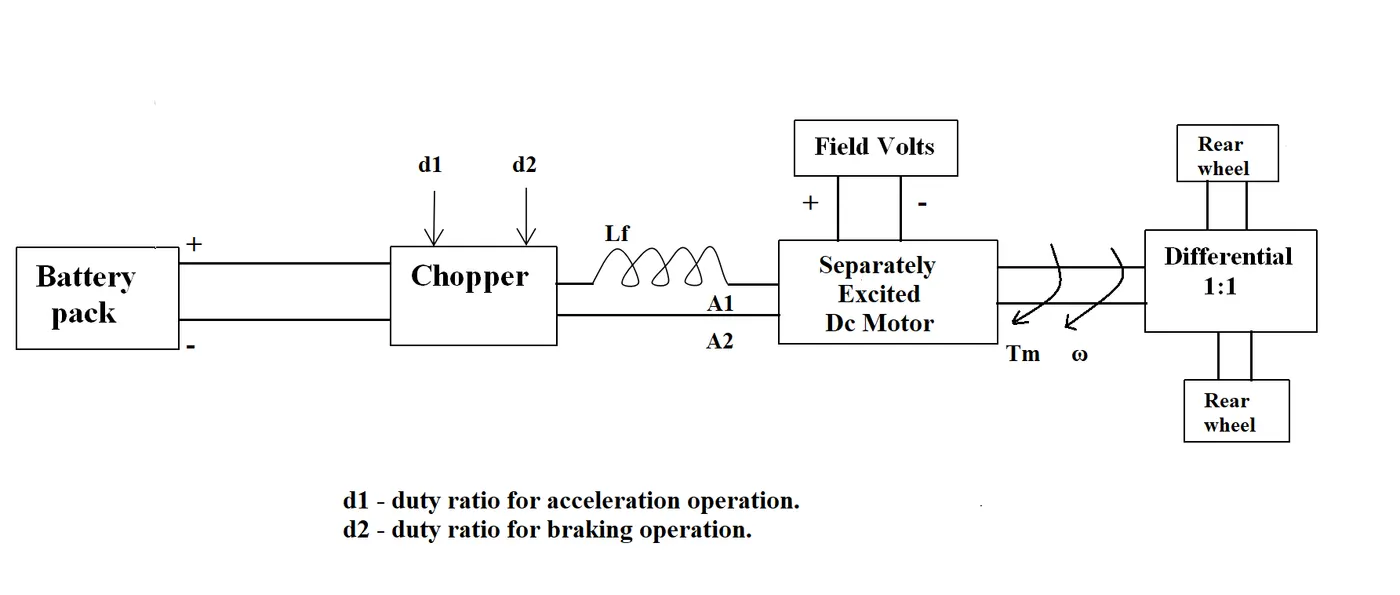
2)An Electric Vehicle's powertrain with 72V battery pack in shown in the diagram below. The duty ratio for acceleration operation is 'd1' and for the braking operation the duty ratio is 'd2'.
The other parameters of the electric vehicle is given below,
Motor and Controller Parameters:
Rated Armature voltage= 72 V
Rated armature current= 400 A
Ra= 0.5Ω, KΦ= 0.7 Volt second
Chopper Switching frequency= 400 Hz
The vehicle speed-torque characteristics are given by the below equation

solution
DC machine torque-speed characteristics
`T = (V.Km(phi))/R_a-(Km(phi)^2)/R_a`
where
T = motor torque
Ra = armature resistance
V = voltage
`Km(phi)` = motor constant
`omega` = angular speed of motor
solving for values
Tm =(V.Km(phi))/R_a-(Km(phi)^2)/R_a
Tm = (50.4*(0.7)/0.5-((0.7)^2/(0.5)*w
Tv = 24.7+ (0.0051)w^2
equating the above two equations together we will get the value for w
(50.4*(0.7)/0.5-((0.7)^2/(0.5)*w = 24.7+ (0.0051)w^2
0.98w - 45.8 = 0
applying discriminant to the above quadratic equation
`w = - 0.98 +- sqrt ((0.98 - 4* 0.0051*45.8)/(2*0.0051)`
w = 38.82 rad/sec
3) Induction Versus DC brushless motors by Wally Rippel, Tesla
The author starts off with the comparison of different types of IC engines and that there could not be one engine which surpasses all other engines but the type of engine is selected with regard to the vehicle requirement and personal requirement and says that the same is with battery-powered vehicles there is no 1 powerful vehicle but depending on usage and vehicle itself.
In case of brushless DC motor, the rotor includes two or more permanent magnets that generate a DC magnetic field. As the rotor rotates, it is necessary that the magnitude and polarity of the stator currents be continuously varied the torque remains constant and the conversion of electrical to mechanical energy is optimally efficient thus the author suggests that the brushless motor would be useless without the use of inverter. This motor can provide low heat and high peak point energy
An Induction motor on the other hand does not need an invertor for its working. at light load the inverter reduces voltage such that the efficiency is increased in case of DC brushless motor the size of the motor would increase. Induction machines are more difficult to control. The control laws are more complex and difficult to understand. Achieving stability over the entire torque-speed range and over temperature is more difficult with induction than with DC brushless.
CONCLUSION
the author is adamant that there is no clear winner but in case of HEV DC brushless motor is more functional and for a performance type vehicle such as a supersport induction motors are more reliable