Week 5: Prandtl Meyer Shock problem
Prandtl Meyer Shock problem
WAVE :
In physics a wave can be thought of as a disturbance or oscillation that travels through space-time, accompanied by a transfer of energy. Wave motion transfers energy from one point to another, often with no permanent displacement of the particles of the medium —that is, with little or no associated mass transport.
SHOCK WAVE :
In physics, a shock wave (also spelled shockwave), or shock, is a type of propagating disturbance that moves faster than the local speed of sound in the medium. Like an ordinary wave, a shock wave carries energy and can propagate through a medium but is characterized by an abrupt, nearly discontinuous, change in pressure, temperature, and density of the medium.
Types of shock waves
A shock is said to have occurred if there is an abrupt reduction of velocity in the downstream in course of a supersonic flow in a passage or around a body. Normal shocks are substantially perpendicular to the flow and oblique shocks are inclined at any angle. A bow wave is a v-shaped disturbance created by an object moving across a liquid surface at a speed greater than the wave speed , when flow velocity exceeds Mach 1.
Physics behind shock wave :
Unlike ordinary sound waves, the speed of a shock wave varies with its amplitude. The speed of a shock wave is always greater than the speed of sound in the fluid and decreases as the amplitude of the wave decreases. When the shock wave speed equals the normal speed, the shock wave dies and is reduced to an ordinary sound wave.
|
Jet fighter planes with conical shock waves made visible by condensation. |
|
The ratio of the speed of a moving object (v) to the speed of sound (c) in a fluid is known as the Mach number (Ma) in honor of Ernst Mach (1838–1916), the Moravian physicist, psychologist, and philosopher who studied sound and ballistics.
|
Ma = |
v |
|
c |
The Mach number is a dimensionless measure of speed common in aerodynamics. Mach 0.5 is half the speed of sound, Mach 2 is twice the speed of sound, and so on. Speeds less than the speed of sound have a Mach number between zero and one and are described as subsonic. Those greater than the speed of sound have Mach numbers greater than one are a described as supersonic. Speeds approximately equal to the speed of sound have Mach numbers approximately equal to one and are described as transonic.
The shock wave from a supersonic object is a cone composed of overlapping spherical wavefronts. As any one of these wavefronts forms, it propagates radially outward at speed c and acquires a radius ct. At the same time the source, traveling at speed v moves forward vt. These two displacements form the leg and hypotenuse, respectively, of a right triangle and can be used to determine the Mach angle μ at the vertex of the shock cone.
|
sin μ = |
c |
|
v |
When an object travels slower than sound, the ratio in this equation is greater than one, and the equation does not have a real solution. This makes absolute sense as there is no shock wave to speak of at subsonic speeds. Traveling at the speed of sound makes the ratio equal one and results in a Mach angle of ninety degrees. At transonic speeds the shock wave is a wall of high pressure moving with the object, perpendicular to its velocity. Above the speed of sound, the ratio is less than one and the Mach angle is less than ninety degrees. The faster the object moves, the narrower the cone of high pressure behind it becomes. Measuring the vertex angle is thus a simple way to determine the speed of a supersonic object.
PRANDTL MEYER EXPANSION PROBLEM :
Unlike ordinary sound waves, the speed of a shock wave varies with its amplitude. The speed of a shock wave is always greater than the speed of sound in the fluid and decreases as the amplitude of the wave decreases. When the shock wave speed equals the normal speed, the shock wave dies and is reduced to an ordinary sound wave.
Jet fighter planes with conical shock waves made visible by condensation.
Jet fighter plane with condensation cone Jet fighter plane with condensation cone
The ratio of the speed of a moving object (v) to the speed of sound (c) in a fluid is known as the Mach number (Ma) in honor of Ernst Mach (1838–1916), the Moravian physicist, psychologist, and philosopher who studied sound and ballistics.
Ma = v
c
The Mach number is a dimensionless measure of speed common in aerodynamics. Mach 0.5 is half the speed of sound, Mach 2 is twice the speed of sound, and so on. Speeds less than the speed of sound have a Mach number between zero and one and are described as subsonic. Those greater than the speed of sound have Mach numbers greater than one are a described as supersonic. Speeds approximately equal to the speed of sound have Mach numbers approximately equal to one and are described as transonic.
The shock wave from a supersonic object is a cone composed of overlapping spherical wavefronts. As any one of these wavefronts forms, it propagates radially outward at speed c and acquires a radius ct. At the same time the source, traveling at speed v moves forward vt. These two displacements form the leg and hypotenuse, respectively, of a right triangle and can be used to determine the Mach angle μ at the vertex of the shock cone.
sin μ = c
v
When an object travels slower than sound, the ratio in this equation is greater than one, and the equation does not have a real solution. This makes absolute sense as there is no shock wave to speak of at subsonic speeds. Traveling at the speed of sound makes the ratio equal one and results in a Mach angle of ninety degrees. At transonic speeds the shock wave is a wall of high pressure moving with the object, perpendicular to its velocity. Above the speed of sound, the ratio is less than one and the Mach angle is less than ninety degrees. The faster the object moves, the narrower the cone of high pressure behind it becomes. Measuring the vertex angle is thus a simple way to determine the speed of a supersonic object.
BOUNDARY CONDITION
A boundary value problem is a differential equation put together with additional contraints called the boundary conditions . The various types of boundary conditions are
Dirichlet boundary condition
Neumann boundary condition
Robin boundary condition
Mixed boundary condition
Cauche boundary condition
In Neumann boundary condition the value of the gradient of the dependent variable (Flux) is provided along the boundary of the domain
Geometry :
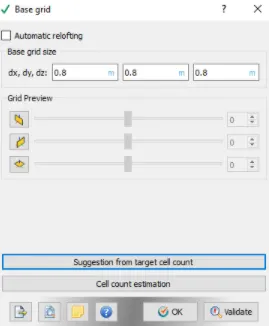
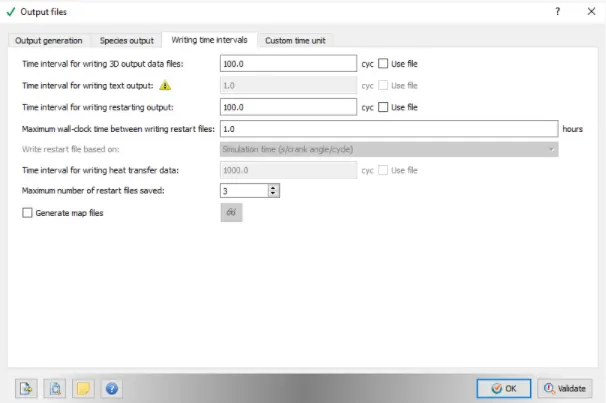
The Duct shown below was imported into converge and was inspected for geometric errors.It was scaled to meter ,assigned different mesh sizes and boundary conditions were flagged.
Boundary conditions :
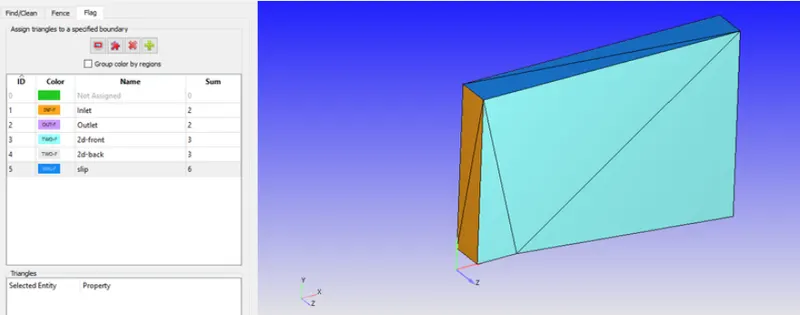
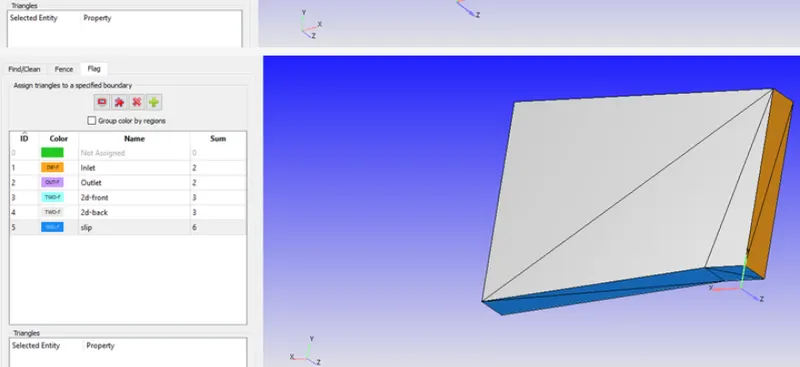
Dimensions of the geometry :
Length of X axis – 65 m
Width of Y axis – 45.152m
Height of Z axis – 8.151m
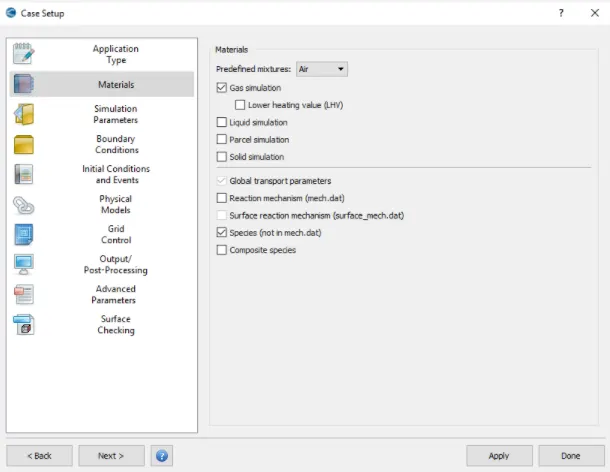
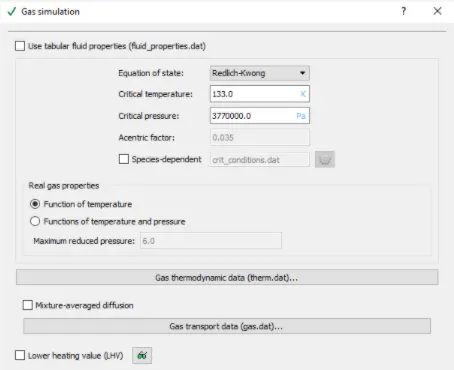
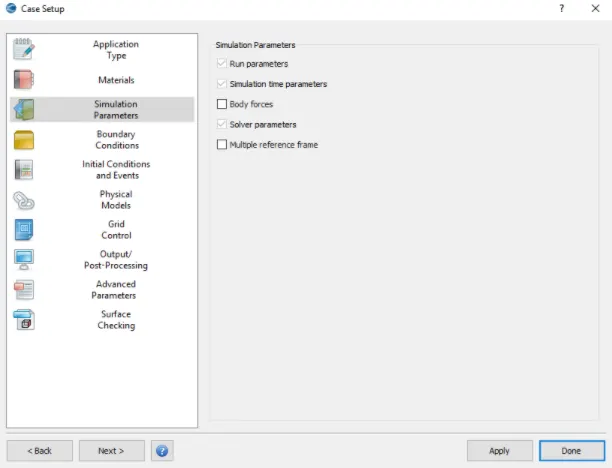
Case setup :
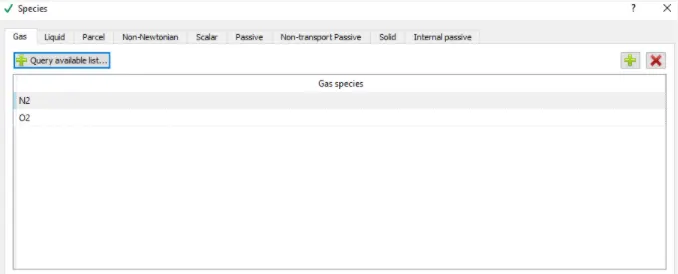
Fluid used : Air
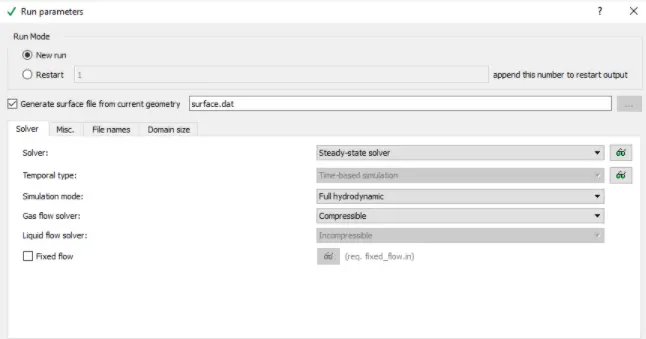
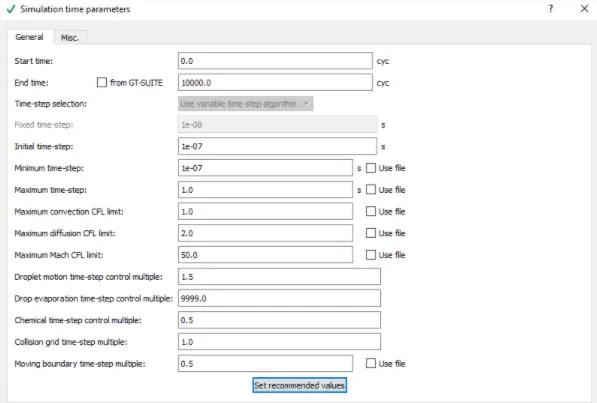
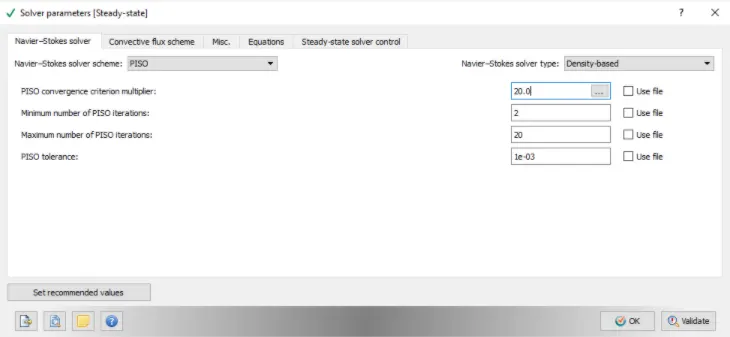
Solver : Density based steady state solver
Simulation mode : Full hydrodynamic
Start time : 0 Cycle
End Time : 25000 cycle
Initial and minimum time steps : 1e -07
Maximum timestep : 1
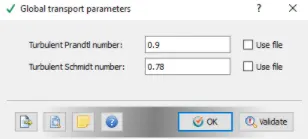
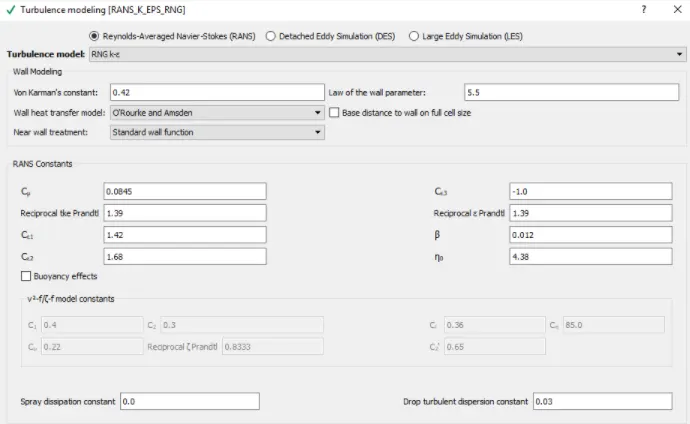
Turbulence modelling : RKG – K Epsilon
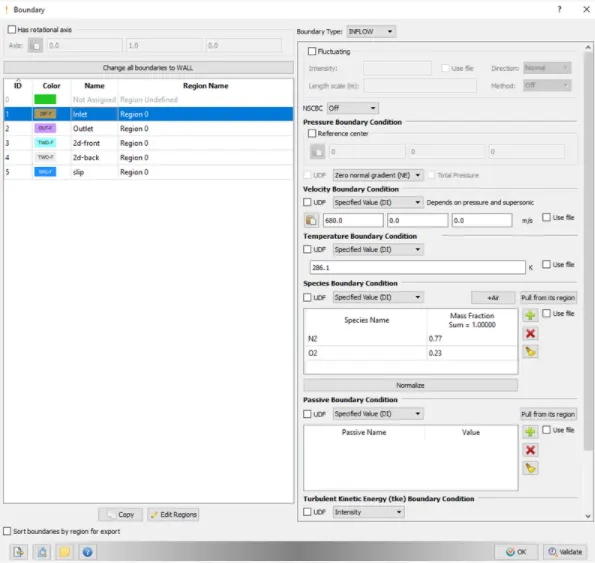
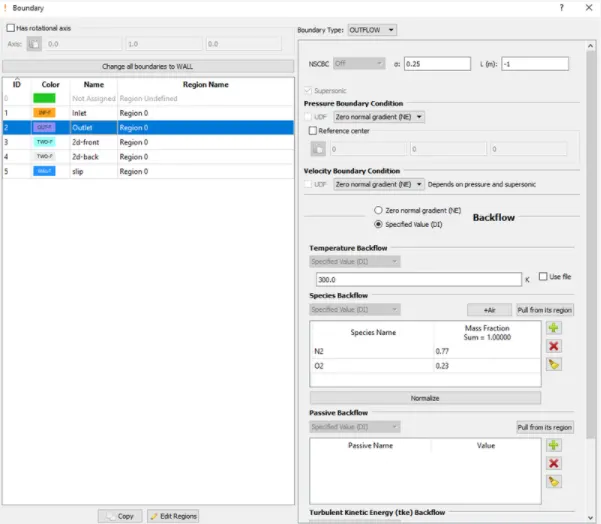
Inlet pressure : Zero normal gradient
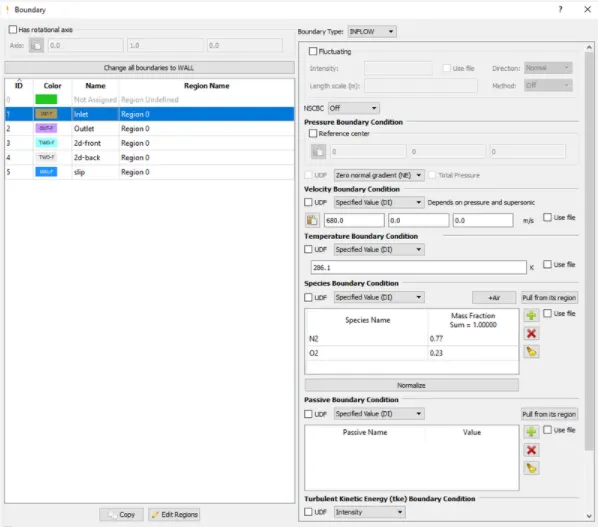
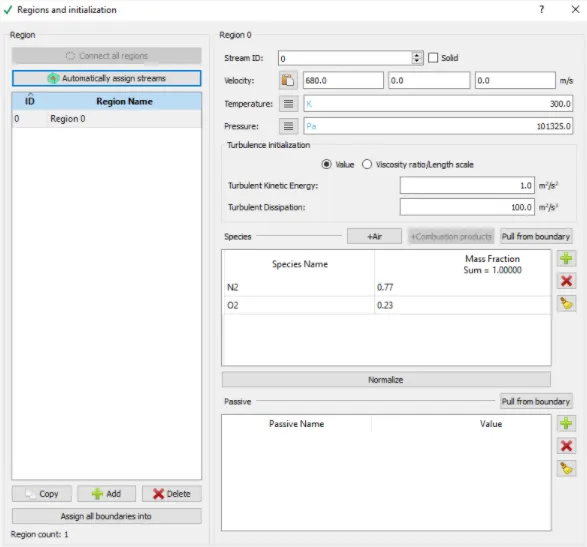
Inlet velocity : Case : 100m/s in x direction and case 2 : 680m/s in x direction
Inlet temperature : 286.1K
Outlet pressure : Zero Normal gradient
Outlet velocity : Zero normal gradient
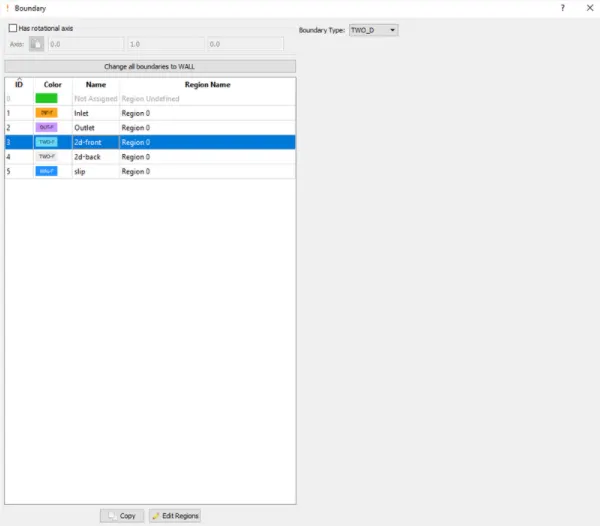
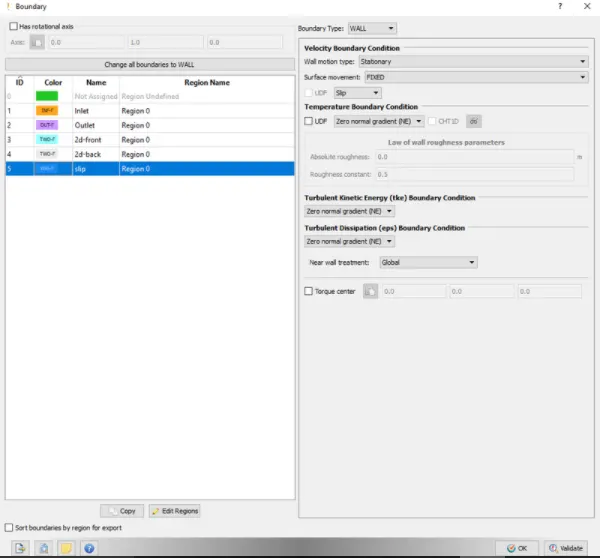
Top and bottom walls : Slip
Front and back walls : 2D
CASES :
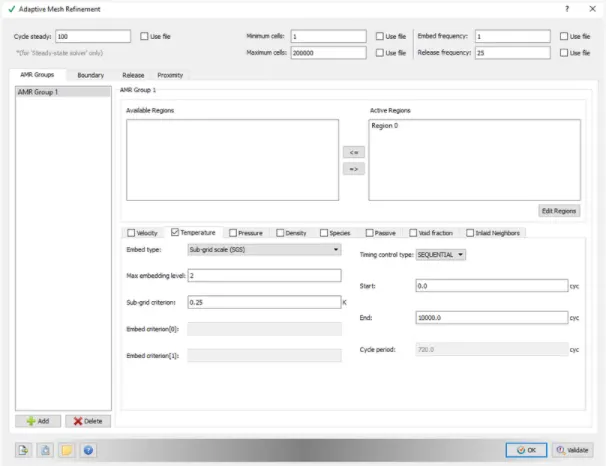
1. velocity = 680 m/s and SCG parameter sub grid criteria =0.1
2. velocity = 680 m/s and SCG parameter sub grid criteria =0.01
3. velocity = 680 m/s and SCG parameter sub grid criteria =0.001
4. velocity = 100 m/s and SCG parameter sub grid criteria =0.001
CASE 1 :
MESHING
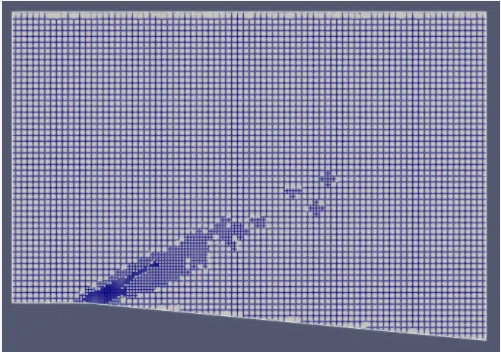
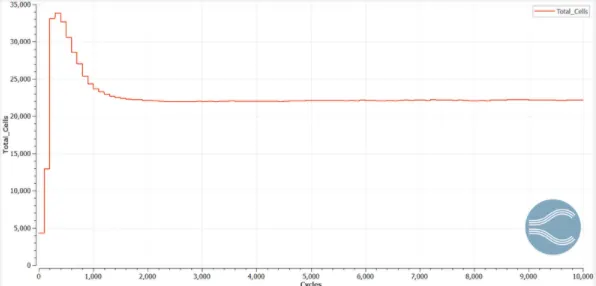
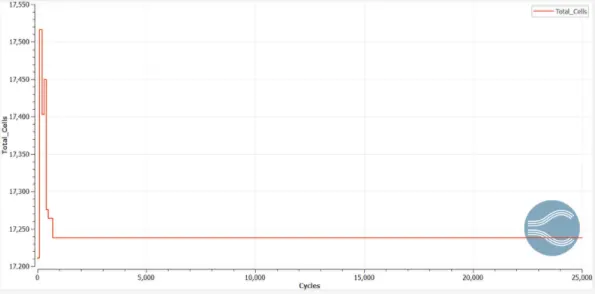
TOTAL CELL COUNT
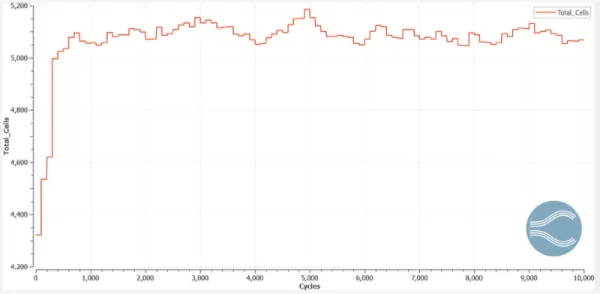
OBSERVATION
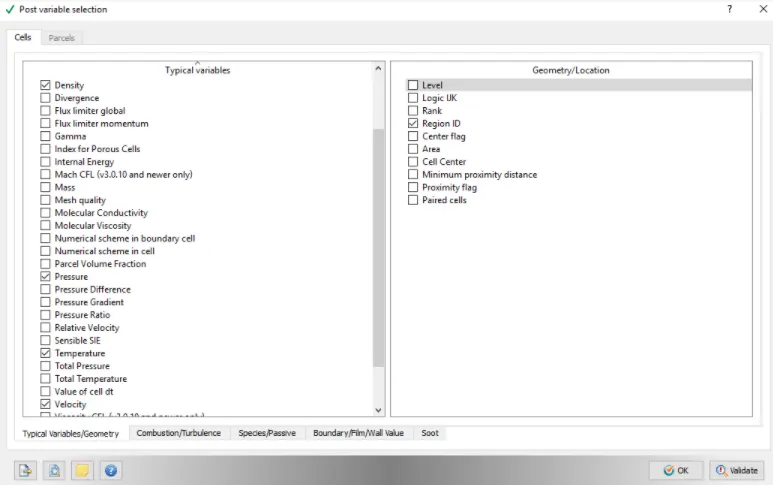
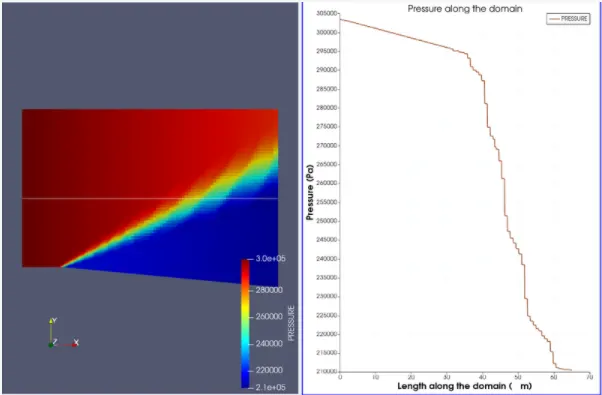
Pressure plot
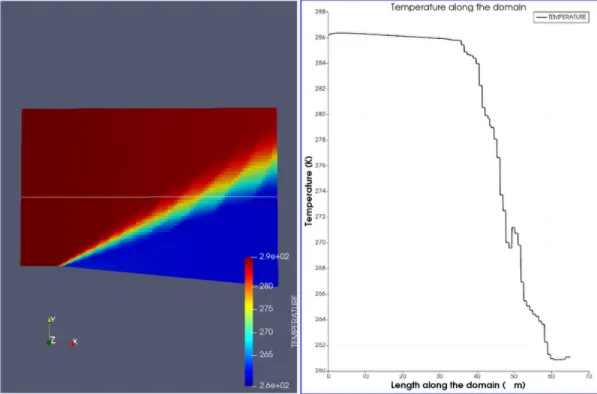
Temperature plot
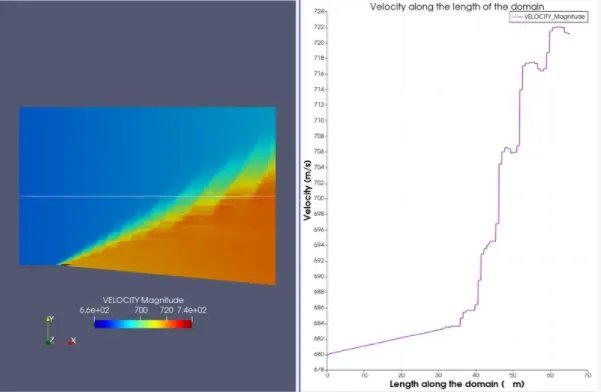
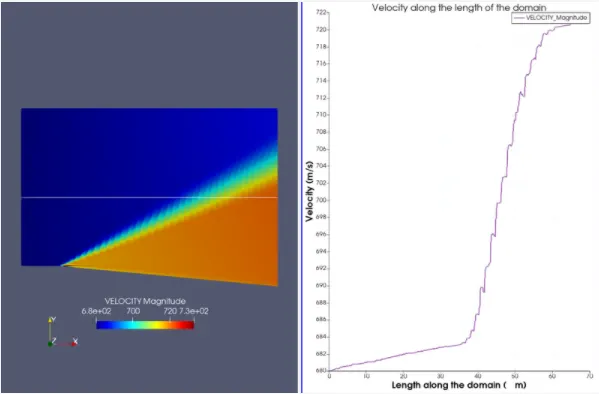
Velocity plot
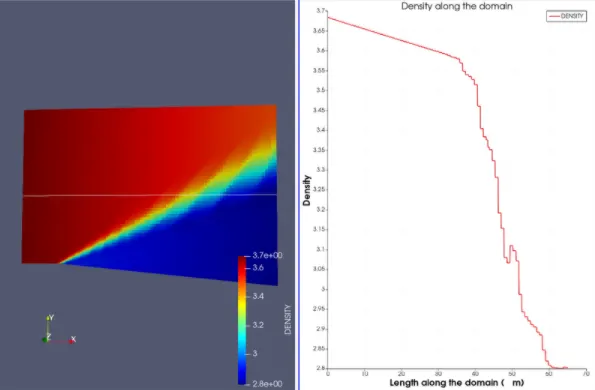
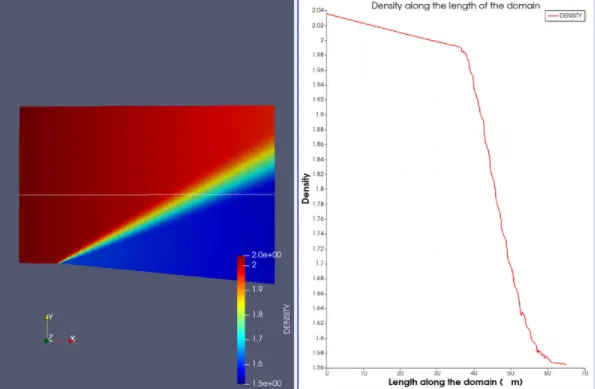
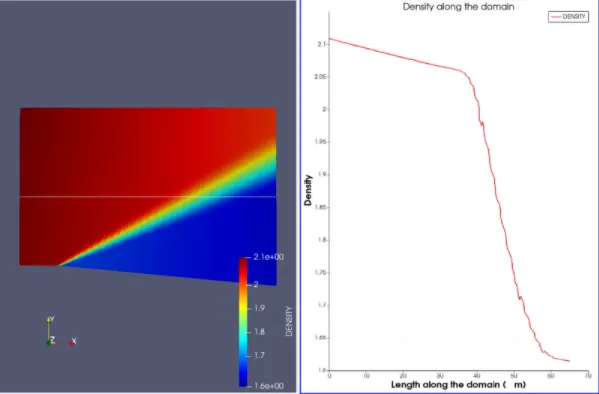
Density plot
CASE 2 :
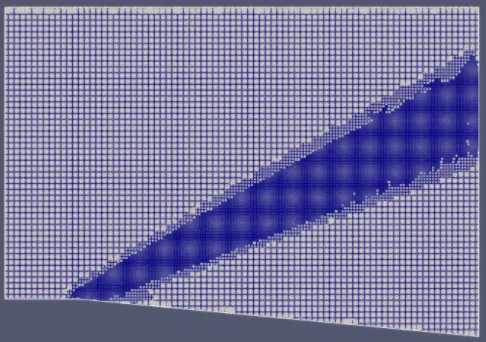
MESHING
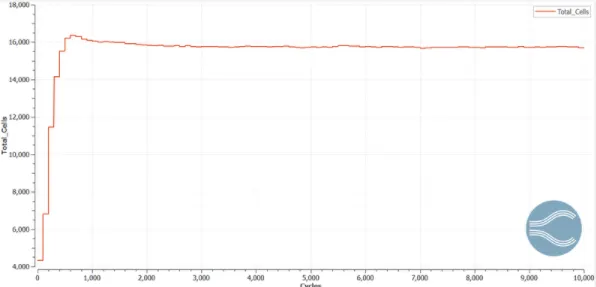
Total cell count
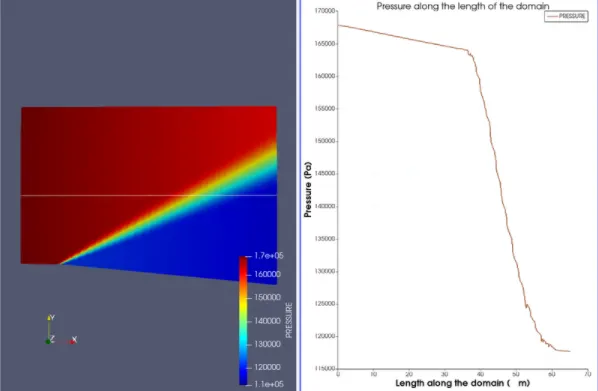
Pressure plot
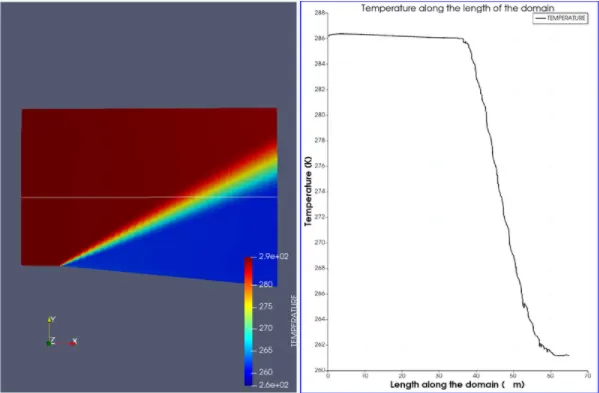
temperature plot
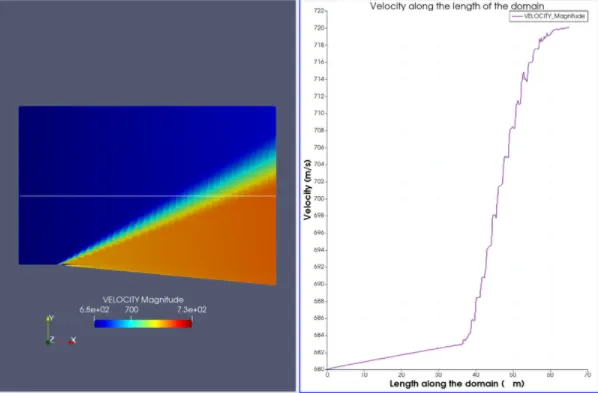
velocity plot
density plot
CASE 3:
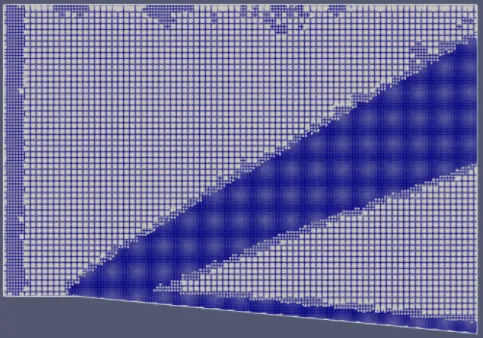
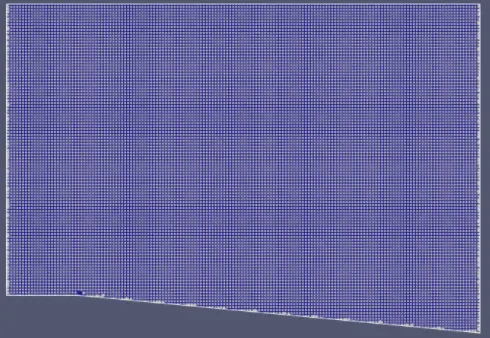
MESHING
Pressure plot
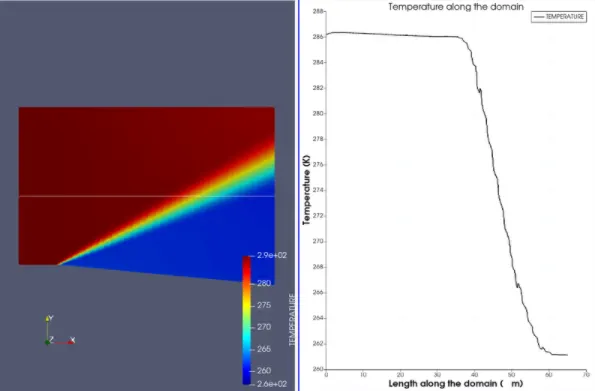
temperature plot
velocity plot
density plot
CASE 4 :
MESHING
Pressure plot
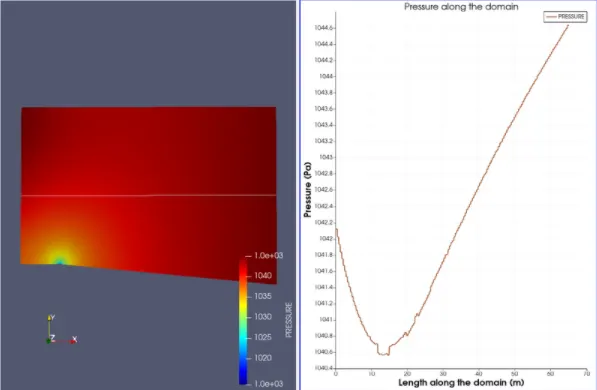
temperature plot
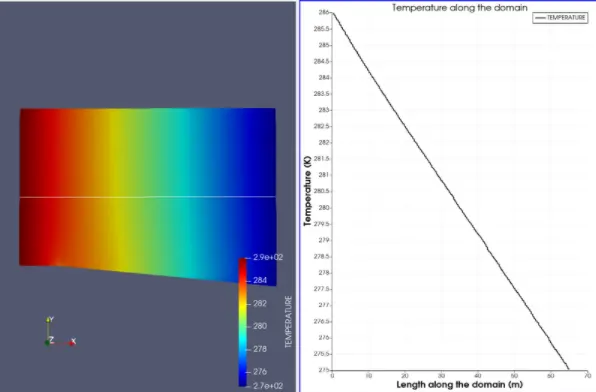
velocity plot
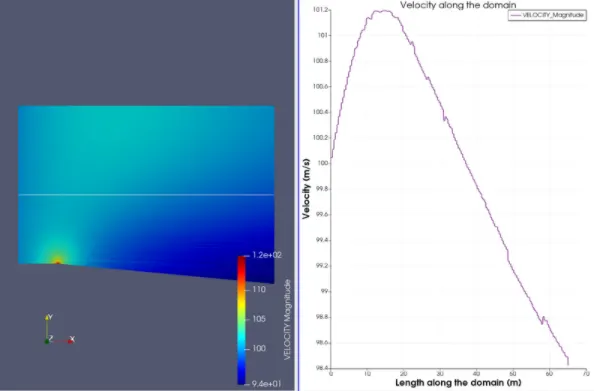
density plot
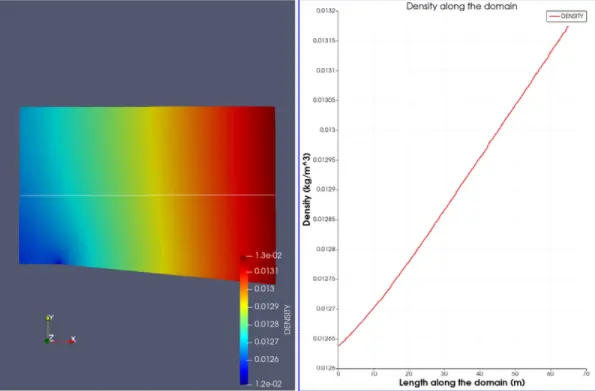
CONCLUSION :
Fromm the post processing results , it is observed that the expansion fan tends to become wider and distinct as the sgs parameter increases
Higher valus of SGS will limit the mesh refinement required to capture the expansion waves effectively leading to a wide , Blury and improperly defined waves
the pressure density and temperature decreases for the match waves however the velocity increases at the supersonic inlet
the cell count increases when we decrease the temperature sub grid criteria
the temperature grid criteria 0.1 is able to capture the mach waves whereas 0.01 and .001 undercapture and overcapture respectively.