Week 5: Prandtl Meyer Shock problem
AIM: To perform Prandtl Meyer Shock flow simulation using Converge and achieve the below enclosed objectives.
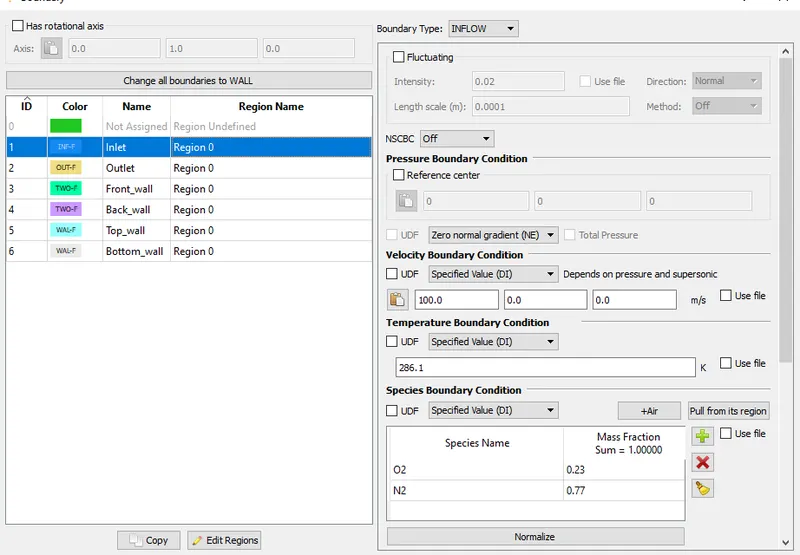
- To Setup and run the case on Prandtl Meyer shock flow for supersonic inlet condition.(velocity=680m/s)
- To Setup and run case on Prandtl Meyer shock flow for subsonic inlet condition.(velocity=100/s)
- Post process and compare results for both the cases.
METHODOLOGY OR CASE SETUP:
Introduction:
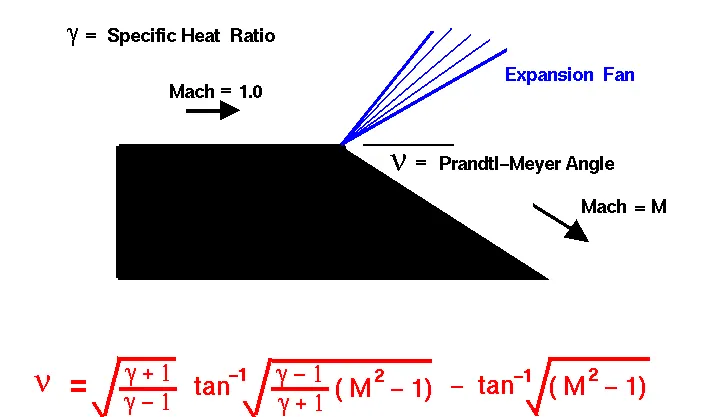
Prandtl Meyer expansion fan or a supersonic expansion fan is a two dimensional simple wave. It is defined as a centered expansion process that occurs when a supersonic flow turns around a convex corner. The fan consists of infinite number of Mach waves diverging from a sharp corner. When a flow turns around a smooth and circular corners, these waves can be extended backwards to meet at a point. Please refer the below figure for more details. The flow is turned gradually by each wave in the expansion fan and near the expansion fan the flow accelearates and the Mach number increases while static pressure, temperature and density decreases. Since the process is isentropic (Reversible Adiabatic with no heat transfer) the total temperature and total pressure remains constant across the fan.
Shock Wave: It is a type of propogating disturbance that moves faster than the local speed of sound in the medium. Like an ordinary wave a shock wave carries energy and can propogate throug a medium but is characterized by an abrupt, nearly discontinuous, change in pressure, temperature and density of the medium. It is a very thin region in a flow where supersonic flow is decelerated to subsonic flow.
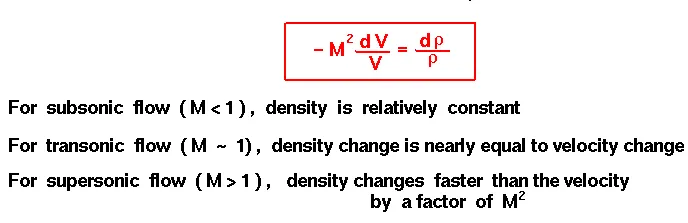
As an object moves through a gas, the gas molecules are deflected around the object. If the speed of the object is much less than the speed of sound of the gas, the density of the gas remains constant and the flow of gas can be described by conservingmomentum and energy. As the speed of the object approaches the speed of sound, compressibility effect comes into picture and the density of the gas varies locally as the gas is compressed by the object.
But when an object moves faster than the speed of sound, and there is an abrupt decrease in the flow area, shock waves are generated in the flow. Shock waves are very small regions in the gas where the gas properties change by a large amount.
Characteristics of Mach Number
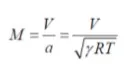
Mach number is a dimensionless quantity in fluid dynamics representing the ratio of flow velocity past a boundary to the local speed of sound
Types of Boundary Conditions:
- Dirichlet Boundary Condition- It specifies the value of variable at a boundary. It is also a fixed condition and is used when a value needs to be imposed at a boundary.
- Neumann Boundary Condition- This boundary condition specifies the derivatie of a variable at a boundary (Velocity at a point say change in displacement is zero). It is used when a certain rate of change in value needs to be imposed for a variable.
- Mixed Boundary Condition- It is the combination of different types of boundary conditions in different parts of the boundary.
- Robin Boundary Condition- are a weighted combination of Dirichlet and Neumann boundary conditions. This contrasts to mixed boundary conditions, which are boundary conditions of different types specified on different subsets of the boundary. Robin boundary conditions are also called impedance boundary conditions.
- Cauchy Boundary Condition- In this boundary condition both Drichlet and Neumann BC (2 constraints) are applied to complete boundary.
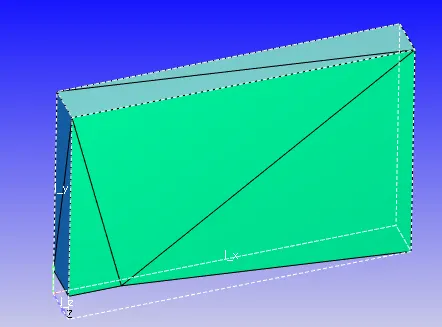
1. Geometry
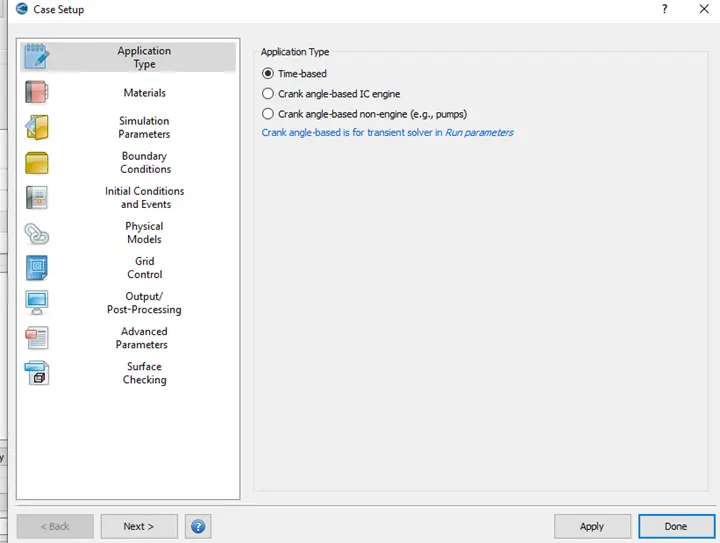
Application Type = Time-based
2. Mesh
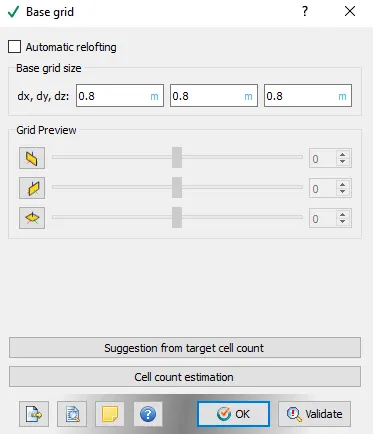
- dx = 0.8m, dy = 0.8m, dz = 0.8m
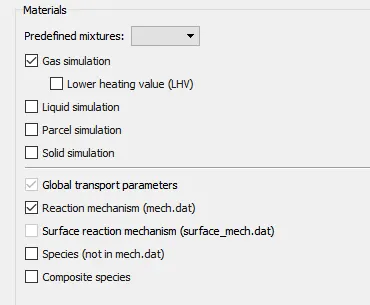
3. Material: Air
4. Time parameters:
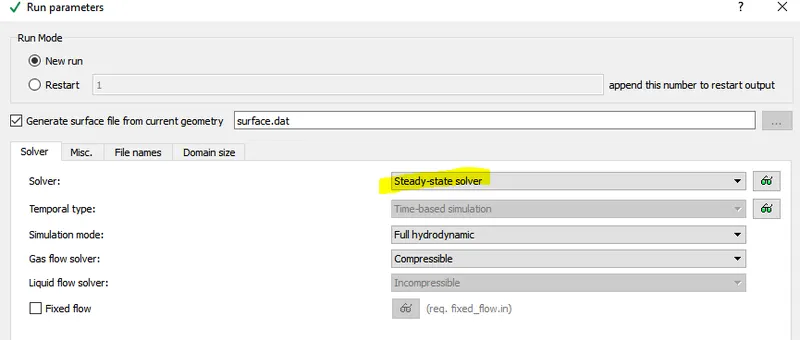
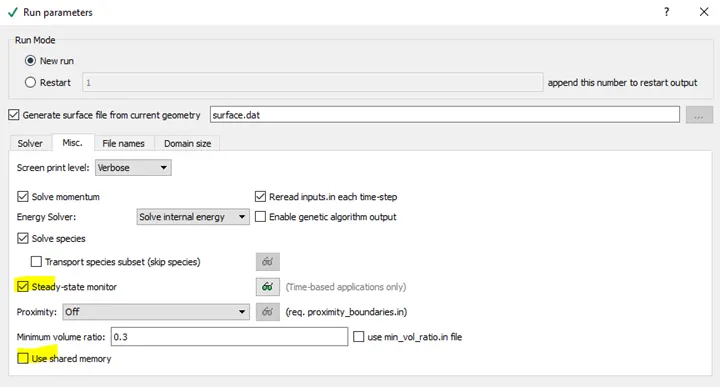
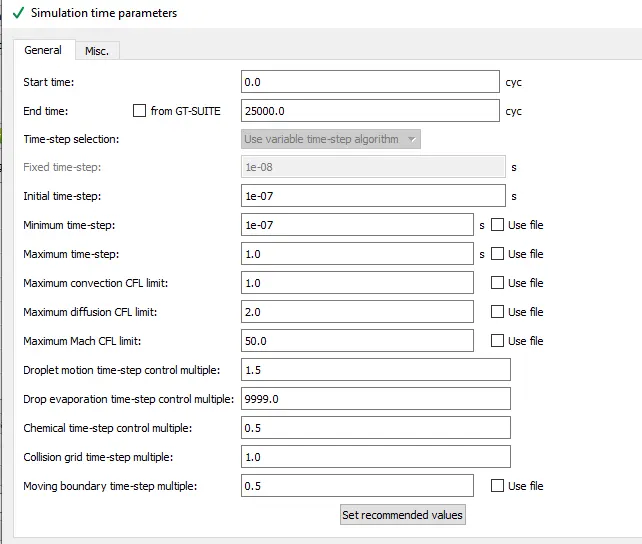
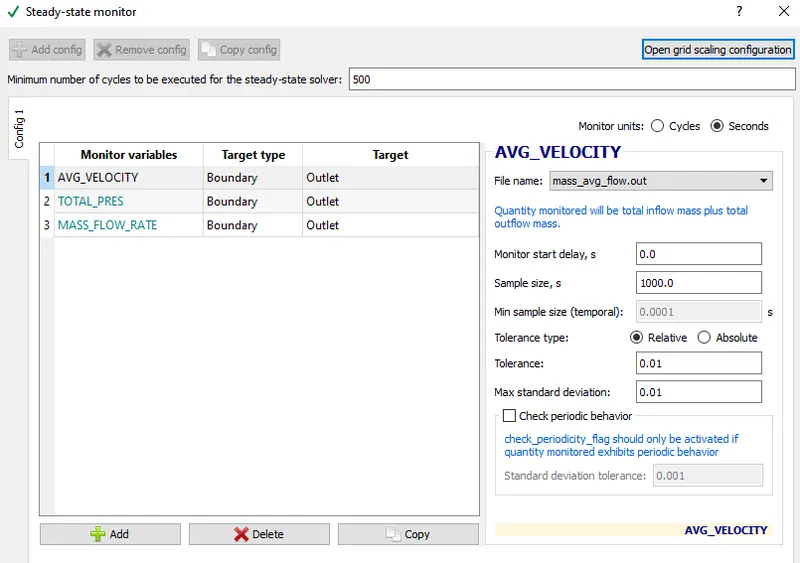
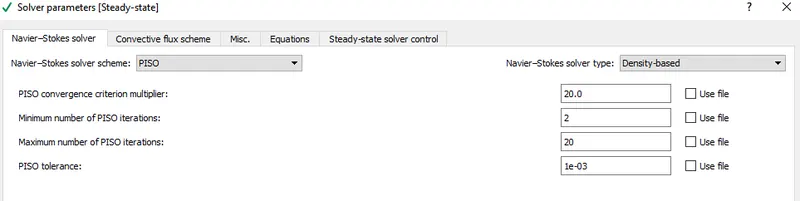
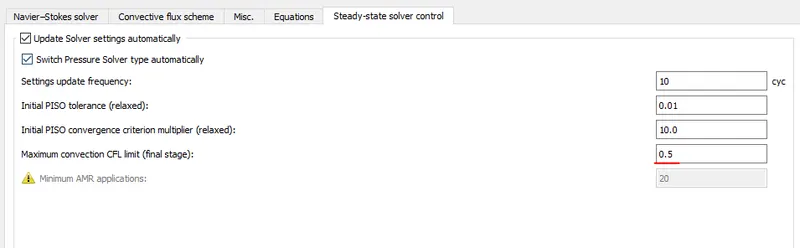
Steady state solver with simulation end time of 15000 cycles and other parameters are shown below.
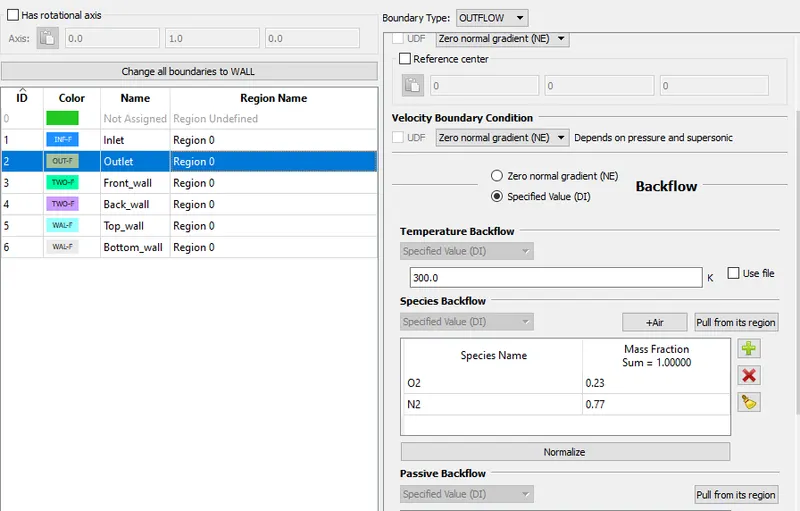
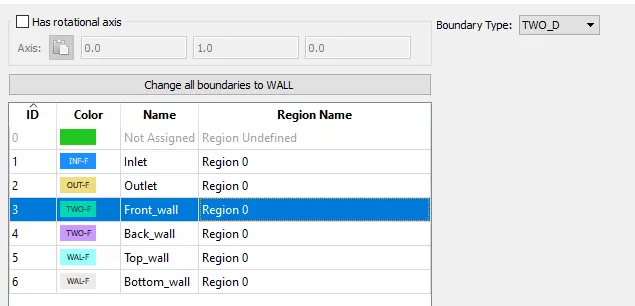
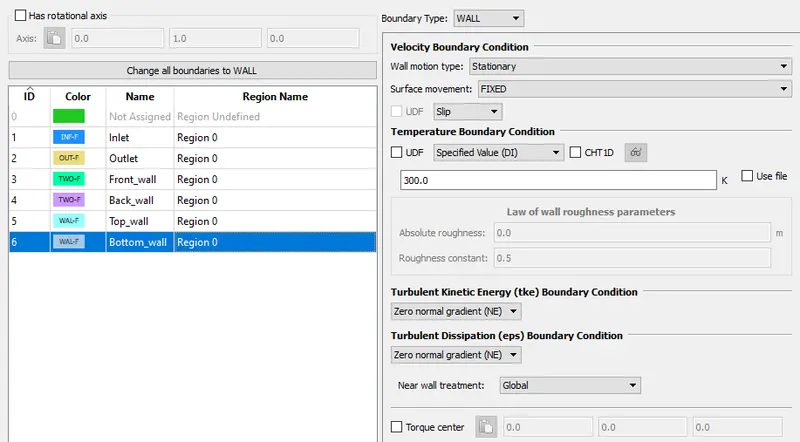
4. Boundary Conditions:
Inlet:
Outlet:
Front Wall & Back Wall:
Top:
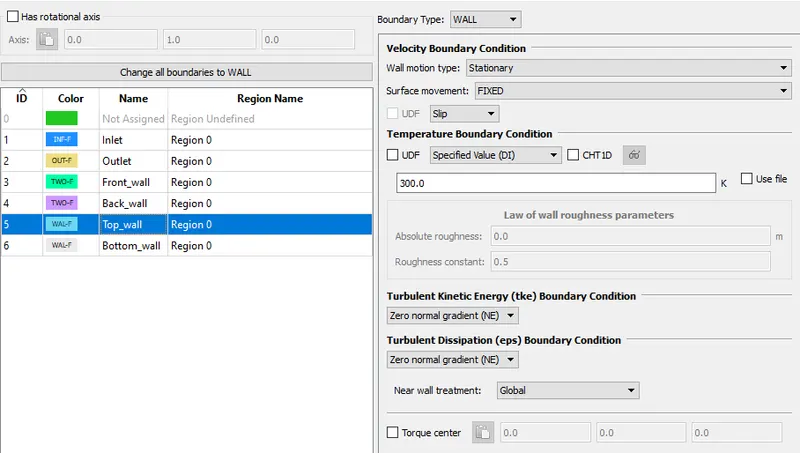
Bottom:
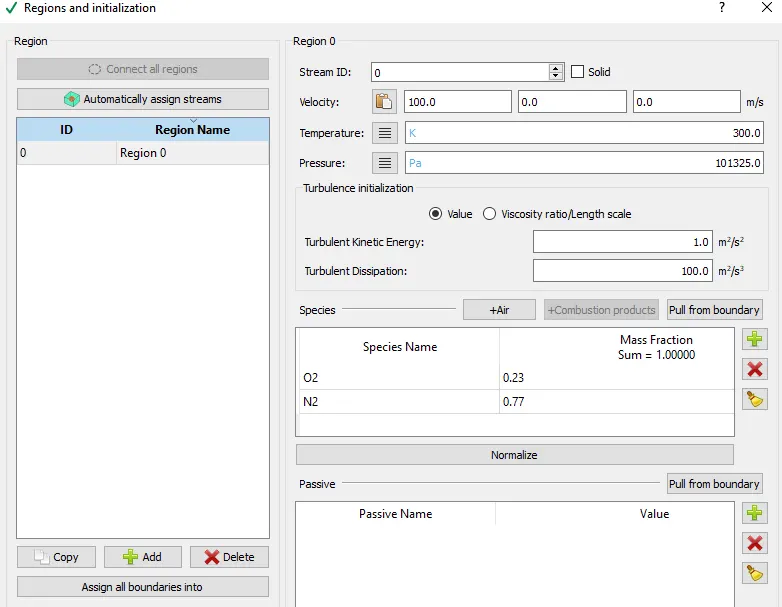
5. REGIONS AND INITIALISATION
Air present at 300K and 101325 Pa
6. GRID Size
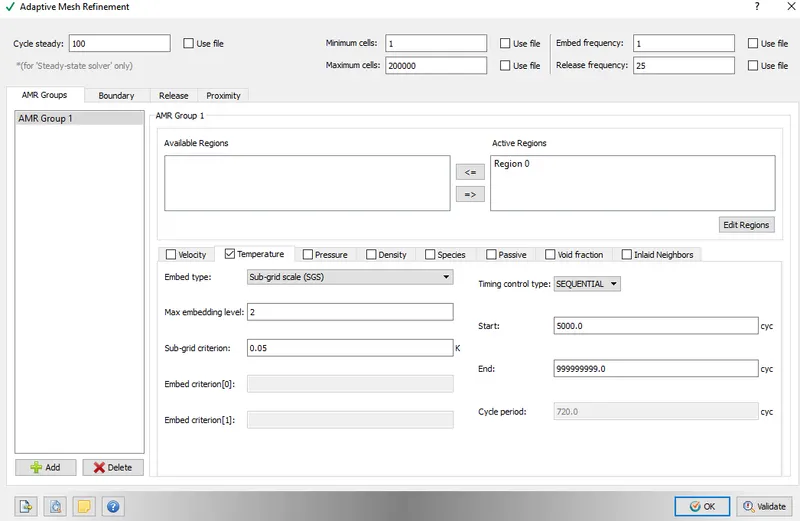
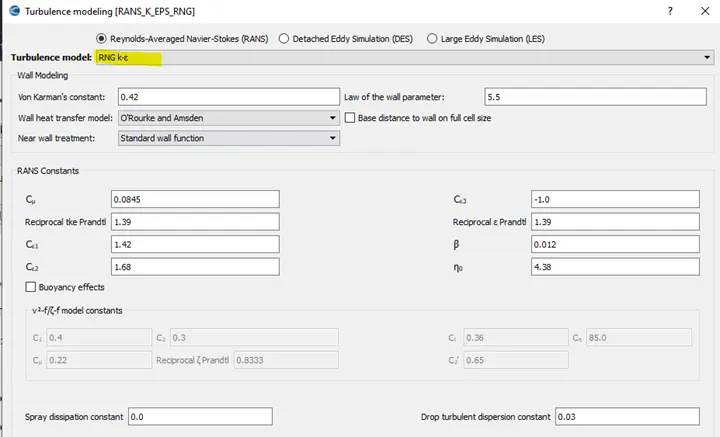
7. TURBULENCE MODELLING
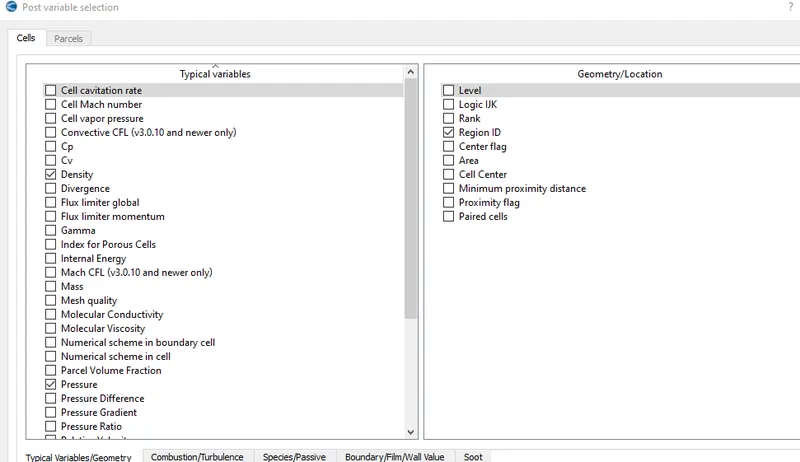
8. POST VARIABLE SELECTION
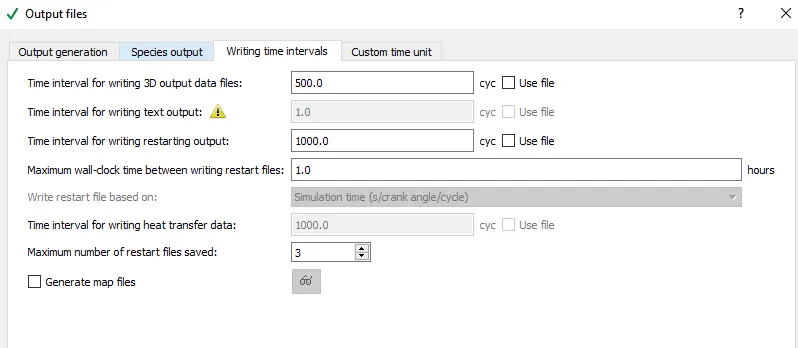
9. OUTPUT FILES
RESULTS AND DISCUSSION
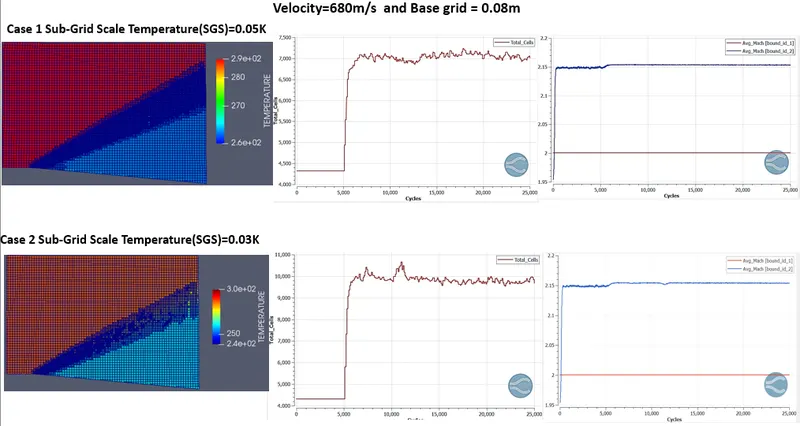
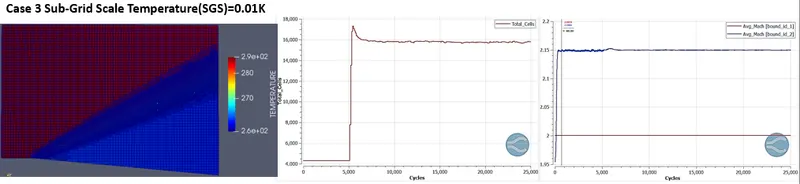
Inference: It is envisaged from the graph that as the sub grid scale on cell count for temperatue is decreased from 0.05 to 0.03 to 0.01, the cell count increases proportionately as the Adaptive mesh refinement get activated. The formation of finer cells at the location where shock is produced denotes Adaptive mesh refinement. There is proportinate effect in the mesh as the Adaptive mesh refinement algorithm is activated for different sub grid scale temeprature. The computation time also incrases with decrease in sub grid scale due to high cell count rise.
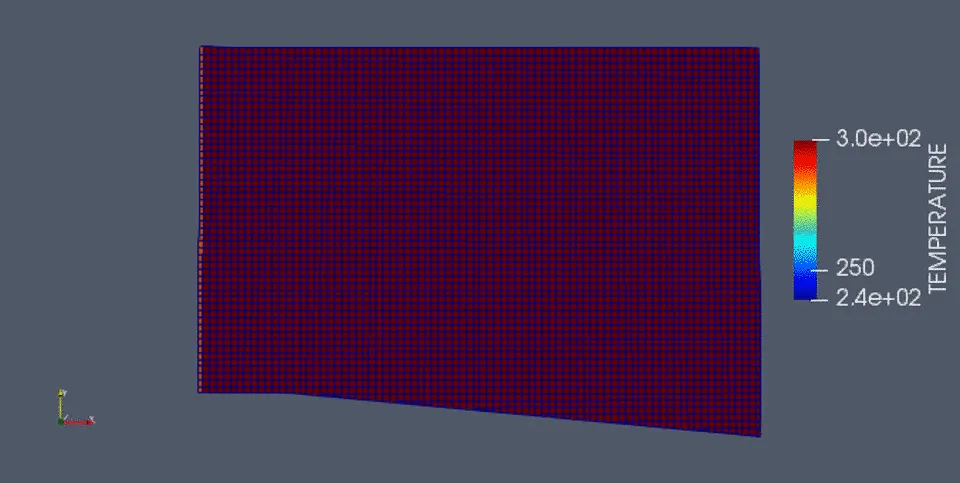
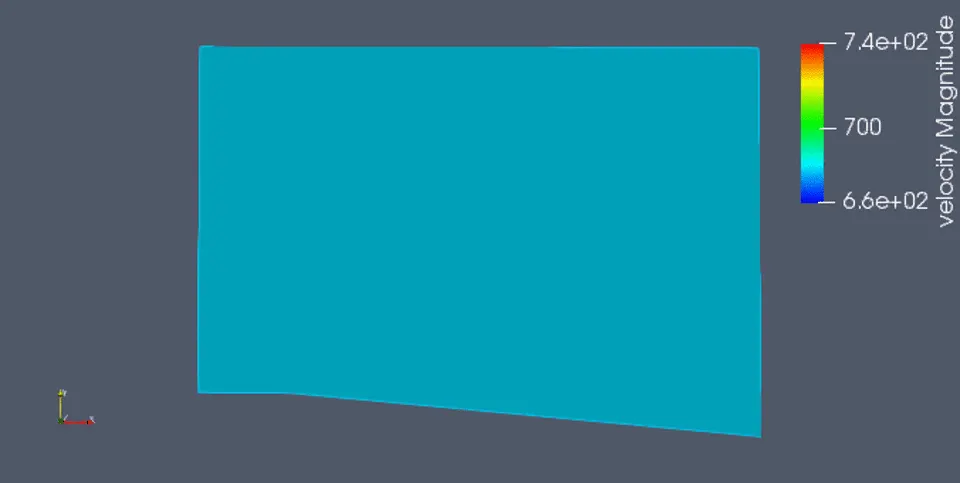
Youtube animation link:
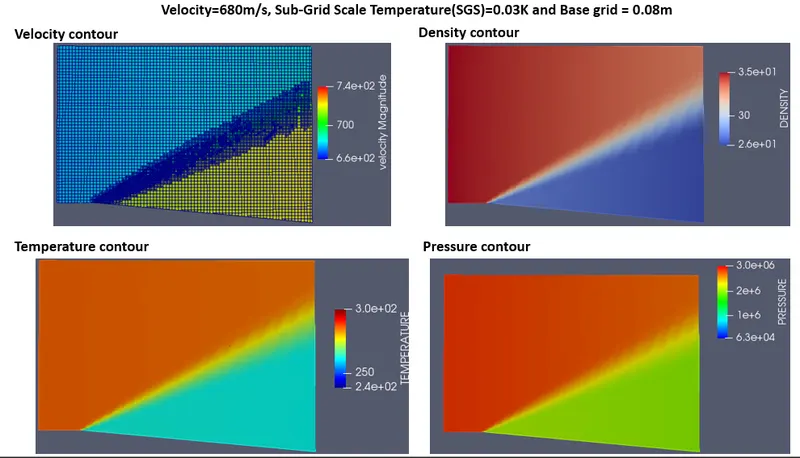
Youtube animation link: https://youtu.be/E2Hgjrbc6p4
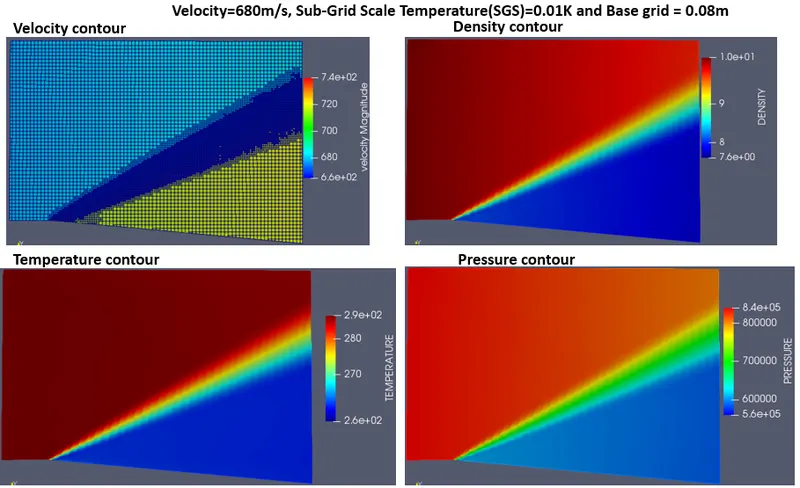
Youtube animation link: https://youtu.be/CWn3oXfWbSk
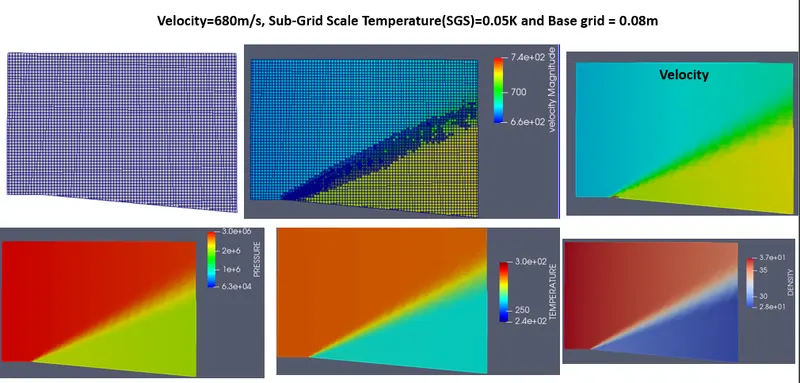
Inference: It is envisaged from the image that due to Prandtly Meyer Shock flow, the flow undergoes abrupt change at the area where flow is reduced and properties such as densit, presssure and tempereture reduces. The Leading edge s is praportional to the inlet Mach Number and the trailing edge of the shock depends on the out flow Mach Number
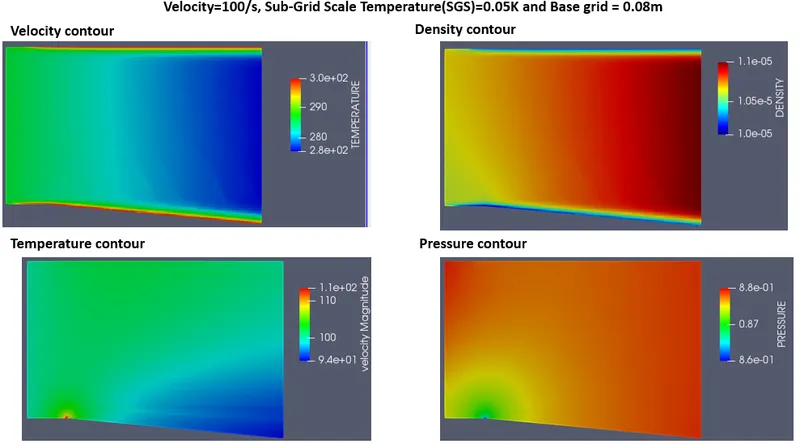
Inference: Since the flow is subsonic in this case i.e. velocity=100m/s,no expansion at the sharp corner is observed. But the point where the shock wave starts is explicit.
Youtube animation link: https://youtu.be/LUmSBO9JCQw
CONCLUSION: The study of Prandtl Meyer Shock flow using Converge CFD and Paraview was simulated successfully.