Week 5
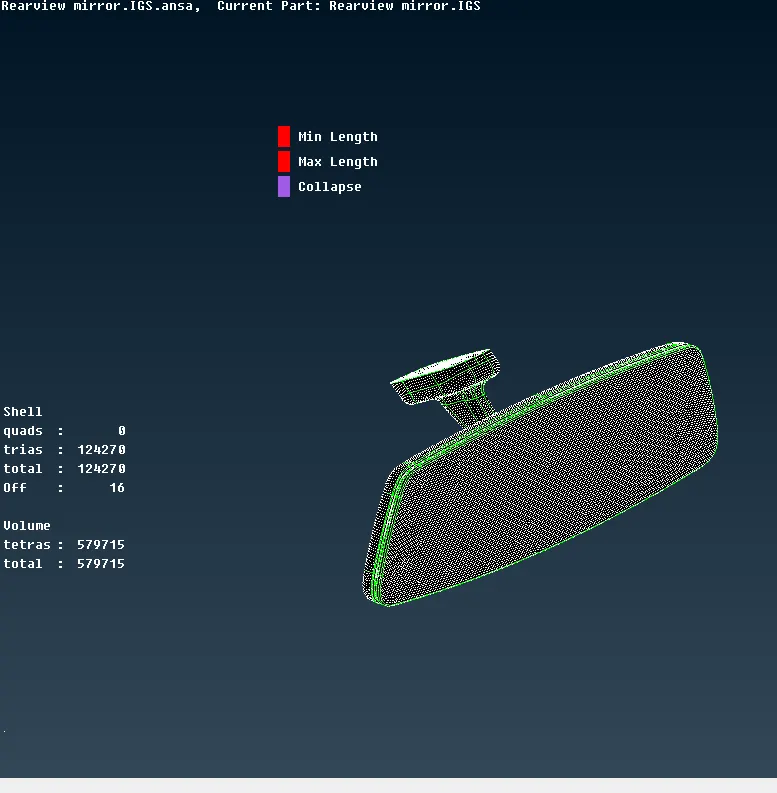
AIM: To create Volume mesh for the given rear view mirror solid model using tetra mesh criteria.
Quality Criteria:
|
S.No |
Quality Criteria |
Value |
|
1 |
Target/Average length |
1 |
|
2 |
Minimum Length |
0.5 |
|
3 |
Maximum Length |
2 |
|
4 |
Tetcolapse |
0.2 |
Procedure:
- We perform a topo for the given model.
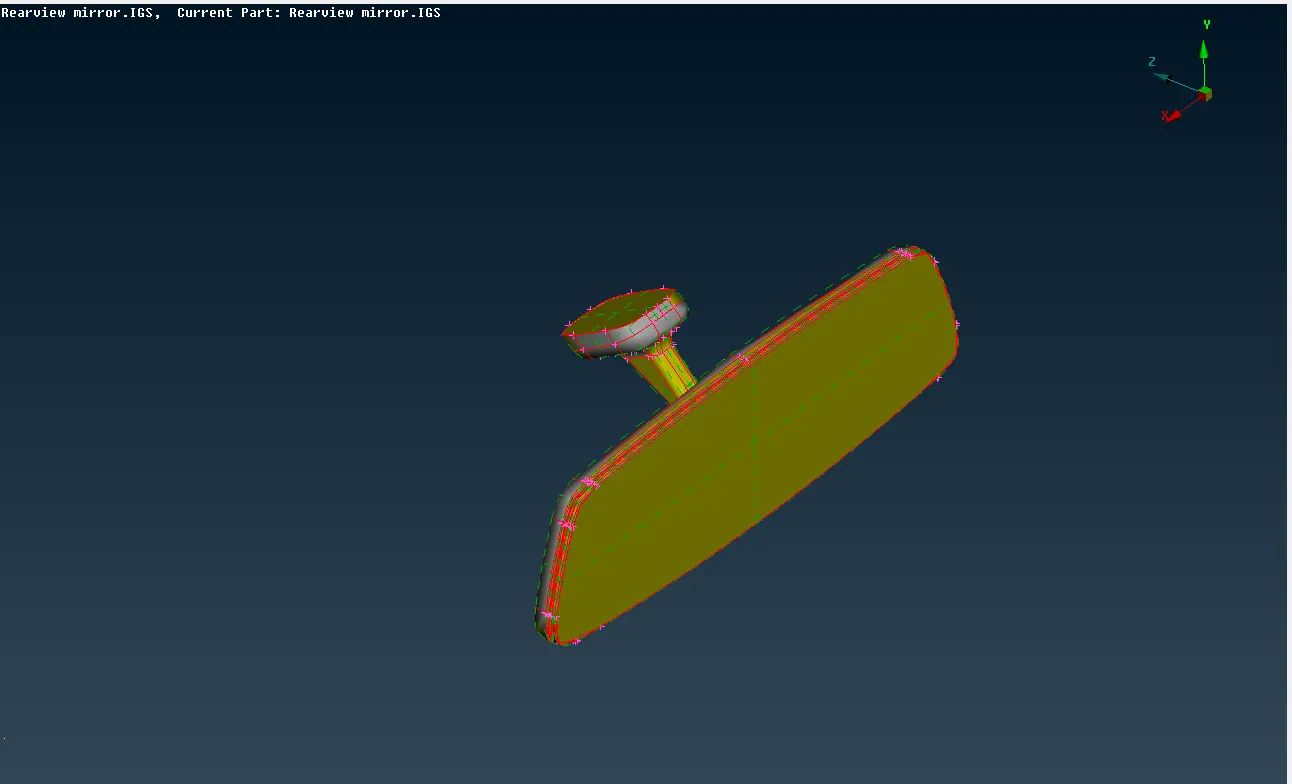
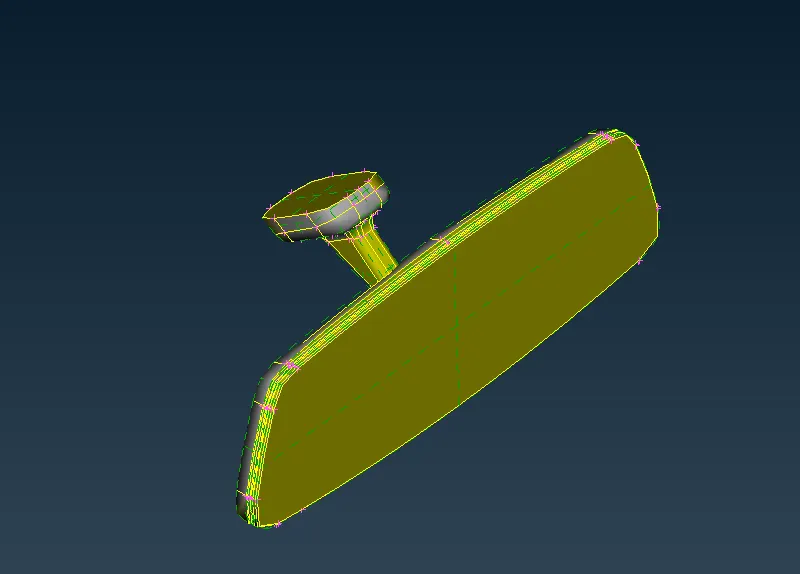
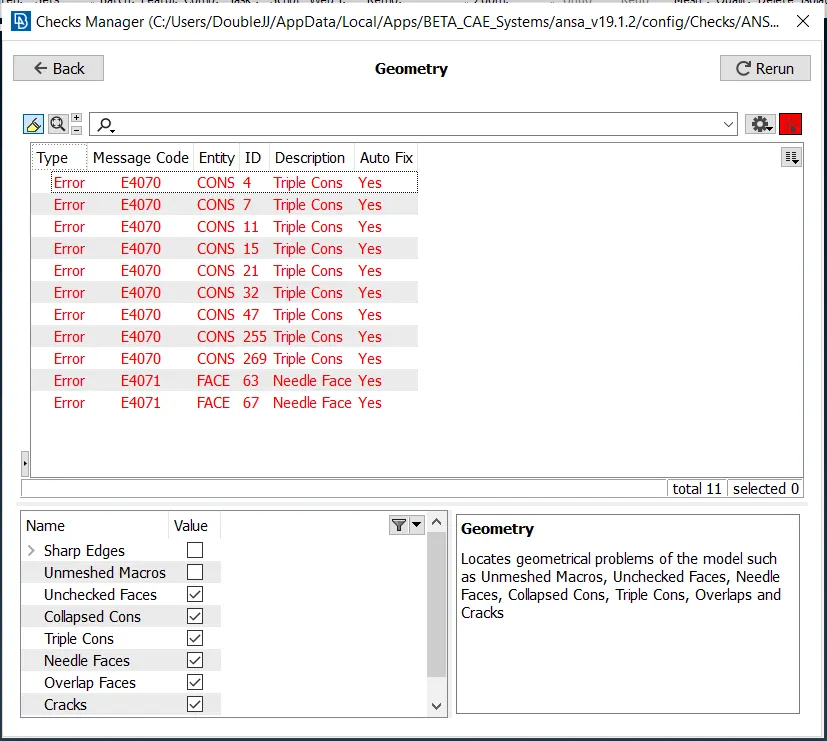
- We check for any geometry errors and correct the errors with the use of Auto Fix.
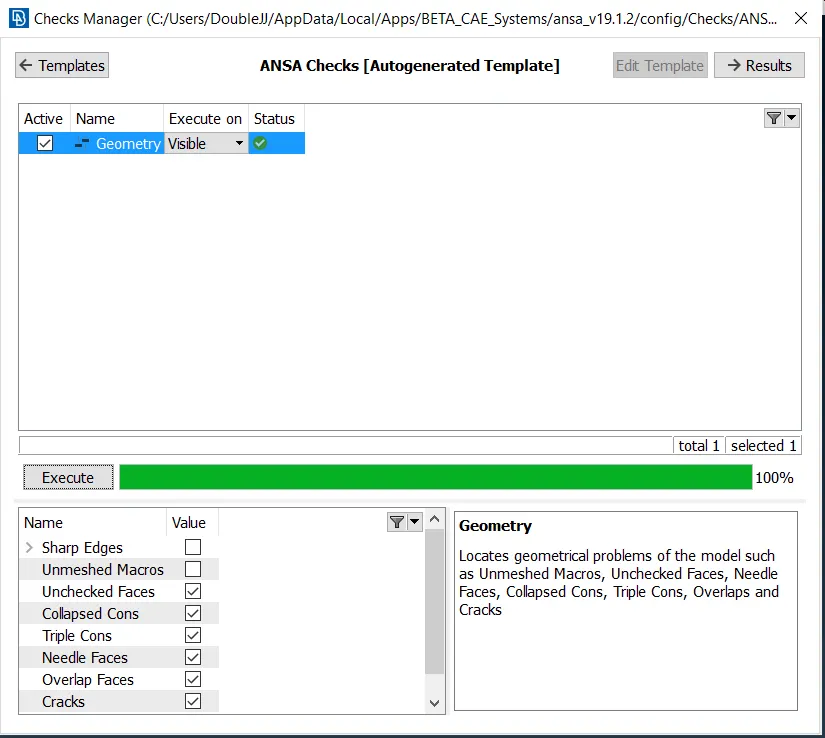
- We provide the quality criteria for the model before meshing.
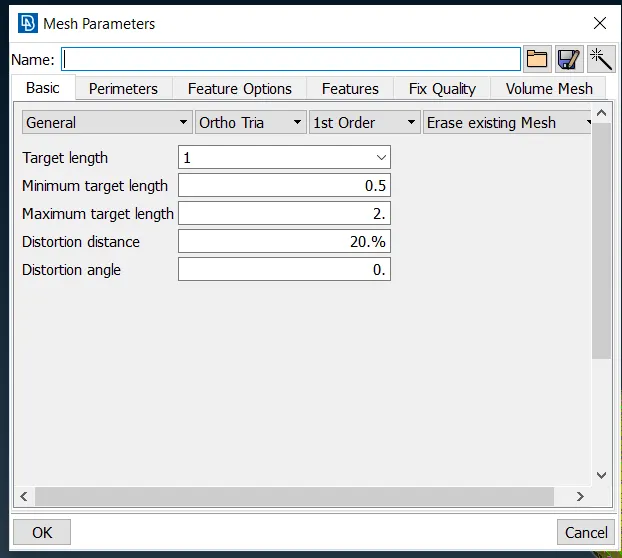
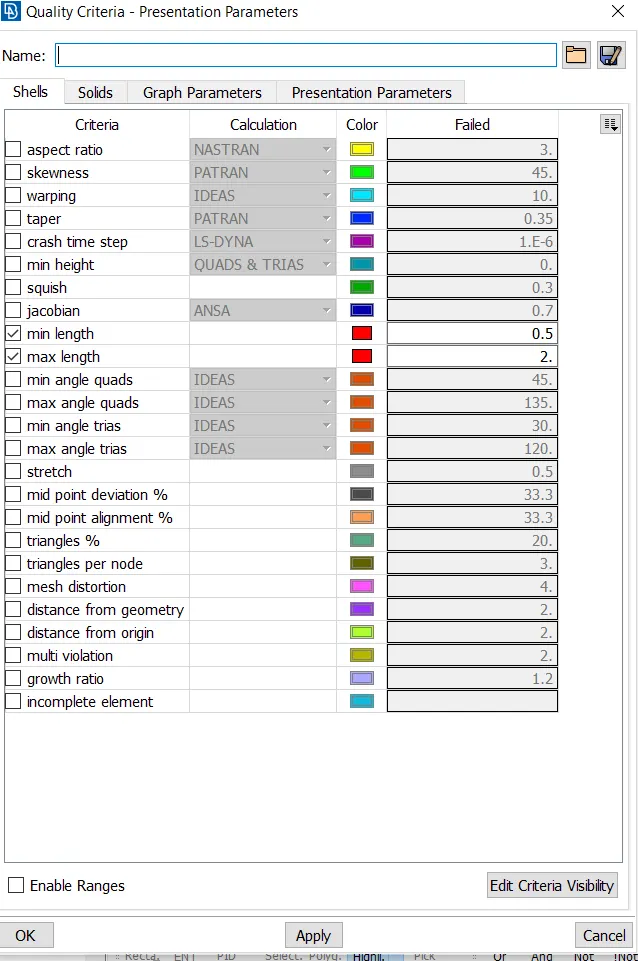
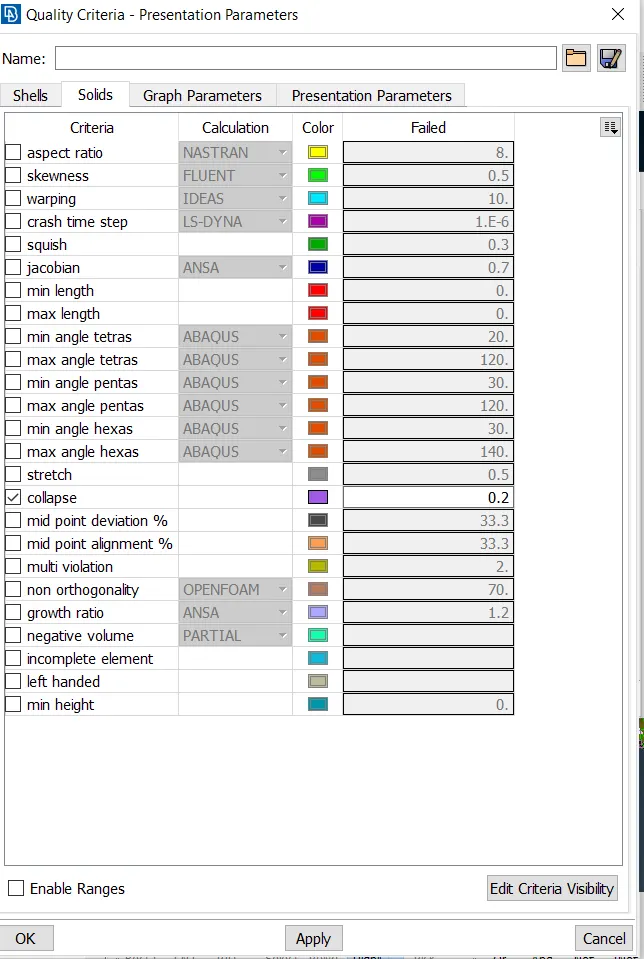
- We will individually select the PID’s for meshing.
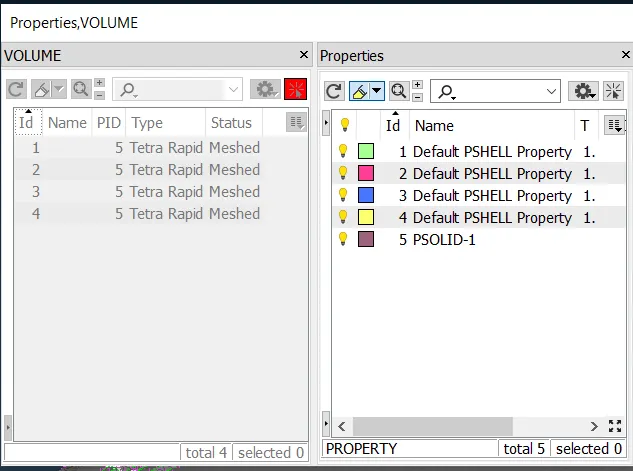
- We do a spot mesh with Ortho Tria’s for tetra elements for all round corners for each of the individual PID’s. This is a part of surface meshing.
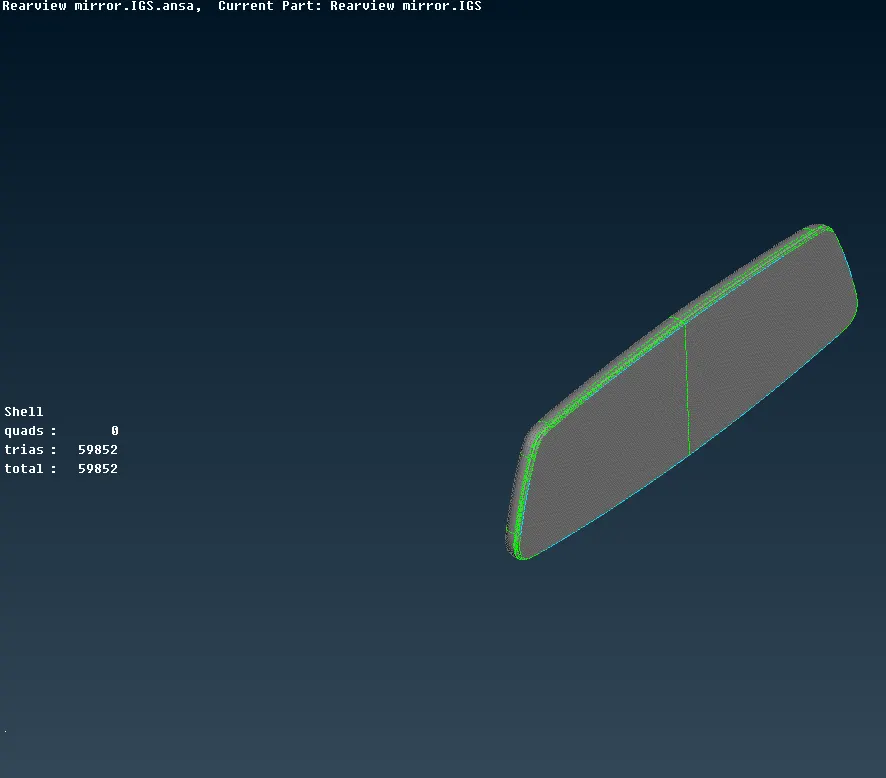
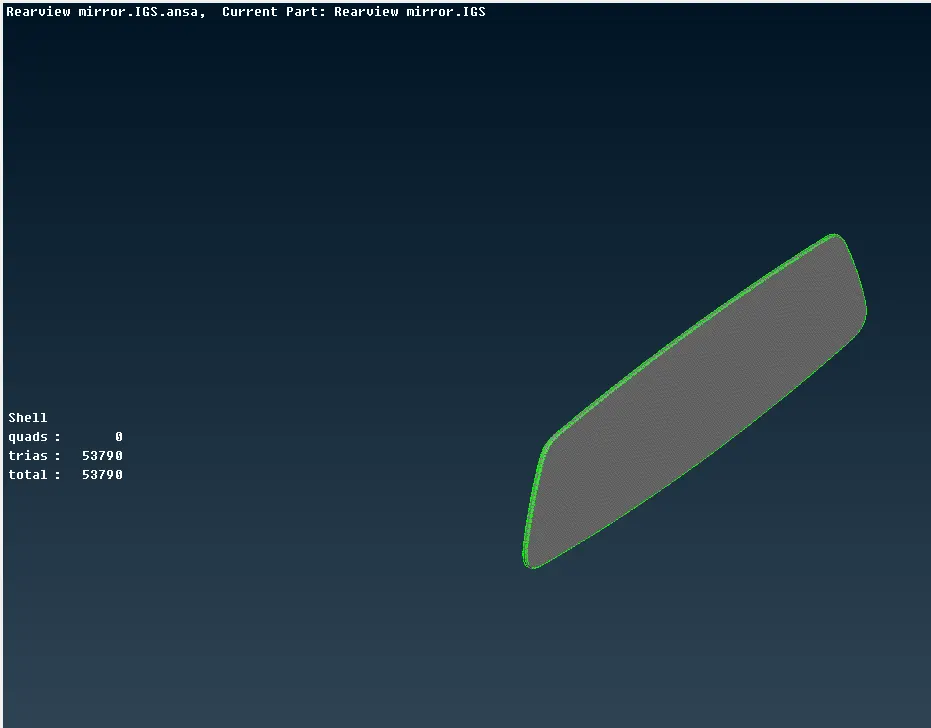
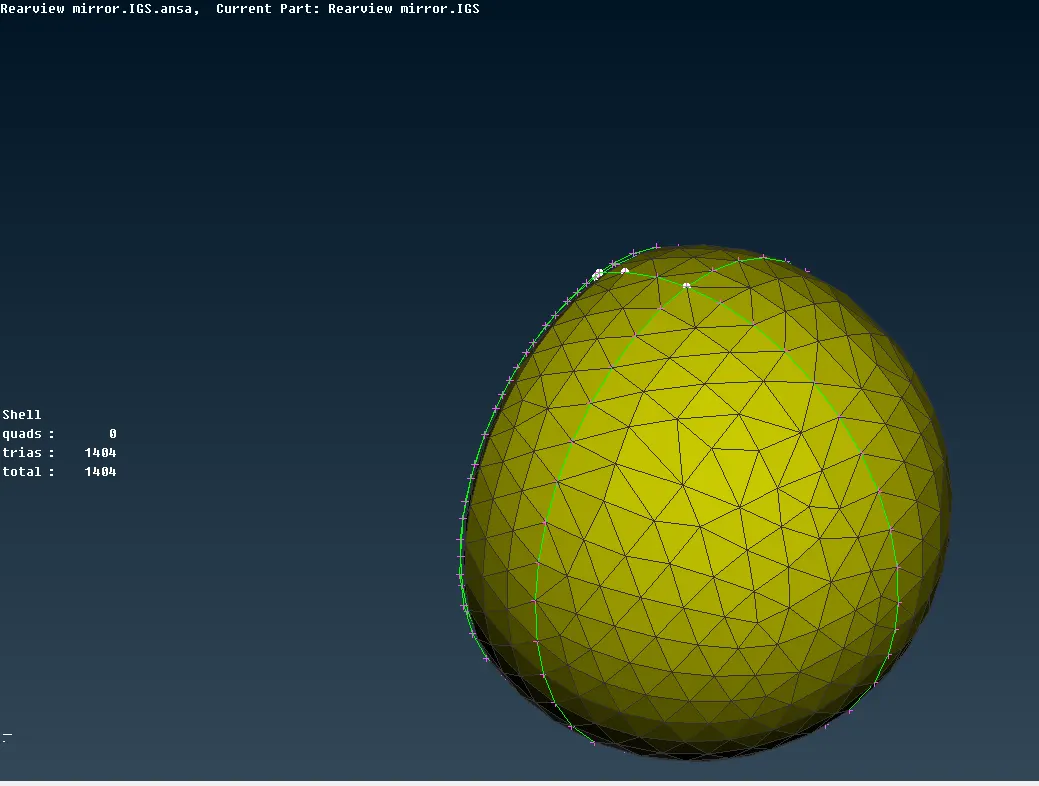
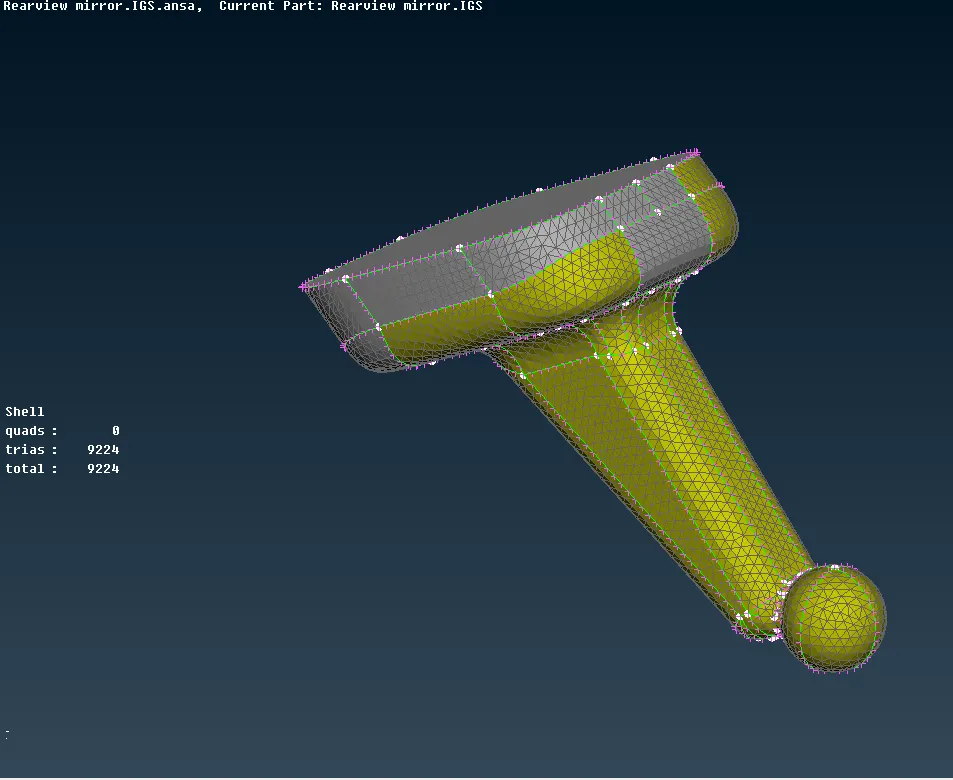
- We do spot mesh with normal Tria’s for flat surfaces on the each individual PID’s. This is a part of surface meshing.
- Now procced further to create Volume mesh. First, we define the solid manually for each PID’s individually.
- We now define the meshing option for tetra rapid for every instance.
Learning Outcome:
- Surface meshing is done for bodies with more than 5mm thickness. The surface mesh is a representation of a surface that consists of vertices, edges and faces.
- We then fill the same with Tetrahedral or Hexahedral elements
- These Tetrahedral are called unstructured meshing. This can be achieved by Terta rapid in ANSA.
- These Hexahedral are called structured meshing. This can be achieved by Terta FEM in ANSA.
Conclusion:
- Surface meshing is cleaner and simpler as compared to Shell meshing.
- Volume meshing gives us an insight on the entire body would react upon different forces applied.