Week-4 Challenge WOT Condition Part-2
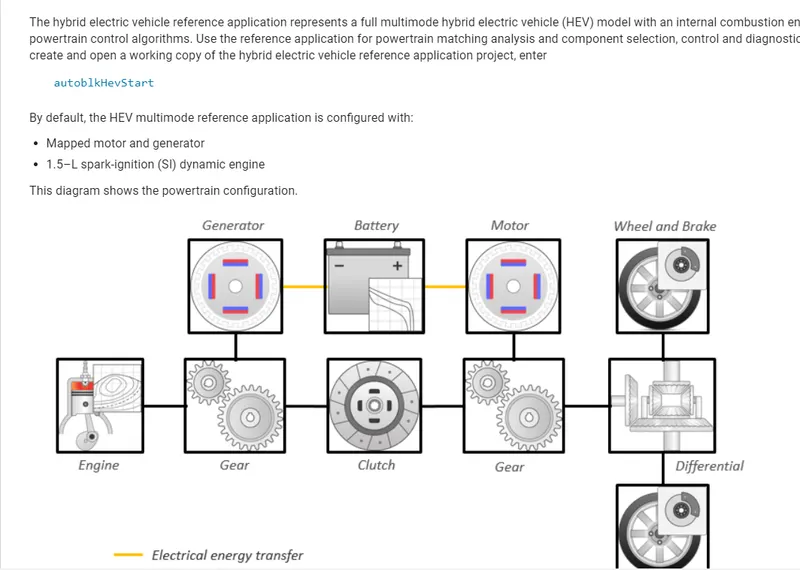
QUESTION:-MAPPED MODEL :-Mapped model enginge is the outcome sourse of data and if the model is static fo than using the any sourse uses the out than called the mapped model engine. this part is the one sourse is decaying of energy and starting the charge is one path .eg charging ,network
DYNAMIC MODEL ENGINE:-Dynamic model is the one sourse internal and when the dynamic the vehicale the only used the only dependent of the motor on the generetor than its called the dynamic model engine for the eg. generator , electronic device,
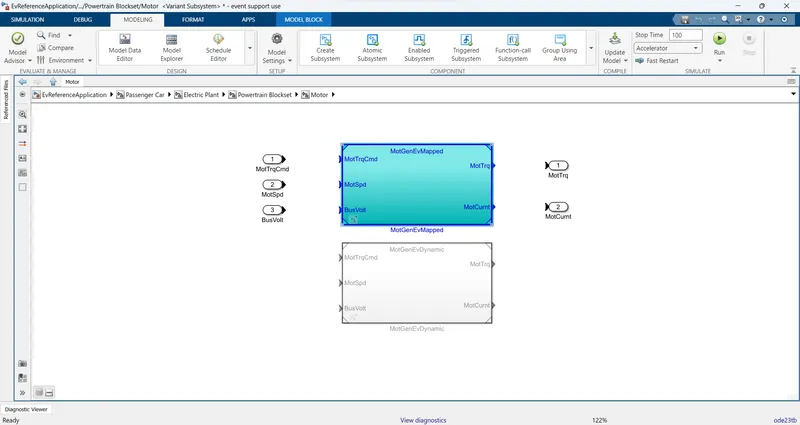
when the motor model changed than used this methed using:-

dyanic model
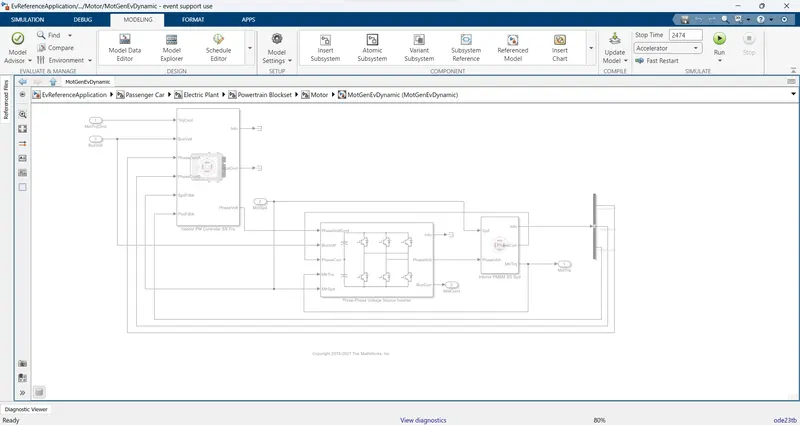
mapped model of motor and generator.
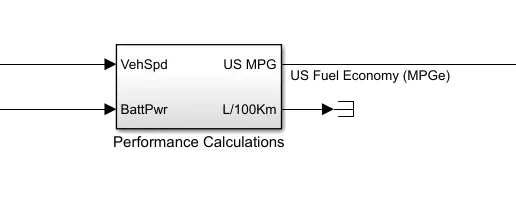
Question;-using this figure through the change the miles per gallon:-
Simulink block to calculate miles per gallon.
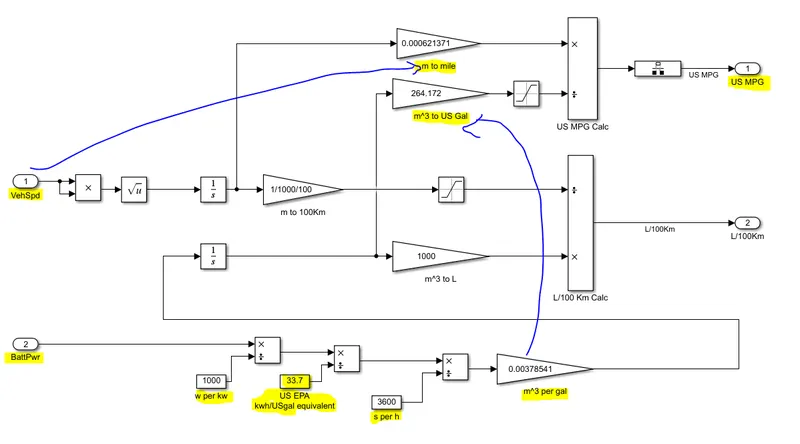
- vehicle speed data is used to calculate the distance traveled in meters which is then converted to miles
- Battery power data is used to find power used in kWh which is then converted to gasoline-equivalent using US EPA value by dividing with 33.7
- note: As per the US environmental protection agency(EPA) 1 gallon of gasoline is equal to 33.7 kWh
- Dividing distance traveled in miles by the number of gallons, we can get miles per gallon.
- For HEV this gallon(gasoline-equivalent of battery power) is added with gallon used by IC engine then miles per gallon is calculated.
FACTORS EFFECT THE FUEL FLOW:-
- SPEED OF ICE ENGINE
- TORQUE OF SPEED VEHICALE
3.Run the HEV ReferenceApplication with WOT drive cycle. Change the grade and wind velocity in the environment block. Comment on the results.
WHEN THE NORMAL MODE OF USING THE HEV REFERENCE APPLICATION:-
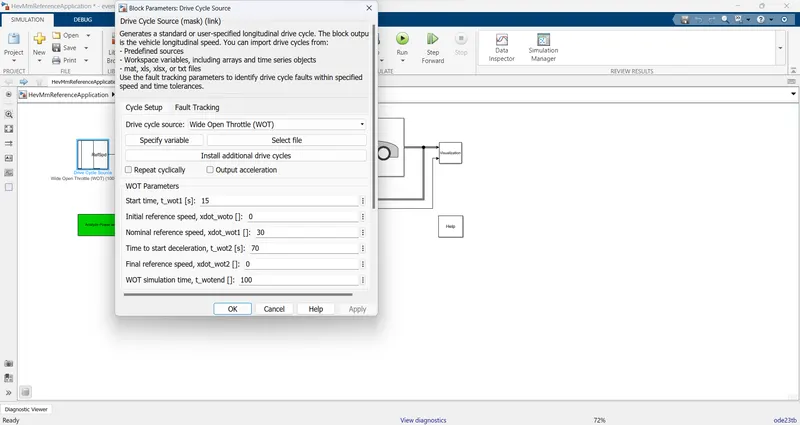
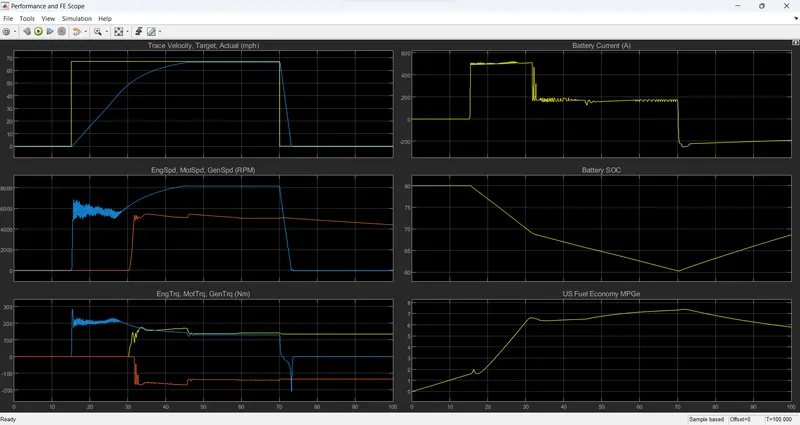
when the grade is 10 and wind velocity is 3
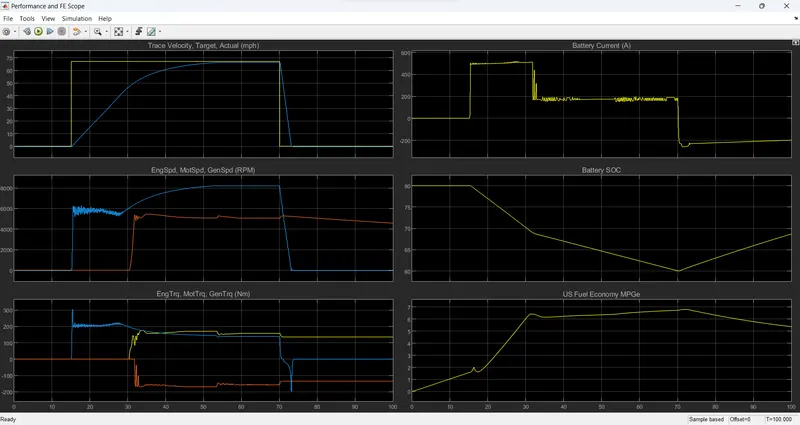
when the grade and wind velocity is 10
 when the grad and velocity is equal to 0
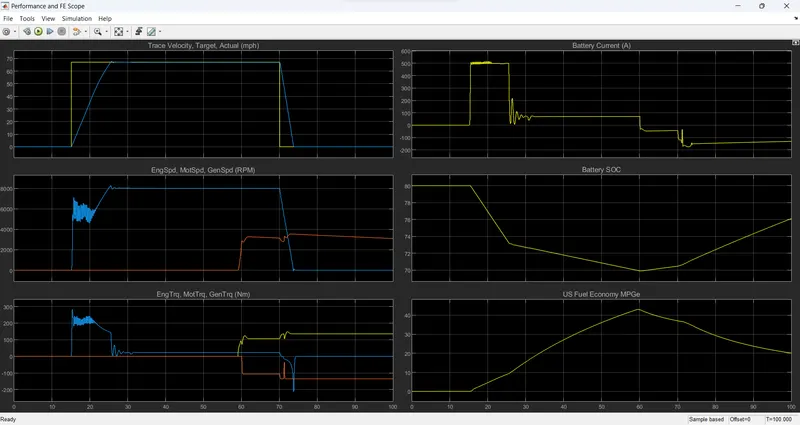
RESULTS:
with the increase in grade and wind velocity,
- peak velocity achieved is reduced as gradient force and aerodynamic force becomes dominant.
- fuel economy is also reduced because the distance traveled is reduced due to external forces.
- deceleration time is reduced so batter recharging capacity is also reduced.
- Battery SOC at the end of WOT acceleration is similar but during deceleration battery is charged more is the grade and wind velocity is less.
QUESTION:4-HEV same as prameter in this question and find out the diiference in the waveforme
when the grade is 10 and wind velocity is 3
when the grade and wind velocity is 10
when the grad and velocity is equal to 0
PURE ELECTRIC VEHICALE:-
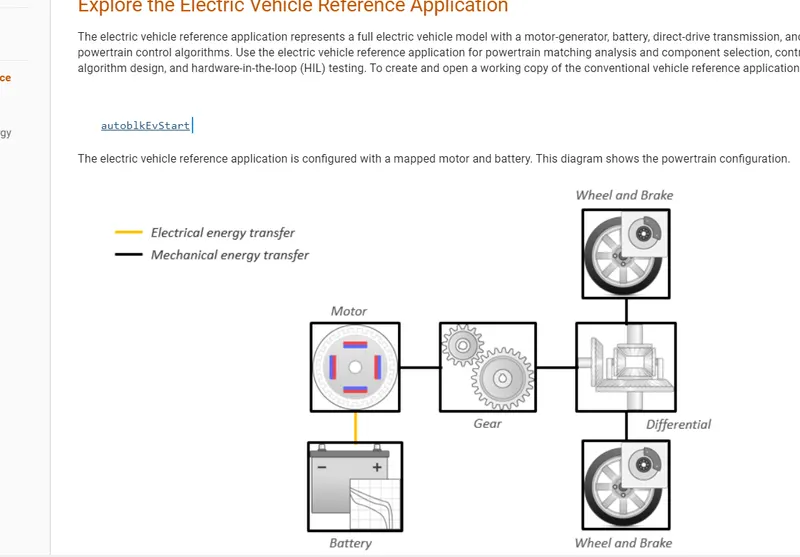
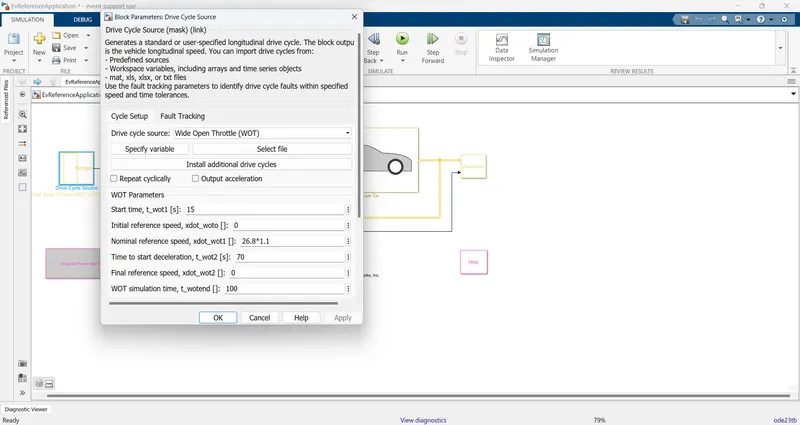 when the grade and wind velocity is 0.
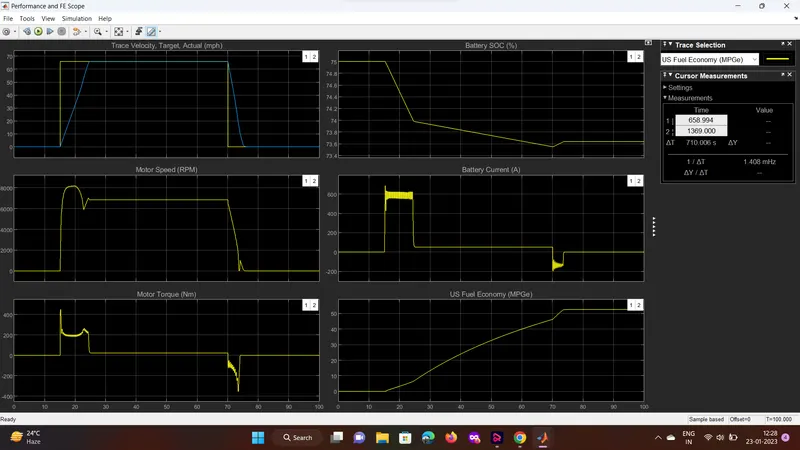
when the grade is 10 and wind velocity is 3 and time duration in 100sec
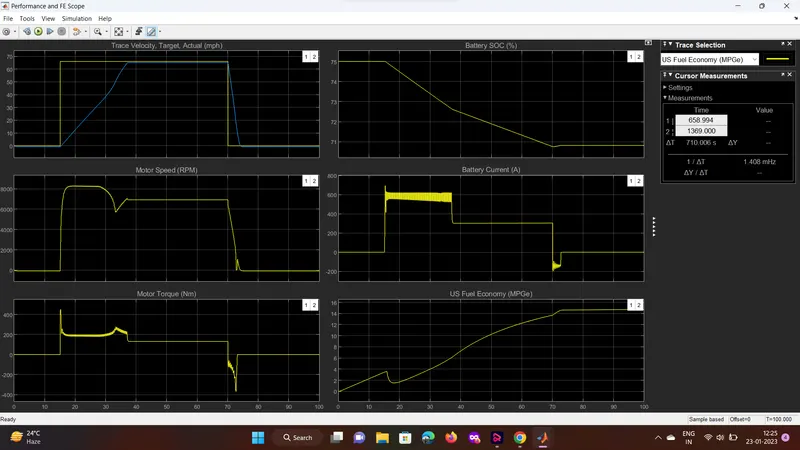
when the wind and grade is 10.
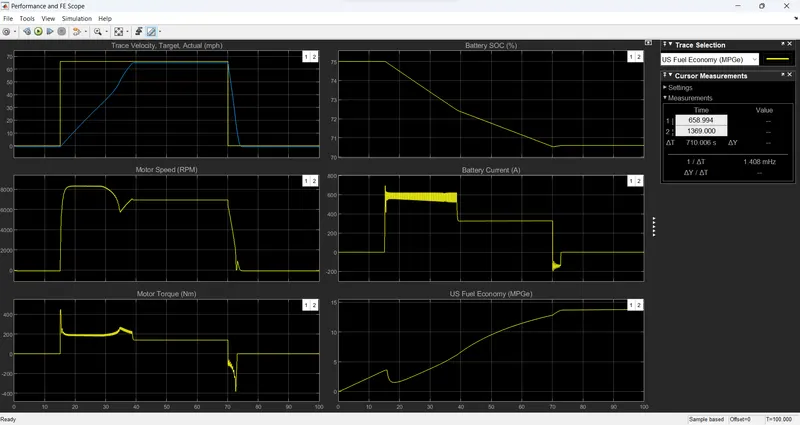
same parameter is used but waveforme is diffirent get by throuth the hev and pure ev
DIFFIRENCE BETEEWN THE HEV AND THE PURE ELECTRIC VEHICAL :-
HEV :-
- IN USING THE MODEL OF ICE AND MOTOR ARE BOTH WORKING
- BATTERY CHARGING SOURSE IS THE GENERETOR AND CHARGING STATION AND THE OTHER PLATFORM
- HEGHLY LOADED OF VEHICALE
PURE ELECTRIC VIHCALE
- IN MODEL USING THE ONLY MOTOR
- BATTERY CHARGING SOURSE IS BOTH AND THE CHARING THE STATION AND GENERATOR
- LOW LOADED OF VEHICAL.
Conclusion:
- Better fuel economy is observed in case of EV for obvious reasons (It is fully working on Electric propulsion, whereas Hybris electric vehicle has fuel propulsion as well).
- Battery SOC decreased more for HEV case because of more weight of the vehicle (considering both HEV and EV working in electric propulsion domain).
- More top speed and less acceleration time is observed in HEV.