Week-4 Challenge WOT Condition Part-2
AIM:-
1).What is the difference between mapped and dynamic model of engine, motor and generator? How can you change model type?
Difference between mapped and Dynamic Model of Engine
Mapped Model of Engine
- The drawback is more data has to becollectedand we need to make some assumptions.
- The effect on the engine can be simulate with the array of data interpreted in thesystem.
- Specifications for torque,current,etc and other parameters to be entered for simulation Mapped Model usses a set of Steady state Look up table for simulation and it's operation.
- we have to specify electrical torque range with a torque-speed envelope or maximum motor power and torque.
- If the lookup table is present then the simulation becomes easier and it gives results based on the data interpreted. This is also called Global BasedModel
- Output torque tracks a torque reference demand and includes a motor and drive response time constant. Also have to Specify electrical losses as a single operating point that estimates loss across the operating range, measured loss, or measured efficiency.
- he motor specifications such as RPM,Voltage,Power, efficiency,tempertaure,etc are to be entered for simulation.
Dynamic Model of Engine
- It operates dynamically depending on the situation of operation detailed data and specifications are not required and the simulation gives the detailed analysis of the components simulated. This is called Real time Based Model.
- Dynamic models are used when the internal response to a model with respect to its components is needed.
- The engine perfomance will be simulated based on the original specifications of that engine and the results are real time.
- Dynamic model decomposes the engine behaviour into engine characteristics that are seperated into lower level blocks. Combining these blocks together to form a dynamic model.
- All the details and specifications would be considered as per the actual and dynamic state of the same would be obtained then.
change the Model type in EV Powertain Blocks.
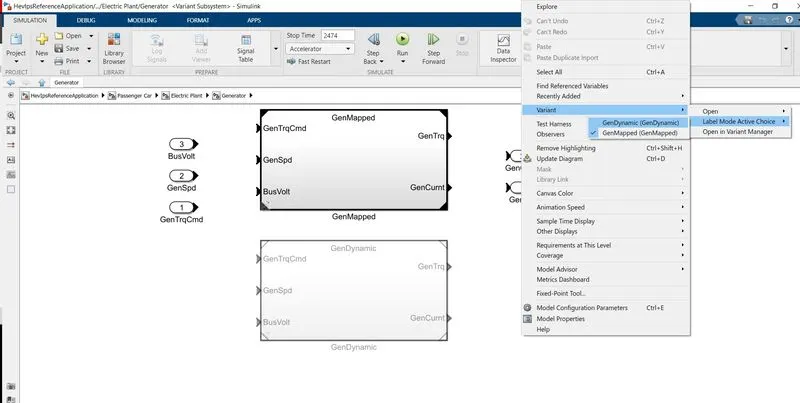
Right click and select following options to change the model
VariantLabel -> Mode Active Choice ->GenDynamic(GeDynamic)
2).How does the model calculate miles per gallon? Which factors are considered to model fuel flow?
ANSWER:-
Factors affecting efficiency in the fuel are below list-
- Battery power
- vehcle speed
- fuel flow
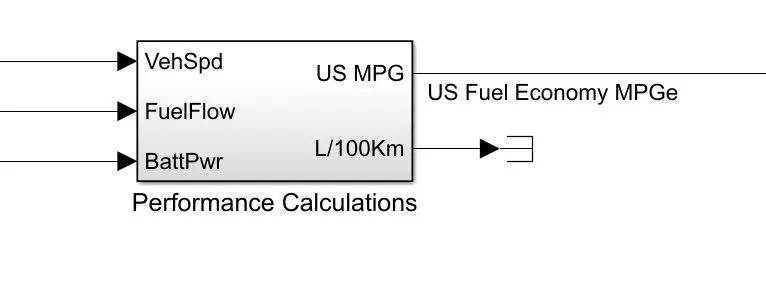
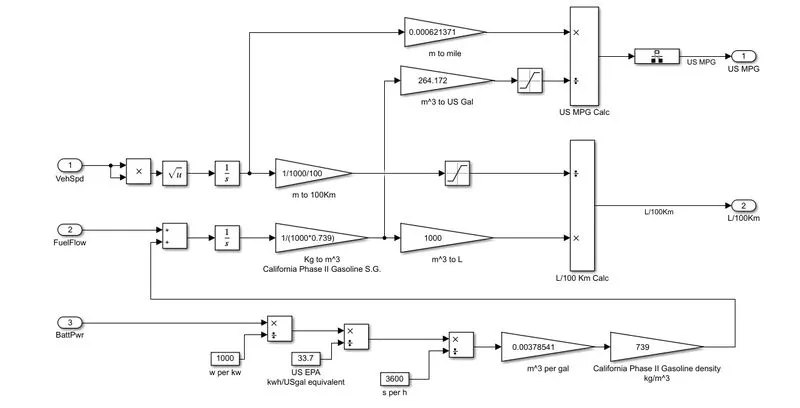
- vehicle speed data is used to calculate the distance traveled in meters which is then converted to miles
- Battery power data is used to find power used in kWh which is then converted to gasoline-equivalent using US EPA value by dividing with 33.7
- note: As per the US environmental protection agency(EPA) 1 gallon of gasoline is equal to 33.7 kWh
3).Run the HEV ReferenceApplication with WOT drive cycle. Change the grade and wind velocity in the environment block. Comment on the results.
ANSWER:-
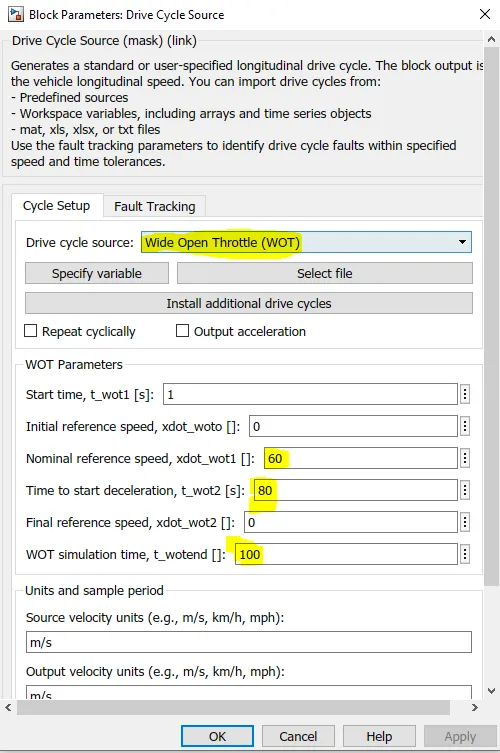
Grad 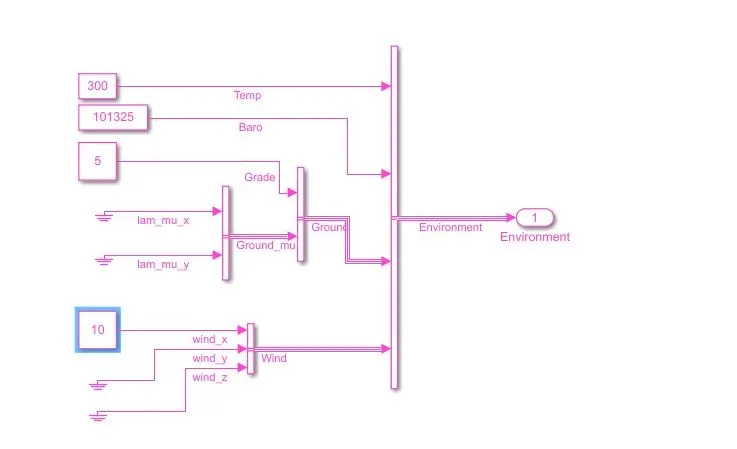
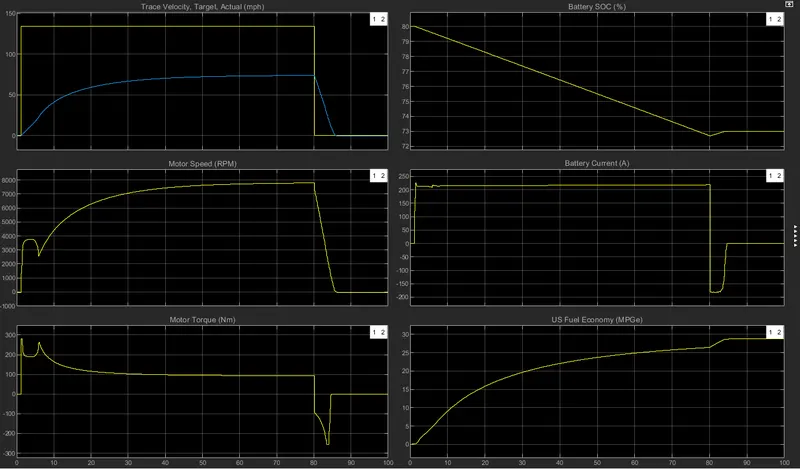
Grade 2 wind velocity 10m/s
Grade 15 wind velocity 15m/s
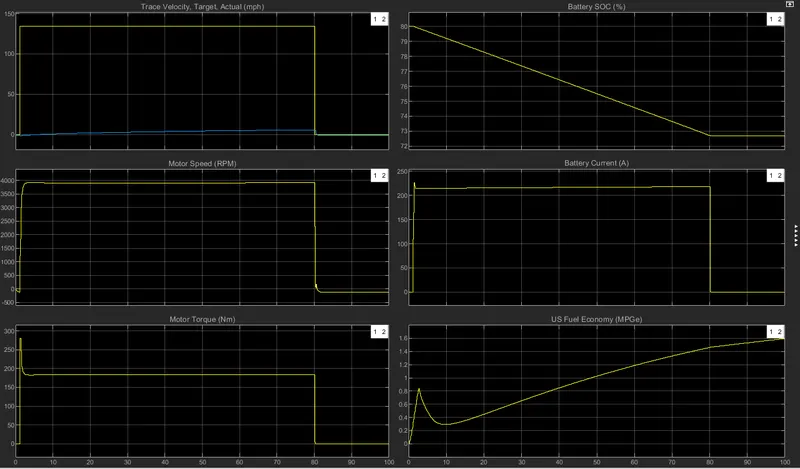
RESULTS:-
- peak velocity achieved is reduced as gradient force and aerodynamic force becomes dominant.
- fuel economy is also reduced because the distance traveled is reduced due to external forces.
- deceleration time is reduced so batter recharging capacity is also reduced.
- Battery SOC at the end of WOT acceleration is similar but during deceleration battery is charged more is the grade and wind velocity is less.
4).Keeping all other parameters same, compare the simulated results of hybrid and pure electric powertrains.
Answer:-
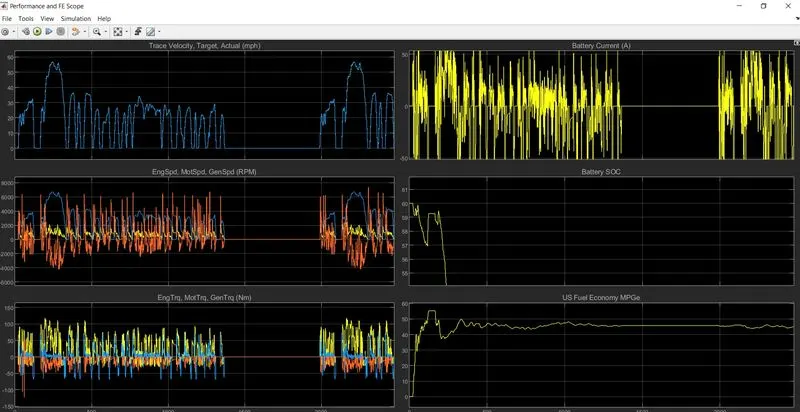
1.Hybrid Electric vehicle:-
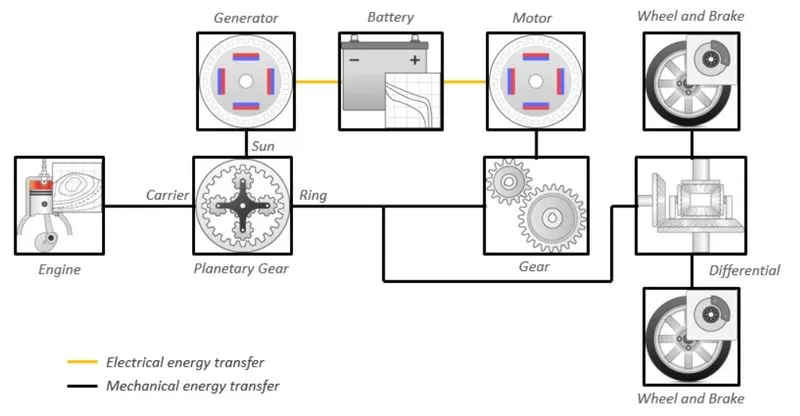
Pure Electic vehicle:-
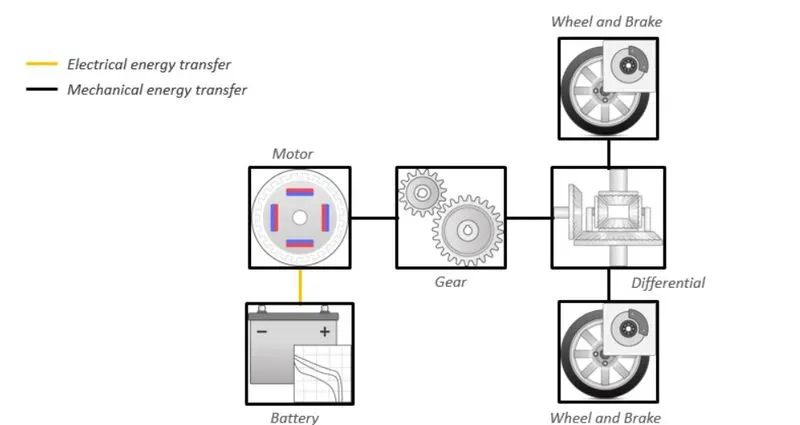
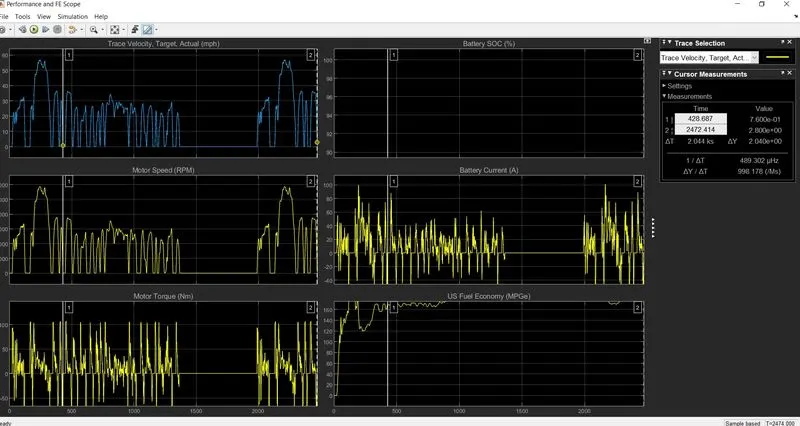
Conclusion:- Hybrid electri vehicle is high velocity in dependent of the load to the passenger car in which reduce fuel energy consuption and high speed in electric vehicle .Deceleration time is also low for HEV as it has many moving frictional parts fuel economy is more for an EV compared to HEV due to less no of moving parts and thus low frictional losses.