Week 3 Verification of Weld Joints
Verification of Weld Joints
Objective:
Simulate 3 different weld materials and compare the results to identify which weld material has the highest deformation.
Case 1: Stainless Steel: In this case, the material of the plates must also be the same. Use Stainless steel for both weldments and plates. No need to add flux to the weldments.
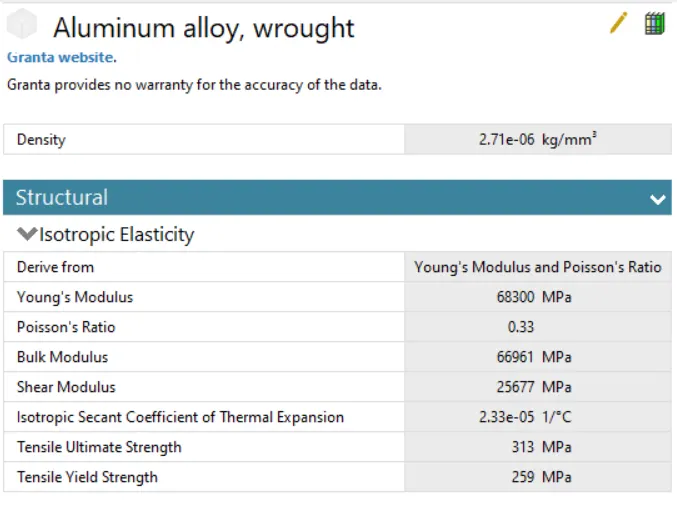
Case 2: Aluminium Alloy: The material to be chosen for this case is Aluminium alloy(high strength, wrought). [Plate material to be used is stainless steel]
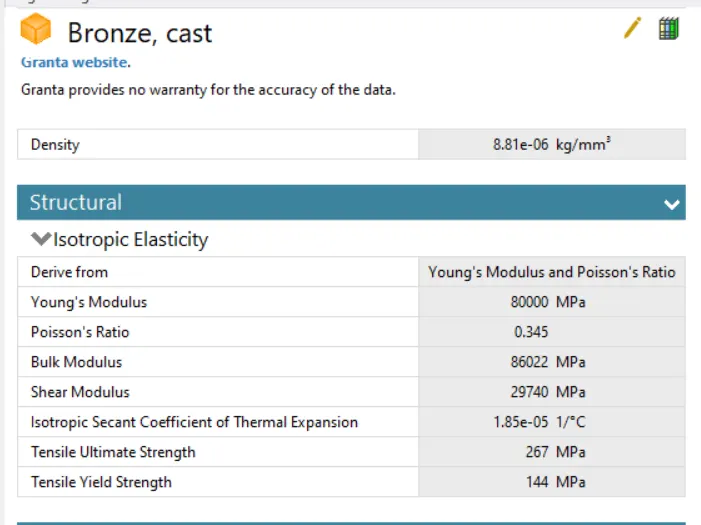
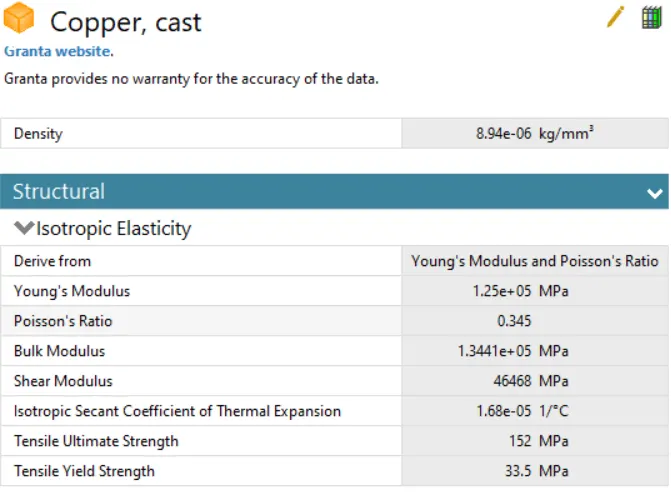
Case 3: Bronze: In order to simulate "Brazing", you should be using bronze as the weld material. Assign Stainless Steel to both plates and Copper to the "Ribs".
Briefing:
In the welding process, fusion is caused. Fusion is the generic fabrication term for joining together metals of similar compositions and melting points. A pool of molten material called the weld pool is formed due to the high melting points of the workpieces.
This pool cools to form a joint that’s stronger than the base metal, and pressure in the form of heat might be used to assist in weld production.
Welding also requires a form of shield to protect the filler metal from being contaminated or oxidized, which is the loss of electrons and causes iron oxide (better known as rust) to form on the metal.
In the brazing process, the filler metal flows into the joint between close-fitting parts by capillary action, which is the ability of a liquid to flow in narrow spaces without the assistance of or in opposition to external forces like gravity.
The filler metal is then brought slightly above its melting point while protected by a flux, a chemical cleaning and purifying agent. It then flows over the base metal (also known as wetting) and is subsequently cooled to join the workpieces together.
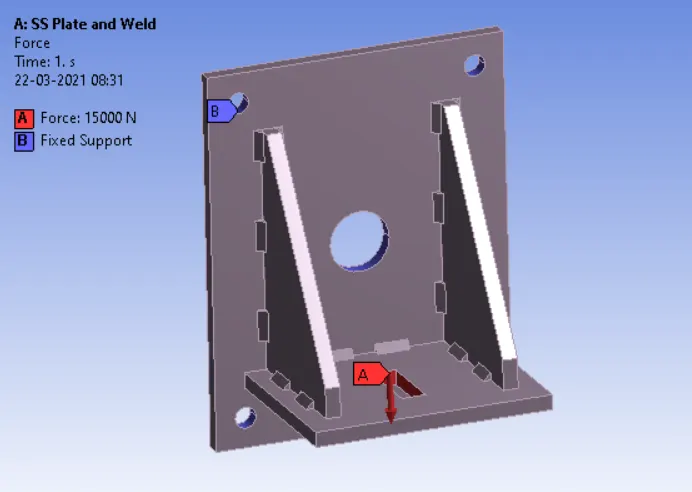
Two plated connected to each other using welds and ribs. The big plate is fixed (bolted to the wall) and a 15000 N vertical load is applied to the small plate.
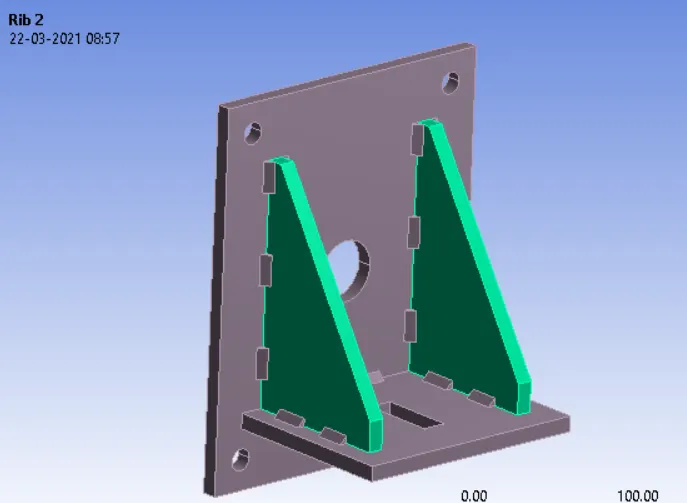
Procedure:
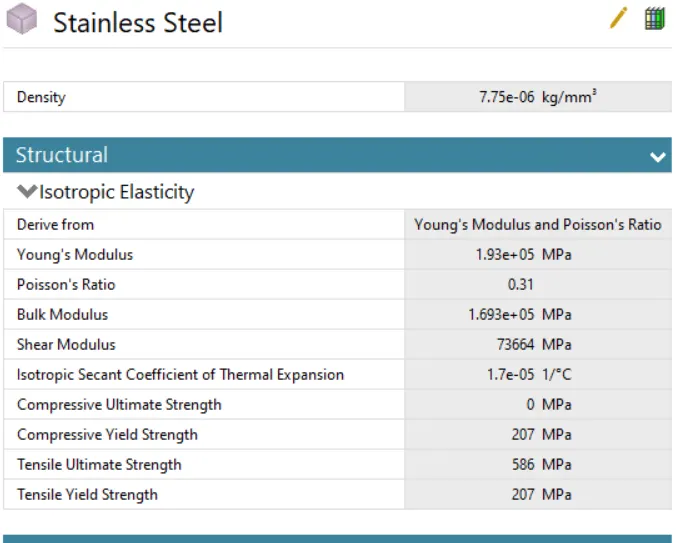
- A Static Structural module is selected for this simulation, for the first case, Stainless Steel is assigned to all the parts - plates, ribs and welds.
- Contacts - Two types of contacts are used for this simulation frictional and bonded
Bonded Contacts: Weldments are bonded to the ribs and plates.
- In a bonded contact, the two surfaces interact in such a way that they neither separate from each other nor slide over each other.
- In other words, the normal and tangential forces are very strong, and they tend to resist any forces that tend to cause relative motion between them.
- it is very helpful in approximating several situations such as welded joints, adhesive contacts, or even some bolted connections.
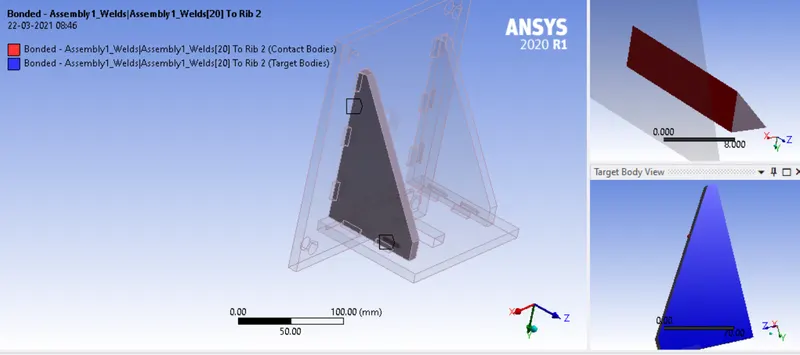
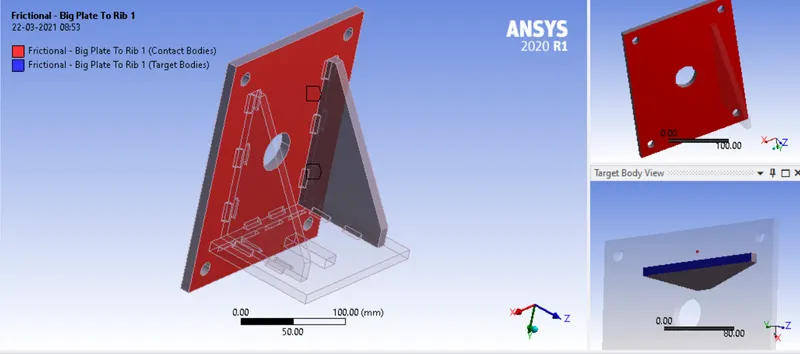
Frictional contacts: Plates and ribs are given frictional contacts
- In terms of contact forces, the force component Ft in the tangential direction is nothing but the frictional force.
- So, the normal force Fn tries to prevent penetration of bodies into each other and Ft tries to prevent the sliding of bodies over each other.
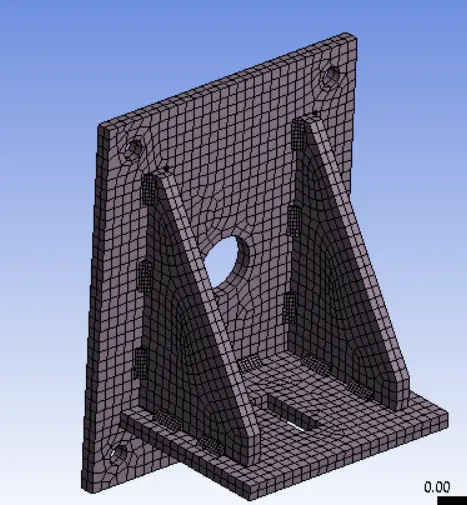
- Mesh - Body sizing of 7mm is applied to the plates and ribs, the mesh is generated.
- Boundary Conditions - Big Plate is fixed at the bolt hole locations and the smaller plate is given a vertical force load.
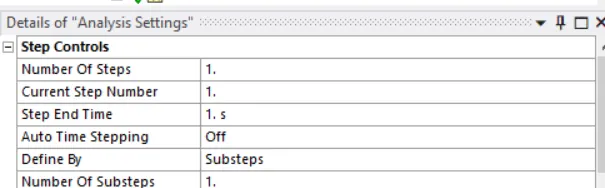
- Analysis Settings:
one load step is provided to simulate the situation of the model, the rest of the analysis settings are given as default.
Results and Case Study:
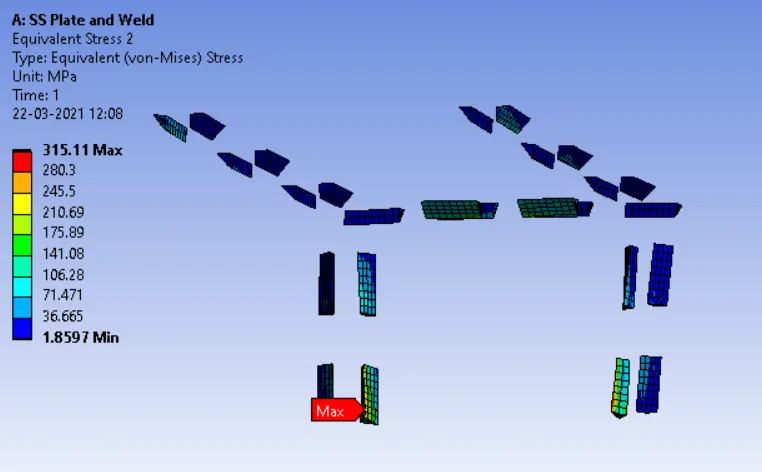
Case 1: Weldments are assigned Stainless Steel
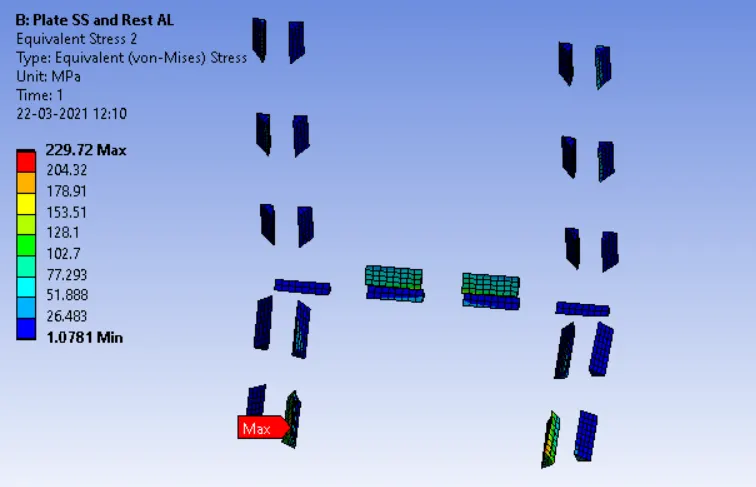
Case 2: Weldments are assigned Aluminium alloy(high strength, wrought)
Case 3: Weldments are assigned Bronze
| Cases / Parameters | Max Deformation in Y-Axis (mm) all parts | Equivalent strain all parts | Max Equivalent stress (Mpa) in Weldments | Yield Strength (MPa) |
| 1 - SS | 0.33541 | 0.0018562 | 315.11 | 207 |
| 2 - Al Alloy | 0.3592 | 0.0033708 | 229.72 | 259 |
| 3 - Bronze | 0.31207 | 0.0027709 | 221.31 | 33.5 |
Case 1 SS Weldment, which has the highest von misses stress:
Case 2 Aluminium alloy Weldment, which has the highest von misses stress:
Case 3 Bronze Weldment, which has the highest von misses stress:
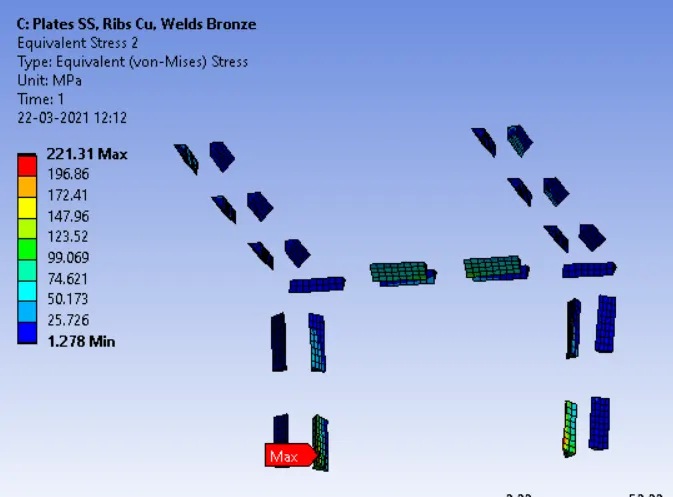
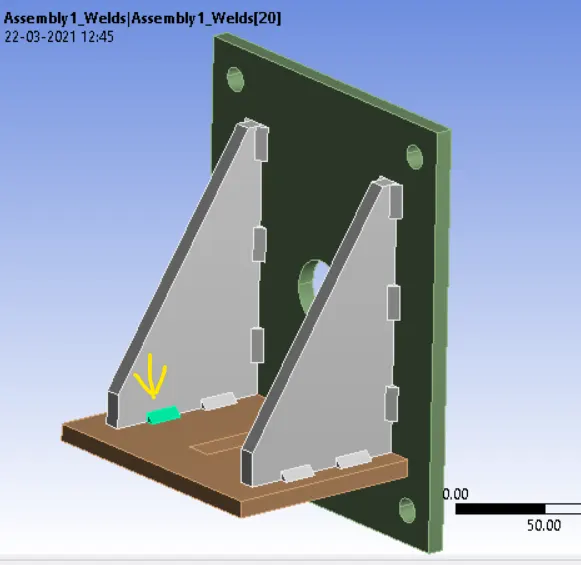
This weld joint is all the 3 case experiences the maximum stress developed.