Week 10 - Challenge 3 - Door Trim Lower with Engineering Features
DESIGN OF HEAT STAKES AND LOCATORS
INTRODUCTION:
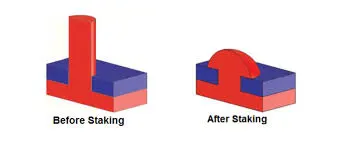
Heat Staking
· Heat staking also known as thermoplastic staking is the process of joining two dissimilar materials together.
· In heat staking we use local heating and cooling to raise the temperature of plastic components and allow plastic reforming to be carried out.
· This reforming can be used in a wide variety of applications.
Locators
It is used in design to ensure the precise alignment of components during assembly. They are essential for the proper functioning and aesthetics of the final product.
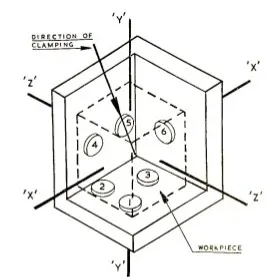
3-2-1 principle:
Ø The 3-2-1 principle is a design method for mounting a part in a fixture for machining. It's also known as the six-point method because it involves six fixed points. The 3-2-1 principle is used to constrain the movement of the workpiece along all three axes:
· First plane: Use the largest surface of the part as the first reference plane and position three support points as far apart as possible.
· Second plane: Position two pins on a plane perpendicular to the first plane.
· Third plane: Position one pin on a plane that's mutually perpendicular to the first and second planes.
Ø The 3-2-1 principle can be applied to workpieces of any shape. It's important to apply the principle flexibly according to the specific processing requirements.
Design guidelines for
Heat stakes:
· h=25mm
· Fillet radii=0.3mm
· Do=7mm
· Di=5mm
Locator:
· h=27mm
· T=1mm
· Fillet radii=0.3mm
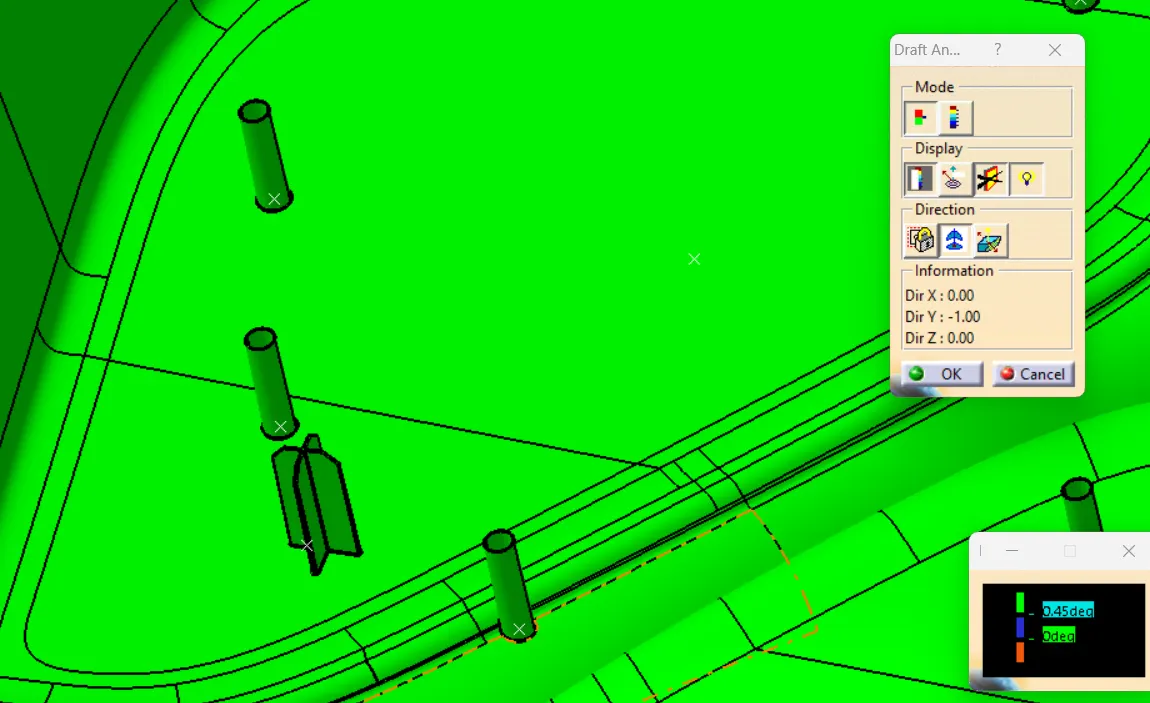
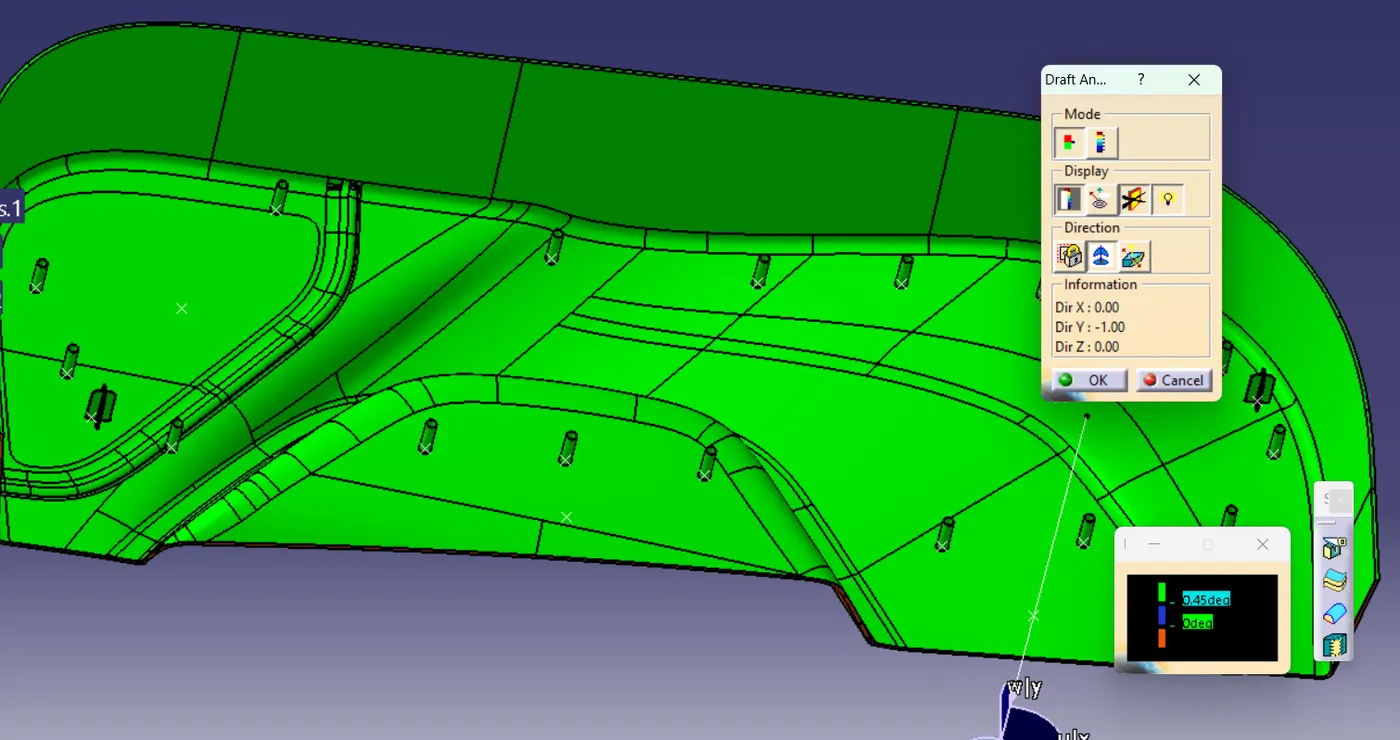
Draft angle for both is 0.5 degree
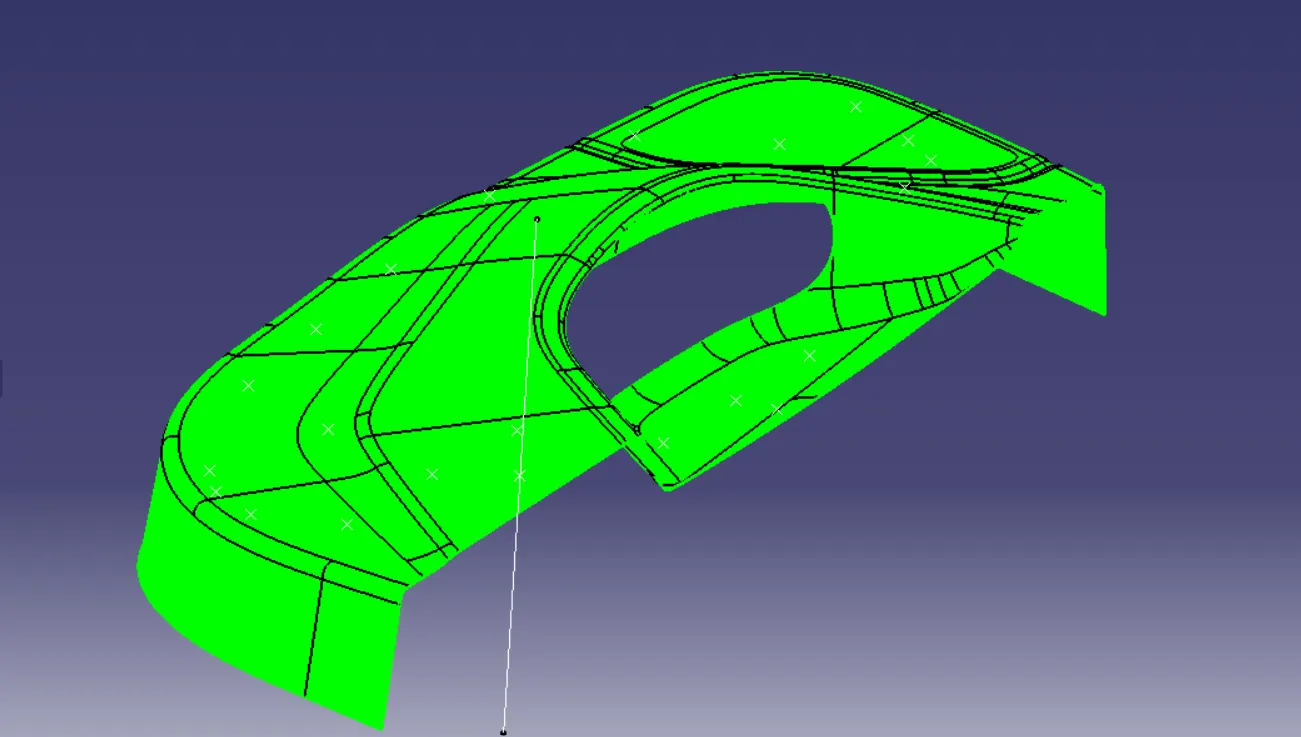
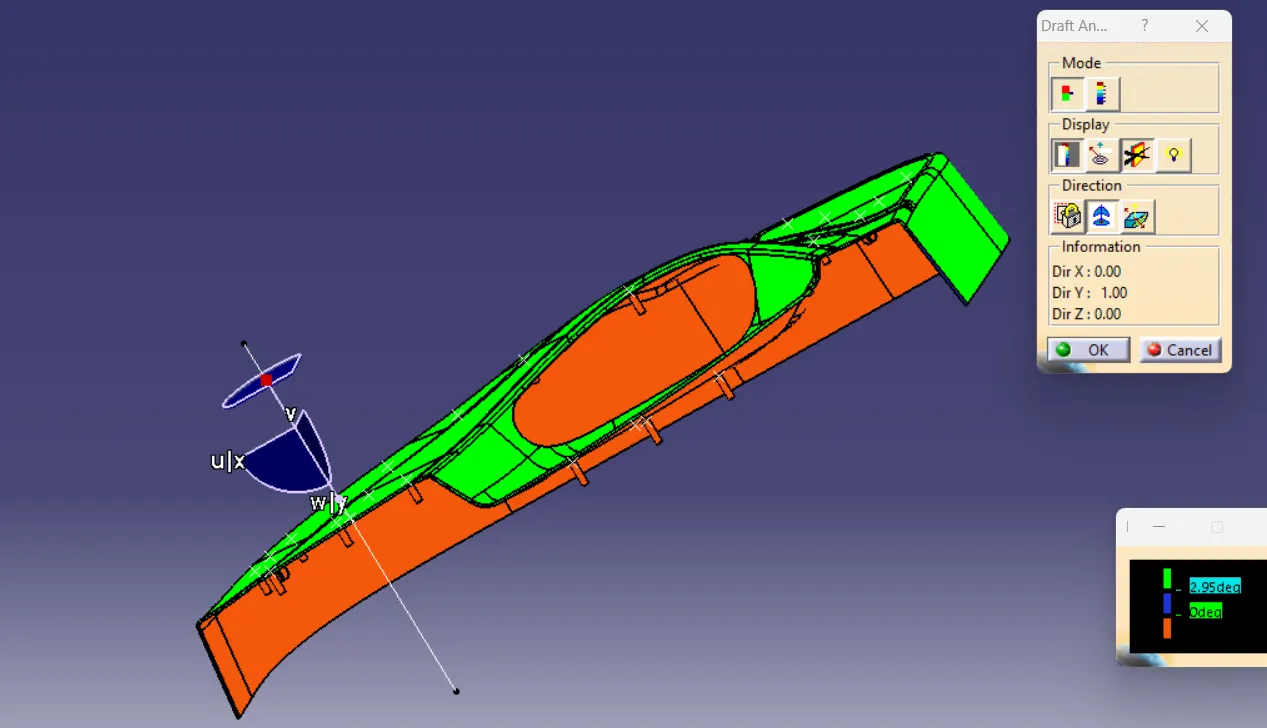
Draft analysis of class A surface:
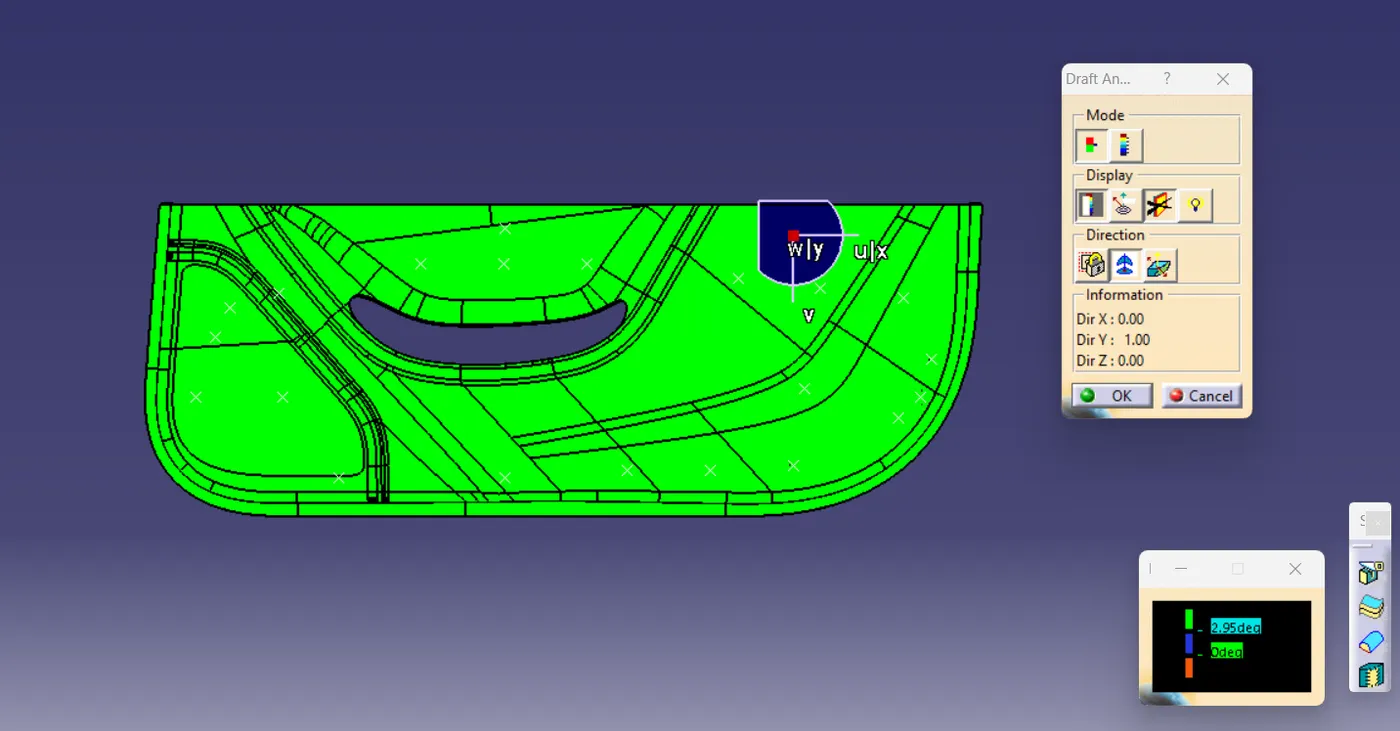
Draft analysis of solid surface:
Draft analysis of Heat stakes and locator:
Isometric views of solid surface:
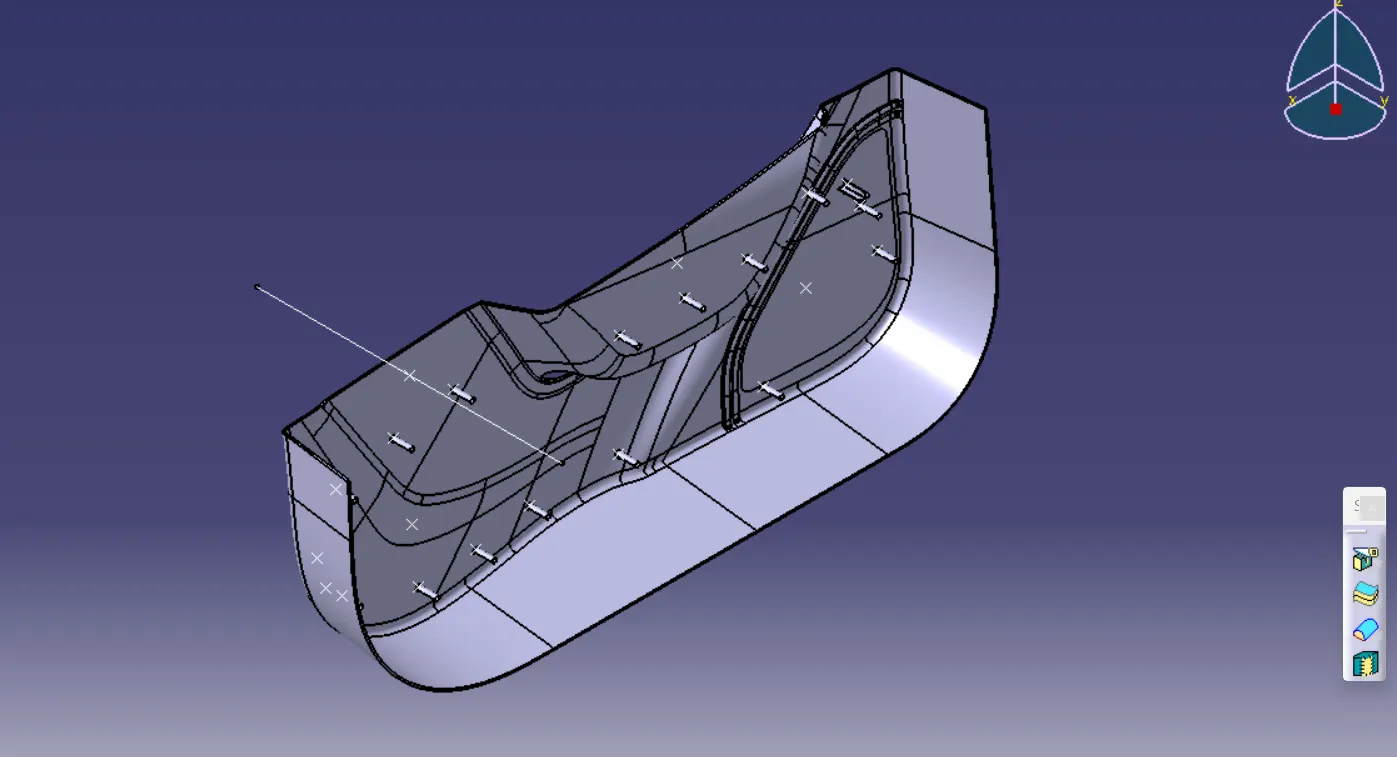
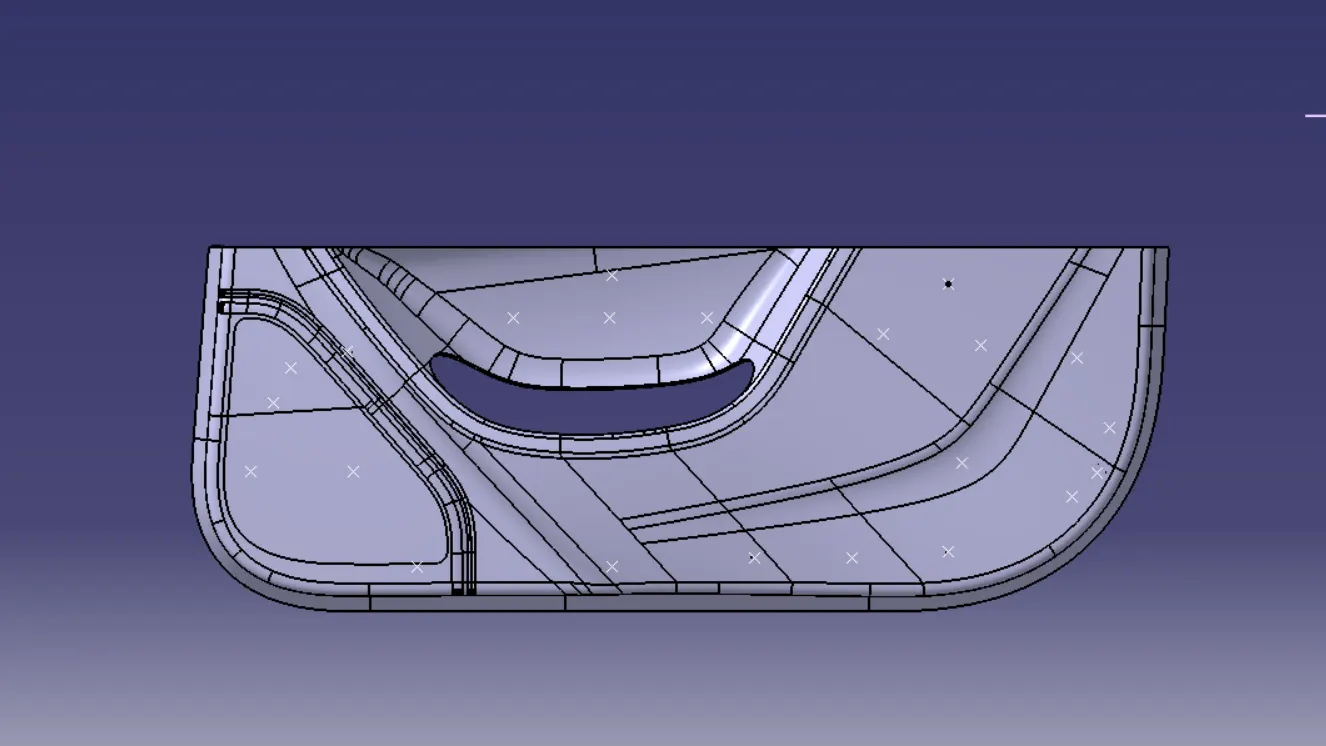
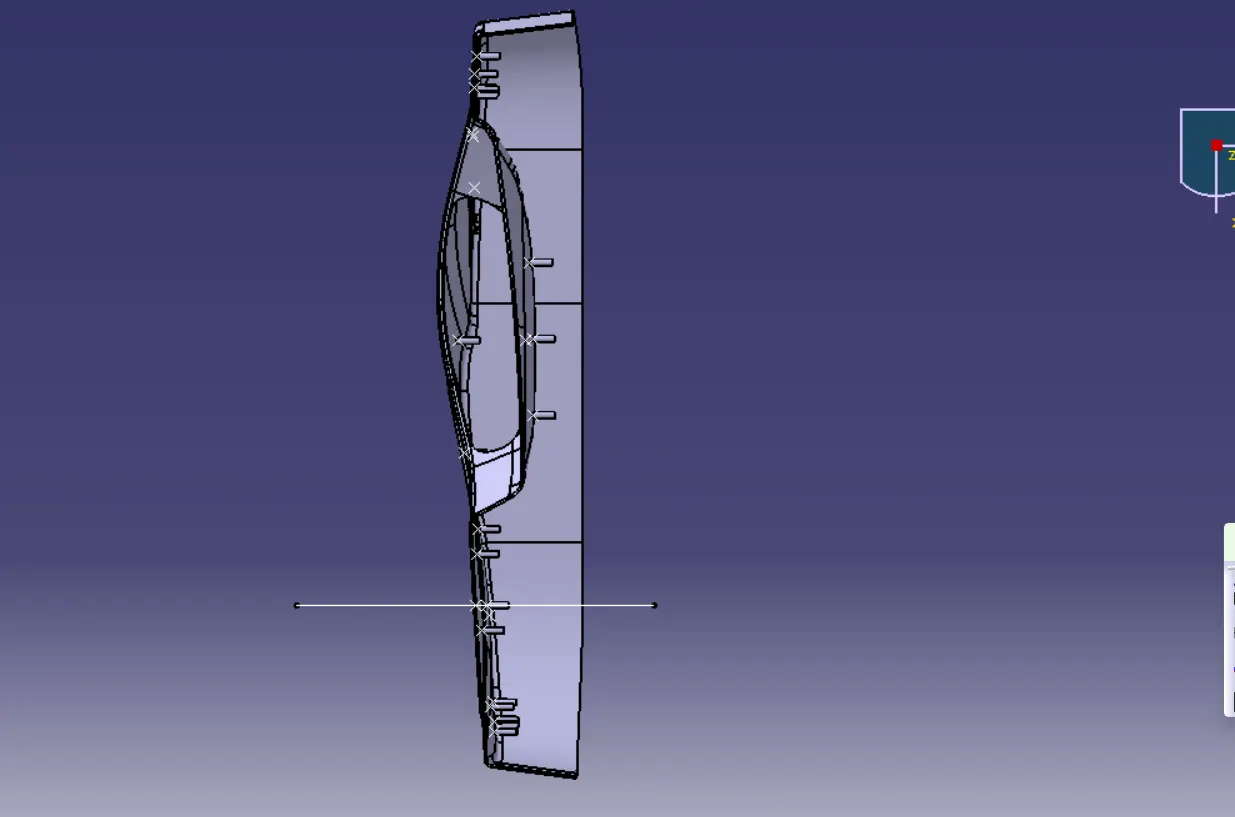
Thus i have completed my Heat stakes and locators design.