Week 1 Stress Concentration on a Plate with hole
Procedure:
- For both cases, we use Static structural in Ansys Workbench.
- We input the required materials and their properties in engineering data.
- To design the geometry, we use Spaceclaim for both case I & case II.\
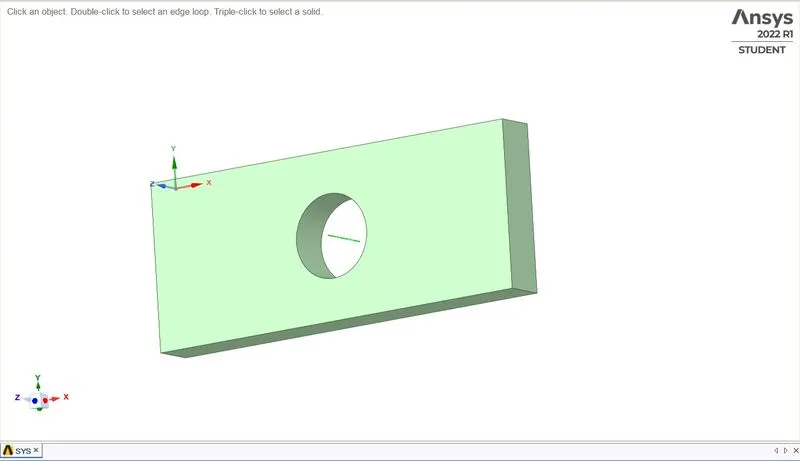
Case I 2d Geometry
Case II 2d Geometry
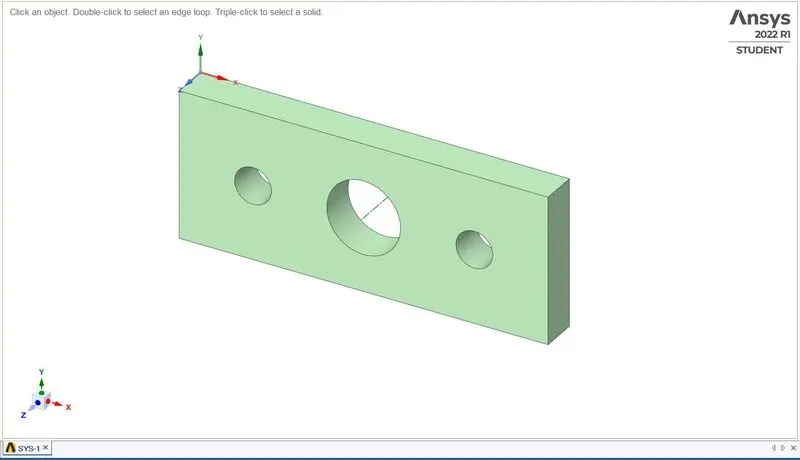
- Now close the Sketch or Geometry (in this case, Spaceclaim)
- Go to Model in Workbench
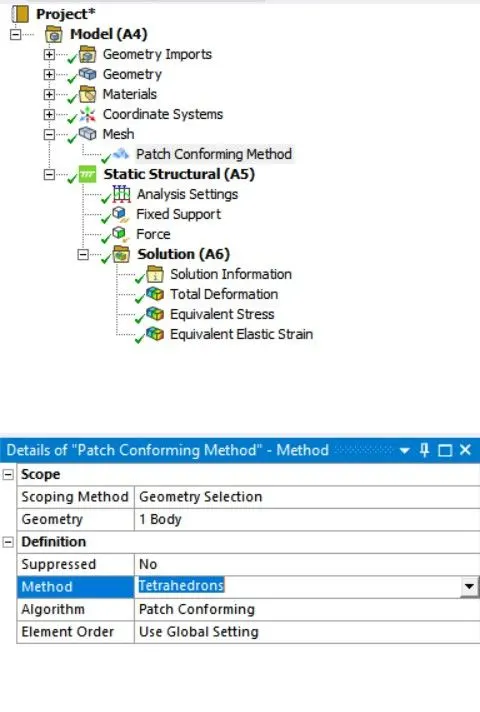
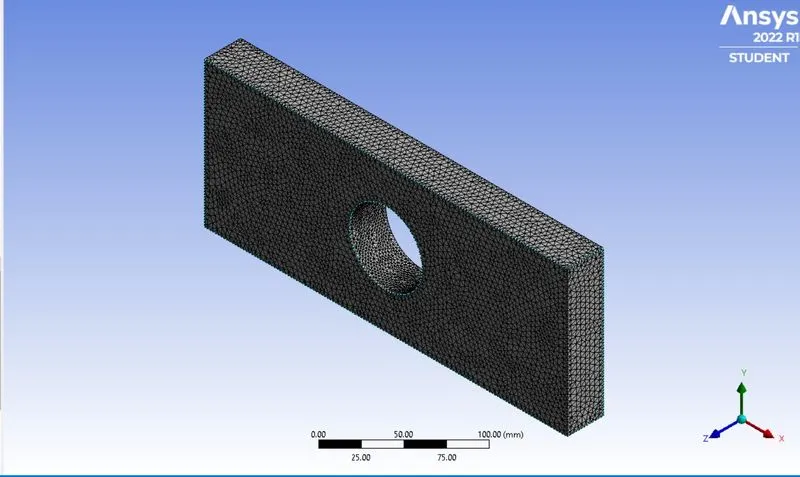
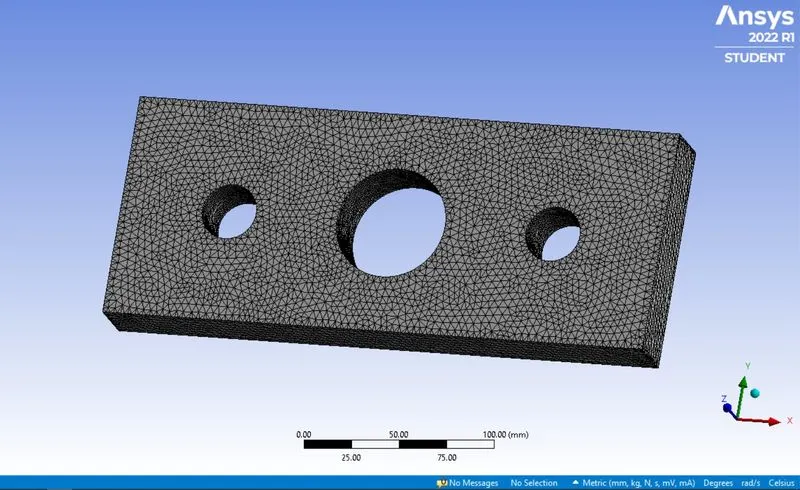
- Open the mesh tab and mesh the geometry with 2mm( for precise results), and the method of solving used is Tetrahedron element type. Generate the mesh after that by right-clicking on the mesh tab or icon
Meshing of Geometry Case I:
Meshing of Geometry Case II:
- Now define the boundary conditions
- Defining Fixed Support for Case I & Case II
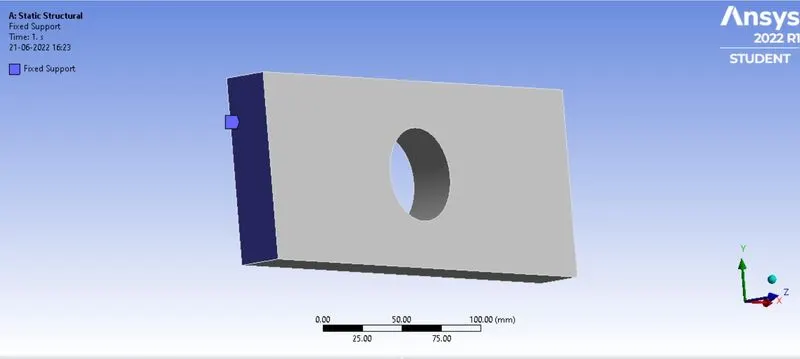
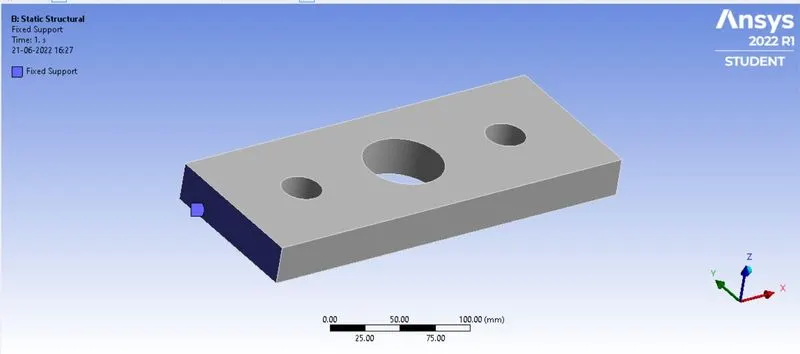
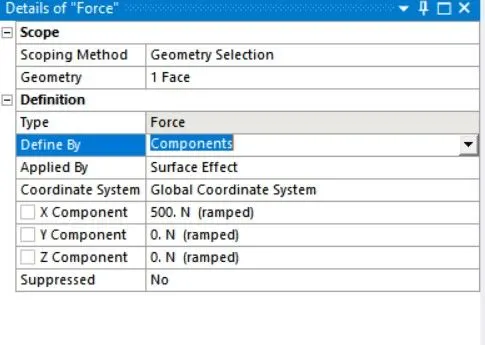
- In the same way, we apply Force to the direction as mentioned in the given data.
- In both cases, it is 500N, the opposite direction to the fixed support.
Case I
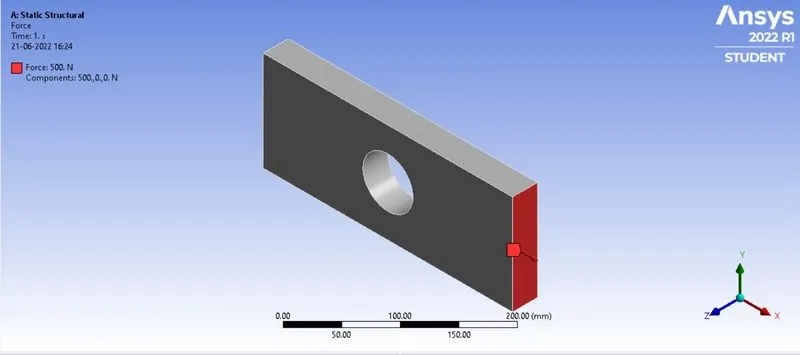
Case II
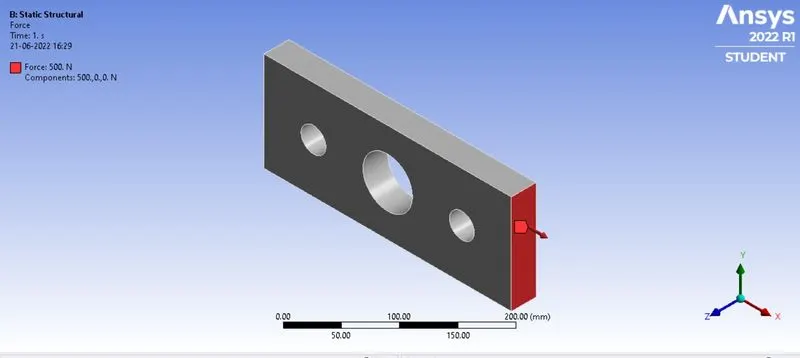
Details on the force applied in both the cases :
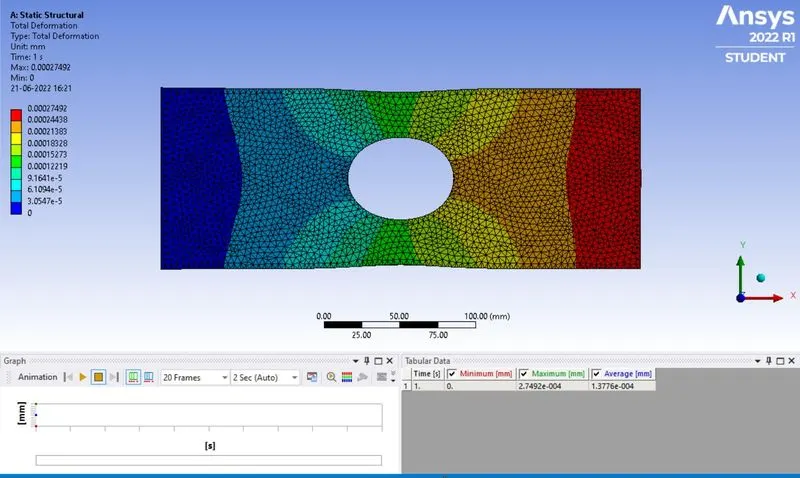
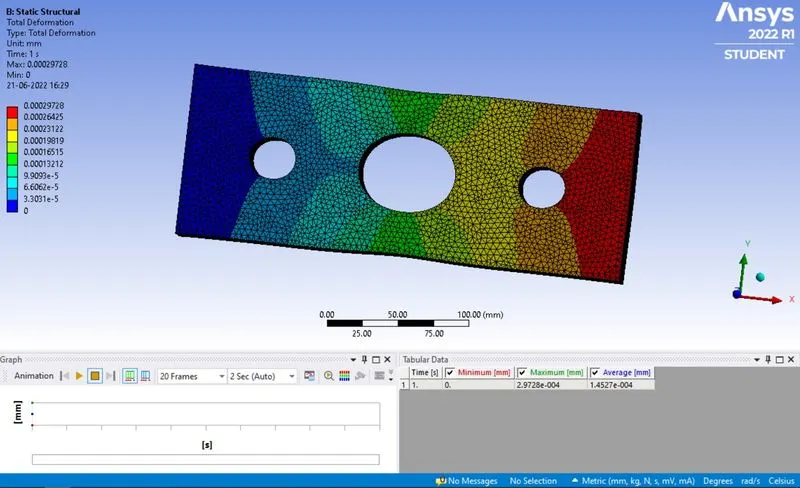
- Right Click on the Solutions & select Total Deformation and Equivalent stress for results and solve them.
Total Deformation for Case I
Total Deformation for case II
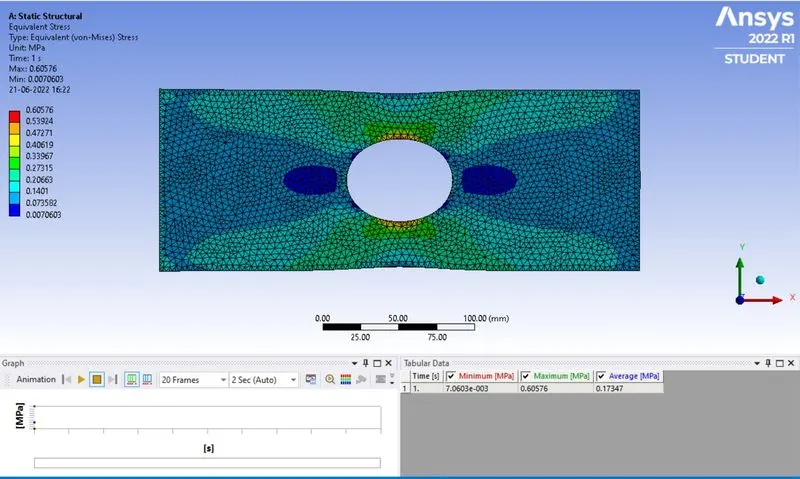
Equivalent Stress for Case I
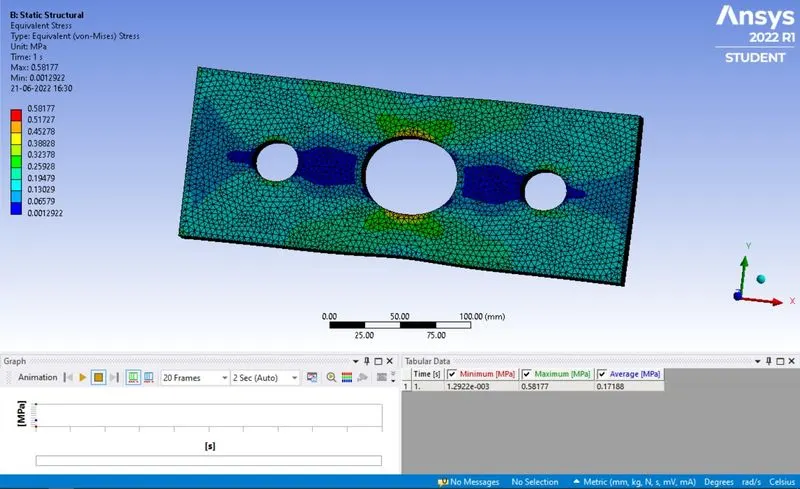
Equivalent stress for case II
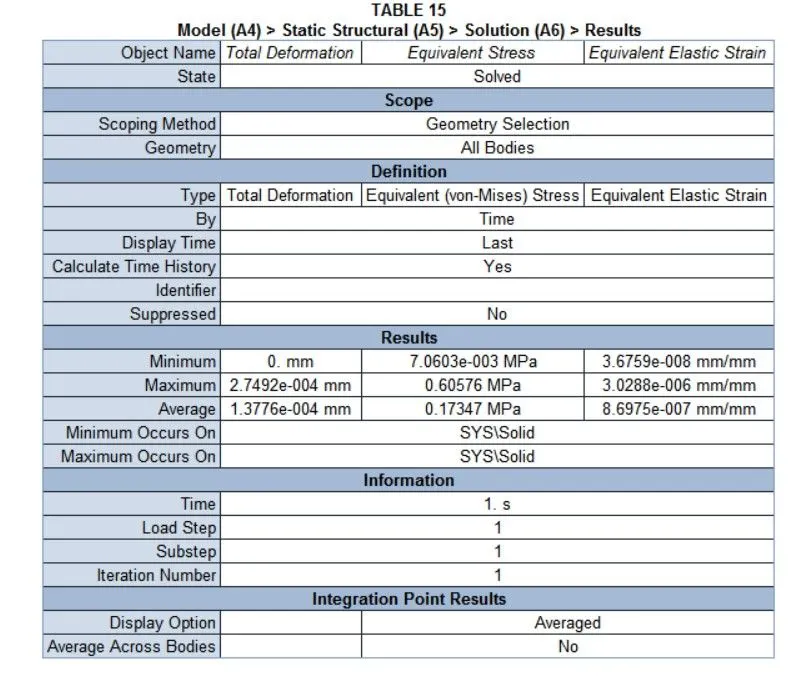
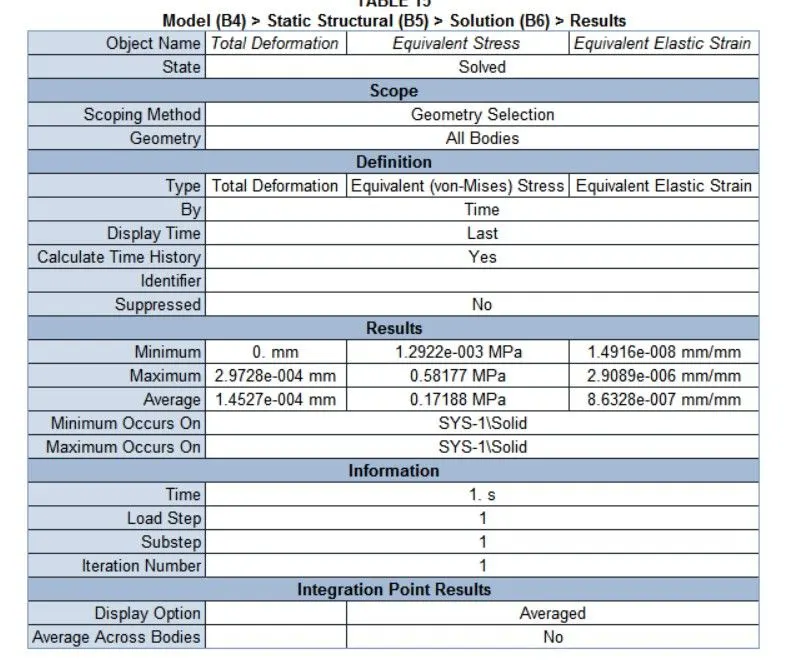
Results for both cases :
Conclusion:
- From the above results, we can conclude that the plate with one hole (Case I) has more minor deformation than the plate with three holes (Case II)
- Stress levels in Case I are higher than in Case II
- From an analysis point of view, we can say that choosing a plate with one hole is best as it has less minimal stress levels
- From a manufacturing point of view, we can choose a plate with one hole, as it causes less work of application, thus saving total production cost. For example electricity and additional production time. Saving tool life