Underbody Coating
UNDERBODY COATING
DEFINITION
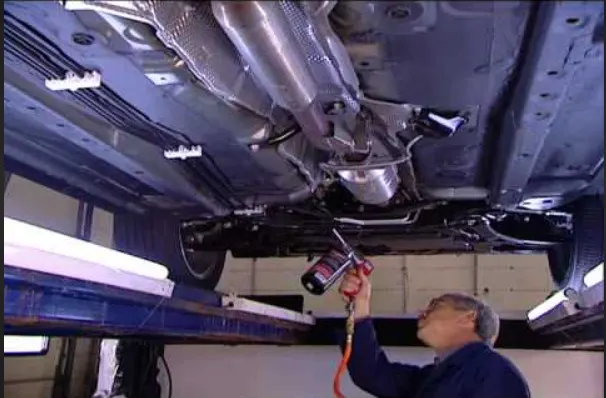
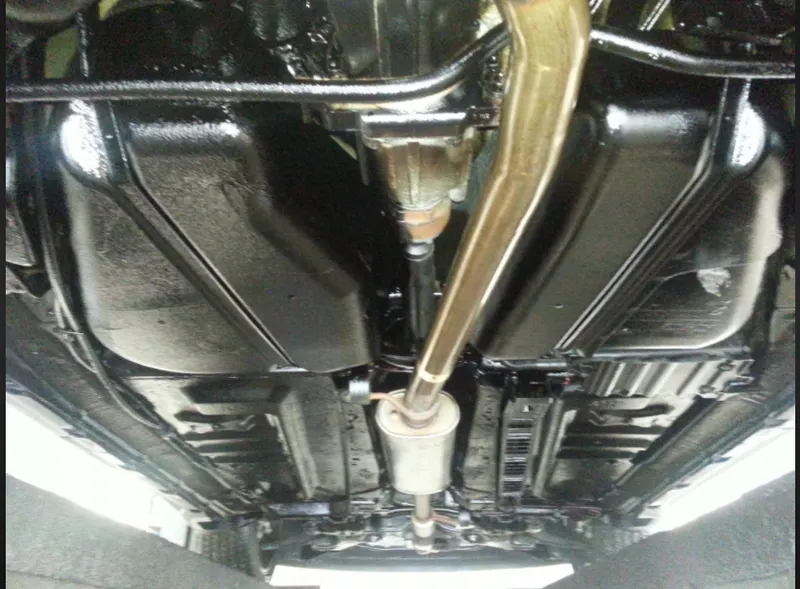
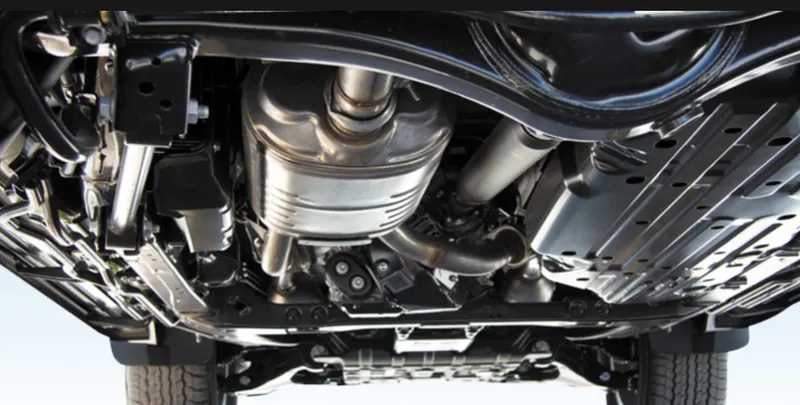
Underbody coating is usually a dense cladding (often based on rubber) applied uniformly to the undercarriage of the automobile.
It is normally sprayed or painted on when the car is just out of the dealership and is clean.
But even if you are getting the undercoating applied after a couple of years, it’s fine too. This is because it can prevent further damage to the undercarriage.
The main purpose of undercoating is to check rust especially in the body components like frame rails along with other exposed metal parts.
PROCESS
Step 1 - Cleaning the Underbody
You have to remove all debris and contaminants from the chassis to start with the undercoating process.
In another way to maintain your car in routine.You will need a hydraulic hoist or lift to complete this step in the right manner.
Here is how you can clean the underbody.
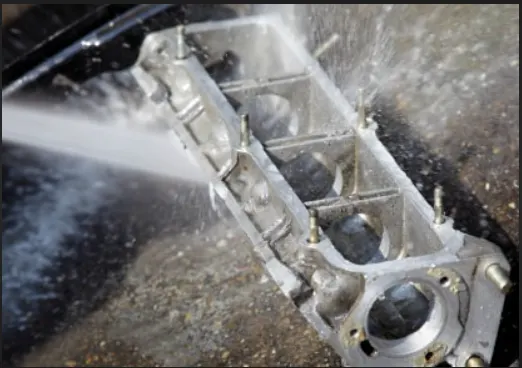
Degreaser
A high - quality commercial - grade degreaser would be helpful in removing oil and grime from the undercarriage.
Follow the exact steps listed on the cover or recommended by the manufacturer.
Spray the degreaser, then allow it to soak for a moment, then wipe it off with a microfiber towel or shop bag.
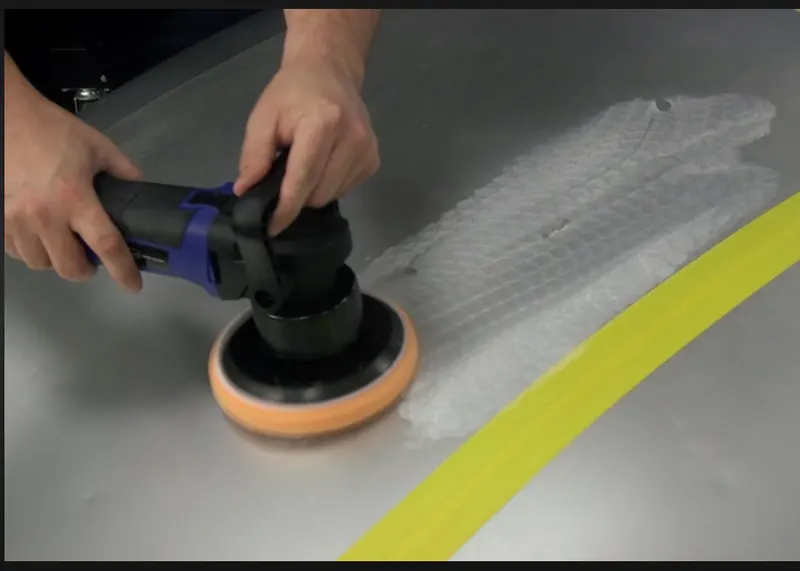
Grinding
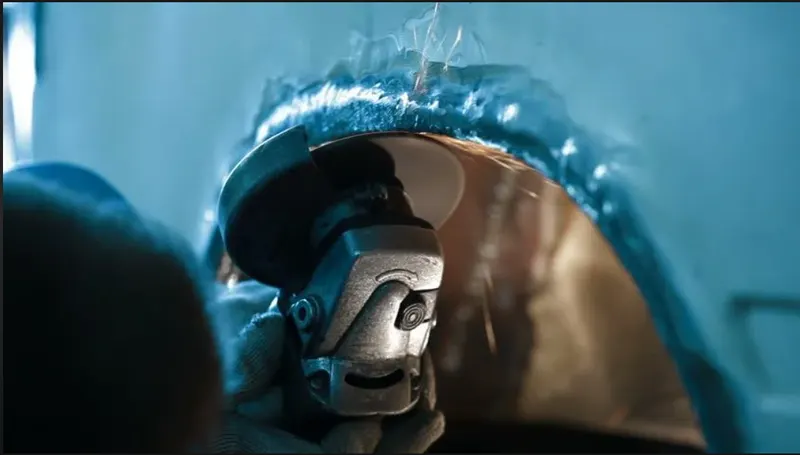
Now, grind the existing hard contaminants and rust from the undercarriage and other components that you want to treat.
You can use a mild grinding pad to remove the debris easily, but remember to wear eye protection while doing it.
Sanding:
After degreasing and grinding , remove those scratches and other stubborn contaminants using a 200 to 400 grit.
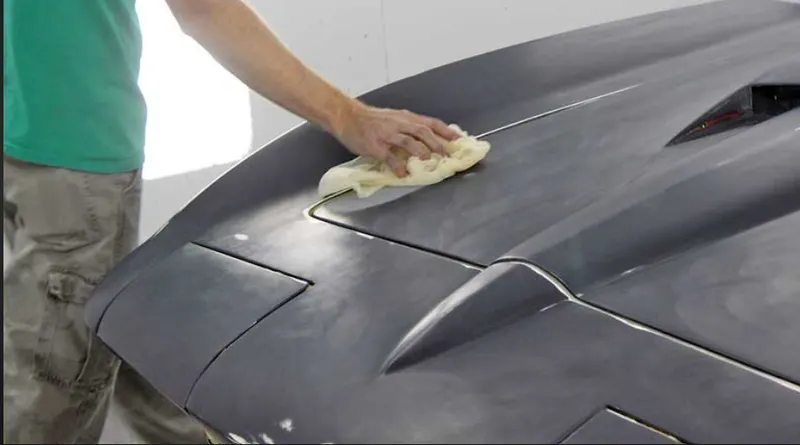
Use a Tack Rag or IPA solution:
To wind up the cleaning process, wipe down the area with a tack rag or IPA solution.
Step - 2 Applying Primer
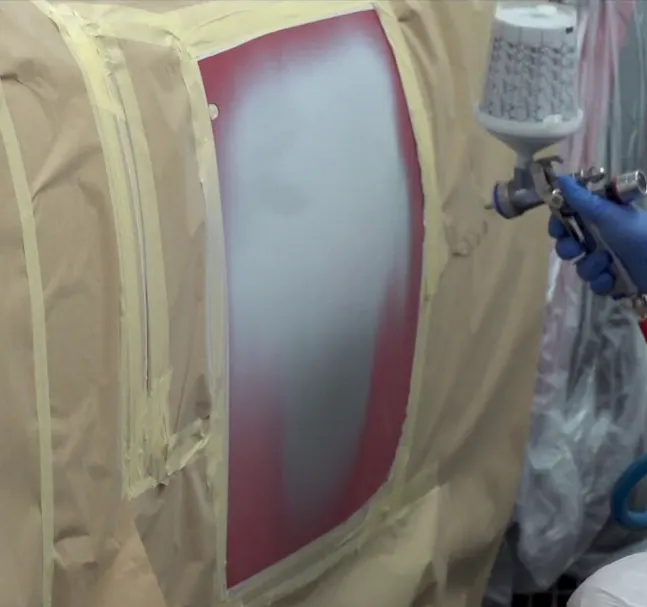
You will need a primer for applying DIY consumers.
Primers serve as a base coat.
You need to follow the instructions listed by the manufacturer for expected results.
The recommended primers usually contain a high level of Zinc.
Zinc helps in reducing rusting, even if the protective layer is penetrated.
Step 3 - Applying Undercoating
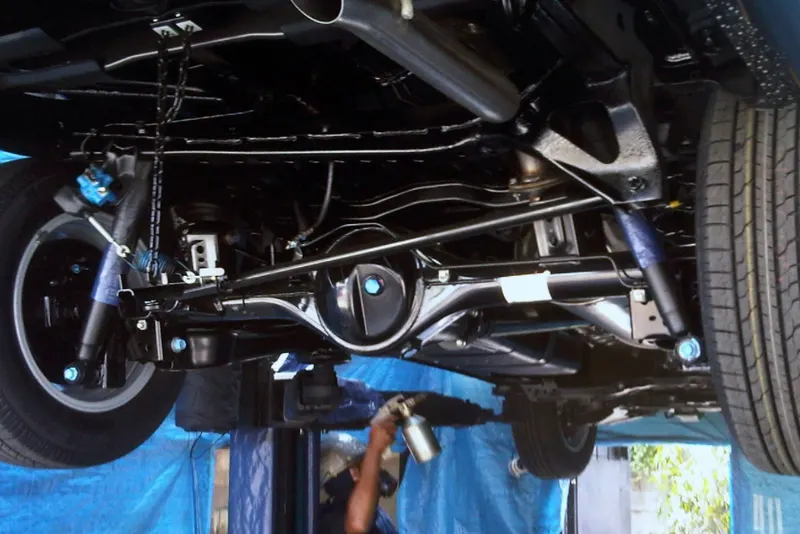
This is the final step. The undercoating sprays are similar to bed liners.
Most products are applied in two steps as dual layers.
The first layer should be thin,covering the entire surface.
Allow it to rest atleast for an hour,especially if you are applying a rubberized undercoating.
After this layer has been dried, you can apply the second coat generously.
Don't forget to apply it as per the instructions given by the manufacturer.
It will take a few hours to days for curing.
When you are done with the process, you need to look after the undercarriage to protect it from saltwater, road grime, or mag chloride as these contaminants are corrosive and result in oxidation and rusting.
DIFFERENT TYPES OF VEHICLE UNDERCOATING
Rubberized Undercoating:
It is easy to apply and offers sound- cushioning as well as protection from dust, moisture and dings or dents.
In addition to your undercarriage , rubberized undercoating is also safe to use on wheel wells and quarter panels, and dries to a soft rubbery finish that prevents further rust , damage or moisture seeps.
The coating can be painted over and , if necessary for body work, can be easily removed with an undercoating removal spray.
Overall, it is generally the best option for protecting your vehicle's undercarriage, as it provides the simplest and best protective measures against rust and moisture.
Polyurethane Undercoating:
The other option for undercoating your vehicle is to use a polyurethane - based sealent.
This type of vehicle undercoating is a littlebit quicker and easier to apply.
Oftentimes, Polyurethane undercoating will come in canisters ready to preload into an application gun.
This type of sealent works by seeping into all cracks and seams , displacing salt and moisture and oozing around rusty areas to bond with and protect unoxidized metal.
It also sands quickly incase you will need to perform bodwork and can be painted over.
On the flip side,this type of car undercoating generally requires a little bit more surface preparation work before applying - sanding and applying an etching primer to bare metals before using are generally recommended.
Wax or Parrafin Based Undercoatings:
A paraffin based undercoating will be the cheapest and quickest option available with which to protect the undercarriage of your vehicle.
However, Keep in mind that it will wear off quicker then other types of undercoating and will need to be stripped and reapplied atleast once every year.
Wax-based undercoatings never truly harden.
During application, they dip or flow into seams and cracks to provide protective properties.
They are usually available in a spray gun canister or in an aerosol can and offer atleast a base protection in moderately humid climates.
Asphalt - Based Undercoating:
For standard vehicles, any of the aforementioned types of undercoating will provide sufficient protection.
For large trucks and heavy machinery, asphalt - based undercoating provides a bit of extra durability against rocks , chips and moisture.
Asphalt - Based undercoating generally contains a little bit of rubberized material that sets up firmly and also helps soften noise.
Generally sold in five gallon containers, this type of undercoating also needs more cure time than the other three, and is not paintable, making it best to use only for undercarriages.
ADVANTAGES:
- Fights rust.
- Absorbs Noise.
- Reinforcement.
- Prolong car's life.
- Warranty and other perks.
DISADVANTAGES:
- It won't do anything about the corrosion which already present.
- It works best on new cars.
- It adds weight to the vehicle.
- An undercoating is not impervious to damage.