Underbody Coating
Underbody coating
Underbody: Underbody parts are mainly structure elements and panels placed in the lower part of the vehicle including the whole vehicles.
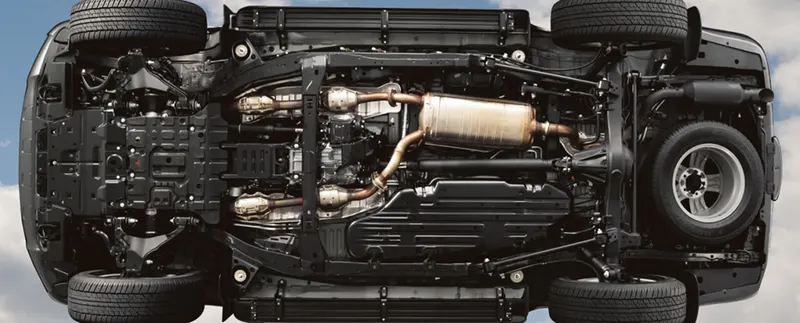
Fig 1: Underbody parts [ Toyota Land Cruiser]
If you live in an area of the world that sees a significant amount of snow, or are in a coastal region, it's quite possible that you are already familiar with the term "Underbody coating"
A car's underbody is exposed to the most wear and tear caused by muddy water, potholed roads, stones, and other obstacles on the road. Because it's not in plain sight, we often do not see the damage of the underneath metal parts like Suspension arms, muffler, brakes, axles, transmission etc.
WHAT
In Indian road conditions, a cars underbody is most prone to corrosion and rust. Underbody coating provides long term protection from corrosion to car's underbody. It also protects parts like internal body panels, frame rails and other inner cavities that are not physically accessible but are prone to corrosion.
Underbody coatings can also make it easier for you to clean the car. Besides these, the coating provides a bit of thermal insulation making travelling by road easier even during summers. Risk of corrosion, because of the effect of the rain and salt grit used on road to prevent icing in water. Over time this corrosion can cause significant damage to the vehicle.
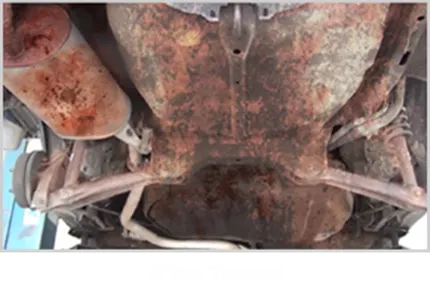
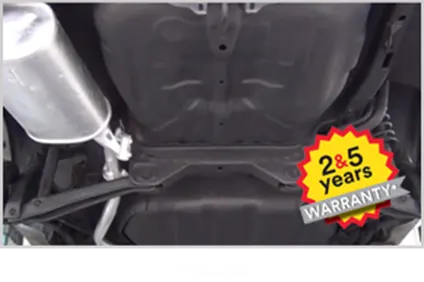
Fig 2: Comparison between Condition Not Treated and with underbody coating
Underbody Treatments offers you a long-term solution for issues related to corrosion and rust. First, the car under body is washed and degreased. Then, the Protective Coat is applied with Body Schultz Gun (5-year Warranty) or under shield gun (2-year warranty). The Body Schultz/Under shield is a hard coating on the underbody of the car that is fast-drying, paintable, rubberized, non-toxic and chip-resistant. It also minimizes sound from underneath the vehicle and insulates against the heat and cold.
The Underbody Treatment protects the car underbody from rust. So, increasing the longevity of the car and thus enhancing its resale value.
Why
Damage to the paint or the windscreen of a vehicle can be easily detected with the naked eye. However, detecting damage under the vehicle is much more complicated, but not less relevant.
Although some cars, trucks and agricultural machinery are provided with undercoating at the factory, this is not sufficient in the long run. Moisture, dirt, stone-chipping, and road salt cause stress cracks to form and this affects the car under seal. Once the underbody coating is damaged, it is only a matter of time until it spreads over wider areas.
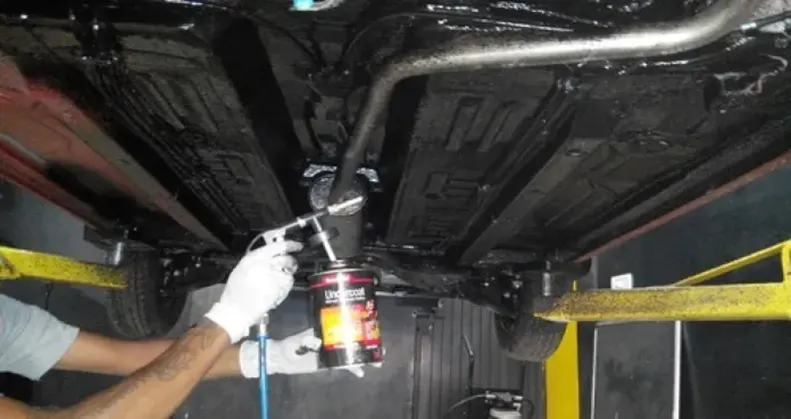
Fig 3: Anti-corrosion and Anti-rust Under body coating process
Applying to undercoat, as soon as you get your new car, is the best way to keep the chassis intact. This covers the undersurface saving it from road grime and other stuff.
We all know the underbody of the previous models was made from durable metals such as steel, which is easily damaged and oxidized, forming rust. The speedy beast today is made up of polycarbonate material, aluminium, and other tough materials that are more stable against corrosion. Not to mention, car underbody treatments make them more durable.
Maintaining car underbody coating can be a lifesaver for the driver. Conventional underbody treatments such as road salt or mag chloride are still used for rust or corrosion-related issues. However, the real concern is the need for these products for our car today.
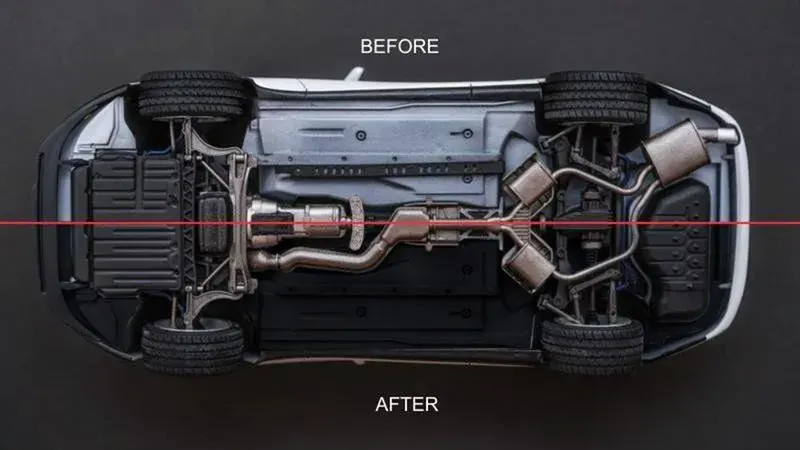
Fig 4: Comparison of Underbody coating Process
Methods used for the undercoating application process:
- Spray-On "Rubberized" Undercoating
- Electronic Rust Inhibitors
- Lanolin Wax/Wool Grease
- Dripless Oil Spray
Purpose of applying underbody coating:
Some of the factors that make Underbody Anti-Rust Coating essential before stepping into the monsoon season.
- Protects Against Rust & Corrosion
- Reduces NVH (Noise Vibrations Harshness) Levels
- Prevents Paint Chipping, scratches.
- Protects Vital Components - Work as Reinforcement
- Protecting its most exposed areas from moisture, dirt, salt, and more.
- Working as Heat Insulation
- Making your car smooth
- It extends the lifespan of your car.
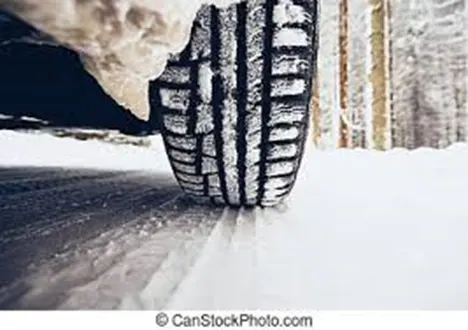
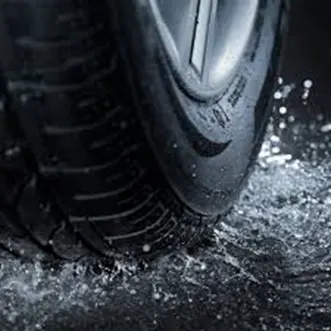
Corrosive Road Salt Surface water Ingress
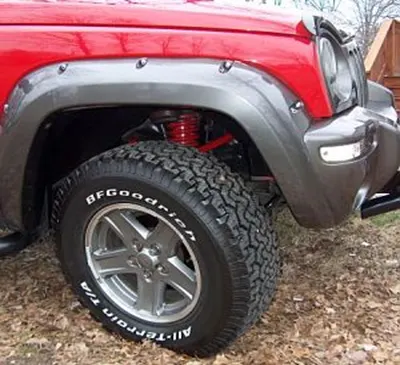
Stone Chipping
Under-Body coating Pros and Cons
Undercoating is something a lot of people like to do with their vehicle to protect the underneath.
Whether you live somewhere ice-melting chemicals are used or the roads are salted, or not, it’s still important to protect your car from rust and corrosion on the underside.
Basically, undercoating refers to the vehicle exterior while rustproofing refers to the inside.
For the sake of this guide, we will use the word undercoating but if you’re having this work done, ask whether they will apply the treatment on the inside or outside.
Everything underneath the car needs to work properly for you to be driving safely. You don’t see the underside of the car every day so it’s easy to forget to ensure it’s protected.
There are pros and cons to vehicle undercoating so let’s look at these.
That way, you will be able to determine whether vehicle undercoating is worthwhile for you or not.
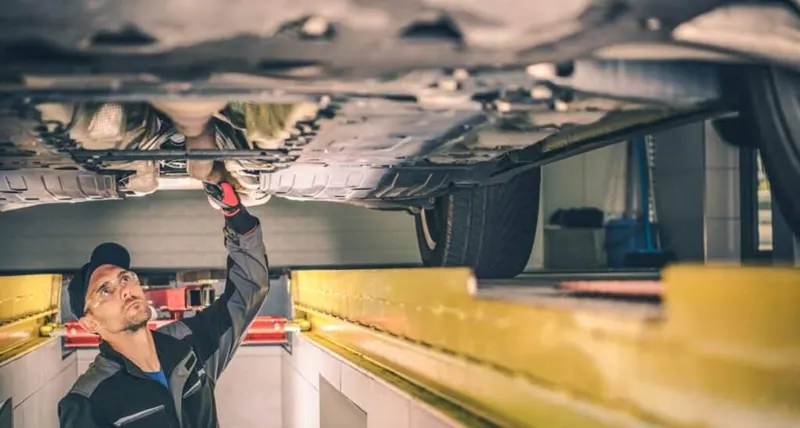
Vehicle Undercoating Pros
Let’s look at some of the vehicle undercoating pros.
1) Protection Against Corrosion and Rust
- Undercoating offers a layer of protection against corrosion and rust. Any debris will be repelled by the undercoating.
- You can expect years of protection from undercoating although it wears out in the end. This is the reason why the process is popular.
- A car is a large investment so it pays to take the best care of it you can.
2) Extend The Life of Your Vehicle
- It will extend the life of your car. Undercoating stops rust.
- Corrosion isn’t just about causing an issue with the metal under your car, but it can also get into cables and wires – in fact anything made of aluminium or steel can be affected including the engine and transmission.
3) Cover Small Damages
- You can undercoat damaged parts of the car such as scratches, chips and nicks caused by debris flying up as you drive.
- Modern undercoating can cover small areas of damage.
4) You Can Do It Yourself
- You have the choice of undercoating your own vehicle or getting it done professionally.
- It is perhaps best to get the professionals to do it if you have the budget. It can cost more than $1500 at the shop depending on the type of car you have.
- Doing it yourself can reduce this cost by some 90% although it can be messy to do.
5) Many Options
- There are different methods to choose from. One is electronic which is used to stop the corrosion of rust already present.
- Then you have standard undercoating which applies a thick, tar-like substance.
- Another option is dripless oil spray with fills the body of the vehicle with something wax-like and then sets hard.
- Finally, there is the drip-oil way which can drip for up to 2 days after application and this is the most common method used by car dealerships.
6) Reduce Noise Inside Your Car
- Undercoating your vehicle can reduce noise inside the car while you’re driving.
- The coating creates a sound barrier meaning the interior of the car will be quieter.
Vehicle Undercoating Cons:
And here are some cons of vehicle undercoating:
1) It’s Not Effective on Cars with Corrosion
- If your vehicle already has some corrosion, it isn’t as effective.
- Applying undercoat over rust means that although you’re stopping more moisture and airflow to the rusted area, the rusting process will keep happening.
- An undercoat will slow down the corrosion rather than reverse or stop it. You should attempt to remove the rust before applying an undercoat.
- This isn’t always easy though, since rust can penetrate deeply into the metal, so encapsulating the rust and then applying an undercoat could be a waste of money.
2) Doesn’t Work So Well on Old Cars
- Undercoating doesn’t work so well on old cars because the residue from under the car must be removed before the undercoating is applied.
- If you don’t remove the debris first, the already-present debris will be sealed in.
3) It’s Useless on New Cars
- Undercoating might not be wise if you tend to change cars every few years, since it takes between 3 and 5 years before rust starts to show.
- In fact, it might be 10 years before your car is affected in any way at all by corrosion.
- This means if you get a new car every few years then undercoating it would be a waste of money because it simply isn’t required.
4) Your Vehicle’s Warranty Might Be Voided
- Your vehicle’s warranty might be voided if you opt for a third-party undercoating treatment.
- Some new cars already come with undercoating so adding anything else risks your warranty.
5) It Makes Your Vehicle Heavier
- It makes the vehicle 10 to 20 pounds heavier which affects fuel economy (how far you can travel on one tank of gas).
- This is negligible in terms of fuel costs but still something to bear in mind.
6) It Can Be Damaged
- Undercoating can be damaged.
- Although you can expect a hard layer of protection against debris, driving on dirty or gravel roads often means the protective layer’s integrity will be reduced over time.
7) It Can Be Expensive
- Reapply it every 3 to 5 years. This is the only way to ensure your vehicle is protected properly.
- Since it can cost $1500 to get the undercoating professionally applied, this is quite a big cost to do it regularly.
Is It a Good Idea to Undercoat an RV?
- Undercoating an RV is just as important (or maybe more so) than undercoating a car.
- This is because cars have tubular frames and sealed areas while RVs are constructed on top of a trailer frame or open rolling chassis.
- This type of frame is highly accessible which makes it much easier to undercoat the exposed parts.
- Undercoating offers protection against stress, heat, condensation, and noise. It doesn’t have to be applied every year so it’s a great choice to protect your RV.
In Conclusion
- Although some vehicles can be benefitted with an undercoat, not ever car needs it. It’s important to figure out whether undercoating is a good idea.
- Remember also that you can do your own vehicle undercoating. This is the cheapest way, but it can also void the active warranty, so check the details first.
- It is a good idea to inspect your undercoating, or have the dealership do it, on a yearly basis to check for any issues with the integrity.