Underbody Coating
Objcetive:
To Write a one-pager about Under-Body Coating and its purpose, its types in detail, and its pros and cons.
What is under Body Coating:
Underbody coating is a thick cladding (typically made of rubber) that is placed uniformly to the car’s underside. When the automobile is fresh off the lot and spotless, it is usually sprayed or painted on. But it’s acceptable if you apply the undercoating after a couple of years. This is because it might protect the undercarriage from additional harm.
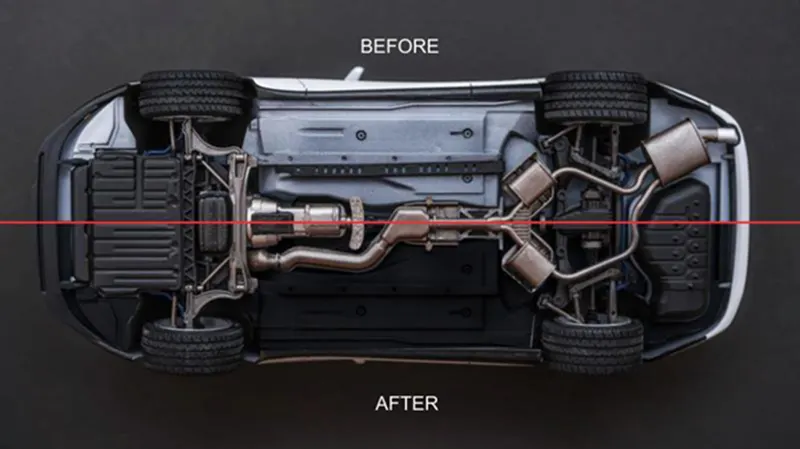
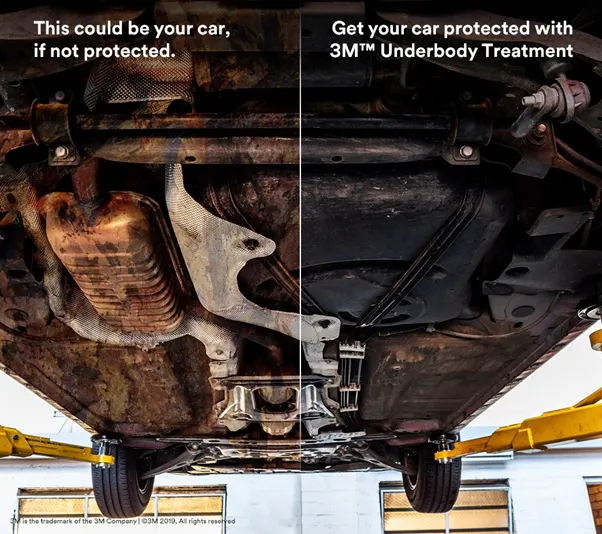
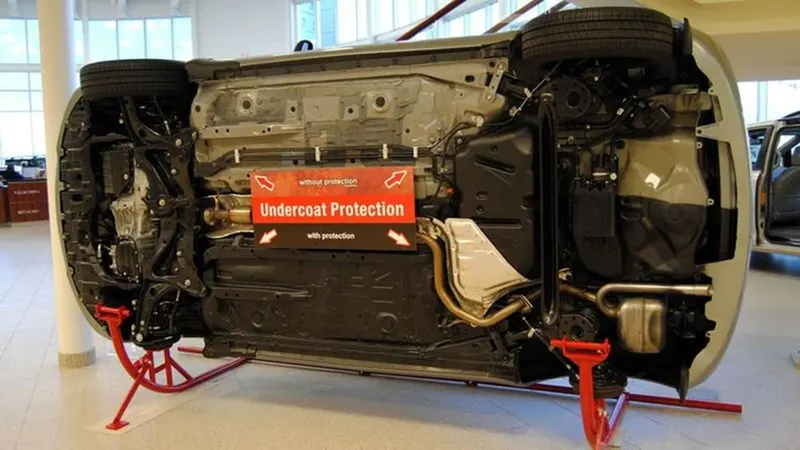
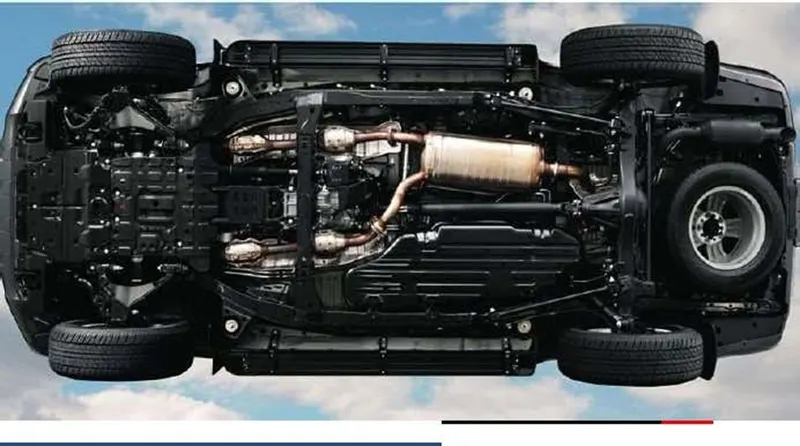
Fully isolate coating Toyota land cruiser
Purpose:
Protection against corrosion
Protection of car vital components like silencer,engine, numerous other wires and small engine components for different purposes in the car.
Reduces NVH(Noise Vibration Harshness) levels
Car underbody coating prevents paint from chipping
Covering all the welded joints
Types of Undercoating
· Rubberized Underbody Coating
· Wax Based Underbody Coating
· Asphalt Based Automotive Undercoating
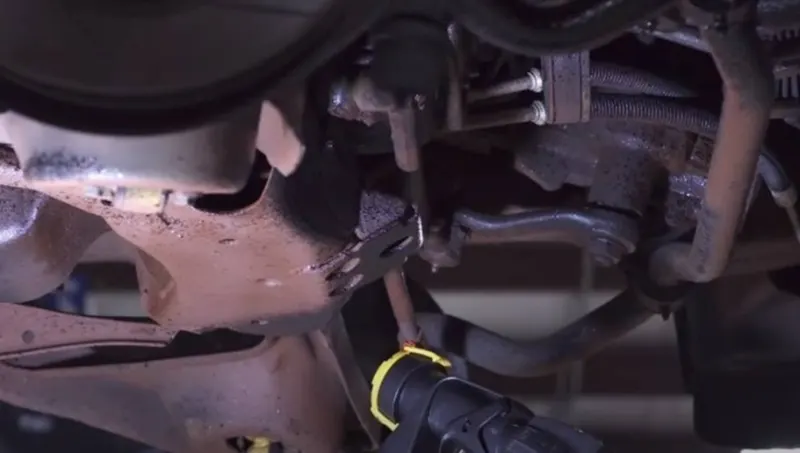
1. Rubberized Underbody Coating
This is generally thought of as the best underbody coating for your car. It preserves the underbody well, protecting it from scratches. Applying this to the undercarriage is not much of a hassle either.
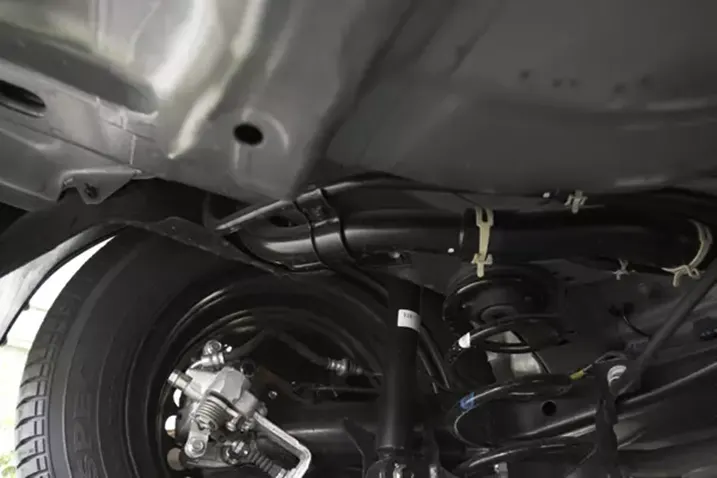
2. Wax Based Underbody Coating
This – more or less – ephemeral undercoating will wear away in a few months’ time. On the upside, wax-based undercoating puts up a big fight against moisture. It is also the most affordable option out there.
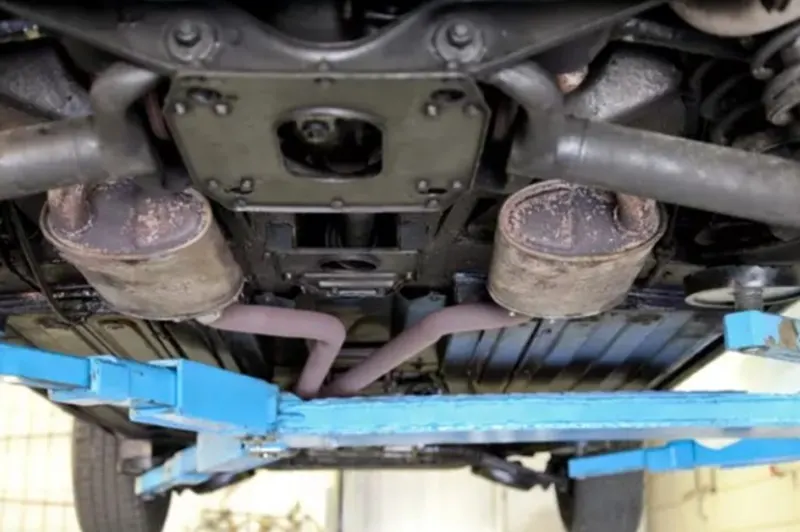
3. Asphalt Based Automotive Undercoating
Best suited for lorries, trucks and large vehicles this provides a greater degree of protection compared to rubber-based coatings. However, asphalt-based coatings contain little amounts of rubber for sound-insulation purposes. The process of applying this coating is a bit time-consuming though.
4. Polyurethane Underbody Coating
This coating closes up splits and fractures on the underbody of the vehicle. It offers up good protection against corrosion and also bonds with the metal. Unlike in the case of asphalt-based coating, you can paint over the polyurethane coating.
Pro's:
1. It provides a layer of protection against corrosion.
2. It will extend the life of your vehicle.
3. It can be applied to damaged areas.
4. It may help to reduce interior noise.
Con's:
1. It is less helpful if corrosion is already present.
2. It works best on new cars.
3. Most vehicles make it five years before corrosion begins to show.
4. It adds weight to the vehicle.
5. An undercoating is not impervious to damage.