Underbody Coating
Under-body coating is a protective layer applied to the undercarriage of vehicles to protect them from damage caused by moisture, salt, sand, rocks, and other road debris. It is an important component of car maintenance that helps to extend the lifespan of a vehicle by preventing rust and corrosion. This one-pager will discuss the purpose of under-body coating, its types, and its pros and cons.
Purpose: The undercarriage of a vehicle is exposed to harsh elements that can cause damage, including water, dirt, salt, and other debris. Rust and corrosion can quickly develop on the metal components of the undercarriage, which can lead to serious problems, such as holes in the body, weakened suspension, and reduced overall vehicle lifespan. Under-body coating helps to protect the undercarriage by creating a barrier between the metal components and the environment, preventing rust and corrosion.
Underbody coating methods:
Asphalt-based under-body coating- This type of coating is made from a mixture of asphalt and other materials. It is applied as a thick, tar-like substance that dries to a hard, durable finish. Asphalt-based under-body coating is relatively inexpensive and is effective in protecting against rust and corrosion. However, it can crack over time, which can allow moisture to seep through and cause damage.
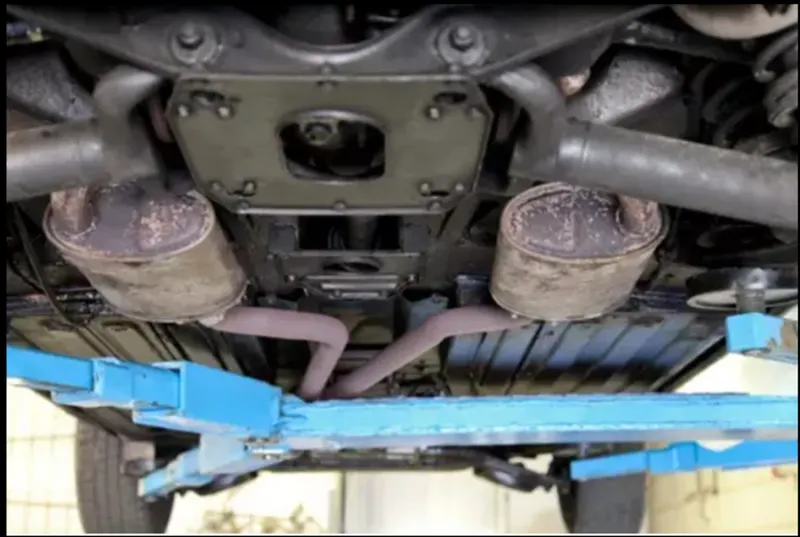
Rubberized under-body coating- This type of coating is made from a mixture of rubber and other materials. It is applied as a thick, rubbery substance that dries to a flexible finish. Rubberized under-body coating is more expensive than asphalt-based coating but is more effective in protecting against rust and corrosion. It is also more flexible than asphalt-based coating, which helps to prevent cracking and allows it to better absorb impacts from road debris.
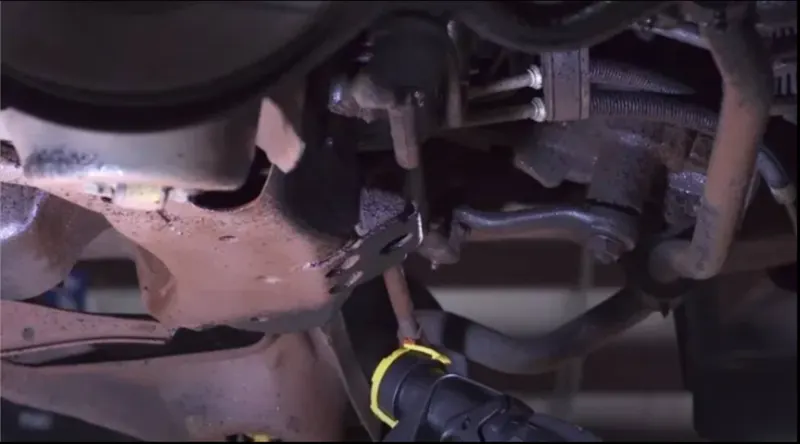
Pros and Cons: Pros:
-Protects against rust and corrosion
-Extends the lifespan of the vehicle
-Reduces the risk of damage caused by road debris
-Prevents moisture from seeping through
-Can reduce noise and vibration from the undercarriage
Cons:
-Can be expensive
-Can crack over time (asphalt-based)
-Can attract dirt and debris (rubberized)
-May require professional application
conclusion-
under-body coating is an essential component of car maintenance that helps to protect the undercarriage of a vehicle from damage caused by harsh road conditions. There are two main types of under-body coating: asphalt-based and rubberized. While both types have their pros and cons, they are both effective in protecting against rust and corrosion and extending the lifespan of a vehicle.