Underbody Coating
1. Write a one-pager about Under-Body Coating and its purpose, its types in detail, and its pros and cons.
Ans:-
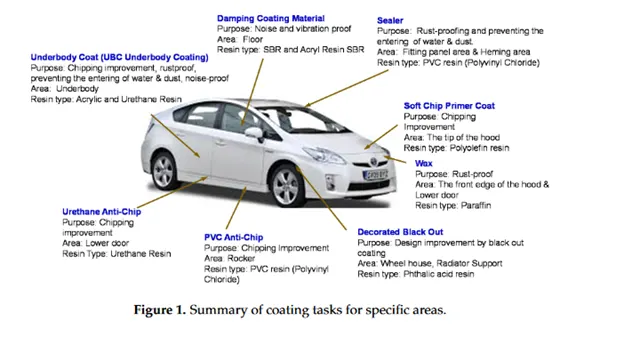
- Underbody coating provides long term protection from corrosion to car's underbody. It also protects parts like internal body panels, frame rails and other inner cavities that are not physically accessible but are prone to corrosion.
- UNDERBODY COATING Underseal (often called undercoating in the U.S.) is a thick resilient coating applied to the underbody or chassis of an automobile to protect against impact damage from small stones, which would rapidly chip ordinary paint, allowing rusting to begin.
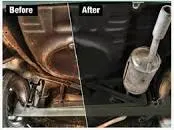
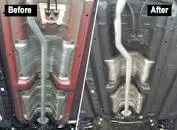
Why UnderBody coating :
- In Indian road conditions, a cars underbody is most prone to corrosion. Underbody coating provides long term protection from corrosion to car’s underbody. It also protects parts like internal body panels, frame rails and other inner cavities that are not physically accessible but are prone to corrosion.
- A car’s underbody is exposed the most to muddy terrains, potholes, debris and stones, and wet and even flooded roads that lead to corrosion of the underbody. Since the underbody is hard for us to inspect by ourselves, it is important to have an underbody coating in order to ensure your car is protected during these times. But here’s a list of reasons why you should get underbody coating and what all external factors it prevents.
Types Of Underbody coating
- Rubberized Undercoating, rubberized coating is generally the best option for protecting your vehicle's undercarriage, as it provides the simplest and best protective measures against rust and moisture.
- Wax Based Under Body Coating: This transitory undercoating will, on the whole, fade away after a few months. On the plus side, wax-based undercoating is resistant to dampness. It is also the most cost-effective alternative
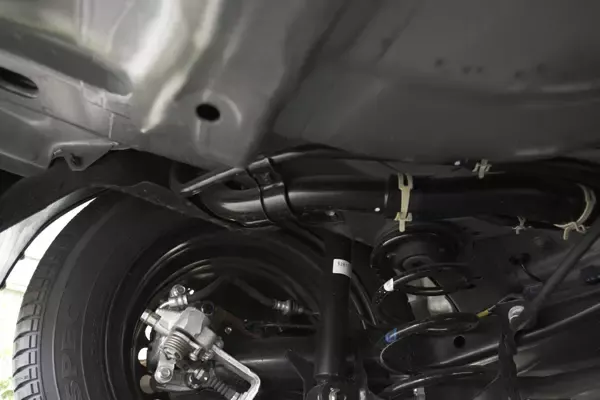
Polyurethane Underbody Coating- This coating closes up splits and fractures on the underbody of the vehicle. It offers up good protection against corrosion and also bonds with the metal. Unlike in the case of asphalt-based coating, you can paint over the polyurethane coating.
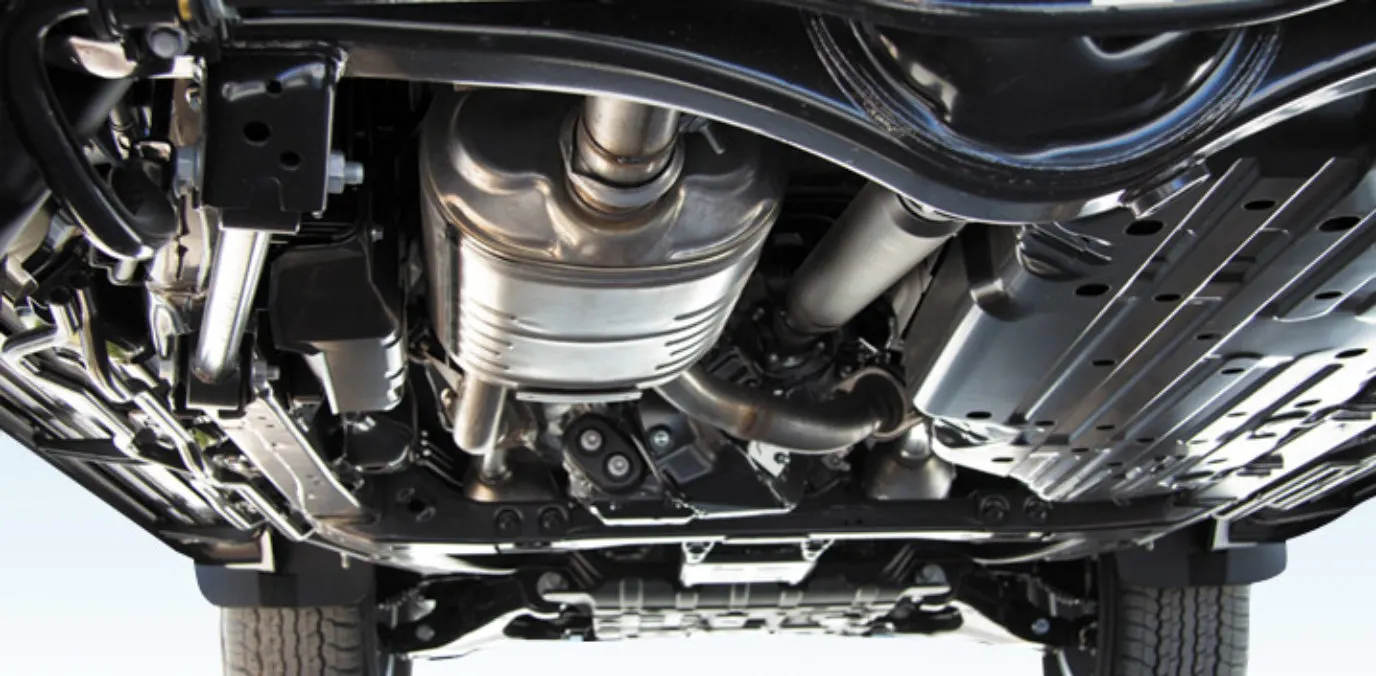
Purpose:
- Protection against corrosion
- Protection of car vital components like silencer,engine, numerous other wires and small engine components for different purposes in the car.
- Reduces NVH(Noise Vibration Harshness) levels
- Car underbody coating prevents paint from chipping
- Covering all the welded joints
Pros:
- Underbody coating provides long term protection from corrosion to car's underbody.
- It will extend the life of your vehicle.
- It can be applied to damaged areas.
- It may help to reduce interior noise.
Con's:
- It is less helpful if corrosion is already present.
- It works best on new cars.
- Most vehicles make it five years before corrosion begins to show.
- It adds weight to the vehicle.
- An undercoating is not impervious to damage