Underbody Coating
AIM : About under-body coating, its types, its pros and cons.
AUTOMOTIVE UNDERBODY COATINGS
1) Coating process of a vehicle body (automotive coating process) comprises a minimum five layers of paint, while the underbody coating
process comprises the first two layers in the overall coating process. These two layers provide durable protection against corrosion;
however, damage over time requires renewal of these coatings. Automotive aftermarket service providers often provide these services
during scheduled vehicle maintenance
2) Most of these coatings provide chemical and corrosion resistance, along with several other properties based on different product
formulations. Protection of underbody and wheel arches against chip damage is achieved by applying automotive underbody coatings,
which protect the metal from debris of gravel, stones, salts, etc. tossed by the road.
3) Underside of vehicles serves as an intermediate between metal components of a vehicle and outer environment. Underbody of vehicles
is prone to damages due to harsh environmental conditions. Coatings are applied to the underside of vehicles to protect them against
factors such as corrosion, chemicals, moisture, water damage, and chipping of the underbody. Automotive underbody coatings offer a
protective layer to vehicles’ underside
4) Automotive underbody coatings also offer protection against humidity, moisture, and wet conditions that can seep through the
undercarriage of a vehicle through joints or cracks in the paintwork and cause corrosion.
5) Elasticity of polymers used in automotive underbody coatings allows for low noise when struck by road debris compared to that with
uncoated underbody. As a result, vibrations of vehicles are dampened and kept to a minimum.
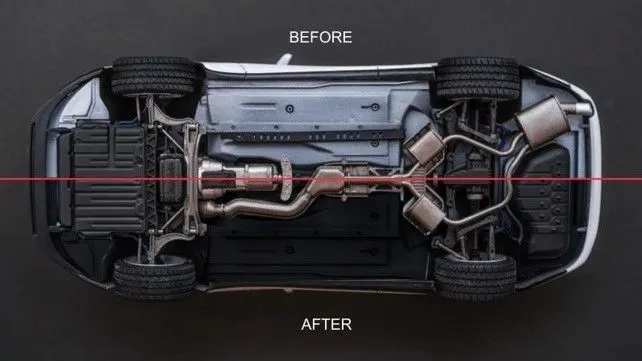
TYPES OF UNDERBODY COATING :
A) Rubberized Underbody Coating
1) This is generally thought of as the best underbody coating for your car. It preserves the underbody well, protecting it from scratches.
Applying this to the undercarriage is not much of a hassle either.
2) Rubberized vehicle undercoating is easy to apply and offers sound-cushioning as well as protection from dust, moisture, and dings or
dents.
3) Rubberized undercoating is also safe to use on wheel wells and quarter panels, and dries to a soft rubbery finish that prevents further rust,
damage, or moisture seeps. The coating can be painted over and, if necessary for bodywork, can be easily removed with an undercoating
removal spray.
B) Wax Based Underbody Coating
1) A paraffin-based undercoating will be the cheapest and quickest option available with which to protect the undercarriage of your vehicle.
However, keep in mind that it will wear off quicker than other types of undercoating and will need to be stripped and reapplied at least
once every year
2) Wax-based undercoatings never truly harden. During application, they drip or flow into seams and cracks to provide protective properties.
They are usually available in a spray gun canister or in an aerosol can and offer at least a base protection in moderately humid climates.
C) Asphalt Based Automotive Undercoating
1) Asphalt-based undercoating generally contains a little bit of rubberized material that sets up firmly and also helps soften noise. Generally
sold in five gallon containers, this type of undercoating also needs more cure time than the other three, and is NOT paintable, making it
best to use only for undercarriages.
2) For large trucks and heavy machinery, asphalt-based undercoating provides a bit of extra durability against rocks, chips, and moisture.
https://www.youtube.com/watch?v=Lu8yEKbsHD0
D) Polyurethane Undercoating
1) This coating closes up splits and fractures on the underbody of the vehicle. It offers up good protection against corrosion and also bonds
with the metal. Unlike in the case of asphalt-based coating, you can paint over the polyurethane coating.
DIFFERENT PURPOSE OF COATING
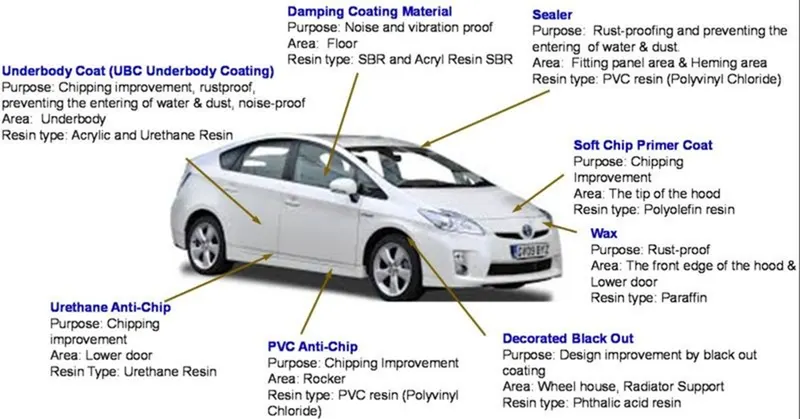
ADVANTAGES OF UNDERBODY COATING
1) Extends the lifespan of car
The protection against rusting gives you the biggest advantage, which is the long-life of the vehicle. If undercoating is done the right way, then it
will provide protection for up to ten years. In some cases, the time span is more than ten years, which extends the lifespan of your vehicle.
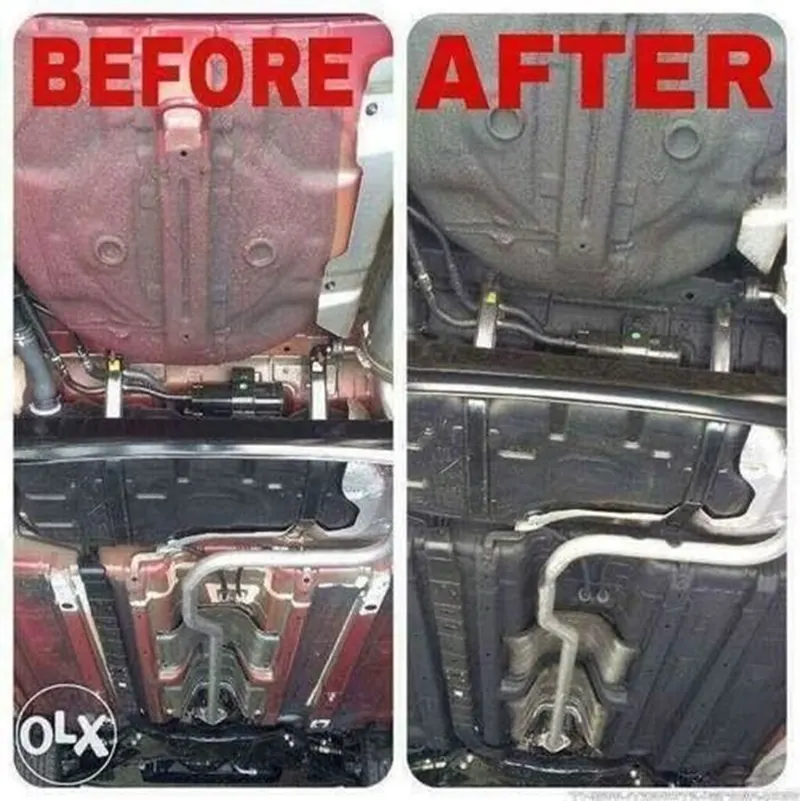
2) No road noise
Tectyl 6430 | Water-Based Asphalt Undercoating
The undercoating serves as an extra layer of insulation, reducing the noise from penetrating inside components. Thus padding acts as a barrier
between you and the source of the noise. If the road noise bothers you while driving your car, truck, or SUV, then applying an undercoat can
help you.
3) Prevent from stone chip
There are many tiny or big pieces of stones on the road, and they are hitting the car on the underbody, wheel arches, sills and the trunk lower
part while driving on the road. In some cases, the underbody might be scratched by uneven roads.
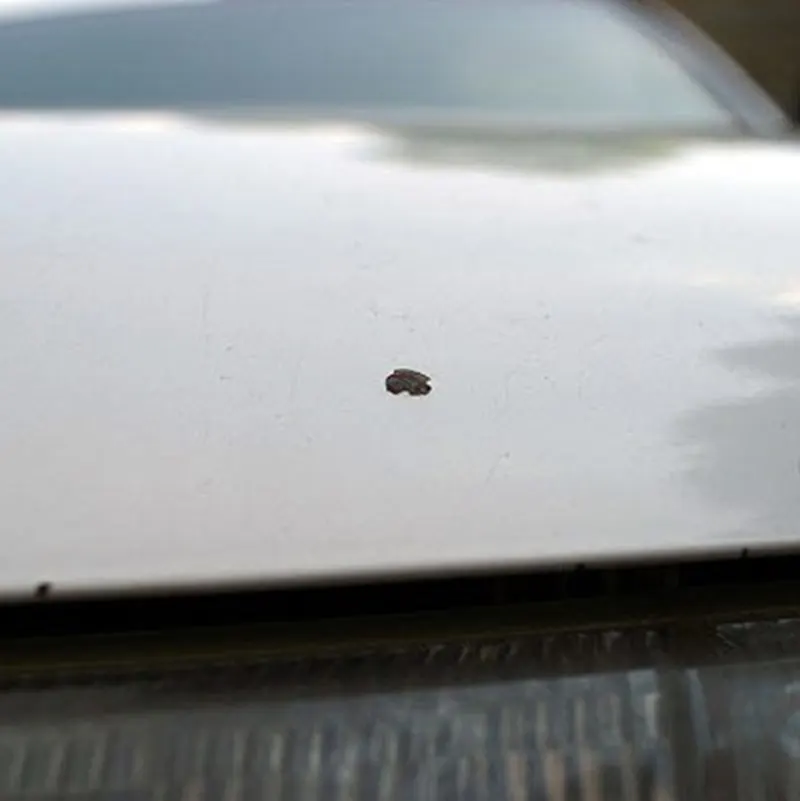
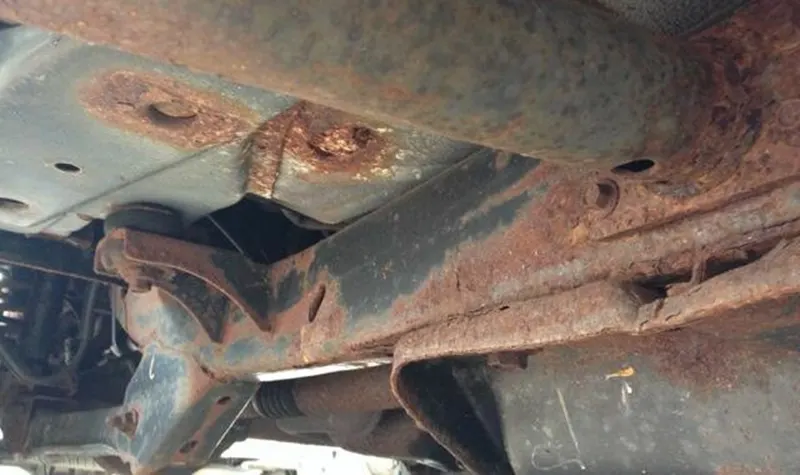
4) Protects Against Rust & Corrosion
The main objective of getting underbody coating done is preventing metal components that are exposed on the bottom side of the car to
damage from corrosion. You can shut out the Adverse effects of corrosion on your car by simply applying a rubberised anti-rust coating all over
the belly of the car.
5) Reduces NVH (Noise Vibration Harshness)
Roads may have uneven patches and potholes and while we drive the car through such places, the unpaved crumbs, and pebbles hit the car
from underneath or get stuck in the wheel wells. The underbody coating’s consistency is so thick that the layer it creates absorbs all the
unpleasant noises and vibrations and marginally improves the driving experience.
6) Prevent From Harsh Environment
Underbody is covered by the thick coating layer, it would act as a strong barrier to prevent moisture, hotness and coldness to the metal sheet.
DISADVANTAGES OF UNDERBODY COATING
1) Expensive Process
Underbody coating is an expensive process as the chemical and fluids used are very expensive.
2) It adds weight to the vehicle
Although the amount of weight added to a vehicle with an undercoating is minimal (between 10 to 20 pounds for most vehicles), there is a
small element of fuel economy to consider. When your vehicle weighs more, the distance you can travel on a single tank of fuel is reduced. The
undercoating might reduce your efficiency by up to one mile per gallon, which creates a small additional fuel cost over time. Still, the effect on
mileage of this additional weight is negligible compared to the effect a driver can have by the way they drive.
3) Recoating underbody after a few years.
As we know every material has its life, vehicles are used to drive in different trains so after a few years underbody coating also starts to fade so again we have to recoat the underbody.
CONCLUSION
Underbody coating is one of the hidden factors for prolonged life of the car. As it protects the car from dust, minor hits of small gravel, minor
wear and tear and rust. It provides strength to the underbody.