Underbody Coating
Writing a one-pager about Under-Body Coating and its purpose, its types in detail, and its pros and cons.
What is under Body Coating:
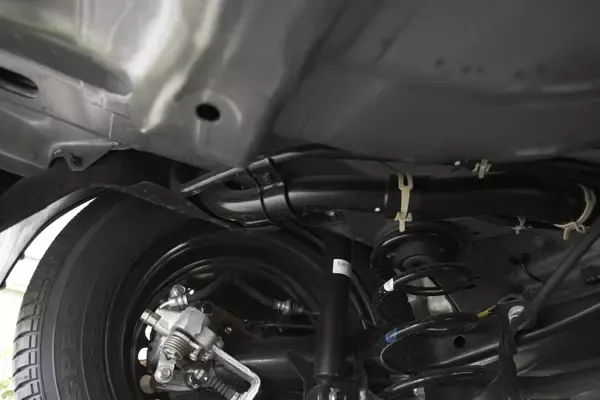
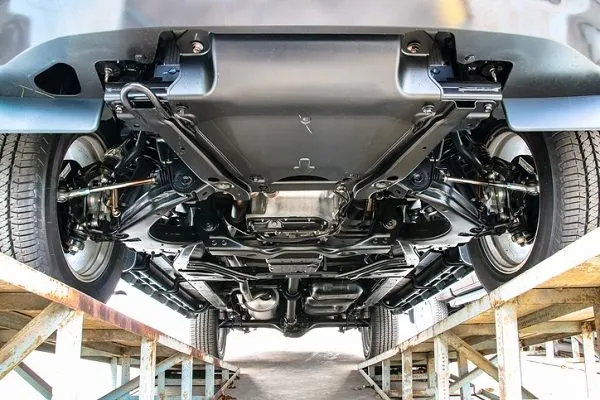
Underbody coating is a thick cladding (typically made of rubber) that is placed uniformly to the car’s underside. When the automobile is fresh off the lot and spotless, it is usually sprayed or painted on. But it’s acceptable if you apply the undercoating after a couple of years. This is because it might protect the undercarriage from additional harm.
Why using UnderBody coating :
In Indian road conditions, a cars underbody is most prone to corrosion. Underbody coating provides long term protection from corrosion to car’s underbody. It also protects parts like internal body panels, frame rails and other inner cavities that are not physically accessible but are prone to corrosion.
A car’s underbody is exposed the most to muddy terrains, potholes, debris and stones, and wet and even flooded roads that lead to corrosion of the underbody. Since the underbody is hard for us to inspect by ourselves, it is important to have an underbody coating in order to ensure your car is protected during these times. But here’s a list of reasons why you should get underbody coating and what all external factors it prevents.
Purpose:
- Protection against corrosion
- Protection of car vital components like silencer,engine, numerous other wires and small engine components for different purposes in the car.
- Reduces NVH(Noise Vibration Harshness) levels
- Car underbody coating prevents paint from chipping
- Covering all the welded joints
The Difference Between Rust Protection and Undercoating
Undercoating and rust protection often go hand-in-hand, but they are actually two different things. Rust protection generally goes inside your vehicle, while undercoating is used for protection outside of the vehicle, and there are a variety of coatings available. Depending on the level of damage and how much protection you want for your vehicle will determine which type of automotive undercoating you choose.
UnderBody Coating Types:
1.Rubberized under body Coating:
>This is widely considered to be the best underbody coating for your cars. It protects the underbody from scratches and keeps it properly. It’s also not difficult to apply this to the undercarriage. This can be done at the authorized service center or by the local repair shop at a reasonable price. Rubberized coating is ideal if you want to keep the road noise to a minimum and rust and corrosion away.
In addition to your undercarriage, rubberized undercoating is also safe to use on wheel wells and quarter panels, and dries to a soft rubbery finish that prevents further rust, damage, or moisture seeps. The coating can be painted over and, if necessary for bodywork, can be easily removed with an undercoating removal spray.
2.Wax Based Under Body Coating:spray.
This transitory undercoating will, on the whole, fade away after a few months. On the plus side, wax-based undercoating is resistant to dampness. It is also the most cost-effective alternative.
A paraffin-based undercoating will be the cheapest and quickest option available with which to protect the undercarriage of your vehicle. However, keep in mind that it will wear off quicker than other types of undercoating and will need to be stripped and reapplied at least once every year.
Wax-based undercoatings never truly harden. During application, they drip or flow into seams and cracks to provide protective properties. They are usually available in a spray gun canister or in an aerosol can and offer at least a base protection in moderately humid climates.
Asphalt-Based Undercoating
For standard vehicles, any of the aforementioned types of undercoating will provide sufficient protection. For large trucks and heavy machinery, asphalt-based undercoating provides a bit of extra durability against rocks, chips, and moisture.
Asphalt-based undercoating generally contains a little bit of rubberized material that sets up firmly and also helps soften noise. Generally sold in five gallon containers, this type of undercoating also needs more cure time than the other three, and is NOT paintable, making it best to use only for undercarriages.
Polyurethane Undercoating
The other option for undercoating your vehicle is to use a polyurethane-based sealant. This type of vehicle undercoating is a little bit quicker and easier to apply.
Oftentimes, polyurethane undercoating will come in canisters ready to preload into an application gun. This type of sealant works by seeping into all cracks and seams, displacing salt and moisture and oozing around rusty areas to bond with and protect unoxidized metal. It also sands quickly in case you'll need to perform bodywork and can be painted over.
On the flipside, this type of car undercoating generally requires a little bit more surface prep work before applying -- sanding and applying an etching primer to bare metals before using are generally recommended.
Pro's:
1. It provides a layer of protection against corrosion.
2. It will extend the life of your vehicle.
3. It can be applied to damaged areas.
4. It may help to reduce interior noise.
Con's:
1. It is less helpful if corrosion is already present.
2. It works best on new cars.
3. Most vehicles make it five years before corrosion begins to show.
4. It adds weight to the vehicle.
5. An undercoating is not impervious to damage.