Underbody Coating
Under body coating and its purpose:
It is a dense layer of coating which is sprayed or painted under the body of a car which is usually inaccessible to clean or maintain. The under body of a car is more prone to rust, corrosion and also has high chances of getting damage due to stones, muddy terrains, potholes and debris. Underbody coating prevents corrosion by not exposing the body directly to the dust and air. It can withstand up to certain level of damage causes by stones. A vehicle with good undercoating has better life compared to a vehicle without undercoating.
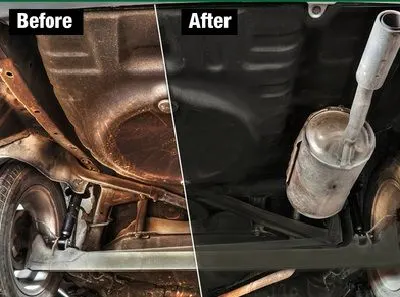
Types of under body coating:
There are different types of under body coating. It is classified based on its composition.
Rubberized Underbody Coating:
Rubberized underbody coating is considered as the best underbody coating among all other types. This rubber-based coating provides insulation against noise and protects from stones. This is available in spray which can be used easily.
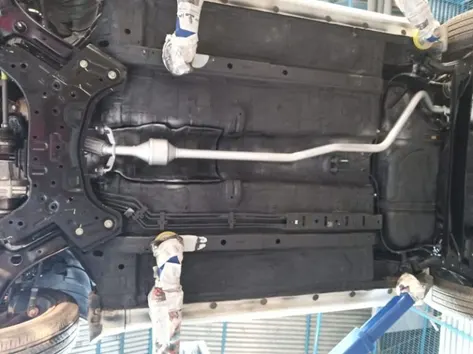
Wax Based Underbody Coating:
This is the most inexpensive coating among all other coatings. Wax based coating is good for moist conditions as it repels the moisture. The main disadvantage of this underbody coating is, it quickly fades away.
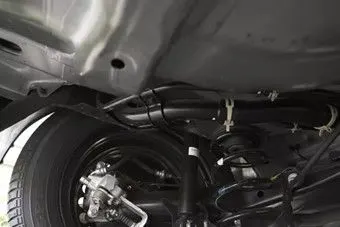
Asphalt Based Automotive Undercoating:
Asphalt based undercoating has certain advantages than wax-based coating. This type of coating can last up to 5 years. This type also requires surface preparation, because there is a chance of sealing rust under this coating. Asphalt based coating continue to get dried over time and develops cracks. Asphalt based coating is widely used for heavy vehicles, as it provides good protection.
Polyurethane Underbody Coating:
This coating seals all the fractures and splits under the body. Polyurethane coating binds with the metal well and also gets into cracks to displace salts and moisture. This can be repainted unlike Asphalt based undercoating. This is also corrosive resistant like all other underbody coating.
Advantages of underbody coating:
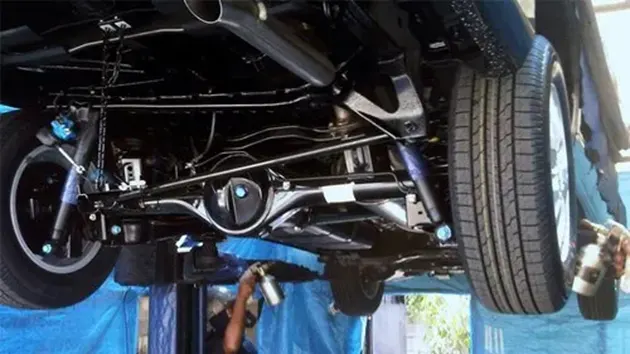
- Undercoating provides another layer of protection to the undercarriage of a vehicle.
- Underbelly of the car can easily get rusted or corroded due to accumulation of oxidizing agents such as salts, moisture and other chemicals. Under coating stops all such agents reaching the underbelly of the vehicle.
- A good undercoating reduces noise in the cabin by acting as an insultation.
- It also protects from minor hits usually caused by stones, potholes and debris.
- Not only undercarriage, undercoating protects vital components of a car such as engine, gear box and breaking systems. This results in less wear and tear of the vehicle thus prolonging vehicle’s life.
Disadvantages of underbody coating:
Disadvantages of underbody coating depends on the type of undercoating.
- Wax bases undercoating fades off quickly compared to others.
- Asphalt based cannot be repainted or sprayed on the body unlike Polyurethane coating.
- Adds minimal weight on the vehicle.
- Applying underbody coating on rusted or old vehicle is less effective.
- Surface of the old vehicle should be prepared before applying underbody coating.
- The last and important disadvantage is its cost.