Underbody Coating
AIM :
To make a detailed report explaining about under-body coating, its types and its pros and cons by adding relevant images
THEORY :
Underbody caoting is a thick, durable coating that is placed to an automobile's underbody or chassis to guard against impact damage from small stones, which would quickly chip regular paint and cause rusting to start.
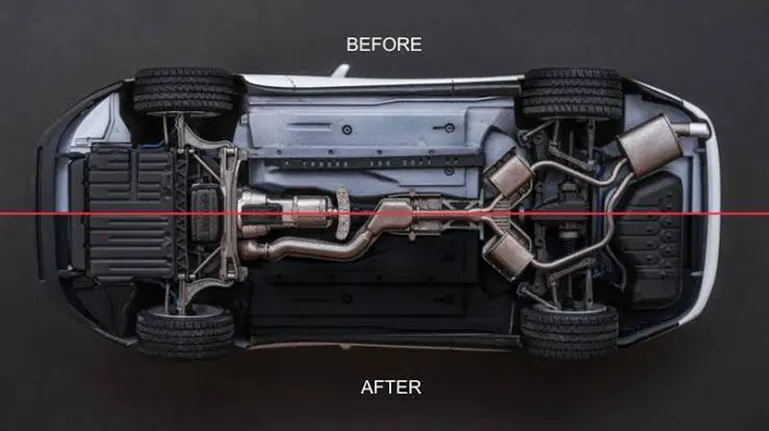
Underbody Coating
Underbody coating is a special coating given to the underbody of an automobile. The primary reason the coating is applied is to prevent and reduce corrosion/rusting of the surface, which occurs due to oxidation of the metal. It is also necessary to apply this coating to reduce damage caused by the flying debris from the tyres onto the surface. This coating can be specified by the customer to be applied onto the surface during the manufacturing process or can be applied separately after the vehicle is recieved.
Pros and Cons of using an underbody coating
1)Pros:
- i) Rust Prevention: Underbody coating ideally should be applied when the car comes out new from the factory, when there are no dust particles present. This will result in a good adhesive coating to prevent rusting of the underbody surface and also extending the life of the parts. It becomes extremely important to apply this coating when the vehicle is to be driven close to coastal areas.
- ii) Protection against debris: It is one of the primary reasons for applying an underbody coating. During its lifetime, a vehicle travels over debris the entire time, and this is especially true for Indian roads. These debris fly off from the tyres and hit the underbody, and can possibly damage the underbody components which can get expensive. By giving a sufficient coating the longevity of the sufrace can be increased.
iii) Sound reduction: Applying thick layers of covering can reduce the sound within the cabin upto a certain degree. Rubberized paint can reduce the noise from the tyres, the road and the debris.
- iv) Easier maintenance of the vehicle: By giving a uniform coating, the underbody is well protected from moisture, which means that for cleaning the underbody water can be used. A good coating can ensure that water does not enter the components and start rusting prematurely. The coating also prevents retention of water within the parts, which can lead to creation of slush.
2)Cons:
i)High cost: The cost of underbody coating has reduced over the years, but it is still expensive. The option of applying a coat at the dealership can get quite expensive, since dealerships will look forward to making profits and hence increasing the price for an underbody coating..
ii)Damage during application: In case of thick rubberized paints, if the coating is not applied properly, then there is a possibility of the paint getting into moving parts and create mechanical failures. It can affect the differential, propeller shafts, joints and even the suspension. If not done carefully, there is also the possibilty of the coat damaging the paint job at the lower edges of the car.
iii)Added weight: Although insignificant, there is a possibility that the extra weight can affect the fuel economy of the vehicle.
2)Types of Underbody Coating:
i)Rubberized coating: It is the most common as well as the cheapest method of applying underbody coating. The paint, which can be obtained in the form of a spray or liquid, is applies on the required places, which then dries to give a rubber like finish. This is good for adhesion with the surfaces as well as reducing the sound from the cabin. It provides excellent moisture and debris protection. But it can substantially increase the weight of the vehicle and can also damage the parts of the vehicle if not done properly.
ii)Asphalt/Bitumen based coating: It is usually used in larger vehicles such as trucks and heavy machinery, since it providers a higher level of protection. Some rubberized material can be added to it to reduce noise. It provides protection from chips and moisture, but paint cannot be applied on such a coating, and hence can only be used on the underbody of the vehicle. Suitable for off-road vehicles also.
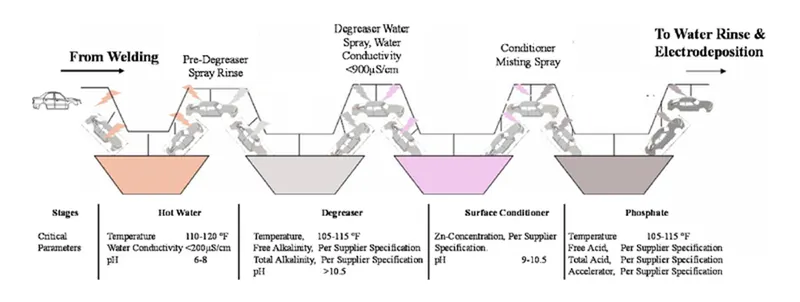
iii)Polyurethane/PVC coating: It is a special type of coating which works by sealing up cracks and seams. The material displaces salt and moisture to protect unoxidised metal from rust. It is sold in canisters to be loaded in an application gun, which can be bought for persomal use and also used within the manufacturing units using robotic arms. But some surface preparation must be done before applying the coating, such as degreasing and applying an etching primer to the metal
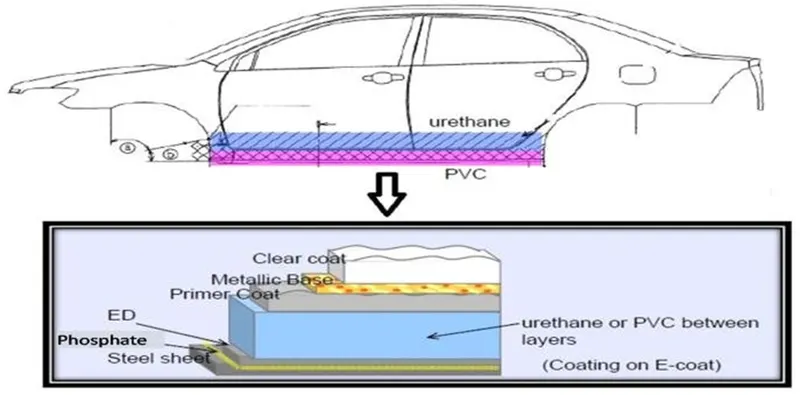
- iv) Wax or paraffin-based coating: This underbody coating technique is one of the least expensive. It comes in spray form and penetrates cracks and seams fast to offer mediocre moisture protection. However, because the layer must be reapplied every few months and does not last very long, this procedure is not very efficient. Additionally, the wax doesn't stick to the metal surface very well.
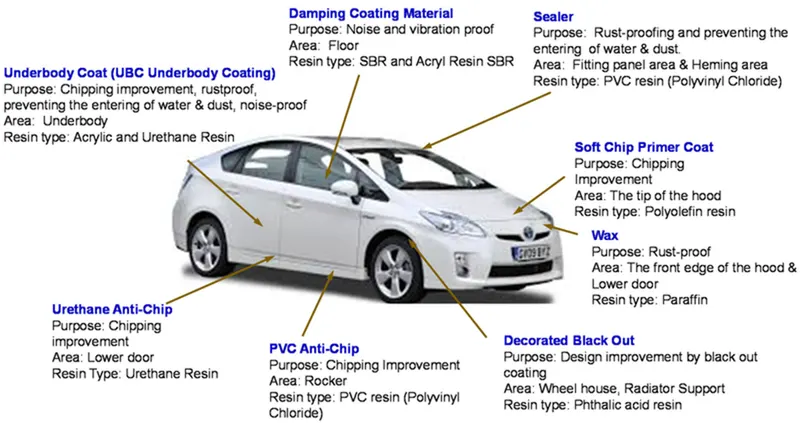
(Fig4 all types of coting)
CONCLUSION :
As a concluding statement, we can state that a yearly clean-up and touch-up are required in addition to underbody coating, which is essential to protect the underbody from dirt and grit.