Underbody Coating
UNDERBODY COATING
Underbody coating -
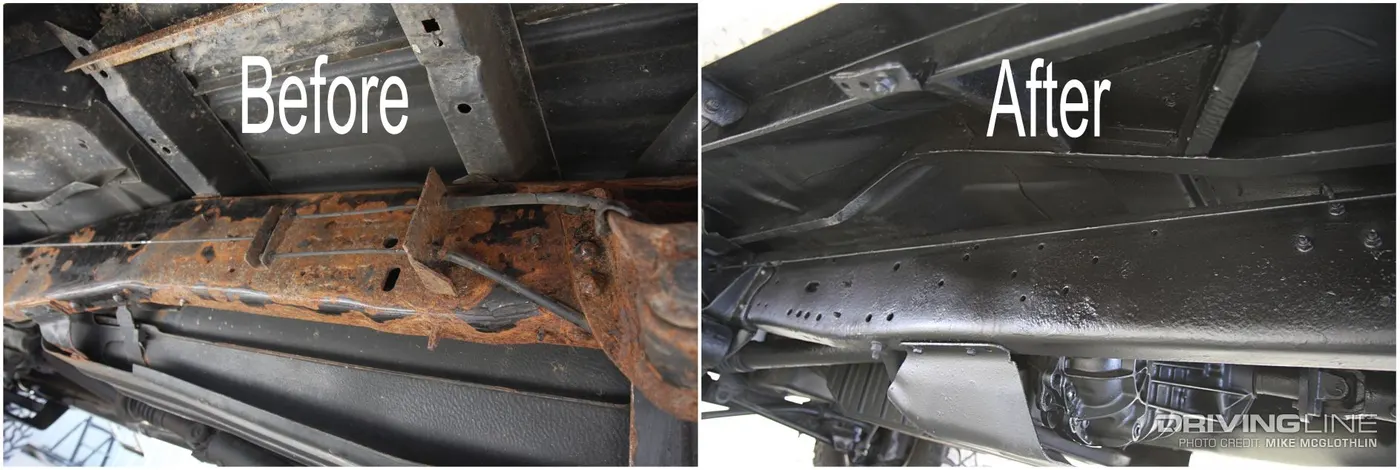
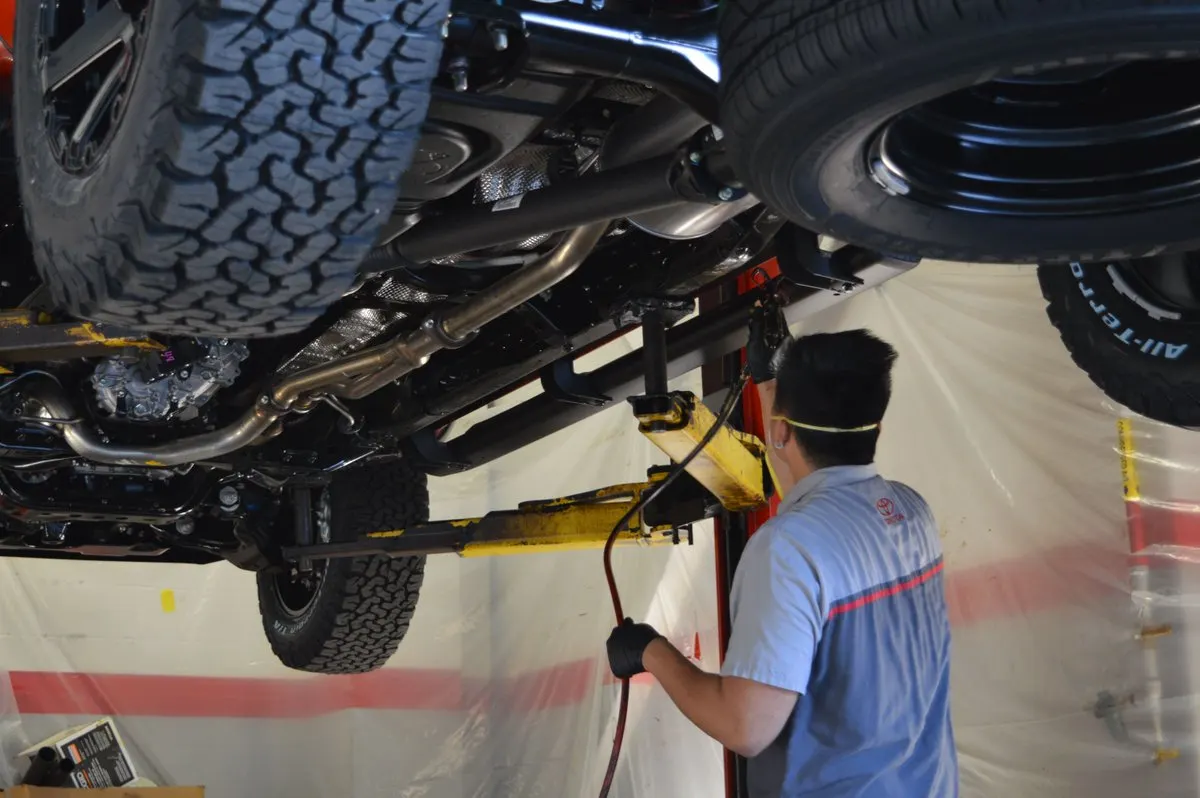
Underbody coating provides long term protection from corrosion to car's underbody. It also protects parts like internal body panels, frame rails and other inner cavities that are not physically accessible but are prone to corrosion. Most premium under coating materials have a shelf life of at least one year after being opened. Others can only last for a few months, then they start to wear off. The best time to have vehicle rust protection applied is definitely winter and summer. These are two periods of the year with a different environment and when the roads are not maintained with tons of abrasives and are not constantly wet and covered with deicing salt. The most important areas to be cleaned before an application is the undercarriage and wheel wells where dirt and mud coming off the tires can collect.
TYPES OF UNDERBODY COATING
Rubberized Undercoating
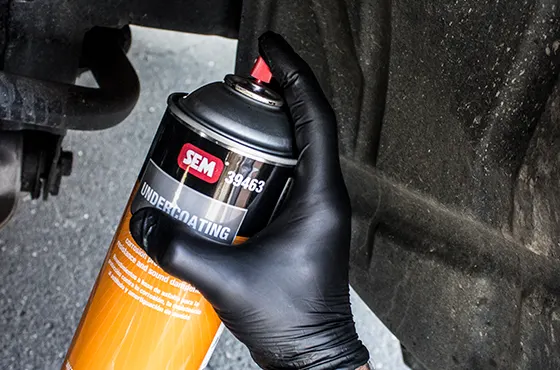
In addition to your undercarriage, rubberized undercoating is also safe to use on wheel wells and quarter panels, and dries to a soft rubbery finish that prevents further rust, damage, or moisture seeps. The coating can be painted over and, if necessary for bodywork, can be easily removed with an undercoating removal spray.
Polyurethane Undercoating
This type of car undercoating generally requires a little bit more surface preparation work before sanding and applying an etching primer to bare metals before using are generally recommended.
Wax or Paraffin-Based Undercoatings
A paraffin-based undercoating will be the cheapest and quickest option available with which to protect the undercarriage of your vehicle. However, it will wear off quicker than other types of undercoating and will need to be stripped and reapplied at least once every year.
Wax-based undercoatings never truly harden. During application, they drip or flow into seams and cracks to provide protective properties. They are usually available in a spray gun canister or in an aerosol can and offer at least a base protection in moderately humid climates.
Asphalt-Based Undercoating
Asphalt-based undercoating generally contains a little bit of rubberized material that sets up firmly and also helps soften noise. Generally sold in five gallon containers, this type of undercoating also needs more cure time than the other three.
PROS UNDERBODY COATING
Extends the life time of your vehicle -
If the undercoating is applied properly, it can extend the lifetime of your vehicle for a significant amount of time.
Vehicle undercoating gives your car rust prevention power and makes your ride safe and functional. When you don’t apply it to your vehicle, then quick rust is the outcome, which will lead to corrosion.
Provides an extra layer of protection -
In most cases, new cars, SUV’s and trucks come with a good protection underneath. But, if you are living in cold climates or coastal areas, having a coated underpart is a great advantage.
It provides your car with an extra layer of protection from rust and corrosion. While driving your car, road debris will come into contact with the undercoating instead of underneath metal components.
Reduce internal noise -
Once your car is undercoated, it can reduce the interior noise inside of your vehicle and comparatively provide you with a more peaceful ride.
Self applied Facility -
It is always preferable to go for professional touch for any kind of technical maintenance. But if your budget is tight, you need not to worry about it much. With your basic car maintenance skills, you can do the job for yourself.
Comes with several undercoating methods -
When you go for undercoating your vehicle you might come across several methods that are applied for this job. Among them, the electronic method, dripless oil spray and drip oil methods are well known.
CONS OF UNDERBODY COATING
Less effect in corrosoin already exist -
Once there is rust underneath, vehicle undercoating won’t give you much effective results. Though the coating will be covering the damage that already took place, but the rust inside will continue its job to lead to corrosion.
Works well on new vehicle -
If your car is already old enough or you bought a used one, then undercoating wouldn’t be a good choice. As coating the underneath of a used or old car requires the removal of all the residue, it will cost you more which is definitely not the best idea.
Not imprevious to damage -
If you are bound to drive on dirty areas, gravel roads, it can reduce the quality of this protective layer earlier than expected.
Need to reapply every 3 to 5 years -
For protection, you need to make sure you are ready to invest in undercoating your vehicle every 3 to 5 years.
EXAMPLE
The main purpose of undercoating is to prevent from stone clips, prevent from paint chipping, protect agaisnt rust and corrosion ,protect vital components , reduce noise vibration and harshness.