Underbody Coating
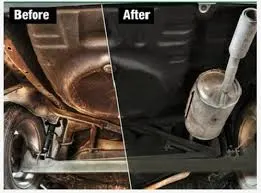
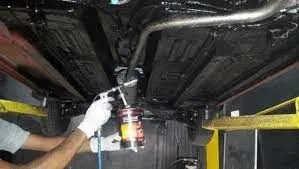
Underbody coating provides long term protection from corrosion to car's underbody. It also protects parts like internal body panels, frame rails and other inner cavities that are not physically accessible but are prone to corrosion.
Here the Example of before and after underbody coating,
Types of Underbody coating –
- Rubberised under body coating –
Rubberized Undercoating helps protect the undercarriage of cars, trucks, vans and recreational vehicles from corrosion and abrasion. The coating may also be used to protect wheel wells, quarter panels, interior sides of fenders, the underside of the hood, the bottom sides of floor pans and more.,
2. Wax based underbody coating –
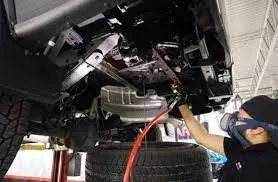
This – more or less – ephemeral undercoating will wear away in a few months’ time. On the upside, wax-based undercoating puts up a big fight against moisture. It is also the most affordable option out there.
3. Asphalt based under body coating –
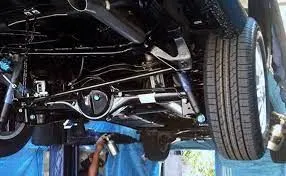
It's formulated with some bits of rubberized material to aid in noise reduction. It offers extra protection against chips and moisture but is not paintable and, therefore, only suitable for undercarriages
4. Polyurethane underbody coating –
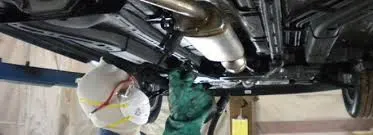
This coating closes up splits and fractures on the underbody of the vehicle. It offers up good protection against corrosion and also bonds with the metal. Unlike in the case of asphalt-based coating, you can paint over the polyurethane coating.
Pros of underbody coating:
1. Absorb Noise:
The sounds of the road can be loud. For lightweight vehicles, noise pollution can be overwhelming to the driver in some situations. Applying a layer of undercoating creates a barrier against the sound, which creates an interior that is noticeably quieter.
2. Reinforcement:
If your car comes with stock underbody coating, using another coating on top of it, is good. It will offer additional reinforcement, protecting the underbody from water, road debris, gravel and small pebbles.
3. self-applied:
Rustproofing works best when you have this service professionally applied to your vehicle. If money is tight, however, and you have some basic car maintenance skills, then you can do the work yourself.
4. Prolongs car life:
Good undercoating not only defends the underbody from corrosion but also protects the engine and transmission as well! Less rusting coupled with slower wear and tear can surely add years to the lifespan of your vehicle. There would be fewer dents, dings and scratches on the undercarriage for you to fret about.
Con’s of underbody coating –
- It’s less helpful if corrosion is already present.
- It adds weight to vehicle.
- It’s not impervious to damage.