Underbody Coating
What is underbody coating?
- Underbody coating is a thick cladding (made of rubber) that is placed uniformly to the car's underside.
- When the automobile is fresh off the lot and spotless,it is usually sprayed or painted on.
- But it's acceptable if you apply the undercoating after a couple of years.
- This is because it might protect the undercarriage from additional harm.
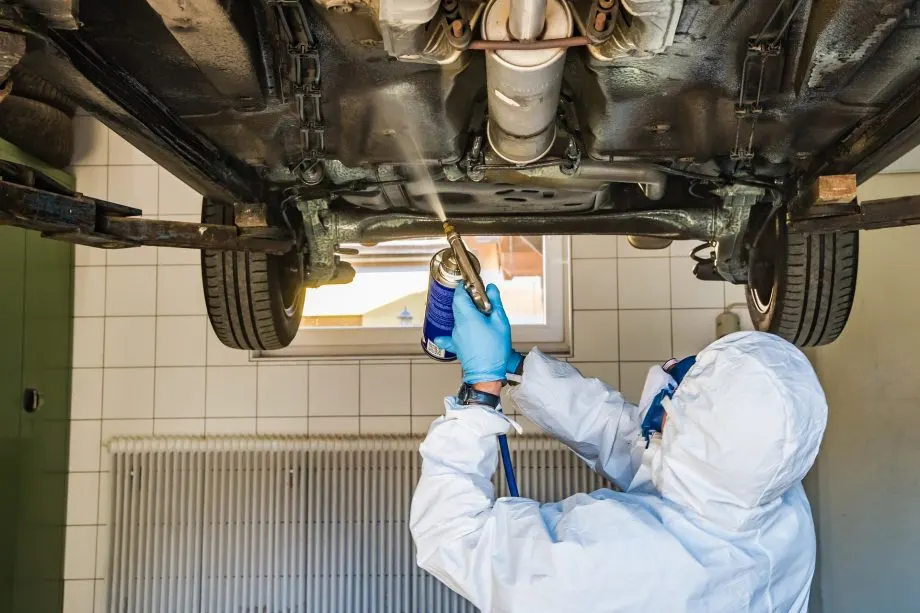
What is the purpose of underbody coating?
- This treatment is designed to provide long-term protection from rust to the under chassis. It protects the underbody substrates from.
- Environmental conditions.
- Impact.
- Dampens sound and vibration.
- Insulates against cold and heat.
- Protects against corrosion.
- Seals off seams.
- Hides wlds, repairs and bodywork with spray.
- This are the purpose of underbody coating.
What are the types of underbody coating?
- Rubberized underbody coating
- Wax based underbody coating
- Asphalt based automotive underbody coating
- Polyurethane underbody coating
1.RUBBERIZED UNDERBODY COATING
- This is widely considered to be the best underbody coating for your car.
- It protects the underbody from scratches and keeps it properly.
- It’s also not difficult to apply this to the undercarriage.
- This can be done at the authorized service center or by the local repair shop at a reasonable price.
- Rubberized coating is ideal if you want to keep the road noise to a minimum and rust and corrosion away.
2.WAX BASED UNDERBODY COATING
- This transitory undercoating will, on the whole, fade away after a few months.
- On the plus side, wax-based undercoating is resistant to dampness.
- It is also the most cost-effective alternative.
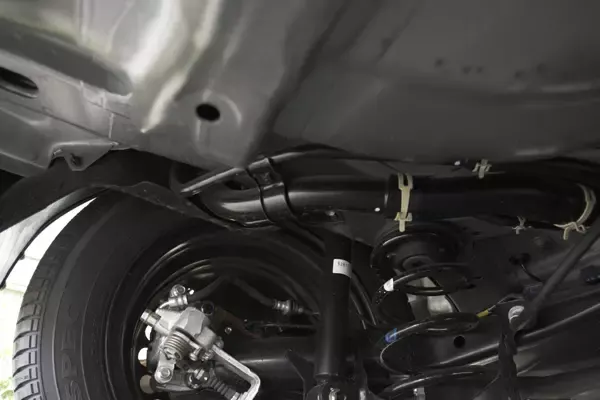
3.ASPHALT BASED AUTOMOTIVE UNDERBODY COATING
- Suitable for lorries, trucks, and other heavy vehicles.
- In comparison to rubber-based coatings, this gives a higher level of protection.
- Asphalt-based coatings, on the other hand, incorporate a small quantity of rubber for sound insulation.
- The application of this coating, however, takes some time.
4.POLYURETHANE UNDERBODY COATING
- This covering seals breaks and fractures in the vehicle’s underbody.
- It provides strong corrosion resistance and also binds to the metal.
- Unlike an asphalt-based coating, the polyurethane coating may be painted over.
What are the pros and cons of underbody coating?
Pros of underbody coating
- Fights rust.
- Absorbs noise.
- Reinforcement.
- Prolong car's life.
- It may help to reduce interior noise.
Cons of underbody coating
- It must be reapplied every 3 to 5 years for the best results.
- It adds weight to the vehicle.
- Maintanence cost.