Underbody Coating
Underbody coating in an automobile
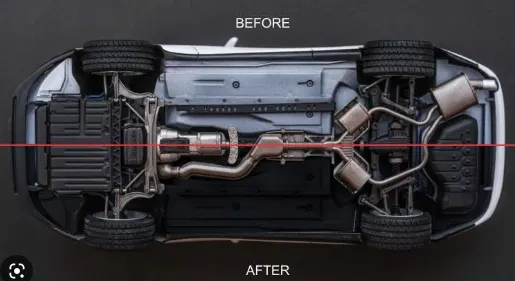
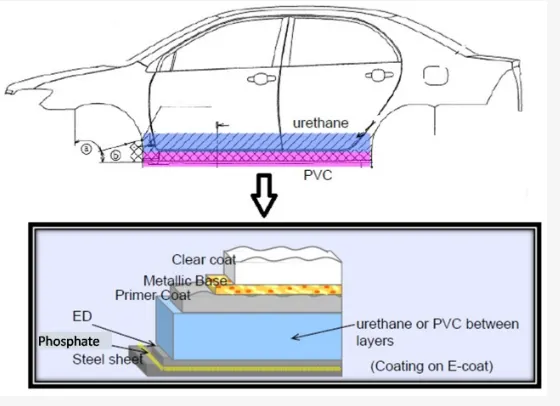
Underbody coating is a rubberized paint that forms a 2-3 mm thick coating all along the underside of the body. You also get a thinner clear coat underbody coating which is like a lacquer that coats the entire underside of the car. Some even inject rust-preventive coating material into crevices such as the bottom of doors and door sills, to protect them from rust.
Underbody coating provides long-term protection from corrosion to the car’s underbody. It also protects parts like internal body panels, frame rails, and other inner cavities that are not physically accessible but are prone to corrosion.
Purpose:
Underbody structural components are commonly coated to include the first layer of corrosion protection. Antirust coatings help to deter or prolong rusting of steel and iron artifacts or to offer lasting corrosion safety.
Advantages of underbody coating:
- Rust Prevention
Ideally, any additional underbody coating should be applied when the car is brand new and clean. Car manufacturers use thick paints and sealants for the underbody, but adding an underbody coat especially in coastal cities is useful. Salt water tends to corrode cars really badly.
On bad roads, flying stones and pebbles can chip off the original underbody coating and leave the metal exposed. Using an aftermarket underbody coating offers extra protection.
- Sound insulation
The thicker underbody coatings used on cars also act as effective sound dampeners. They can reduce road noise and tyre noise and make the cabin seem quieter – due to the sound absorptive nature of rubberized paints.
- Easy maintenance
A uniform black underbody coating gives a car a clean look. It also makes the car easier to maintain by just hosing the underside down. You can be confident that slush build up won’t lead to rusting easily. Most underbody coats these days come with a five-year warranty, which is the lifetime of such a coating.
Disadvantages of underbody coating:
- High cost
The cost of underbody coating has come down but is still expensive. This is because underbody coating offered by a car dealer is one way in which they make money off the customer.
- Risk of damage during application
Care must be taken while applying underbody coating. This thick rubberized paint if not applied properly, can get into moving mechanical parts and cause premature failure – such as into the U-joint or CV joints in a cars propeller shaft or drive shafts. They can also hinder smooth movement of suspension components, if applied incorrectly. And there’s also the risk of overspray on to the car’s paint finish on the lower edges of the car.
Types of Underbody coating:
- Water- and Paraffin-Based Undercoats
Water-based undercoatings are the most popular for do-it-yourselfers. These undercoatings can be found in automotive parts stores in aerosol formats. Water-based undercoatings are thin set and have quick drying times. The downside to water-based undercoatings is the frequency in which they need to be repeated. Often the smallest abrasion that breaks through the undercoating can result in the need for a new coat. Paraffin-based undercoatings have a wax inclusion that makes them stronger than water-based undercoatings. Paraffin-based undercoatings can be purchased through an automotive store in spray and paint-on formats. This type of coating is also thin set and relatively fast drying. Paraffin-based undercoating needs to be replaced at least once a year at the vehicle owner's expense.
- Petroleum- and Rubber-Based Undercoats
Petroleum-based undercoatings are made from oil and have greater deflective abilities for road salts and grime. The petroleum base helps repel water and ice better than paraffin- or water-based undercoatings.. This type of undercoating also needs to be replaced once a year at the owner's expense. Rubber-based undercoating is the second strongest undercoating available for vehicles. This type of undercoating allows for more flexibility in the undercarriage and holds up better to rough terrains. Rubber-based undercoatings are available in spray and paint-on applications.
- Asphalt-Based Undercoats
Asphalt-based undercoating is the strongest undercoating available. It is used on all-terrain and military vehicles. Asphalt-based undercoating will last the longest and is the best option for vehicles that endure heavy road use. Asphalt-based undercoating is the thickest coating with the most damage-resistant properties. It can be bought through professional services and is the only type of undercoating with a limited warranty.