Underbody Coating
Aim:-Write a one-pager about Under-Body Coating and its purpose, its types in detail, and its pros and cons.
Objective:-
- Explain the Under-Body coating Process
- It's Type
- It's Purpose
- Pros and cons of under-body coating
THEORY:-
- What is the Under-Body coating Process?
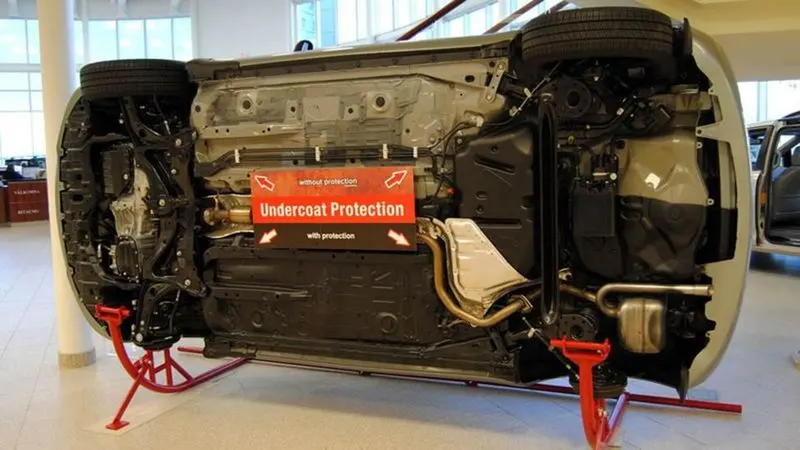
The under-body coating is the process in which the car manufacturing companies applied a thick coating of 2-3 mm of rust preventing a solution to it. This process is basically done at an angle where the whole part of the car which is going to be manufactured is dipped inside the solution tank. This process is basically done before the layer of the paint is going to be done on the part. Here the sheet metal parts are usually hinged on the railing which is continuously moving after that the hinged sheets metals parts of the car are dipped inside the solution at an angle of 360 degrees and it is basically done at a short period of time In this time the part is completely going to twice dip and that part gets completely dipped comes out from the solution with 2-3 mm thickness of the solution. Underbody coating provides long-term protection from corrosion to the car’s underbody. It also protects parts like internal body panels, frame rails, and other inner cavities that are not physically accessible but are prone to corrosion. A car’s underbody is exposed to the most wear and tear caused by muddy water, potholed roads, stones, and other obstacles on the road. Because it’s not in plain sight, we often do not see the damage. Underbody protective coating is used to protect the vehicle chassis from the external environment, to ensure the integrity and safety of the car. The use of underbody coating plays a very important role in the service life of the vehicle. In general, it is required to spray such a protective coating in the manufacturing of the new car.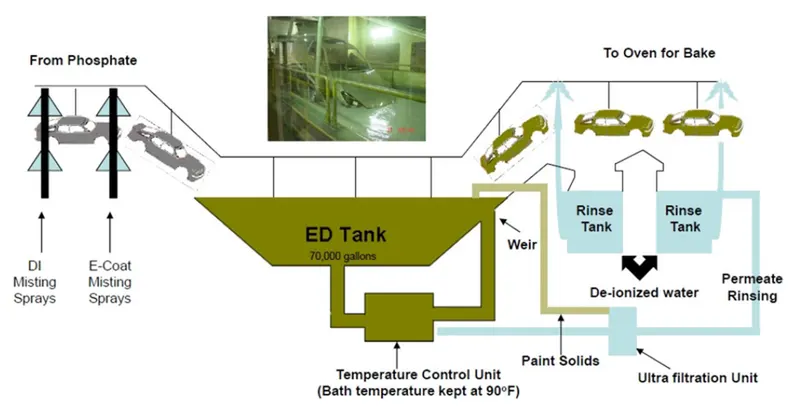
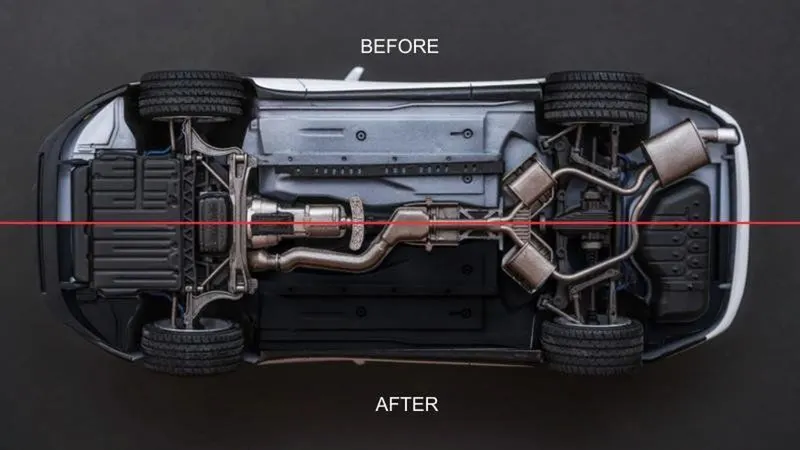
- What are the types of Under-Body coating?
- Rubberized underbody coating -
- Was based on underbody coating
- Asphalt automotive underbody coating
- Polyurethane underbody coating
- Rubberized underbody coating is the best type of underbody coating type. It is long-life underbody coating prevents corrosion and as well as from the scratches
- Wax-based underbody coating times get worn within a short period of time, but it has one advantage that is it sucks moisture very easily and it is affordable very easily on the market.
- Asphalt-based automotive undercoating is best and suitable for large vehicles such as trucks and lorries. it is better than the rubber underbody coating type because it has a small amount of rubber which is used for the noise insulation process.
- polyurethane underbody coating is best according to some other type because it has a property that tells us it will make a Greater and stronger bond with rubber and it is corrosion resistant. It closes the splits and features on the underbody coating of the vehicle.
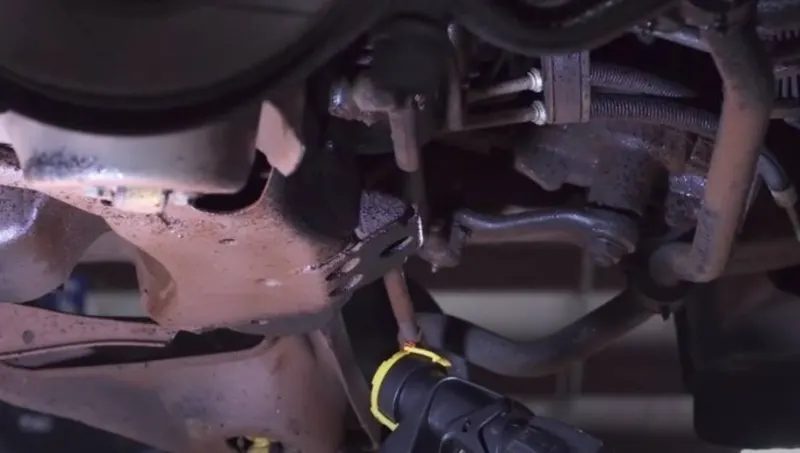
- What is the purpose of the underbody coating?
Rusting occurs when the current passes through the anode (a piece of metal that gives up electrons like a dude making it rain at a strip club) to the cathode (a metal piece that accepts electrons – like that aforementioned stripper on the pole) through the electrolyte (a liquid supporting the movement of electrons). The electrolyte provides the fuel, which is oxygen in this case, to the anode. Oxygen reacts with the anode, releasing some electrons free. The electrons move from the electrolyte to the cathode. The metal at the anode starts disappearing and depositing as rust. This rusting of iron or steel results in corrosion.
The coating solution stops electrolytes from penetrating inside the metallic surface. Road salt, salt water, and typical wastewater play the role of electrolytes most of the time. Such undercoating products last for years. You might also get a lifetime warranty with some of them.
- What are the pros and cons of under-body coating?
Advantages of under-body coating:-
- It increases the life period of the car
- It restricts the noise pollution
- It prevents rust and corrosion
- It reduces the noise wireness harness
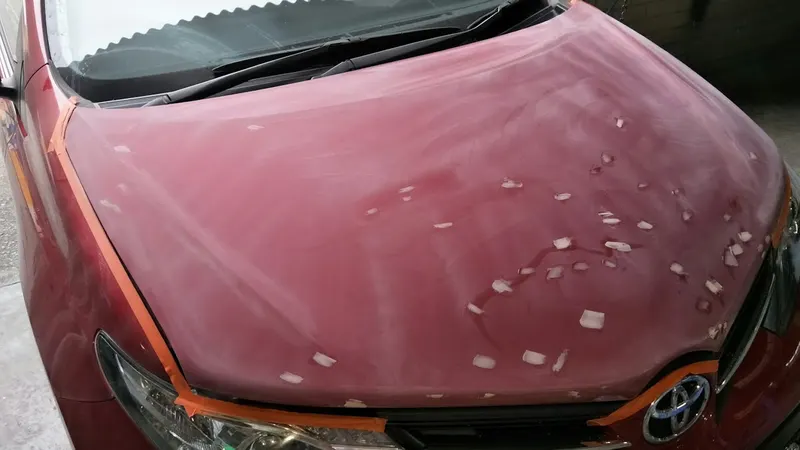
- It Prevents the paint chips
- It prevents the stone chips
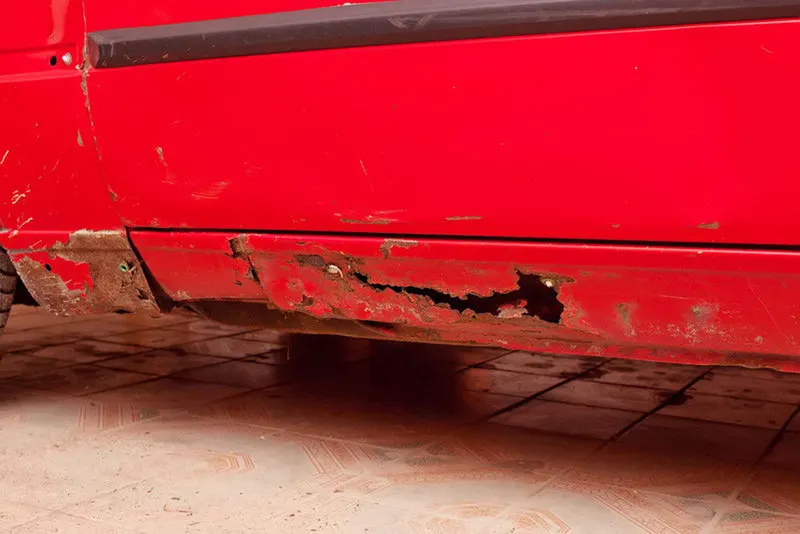
Disadvantages of under-body coating:-
- If the corrosion is already present then it does not work
- It adds extra weight to the vehicle
- It must be reapplied after 3-5 years for the long life span of the car
- It is best suitable only for new cars undercoating is not impervious to damage.
- An undercoating can provide a hardened layer of protection against dirt and debris that may cause corrosion. Depending on where you drive, however, the lifespan of this product may be minimal. If you drive your vehicle on gravel roads or dirty areas frequently, you reduce the integrity of the protective layer.
CONCLUSION :
In final conclusion, we can say that Underbody coating is a must to make sure the underbody is given a layer of protection from all grime and grit and annual clean-up and touch-up is necessary.