Steady Vs Unsteady flow over a cylinder
Simulation of flow over a cylinder to explain the phenomenon of Karman vortex street.
Aim: To simulate flow over cylinder for varying Reynolds number
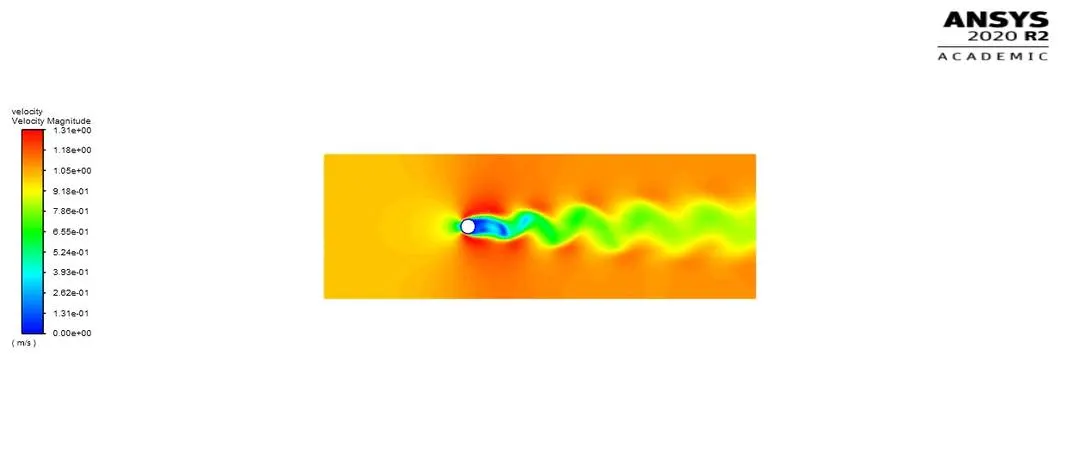
In fluid dynamics, vortex shedding is an oscillating flow that takes place when a fluid such as air or water flows past a bluff (as opposed to streamlined) body at certain velocities, depending on the size and shape of the body. In this flow, vortices are created at the back of the body and detach periodically from either side of the body forming a von karman vortex street. The fluid flow past the object creates alternating low-pressure vortices on the downstream side of the object. The object will tend to move toward the low-pressure zone.
Procedure:
1. Generate surface as shown below
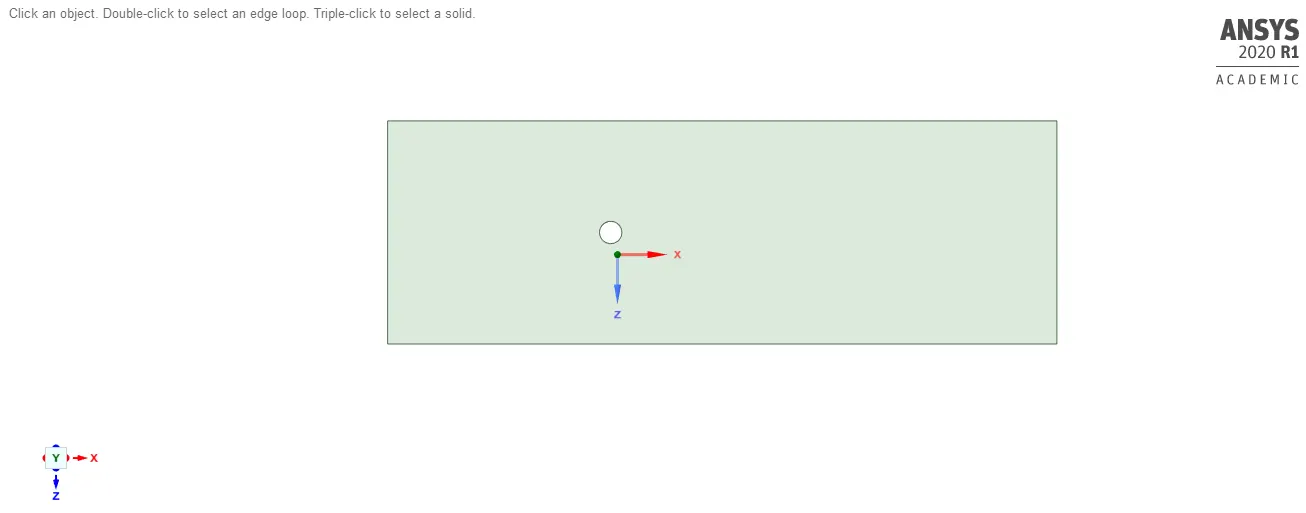
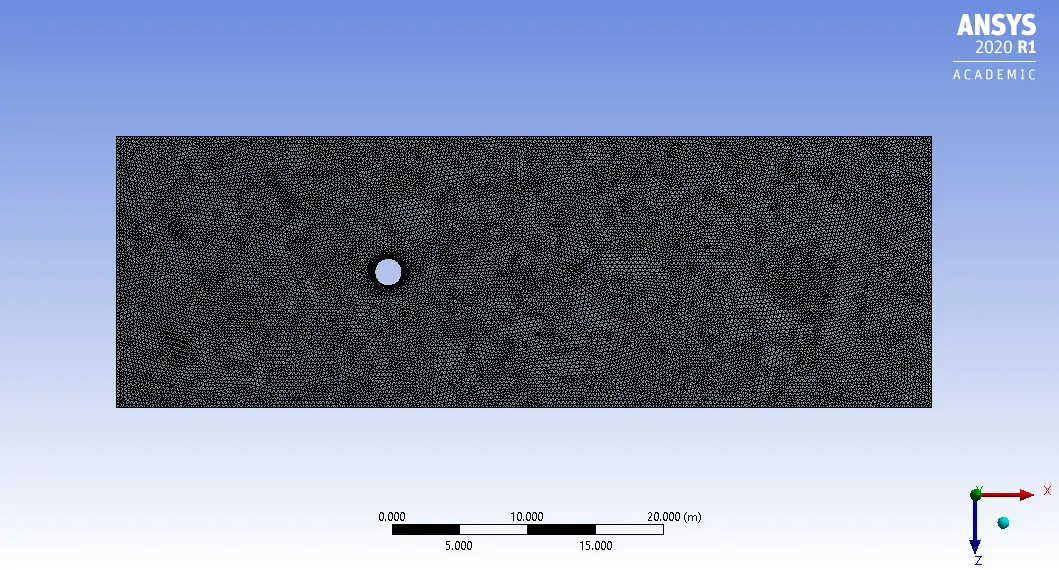
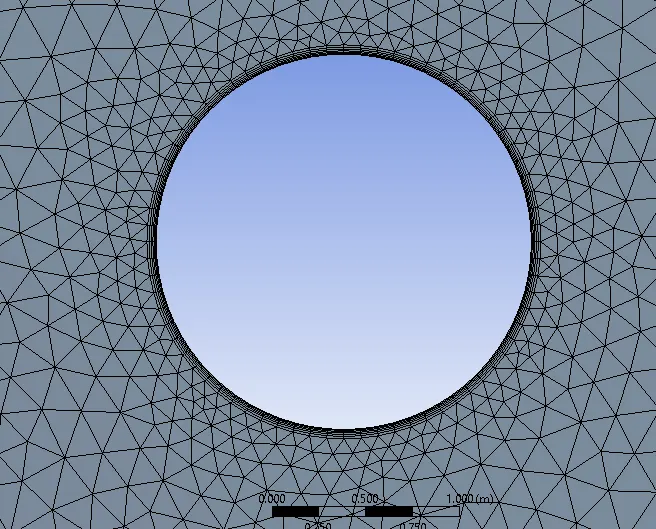
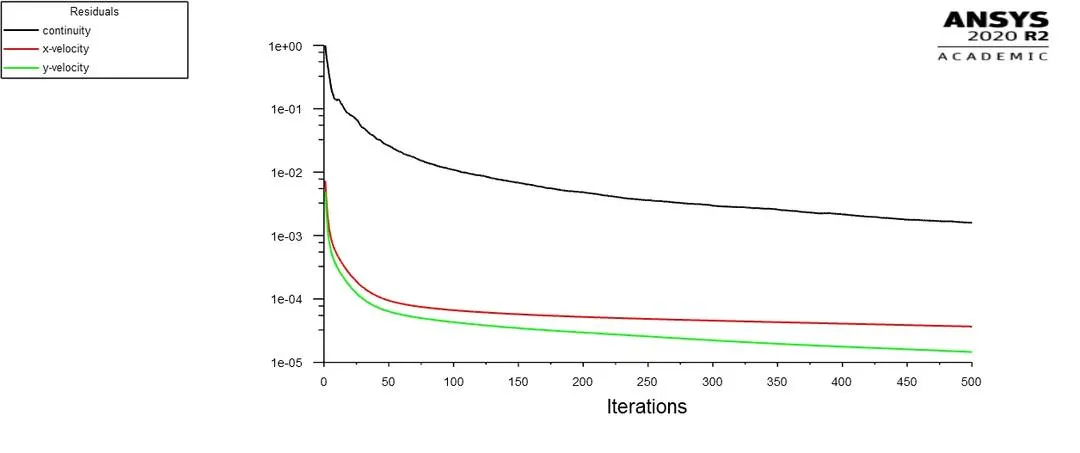
3. Provied required velocity at inlet and vary the dynamic viscosity for fluid used to get the required Reynolds number and run the solution for both steady and transient states.
Results:
Steady State simulation
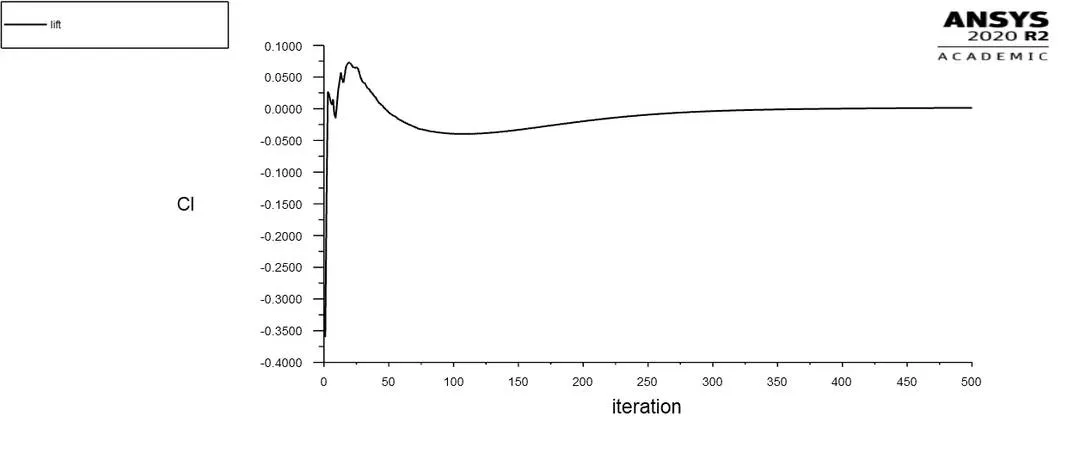
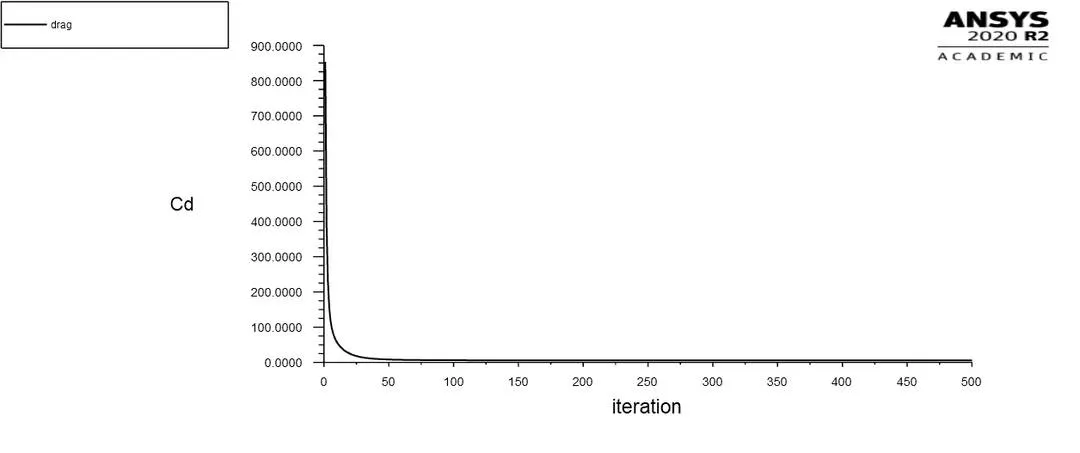
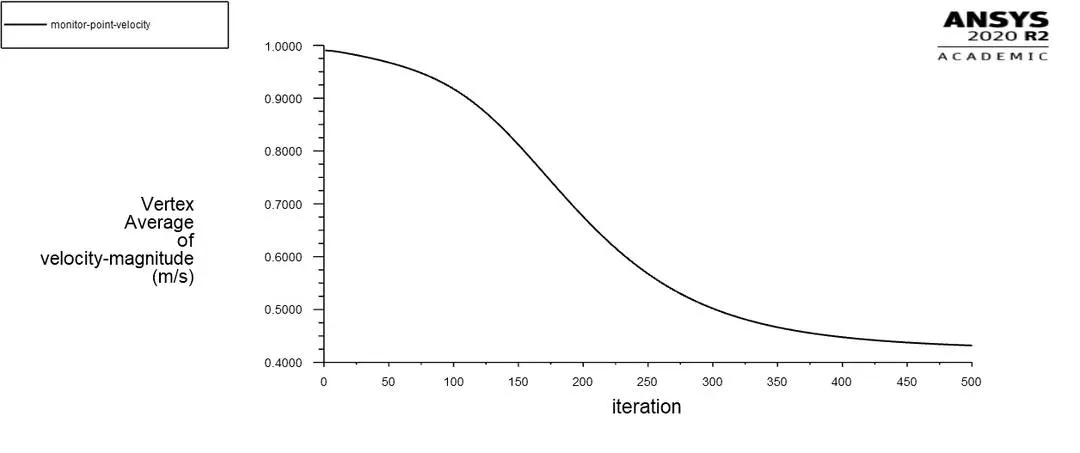
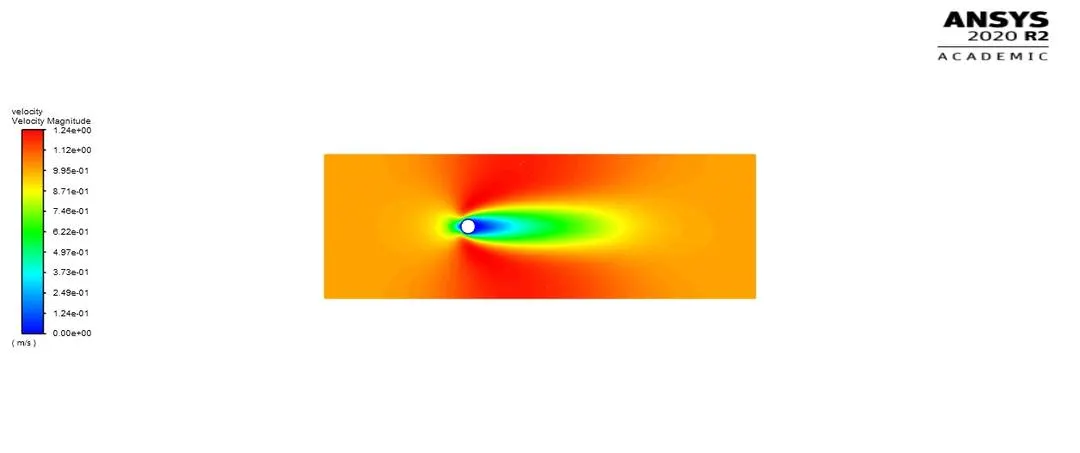
Case 1: Re=10, v=1 m/s, viscosity=0.2
Case 2:Re=100, v=1 m/s, viscosity=0.02
Case 3:Re=1000, v=1 m/s, viscosity=0.002
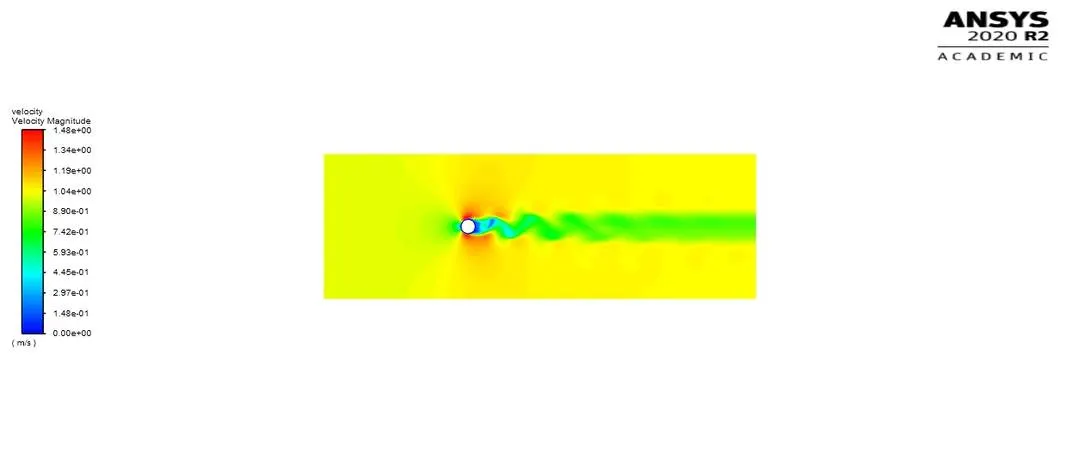
Case 4:Re=10000, v=10 m/s, viscosity=0.002
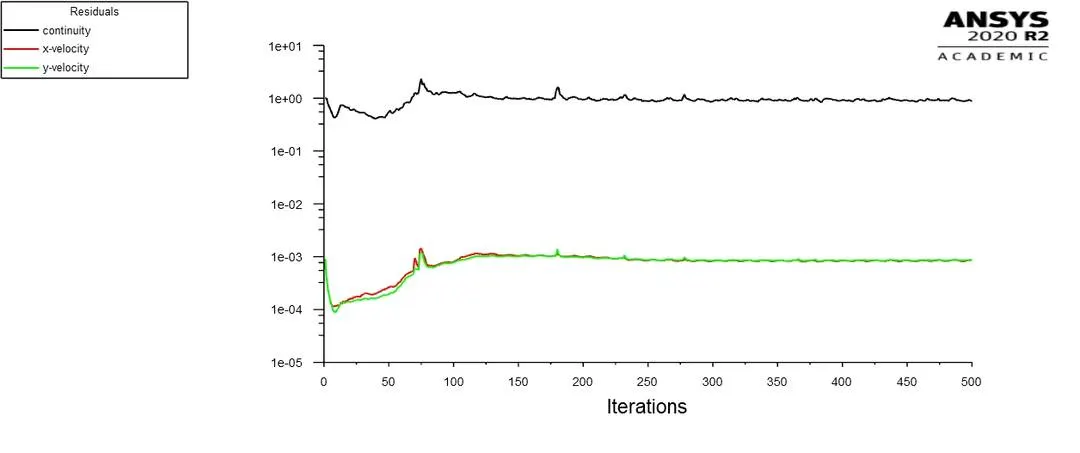
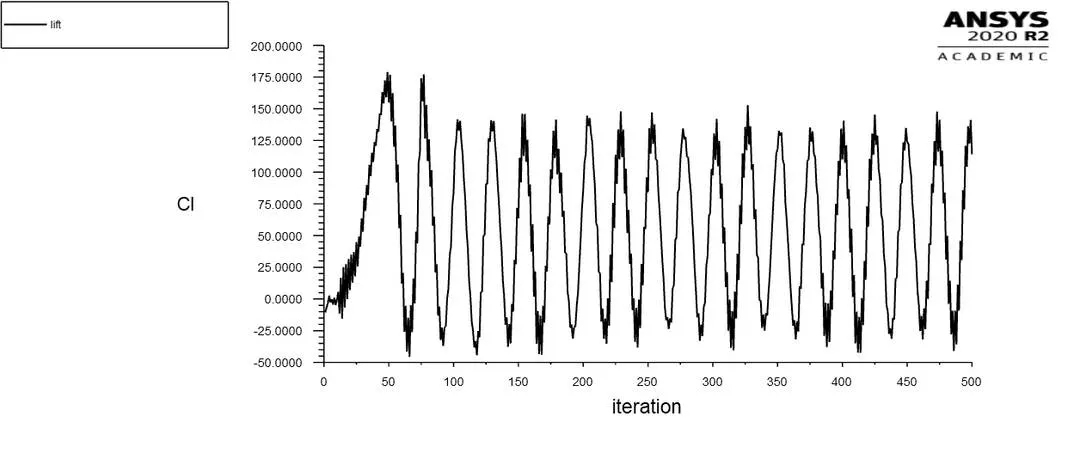
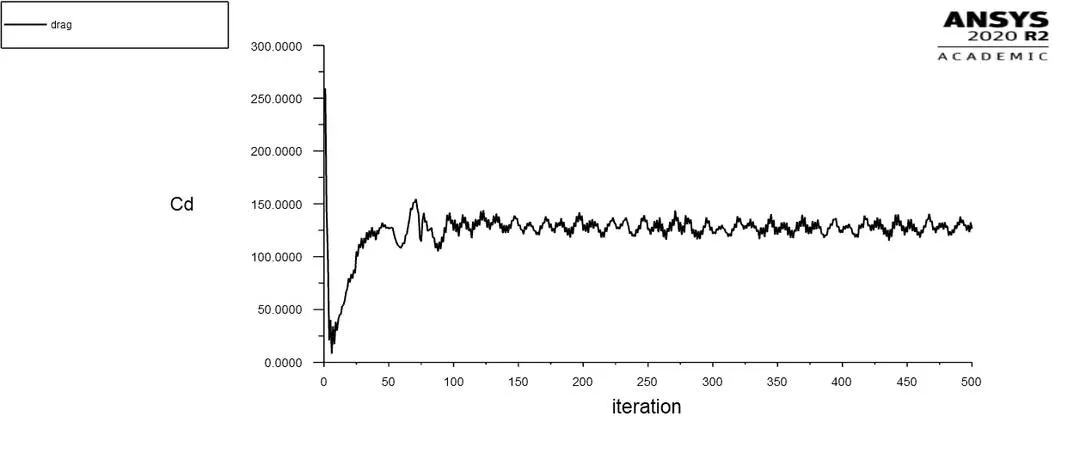
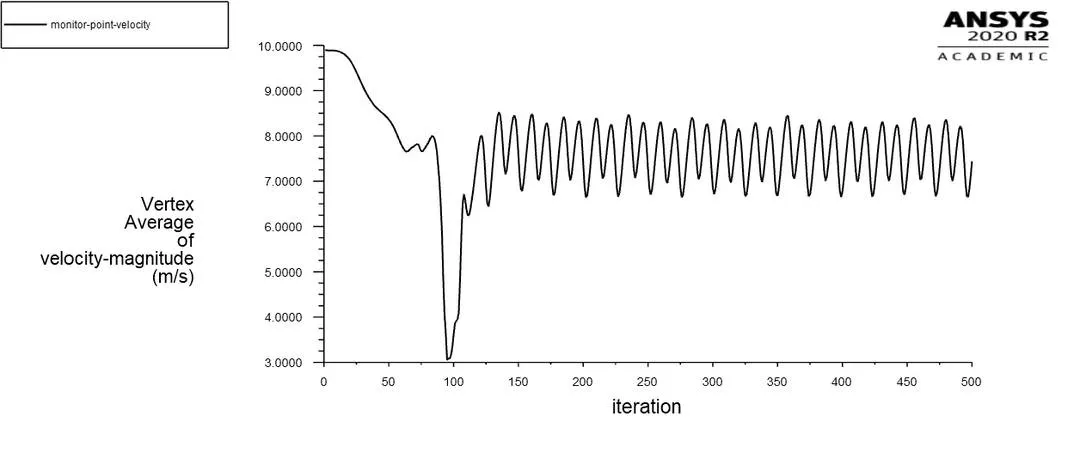
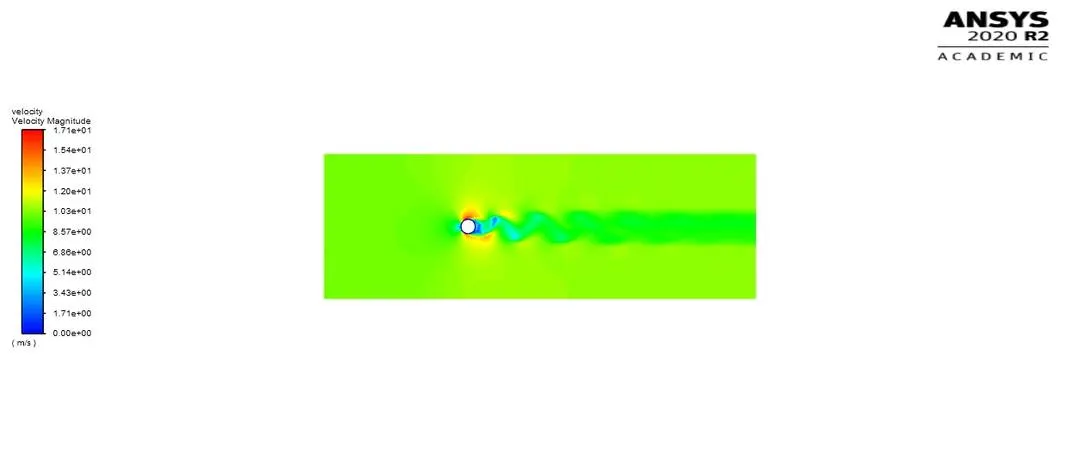
Case 5:Re=100000, v=100 m/s, viscosity=0.002
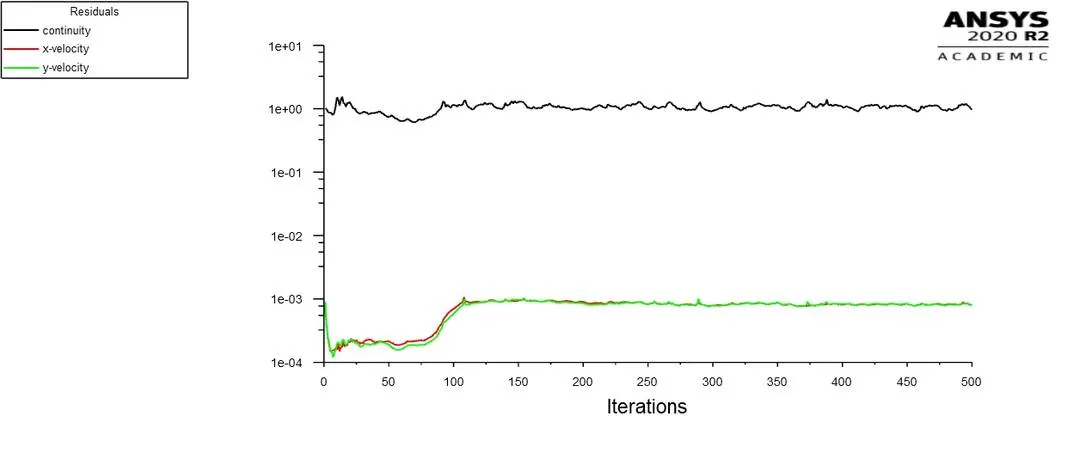
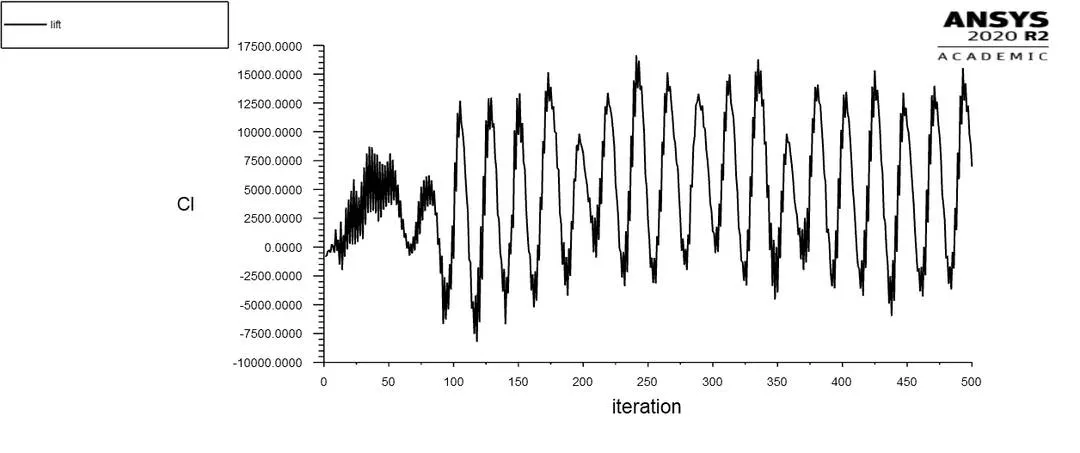
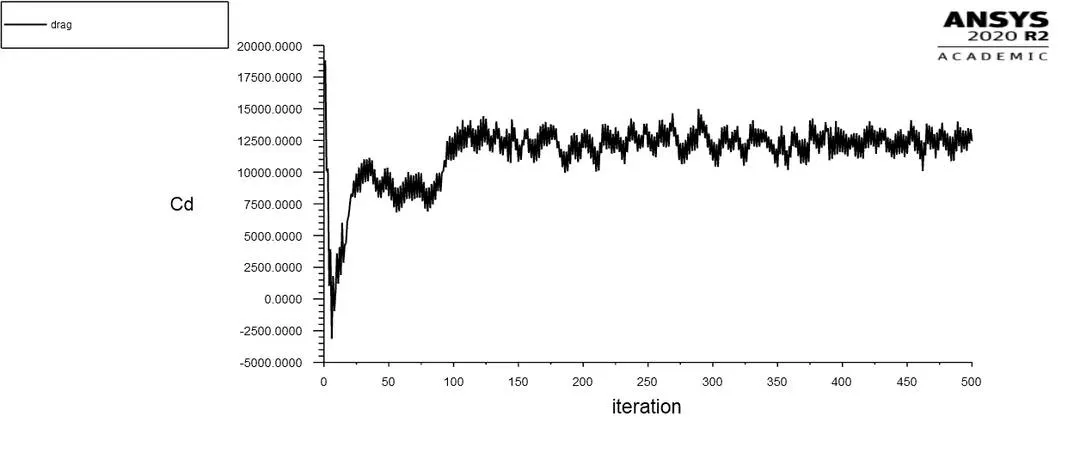
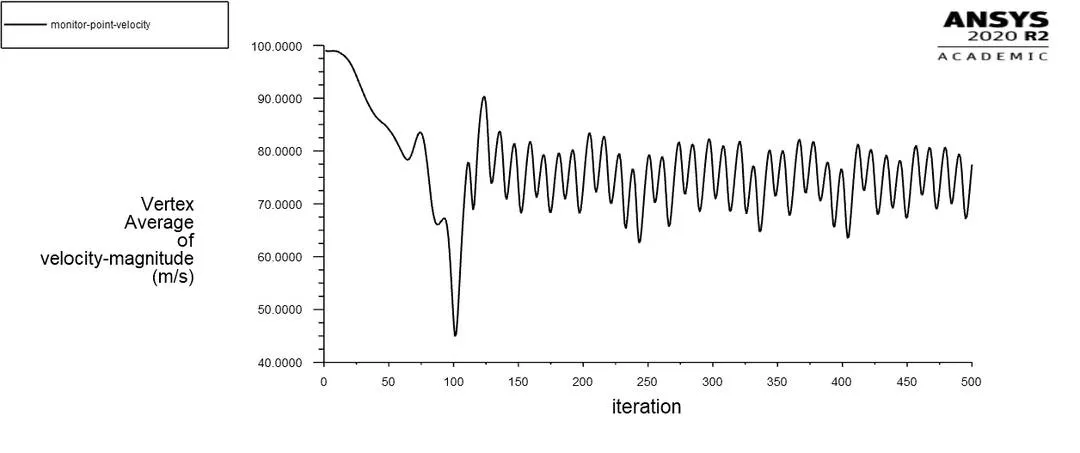
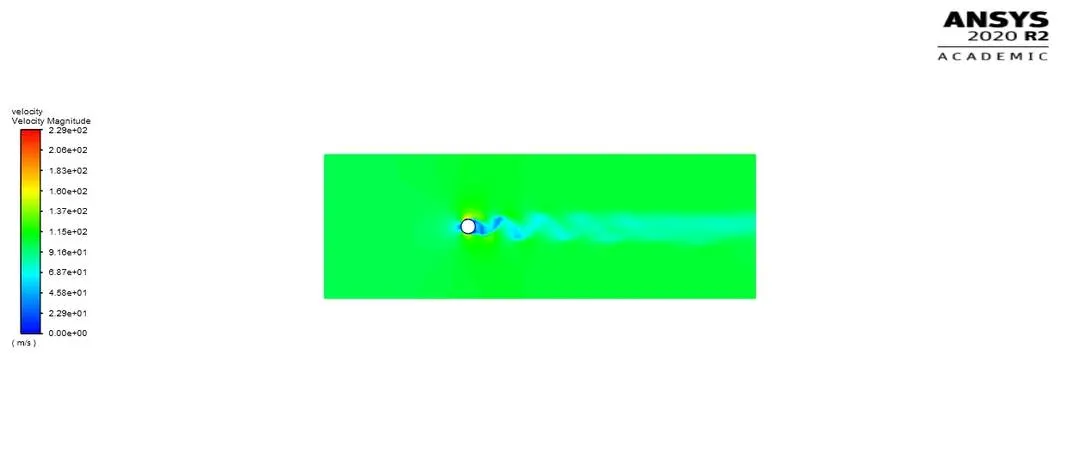
Transient State simulation
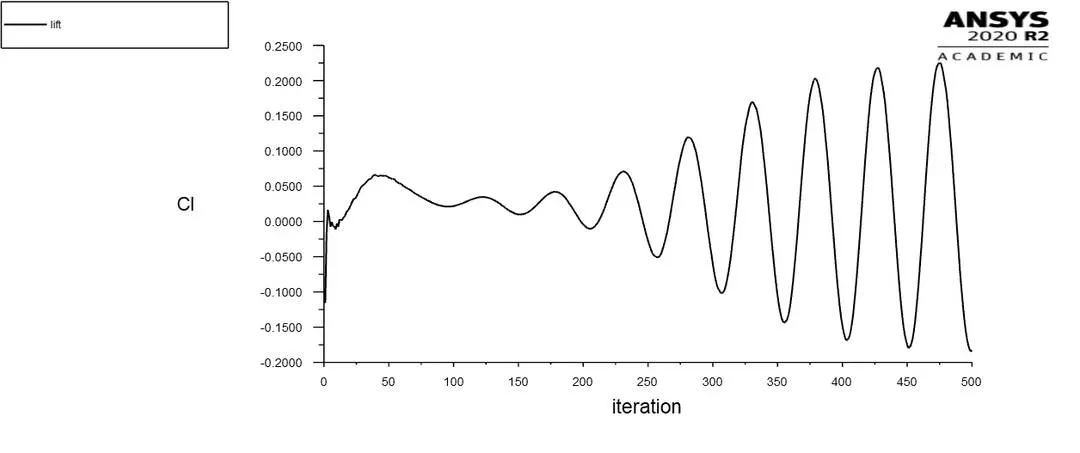
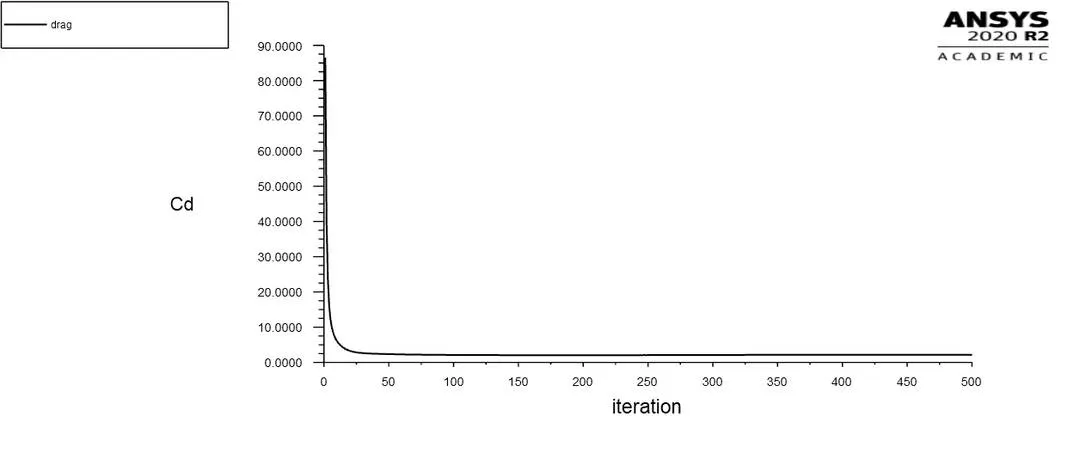
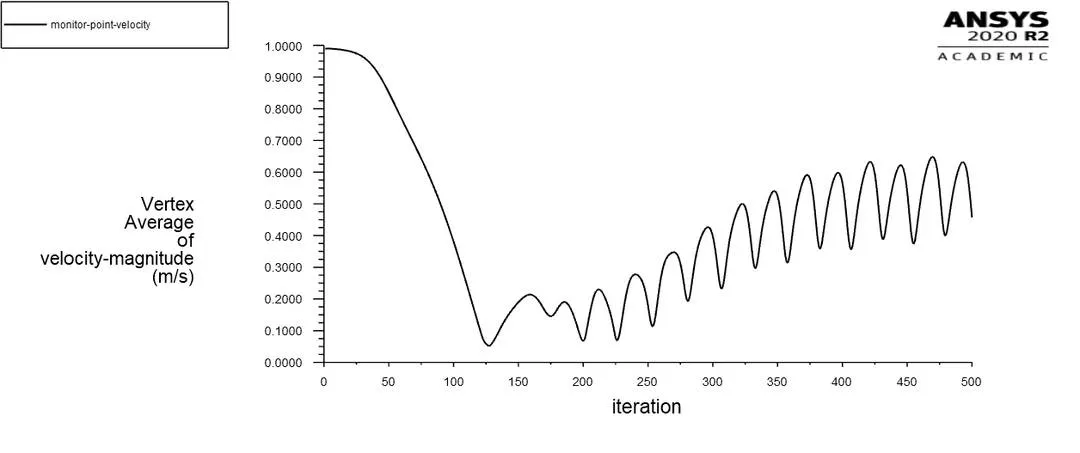
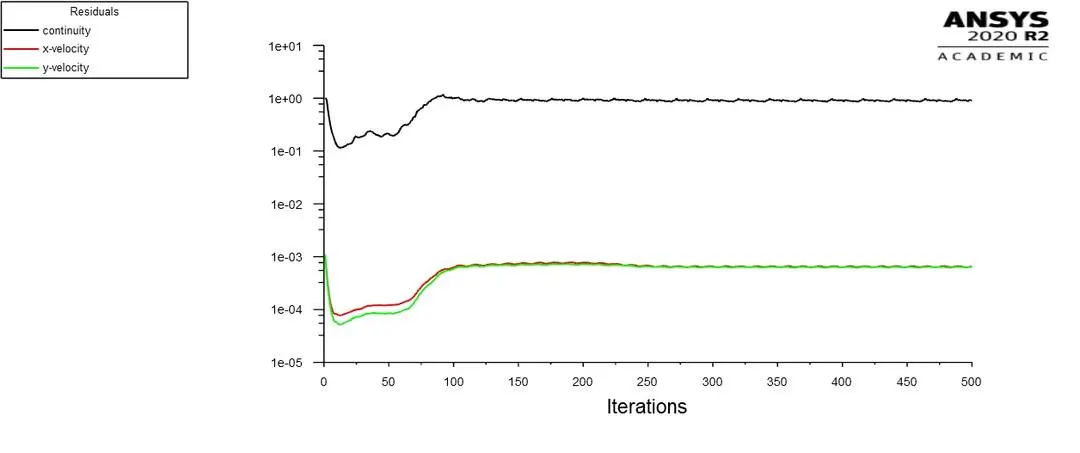
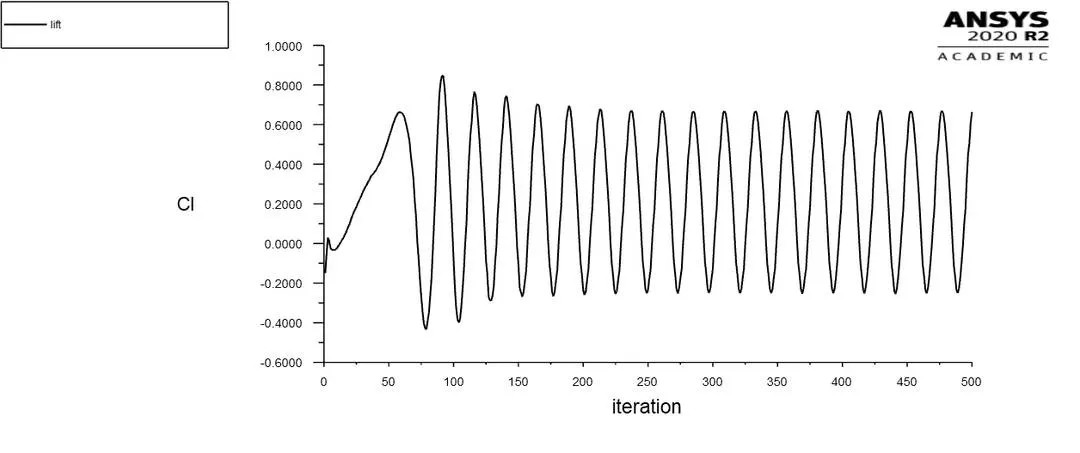
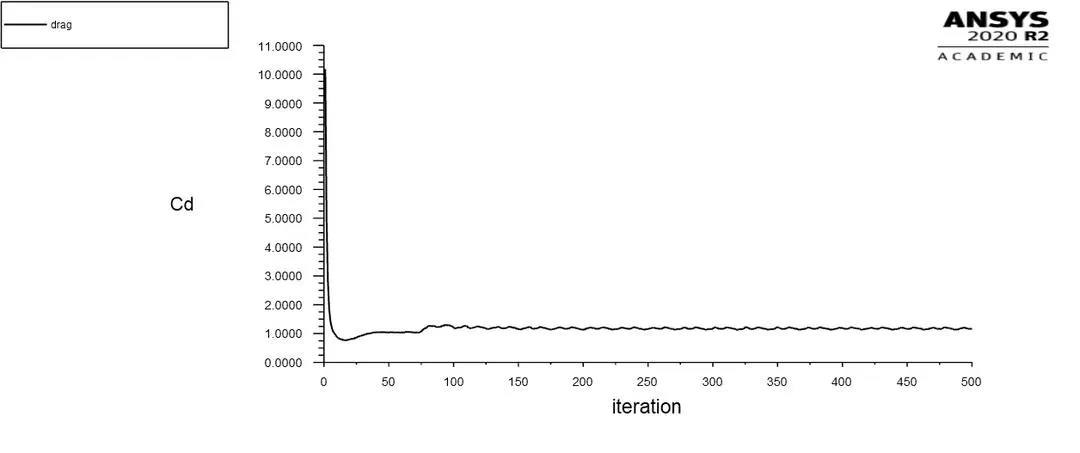
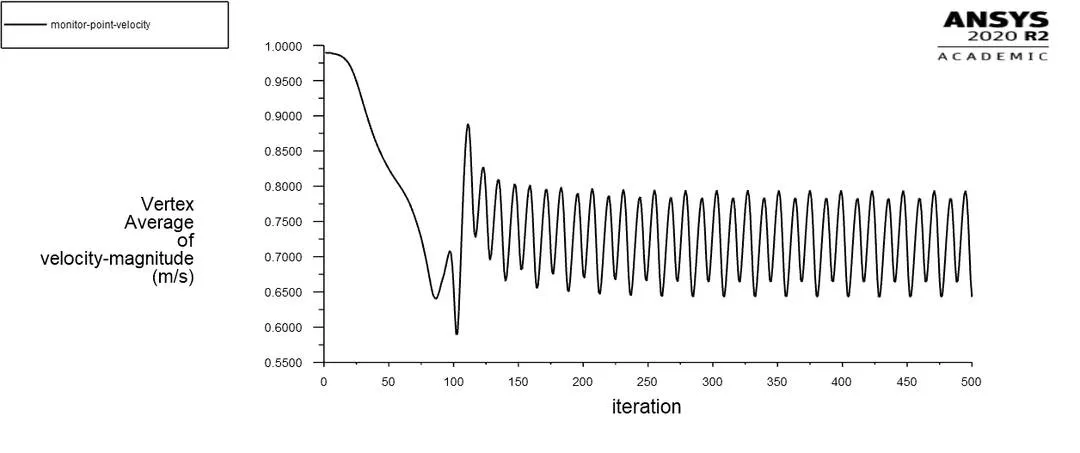
Case 1:Re=100, v=1 m/s, viscosity=0.02
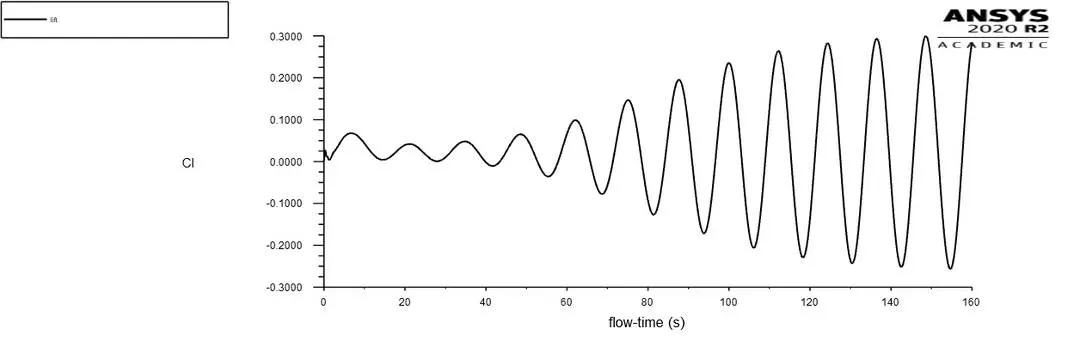
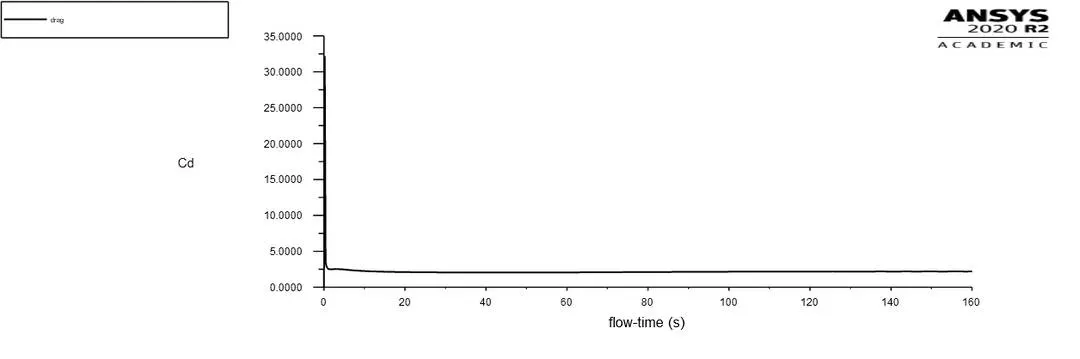
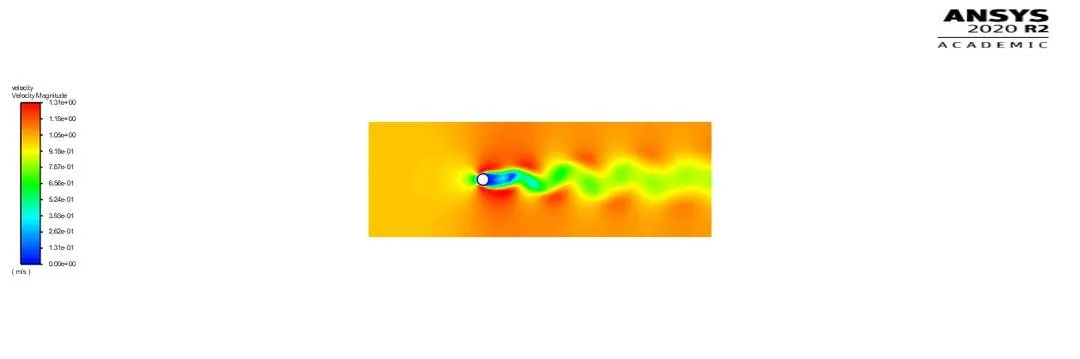
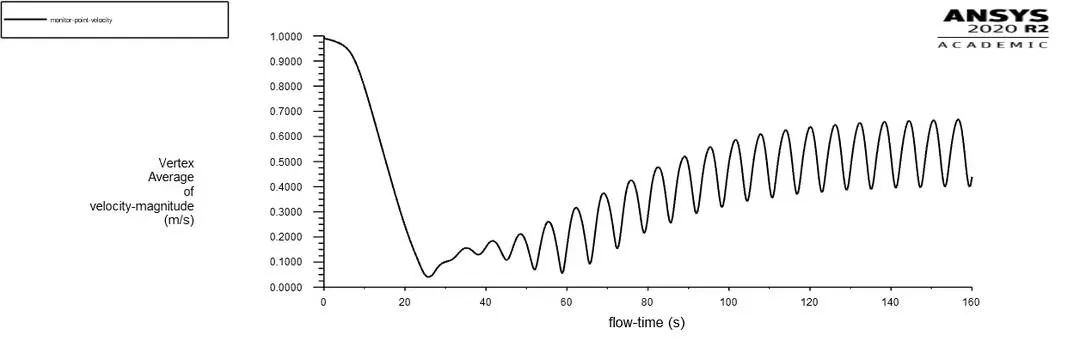
Frequency = 13 crest between 80 and 160 s = 13/80
Strouhal number is a dimensionless number describing oscilating flow mechanisms.
St=f*L/U
where f is the frequency of vortex shedding, L is the characteristic length and U is flow velocity
For large Strouhal numbers (order of 1), viscosity dominates fluid flow, resulting in a collective oscillating movement of the fluid "plug". For low Strouhal numbers (order of 10−4 and below), the high-speed, quasi-steady-state portion of the movement dominates the oscillation. Oscillation at intermediate Strouhal numbers is characterized by the buildup and rapidly subsequent shedding of vortices
For the above case f=13/80
St = (13/80) * 2 / 1 = 0.325
Conclusion:
The flow simulation are obtained for various Reynolds number.
Vortex shedding is seen for Re=100 and above
For higher Reynolds number the velocity at point taken for consideration varies rapidly at a greater frequency due to higher rate of vortex shedding.