Section Modulus calculation and optimization
AIM:
Section modulus calculation and optimization
OBJECTIVE:
Use section of the Hood and calculate the section modulus.
Vary the section in such a way that new section is an improved version of previous section.
THEORY:
Section modulus is to find the geometric property for a given cross-section used in the design.
Calculate the section modulus using the formula S=I/Y
S= Section modulus
I= Moment of Inertia
Y= Distance between neutral axis and the extreme end of the object
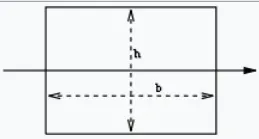
|
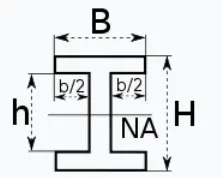
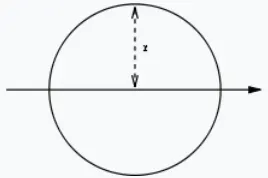
Cross sectional shape |
Figure |
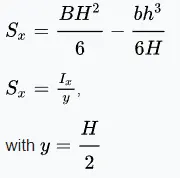
Equation |
|
Rectangle |
|
|
|
I section |
|
|
|
Circle |
|
|
|
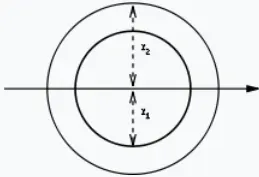
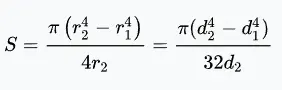
Circular Hollow section |
|
|
|
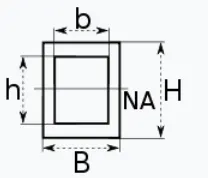
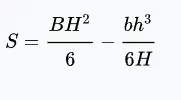
Rectangular Hollow section |
|
|
|
Diamond |
|
|
|
C channel |
|
|


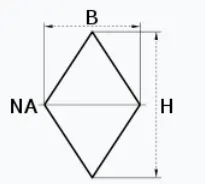

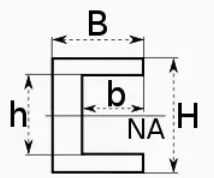
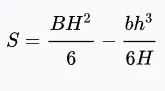
TYPES OF SECTION MODULES:
*Elastic section modulus
*Plastic section moduius
* Moment of inertia
*Neutral axis
a)Elastic Section Modulus:
The elastic section modulus is applicable up to the yield point of material.
Section Modulus Formula (S) =I/Y
Where I =Second Moment of Inertia
Y= Distance from the neutral axis to any given fiber.
The Unit of a “section modulus” is (mm3)
b)Plastic section modulus:
The plastic section modulus is generally used for material in which plastic behavior is observed.The plastic section modulus is the sum of the area of cross section on each side of the plastic natural axis multiplied by the distance from the local centriod of the two ares of the plastic natural axis,
Zp= AcYc+AtYt
c)Moment of Inertia:
Inertia is the tendency of the body that resist change. Momnet of inertia is the efficiency of body to resist bending due to load.The more the section modulus the more body resist the load. It depends on density of material, shape and size of body and distribution of mass relative to the axis
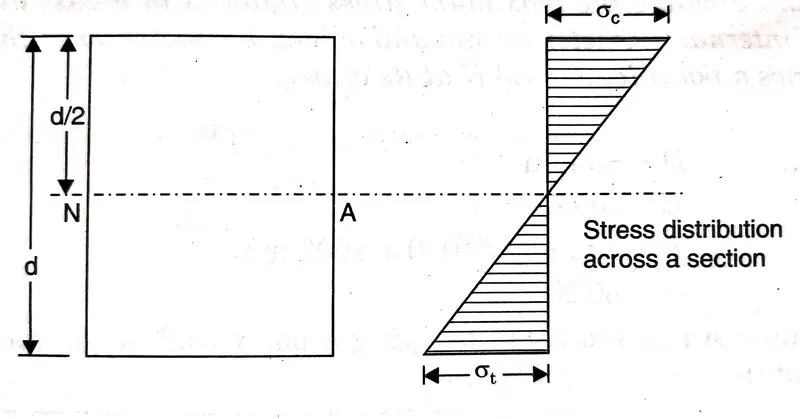
d)Neutral Axis:
- The centermost layer of any section of a component is called the Neutral axis.
- Neutral Axis doesn't get affected by any kind of load that is perpendicular to it which means there is no stress or strain on the neutral axis.
- The range of stress varies with respect to the distance from the neutral axis.
- The below figure shows the Neutral axis(dotted line) and in the Load situation the stress on either side of the neutral axis.
SECTION MODULUS CALCULATION:
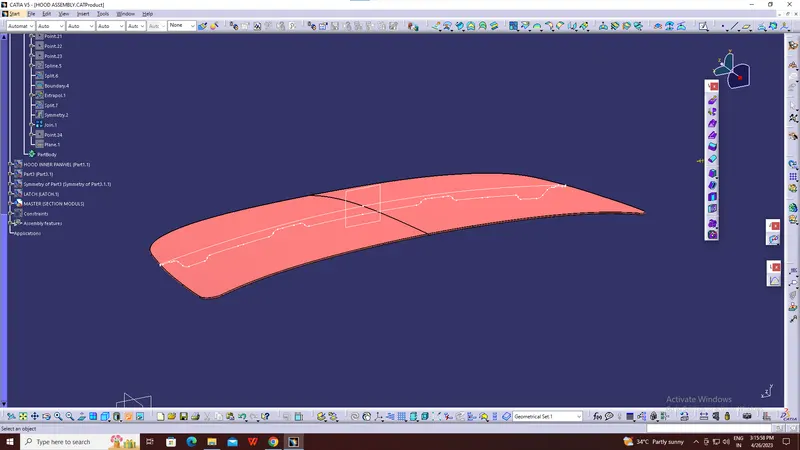
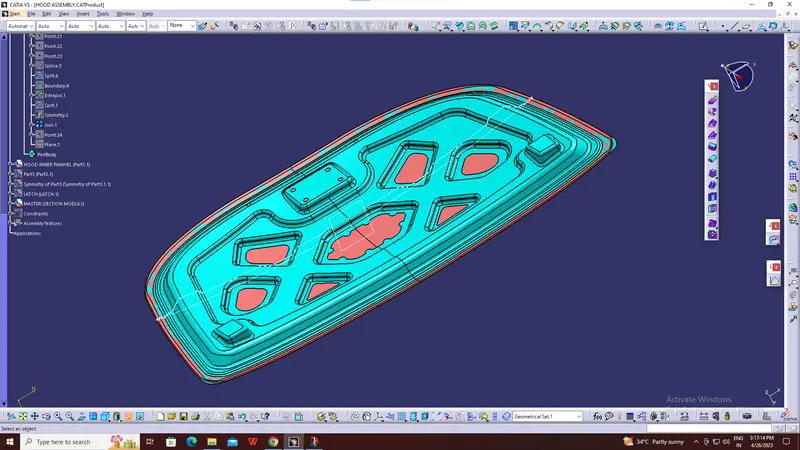
For studying the section modulus we need the cross section of hood. For that I created a cross section using intersection curve.
Study 1:
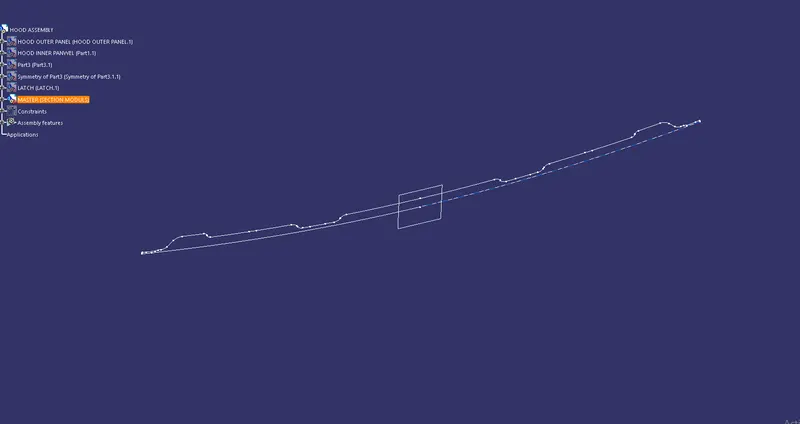
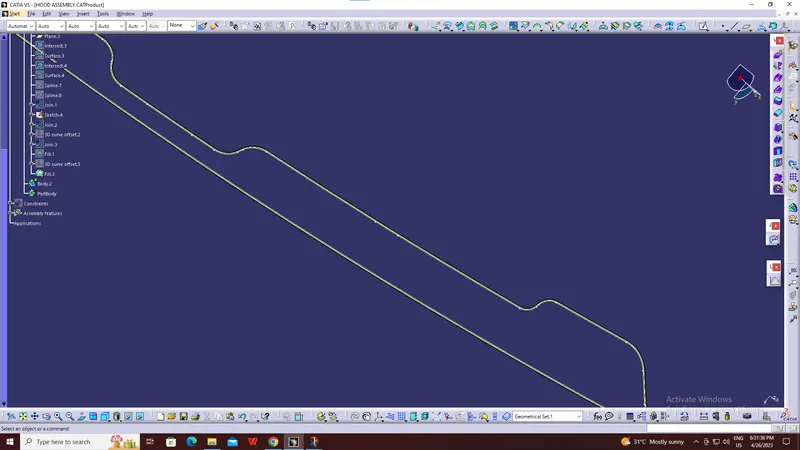
FIG: Cross-section of hood
Find the inertia using section inertia tool
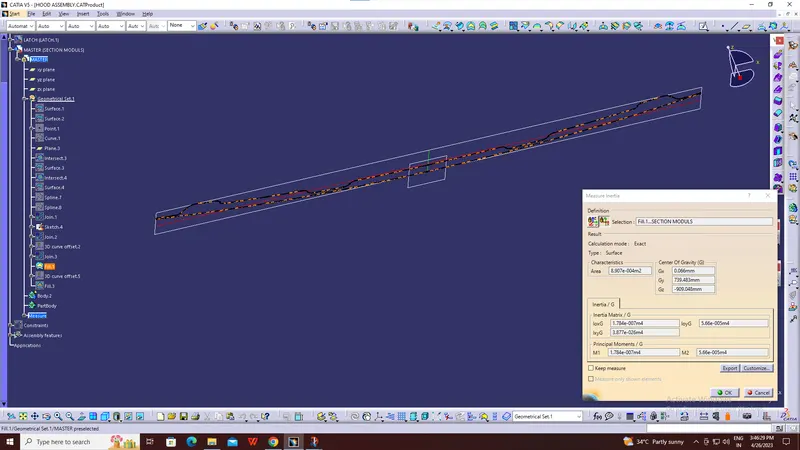
Here the minimum moment of inertia, I = 1.784e-007m^4
The distance between neutral axis and extreme end of the object, Y =432.02mm
Therefore the Section Modulus, S = I/Y
S = 1.784e-007 [m^4] / 432.02 [mm]
= 412.94[mm^3]
Study 2:
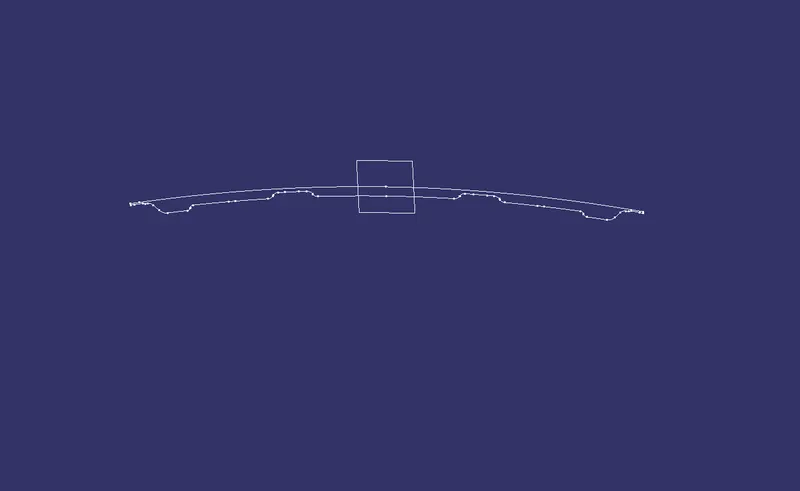
FIG: Cross-section of hood
Find the inertia using section inertia tool
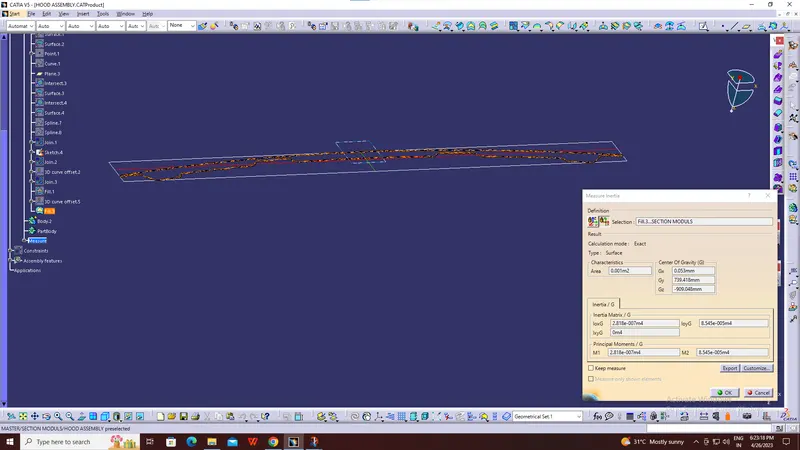
Here the minimum moment of inertia, I = 2.818e-007m^4
The distance between neutral axis and extreme end of the object, Y =431.9mm
Therefore the Section Modulus, S = I/Y
S = 2.818e-007 [m^4] / 431.9 [mm]
= 652.46[mm^3]
CONCLUSION:
*In this study, we take the minimum of inertia moment to analyze the minimum limit of hood deformation. Thus the section modulus of the front hood was calculated and compared with the new design.
*From the result we found out that increasing the cross-section area would give a better section modulus and helps in increasing the strength of the hood.